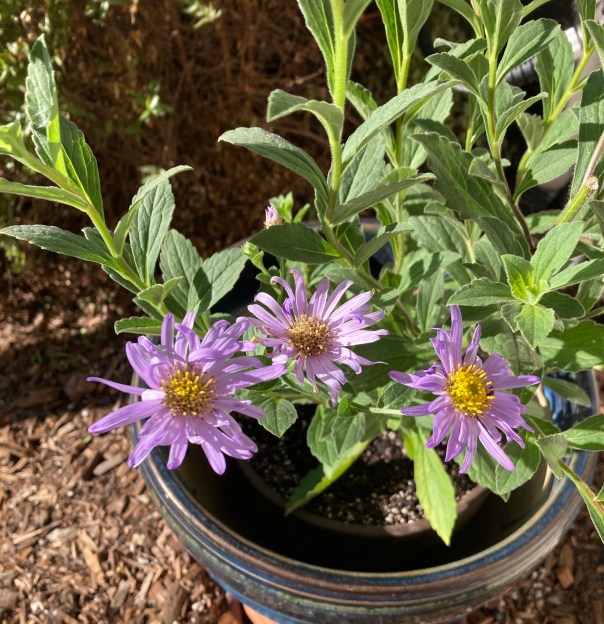
 (I’m reposting this from five years ago. Every September, many, many people still find the poem below on my blog. This fall, for the first time, I am pleased to say I have acquired a purple aster to enjoy for the next couple of months, and have installed it by the front door.)
Only a few years ago did I discover this poem. Being short and packed with autumnal images, it is perfect for a busy time of year, when you don’t want to let the equinox pass unnoticed, but you are canning tomatoes or drying figs or just taking all the walks you can in the crisp air. If you don’t pay attention to the calendar or the TV, you might miss the day.
For months and years I’ve been trying off and on to confirm that its author is Edwina Hume Fallis. New things show up on Internet searches all the time, and today I have seen enough sites that are confident about attributing it to her that I will accept it. Two months ago I couldn’t find two postings of the poem where her name was even spelled right. Most places it is shared as by “Anonymous.”
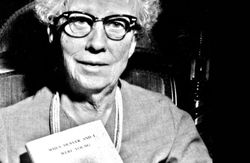 In the city of Denver, Colorado, Edwina Hume Fallis is especially famous, for her teaching and writing, a toy shop she owned, and her book When Denver and I Were Young. (I did recently contact the Denver public library to see if they had a copy of the poem below in their collection about her; they did not.) She and her sister made toys to use as props in telling stories to kindergarten students, and she did write over 100 poems; maybe this one was in an anthology that is now out of print. Many women bloggers seem to have memorized it in elementary school.
I wonder if any of my readers in the Southern Hemisphere knows of a similar poem that applies to the opposite seasons down there?
SEPTEMBER
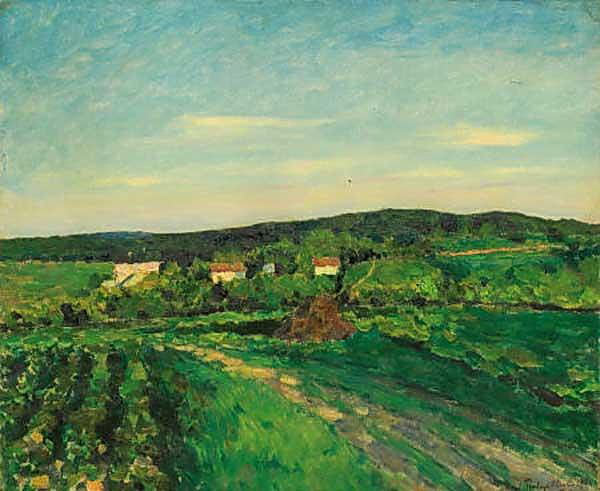
A road like brown ribbon,
A sky that is blue
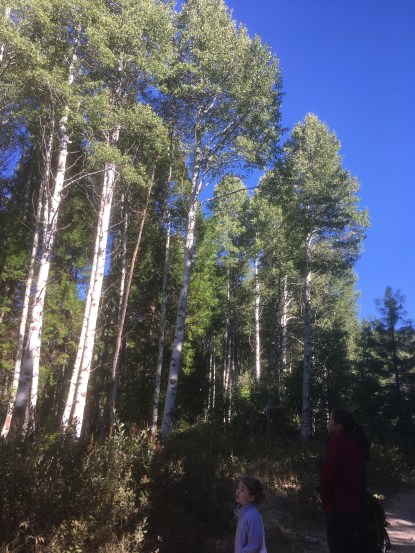
A forest of green with that sky peeping through.
Asters deep purple,
A grasshopper’s call –
Today, it is Summer
Tomorrow is Fall!
-Edwina Hume Fallis

 Gladsome Lights