I dreamed of a song –I heard it sung; In the ear of my soul its strange notes rung. What were its words I could not tell, Only the voice I heard right well, For its tones unearthly my spirit bound In a calm delirium of mystic sound- Held me floating, alone and high, Placeless and silent, drinking my fill Of dews that from cloudless skies distil On desert places that thirst and sigh. ‘Twas a woman’s voice, deep calling to deep, Rousing old echoes that all day sleep In cavern and solitude, each apart, Here and there in the waiting heart;- A voice with a wild melodious cry Reaching and longing afar and high. Sorrowful triumph, and hopeful strife, Gainful death, and new-born life, Thrilled in each note of the prophet-song. In my heart it said: O Lord, how long Shall we groan and travail and faint and pray, Ere thy lovely kingdom bring the day!
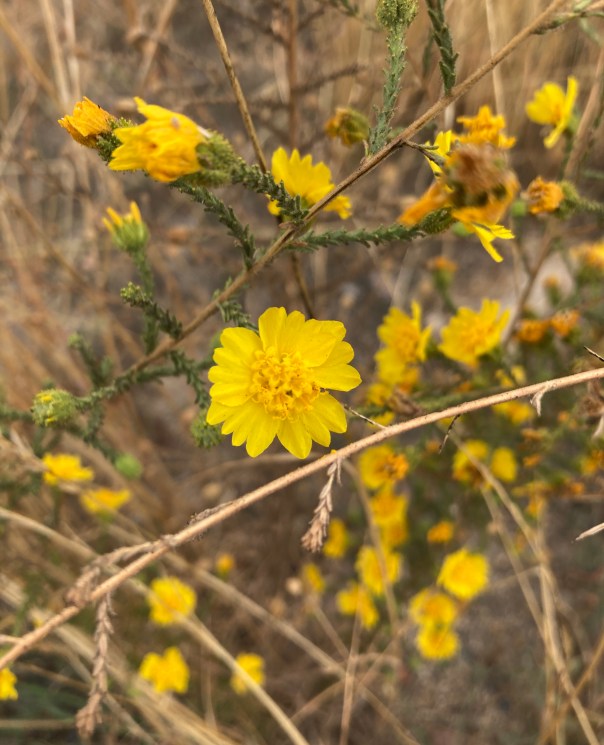
The man who mows the ditch between the strips of interstate found it worthwhile to leave us patches of wild sunflowers every several miles. Even at eighty-per-hour you can’t miss ’em: sunny thumbprints pressed against the paper bag browns of late September. I will never thank him.
And I will never thank the nun I saw watering her brittle yard with a hose—in full garb! That strange religious habit of the celibate salt of this dearth. Doesn’t she know October is coming and November is coming and December comes only to steal and kill and destroy? She knows life, life abundantly.
Walter de la Mare in the poem below does not sound sad for himself, that he should leave this world and go to a place without lamentation and darkness. But when he is removed from this earthly realm and will no longer be around to praise and wonder and delight in its beauties… will someone else take his place in that role? I’m intrigued by the idea he puts forth here, which sounds like “Beauty is in the eye of the beholder.” Beauty is somehow also personified, and passes on the legacy of wonderment from one generation to another.
I don’t believe that when we leave this earth, we will forget its beauties, though He Who is the source of all beauty will certainly consume our attention. But it is surely a sign of his great love, and most natural for him, that De La Mare wants to be sure that those earthly delights have admirers when he is gone.
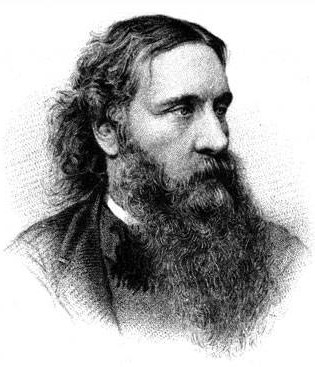
I wasn’t familiar with the flower that the poet names, Traveler’s Joy, so I looked it up and found that yes, it’s a clematis that is famous in the U.K. for climbing to the tops of hedgerows. Late in the season it takes on the appearance that makes people call it Old Man’s Beard, as in the photo at the bottom.
FARE WELL
When I lie where shades of darkness Shall no more assail mine eyes, Nor the rain make lamentation When the wind sighs; How will fare the world whose wonder Was the very proof of me? Memory fades, must the remembered Perishing be?
Oh, when this my dust surrenders Hand, foot, lip, to dust again, May these loved and loving faces Please other men! May the rusting harvest hedgerow Still the Traveller’s Joy entwine, And as happy children gather Posies once mine.
Look thy last on all things lovely, Every hour. Let no night Seal thy sense in deathly slumber Till to delight Thou have paid thy utmost blessing; Since that all things thou wouldst praise Beauty took from those who loved them In other days.
I didn’t learn until recently that “Practice resurrection” has become a sort of slogan. The phrase has worked itself into many sermons since Wendell Berry closed his “Manifesto” poem with the words, and it’s also the title of a 2010 book by Eugene Peterson. The only place I’ve personally read or heard it is in this poem. This post has been in my drafts folder for several months, since before Wendell Berry died. It is a wonderful expression of the fervor of his love that called out and pushed back against the wasting of communities, and of souls.
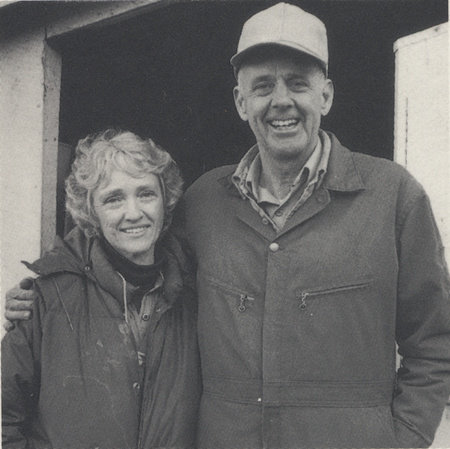
But it was only recently that I came across a lecture by Gracy Olmstead, about Wendell’s wife Tanya and her own artistic sensibilities that contributed so much to their life together, their home and their farm. The lecture was given in 2025 but only recently put up on the Berry Center site. Gracy published the text of her talk on her Substack: “Tanya Berry’s Work and Wisdom.” I strongly urge you to click on the link if only to see a photo of Tanya very elegantly feeding pigs; I found the whole thing very thought-provoking. Farming is for Tanya a way to practice her art.
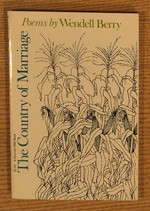
One odd thing I discovered in my research when I was first drafting this post was a Christian minister who thought that for his Easter sermon in 2024 he had invented the word “resurrectional.” Berry published this poem in the 1973 edition of his collection, The Country of Marriage.
MANIFESTO: THE MAD FARMER LIBERATION FRONT
Love the quick profit, the annual raise, vacation with pay. Want more of everything ready-made. Be afraid to know your neighbors and to die. And you will have a window in your head. Not even your future will be a mystery any more. Your mind will be punched in a card and shut away in a little drawer. When they want you to buy something they will call you. When they want you to die for profit they will let you know. So, friends, every day do something that won’t compute. Love the Lord. Love the world. Work for nothing. Take all that you have and be poor. Love someone who does not deserve it. Denounce the government and embrace the flag. Hope to live in that free republic for which it stands. Give your approval to all you cannot understand. Praise ignorance, for what man has not encountered he has not destroyed. Ask the questions that have no answers. Invest in the millennium. Plant sequoias. Say that your main crop is the forest that you did not plant, that you will not live to harvest. Say that the leaves are harvested when they have rotted into the mold. Call that profit. Prophesy such returns. Put your faith in the two inches of humus that will build under the trees every thousand years. Listen to carrion — put your ear close, and hear the faint chattering of the songs that are to come. Expect the end of the world. Laugh. Laughter is immeasurable. Be joyful though you have considered all the facts. So long as women do not go cheap for power, please women more than men. Ask yourself: Will this satisfy a woman satisfied to bear a child? Will this disturb the sleep of a woman near to giving birth? Go with your love to the fields. Lie easy in the shade. Rest your head in her lap. Swear allegiance to what is nighest your thoughts. As soon as the generals and the politicos can predict the motions of your mind, lose it. Leave it as a sign to mark the false trail, the way you didn’t go. Be like the fox who makes more tracks than necessary, some in the wrong direction. Practice resurrection.


 I didn’t learn until recently that “Practice resurrection” has become a sort of slogan. The phrase has worked itself into many sermons since Wendell Berry closed his “Manifesto” poem with the words, and it’s also the title of a 2010 book by Eugene Peterson. The only place I’ve personally read or heard it is in this poem. This post has been in my drafts folder for several months, since before Wendell Berry died. It is a wonderful expression of the fervor of his love that called out and pushed back against the wasting of communities, and of souls.