“It is believed that the onion originally came from India. In Egypt it was an
object of worship — why I haven’t been able to find out. From Egypt the onion entered Greece and on to Italy, thence into all of Europe.” — Better Living Cookbook
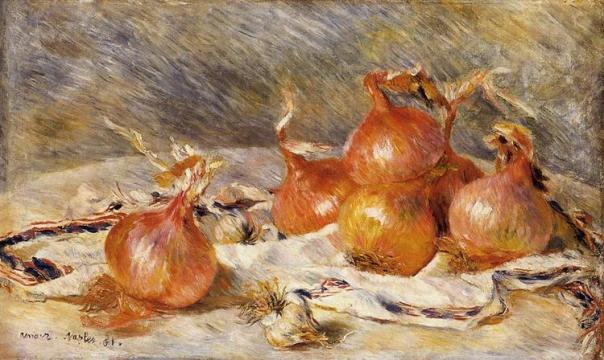
When I think how far the onion has traveled just to enter my stew today, I could kneel and praise all small forgotten miracles, crackly paper peeling on the drainboard, pearly layers in smooth agreement, the way the knife enters onion and onion falls apart on the chopping block, a history revealed. And I would never scold the onion for causing tears. It is right that tears fall for something small and forgotten. How at meal, we sit to eat, commenting on texture of meat or herbal aroma but never on the translucence of onion, now limp, now divided, or its traditionally honorable career: For the sake of others, disappear.
I’m posting this in honor of St. Brigid of Ireland, whose feast day is February 1. I think she would have liked this poem, and would know it to be about her love for Christ.
A BIRTHDAY
My heart is like a singing bird Whose nest is in a water’d shoot; My heart is like an apple-tree Whose boughs are bent with thickset fruit; My heart is like a rainbow shell That paddles in a halcyon sea; My heart is gladder than all these Because my love is come to me.
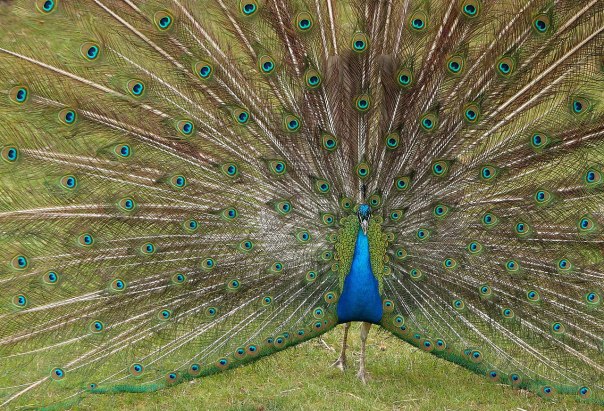
Raise me a dais of silk and down; Hang it with vair* and purple dyes; Carve it in doves and pomegranates, And peacocks with a hundred eyes; Work it in gold and silver grapes, In leaves and silver fleurs-de-lys; Because the birthday of my life Is come, my love is come to me.
-Christina Rossetti
*vair: A fur, probably squirrel, much used in medieval times to line and trim robes.
I sought the wood in summer When every twig was green; The rudest boughs were tender, And buds were pink between. Light-fingered aspens trembled In fitful sun and shade, And daffodils were golden In every starry glade. The brook sang like a robin— My hand could check him where The lissome maiden willows Shook out their yellow hair.
“How frail a thing is Beauty,” I said, “when every breath She gives the vagrant summer But swifter woos her death. For this the star dust troubles, For this have ages rolled: To deck the wood for bridal And slay her with the cold.”
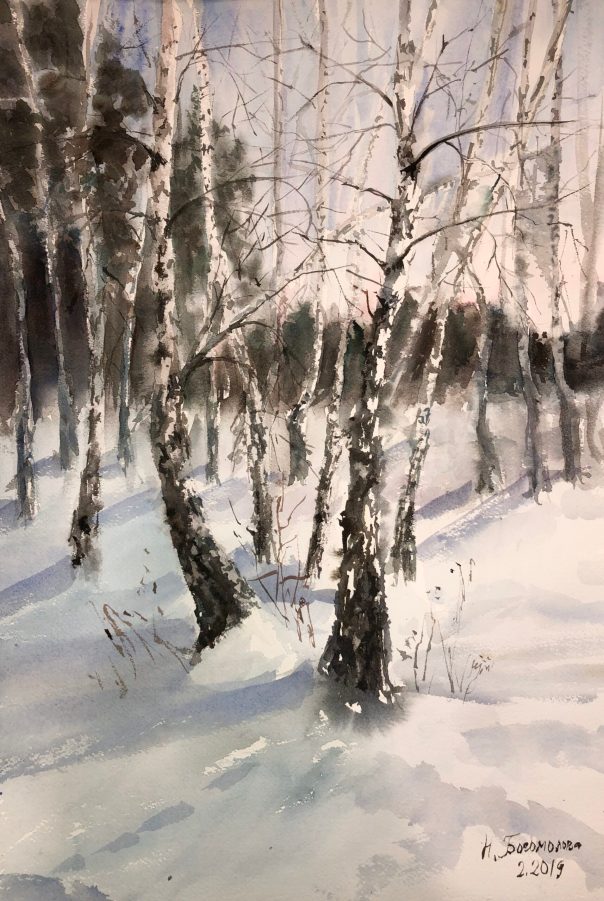
I sought the wood in winter When every leaf was dead; Behind the wind-whipped branches The winter sun set red. The coldest star was rising To greet that bitter air, The oaks were writhen giants; Nor bud nor bloom was there. The birches, white and slender, In deathless marble stood, The brook, a white immortal, Slept silent in the wood.
“How sure a thing is Beauty,” I cried. “No bolt can slay, No wave nor shock despoil her, No ravishers dismay. Her warriors are the angels That cherish from afar, Her warders people Heaven And watch from every star. The granite hills are slighter, The sea more like to fail; Behind the rose the planet, The Law behind the veil.”

 Gladsome Lights