 |
| Mine is like the 4th from the top, only dirtier. |
In the first decade of my married life my primary cooking teachers were Irma S. Rombauer and Marion Rombauer Becker, in the 1964 edition of Joy of Cooking. That was long before this age when one can find overwhelming amounts of information about any food or recipe at the click of a mouse, and before we watched “Julie and Julia” and found out that the cookbook my mother had given me for a wedding present was suspect.
The women who published the book in various forms beginning in the 30’s were not the same sort of cooks as those we know today, we who have the likes of Julia Child and M.F.K. Fisher to inspire us. Irma was grieving the loss of her husband in 1930 when she followed the advice of others and got busy making a book out of her collection of recipes that had been gathered to teach a class in the 20’s.
 |
| Irma S. Rombauer |
Marion wrote a biographical sketch of her mother, in which she admits that her mother was not known for her great cooking. To which I add, it really was not the era for that. Many of the households that had the resources to spend on a variety of ingredients had hired help to cook for them, which I noticed early on was the case with the Rombauers, because in my copy they mention conversationally, and give a recipe for, the matchless poultry dressing their cook made. The kitchen help, expert as they might be, would not be in a position to publish cookbooks, so as Marion reasoned, “cookbook writing is too important to be left to the cooks.”
But for women who were increasingly responsible for preparing meals for their own families, and who had time and means to study and learn from books, the Rombauer women did a good service. I like what Christopher Kimball wrote for the Amazon.com listing of the book, about Irma’s “amateur but highly evolved enthusiasm.” After all this revisiting I plan to get a copy of the latest revision and see how it has changed, now that Irma’s descendants are bringing to it their own flair and abilities. On the Joy website I found a likeable personal tone and appetizing recipes, but the cooks don’t give away all of the book’s recipes online.
The Rombauer/Becker Family marked their own favorite recipes in the edition I own with the name “Cockaigne” after the name of their summer home, and that label served me as online reader reviews do nowadays, helping me know that at least a few people really liked that particular casserole or cake or whatever.
While my little children played nearby or took their naps, in the days before I could be distracted by reading or writing blog posts, I sat at the kitchen table and pored over Joy, making a list of all the “Cockaigne” recipes that appealed to me. The only one I remember now without looking it up, perhaps the only thing I tried more than once, was Tomato Pudding Cockaigne.
 |
| Kate shows fruit from yesteryear’s garden. |
On a recent blog post somewhere I read mention of Scalloped Tomatoes, and I found online many recipes for that dish, which seemed to resemble the tomato pudding I hadn’t made in 20 years. It was labeled as Southern Cooking on many websites. Do all of you southern ladies make scalloped tomatoes?
At first it sounded like the perfect way to use up some of my fresh tomatoes, and perhaps also in the winter, to use some of the bags full that I have been freezing. Except that there seemed to be more bread and sugar than I care to consume in the various versions….eventually I gave up looking at them and went back to my old recipe, which I discovered also calls for quite a bit of sugar — six tablespoons to go with 14 tomatoes — but why? These are garden-ripe, sweet tomatoes I’m bringing in by the bowlful.
Joy’s recipe also didn’t have enough basil for me, and included no garlic. It called for only a small quantity of bread crumbs, and I hoped that if I added a larger quantity of bread the juice would be soaked up faster and the dish might take only two hours instead of three to cook down.
So…here you have it,
Gretchen’s California Tomato Pudding
14 fresh ripe tomatoes, peeled, seeded, sliced
1/3 cup fresh chopped basil leaves
2 tablespoons fresh chopped parsley
1 extra-large clove garlic. minced
1 1/2 tablespoons brown sugar
2 cups fresh sourdough bread crumbs
6 tablespoons melted (salted) butter
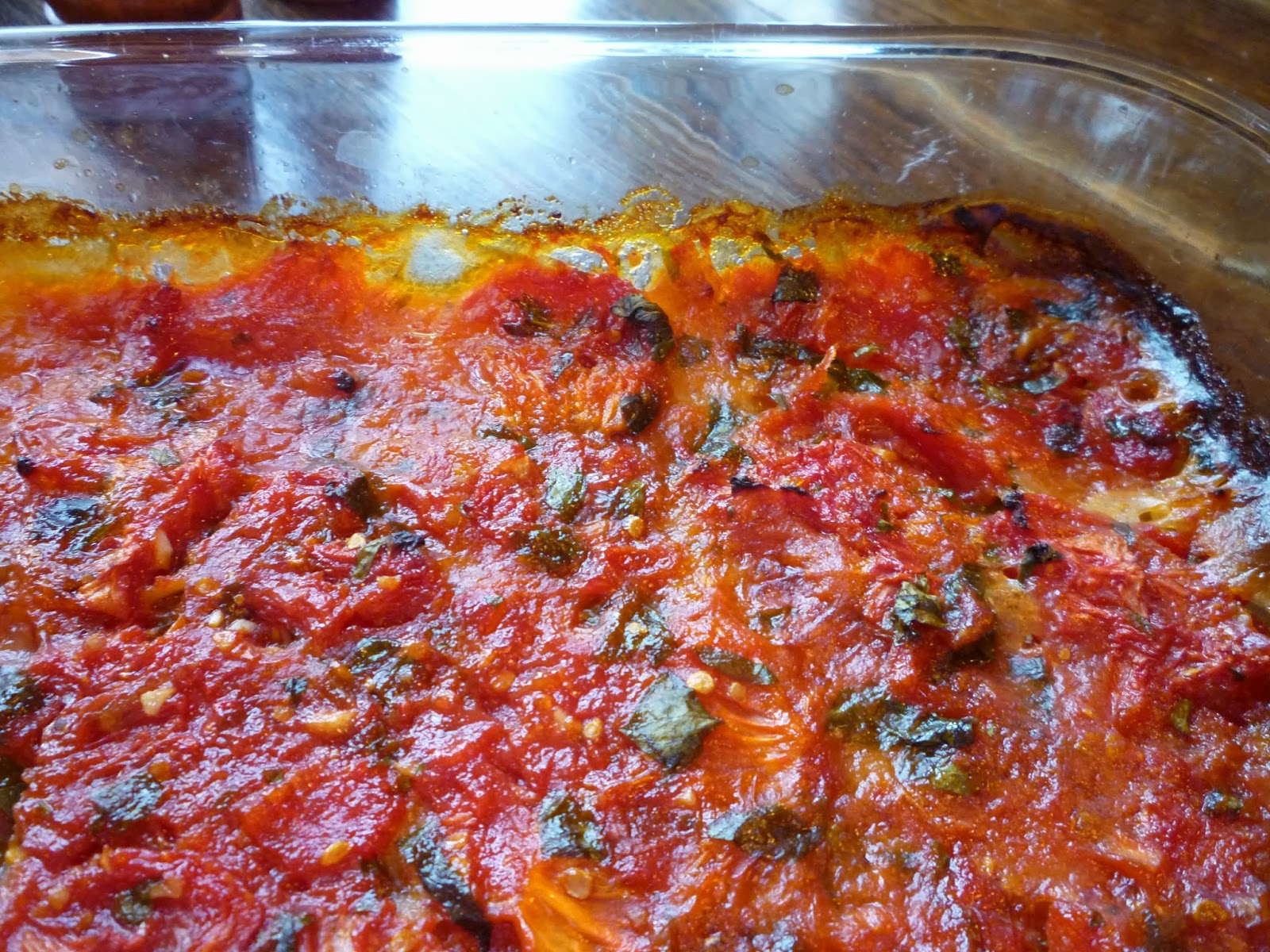
Put the tomatoes in a pan on the stovetop, and heat to the boiling point. Stir in the herbs, garlic, and sugar. Cover the bottom of a 9×12 baking dish with the bread, and pour the melted butter over it. Ladle the tomato mixture on top of the crumbs, and bake uncovered at 350° for about an hour and 15 minutes, or until it is no longer watery. Serve warm.
 While my pudding was in the oven I typed out the above, and waited to see if the finished product would be worthy of sharing. Oh my, yes, it is delectable and so hard to stop eating. I guess my husband and I ate about five tomatoes worth each.
I could further tweak a few things, make it a couple more times to assure consistency and give you a more thorough report, but this is only a blog after all, so I will just say that I’m pretty sure it would be just as good with a little less butter and sugar. I imagine it tasting great made with olive oil, if you prefer vegan fare. But Mr. Glad said, “Whatever you did to make it like this, it was perfect.”
 1 – My sister might send us a box of mandarins from California’s Central Valley. She and her husband grow these very fancy Dekopons, as they are known in Japan, under the label Sumo. You aren’t likely to see many of them in our U.S. stores for a while, but I just read that in Japan they already have Dekopon chewing gum.
 2 – I might decide to make a giant pot of vegetable and bean soup to last us through Lent and beyond. This is the Bean Soup Mix after soaking all night. The small brown beans are Tepary beans I bought at a farmers’ market years ago; I found them in the pantry and threw them into the lot.

 4 – The osmanthus might bloom, so that when I come up the sidewalk to the front door I swoon over its sweetness, and decide to cut some branches to bring inside.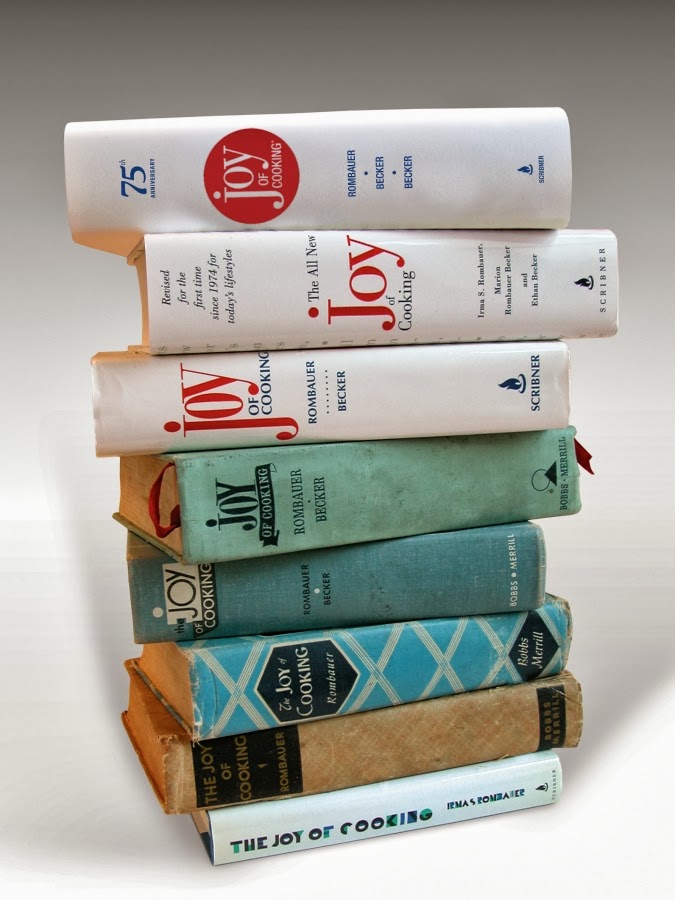









 Gladsome Lights