
Following an afternoon of foraging, an evening of cooking, and a yummy pasta dinner, I went to bed with the feeling that a hot iron was lying on top of my fingers. I wondered if I would be able to go to sleep with my hands so swollen and angry. I finally did; in the morning the pain level was at a slow burn, and it soon dissipated.
It was all from the nettles — all the fun and adventure, the delicious dinner and the extended pain. And it was worth it!
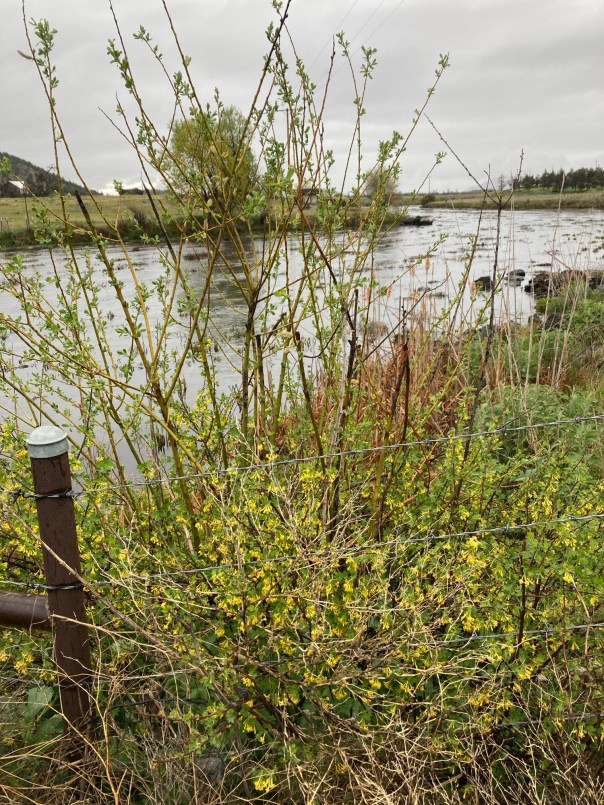
My Forest Family had made Nettle Pasta several times in the past, but I hadn’t been around to experience any of the project, and when I’d seen the pictures I’d been a little jealous. So this time, I was glad to participate. We had to go a distance to find out if the nettles were even at the best stage for using — up the highway for a while, then down a one-lane winding road for a while, then out of the car and on foot through a drizzle. Meadowlarks and red-winged blackbirds were calling under the big and dripping sky as we continued along a gravel road that didn’t have enough gravel — till finally we came to the Shasta River. And there were the nettles in all their robust glory. And they weren’t past their prime at all; they looked perfect.
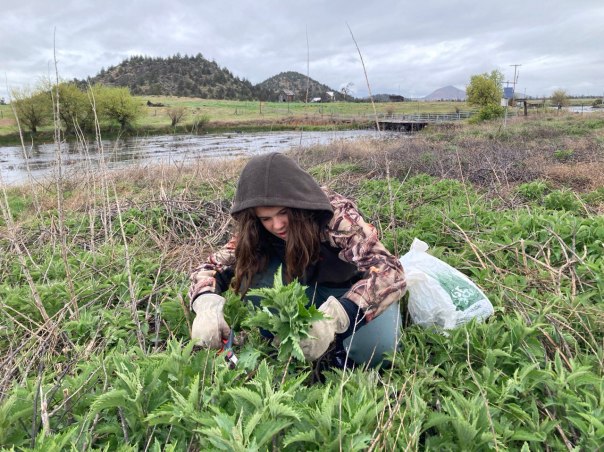

I had brought some gardening gloves along on my trip up, not knowing what task they might come in handy for, and I happily showed Pippin that she didn’t need to hunt for an extra pair for me. I set to work filling a couple of grocery bags with bunches of nettles cut with scissors or just pulled out of the top inch of soil. It wasn’t until we were back home that I felt the full effect of the stinging and burning; my gloves only protected me on my palms and not on the backs of my hands, where the glove was cloth. Note to self: pick nettles only with rubber or leather gloves.
Before our outing I had discussed the message of this 300-yr-old rhyme with the children:
Tender-handed stroke a nettle,
And it stings you, for your pains:
Grasp it like a man of mettle,
And it soft as silk remains.
Scout flatly declared it false, and I in any case hadn’t planned to test the truth of the ditty. On Quora someone writes,
It means to act firmly, with resolve. The reference to the nettle relates to the fact that if you make only superficial contact with a nettle plant it will sting you. However if you grasp it firmly with an upward motion you avoid the stinging effect. (The stinging hairs grow in a slightly upward-facing direction. Grasping with a firm upward stroke tends to flatten the hairs against the stem or leaf so their ends can’t penetrate the skin and deliver their sting.) I’ve seen this done with no apparent ill effects and heard of gardeners who can clear a nettle patch bare-handed.
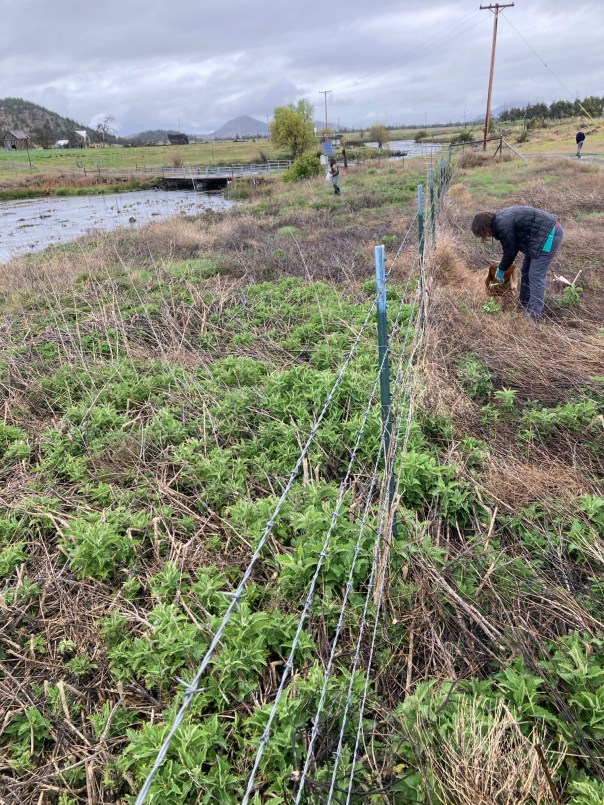

The problem I see with the kind of nettles we were dealing with, is that while you are grasping some of the nettles boldly like a man or woman of mettle, other leaves are coming in from the side against your tender hands and stinging you. That’s essentially what they did through my gloves; I wasn’t grabbing with the tops of my hands, after all.
A nettle-eating contest is held in Dorset every year, where super-mettled people compete over such (raw) foods as this European nettle (Urtica dioica) at left, shown in its seed stage. In the article about the contest they explain:
Nettle leaves sting because they are covered in tiny hollow filaments, the silica tips of which break off at the lightest touch to expose sharp points that deliver an instant shot of formic acid into the skin surface, followed by histamine, acetylcholine and serotonin.

Ouch! We took our greens home and washed them (wearing rubber gloves).

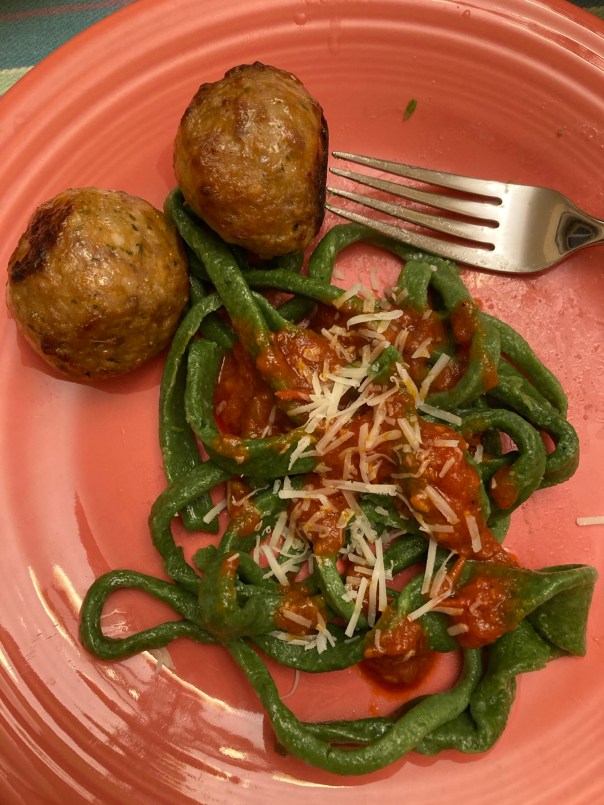
After blanching to neutralize the sting, we removed the leaves and incorporated them into an eggy pasta dough.
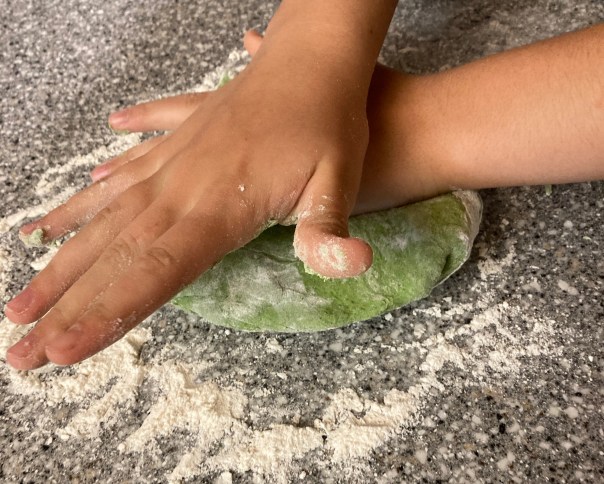

The noodles were delicious.
We had a pint of blanched leaves left over, which Pippin may make into soup. There were bagfuls of unused raw nettles as well, which I brought home, blanched and froze, and would like to put into soup myself. Maybe this version from the Forager Chef site: Classic Nettle Soup. Have any of you, my readers, cooked with nettles? Have you participated in a nettle-eating contest? Do you have any nettle-stinging stories to tell? I’d love to know!






 Gladsome Lights