THE TRIUMPH OF THE MACHINE
They talk of triumph of the machine,
but the machine will never triumph.
Out of the thousands and thousands of centuries of man
the unrolling of ferns, white tongues of the acanthus lapping at the sun,
for one sad century
machines have triumphed, rolled us hither and thither,
shaking the lark’s nest till the eggs have broken.
Shaken the marshes, till the geese have gone
and the wild swans flown away singing the swan-song at us.
Hard, hard on the earth the machines are rolling,
but through some hearts they will never roll.
The lark nests in his heart
and the white swan swims in the marshes of his loins,
and through the wide prairies of his breast a young bull herds his cows,
lambs frisk among the daisies of his brain.
And at last
all these creatures that cannot die, driven back
into the uttermost corners of the soul,
will send up the wild cry of despair.
The thrilling lark in a wild despair will trill down arrows from the sky,
the swan will beat the waters in rage, white rage of an enraged swan,
even the lambs will stretch forth their necks like serpents,
like snakes of hate, against the man in the machine:
even the shaking white poplar will dazzle like splinters of glass against him.
And against this inward revolt of the native creatures of the soul
mechanical man, in triumph seated upon the seat of his machine
will be powerless, for no engine can reach into the marshes and depths of a man.
So mechanical man in triumph seated upon the seat of his machine
will be driven mad from within himself, and sightless, and on that day
the machines will turn to run into one another
traffic will tangle up in a long-drawn-out crash of collision
and engines will rush at the solid houses, the edifice of our life
will rock in the shock of the mad machine, and the house will come down.
Then, far beyond the ruin, in the far, in the ultimate, remote places
the swan will lift up again his flattened, smitten head
and look round, and rise, and on the great vaults of his wings
will sweep round and up to greet the sun with a silky glitter of a new day
and the lark will follow trilling, angerless again,
and the lambs will bite off the heads of the daisies for very friskiness.
But over the middle of the earth will be the smoky ruin of iron
the triumph of the machine.
-D.H. Lawrence
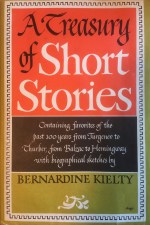 This month our parish women’s book club is reading Tolstoy’s “The Death of Ivan Ilyich.” I finished it this morning, in an old anthology from 1947 that I had kept from our homeschooling years, when twice my late husband and I taught a short story course to our children. That collection is A Treasury of Short Stories edited by Bernardine Kielty. When I closed that volume I opened The Norton Reader, Seventh Edition, to see if it included any Tolstoy stories, but when I saw the title “From Journal of a Solitude,” I continued reading the first few excerpts taken from the book by May Sarton.
 Gladsome Lights