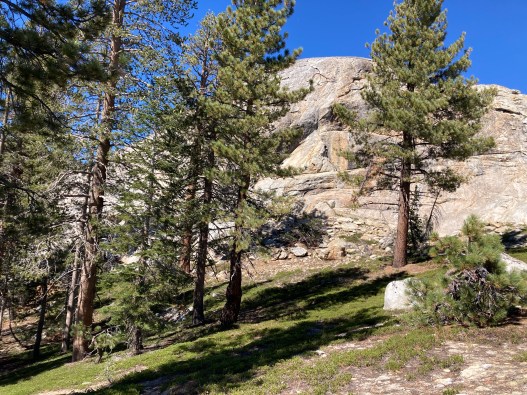
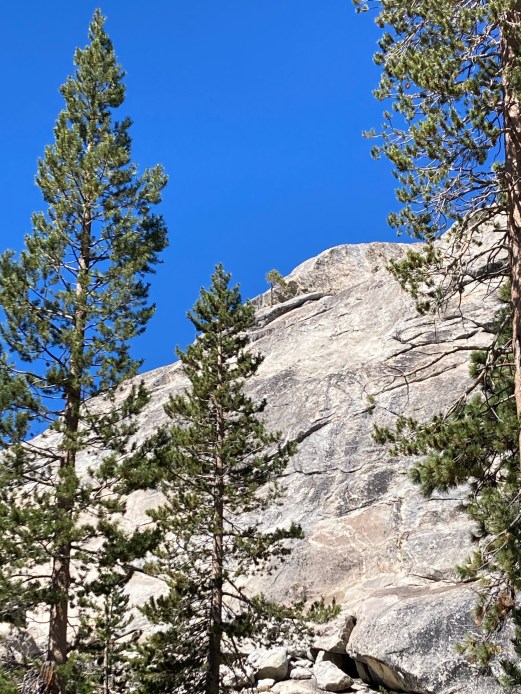
The granite dome behind our cabin, which we fondly call “Gumdrop” — Mrs. Bread coined its name — was calling me to make a visit this morning, and I wanted to set out early and eat my break-fast on its slopes overlooking the lake. But because it was such a chilly morning (I know it got down to at least 27 in the night), I waited to venture forth until the sun rose well above the trees.
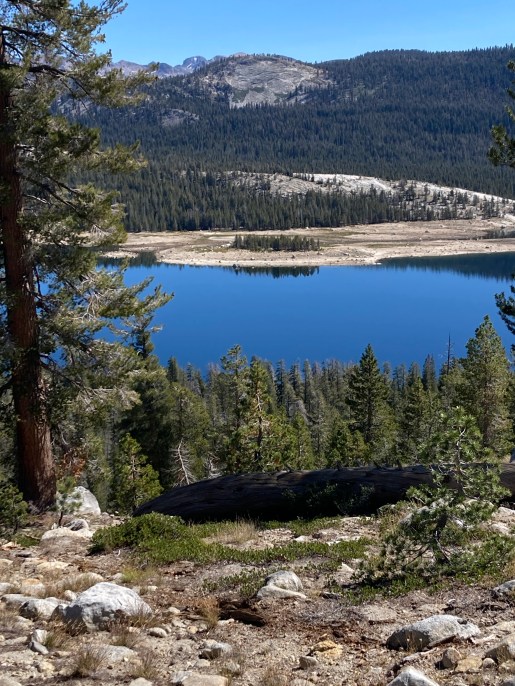
I’ve written about my dome excursions more than once here, and I debated whether even to mention today’s outing, but I’m doing it for my own memory’s sake. And maybe a few other people also enjoy multiple pictures of boulders and scree and rock in the shape of a river. Visits to Gumdrop always feature treats other than the granitic type: sublime views that make you feel you are on the top of the world.
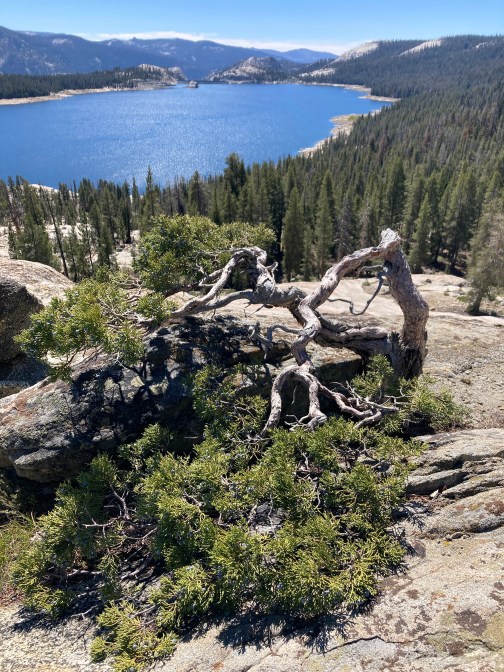
This time I reversed the direction of my loop around the base and shoulders of this exfoliating hunk of rock, and headed east when I got near, then south, counterclockwise. Every few steps I took, the view changed, and the pointy domes across the lake would be hidden behind trees, and then come back into sight.

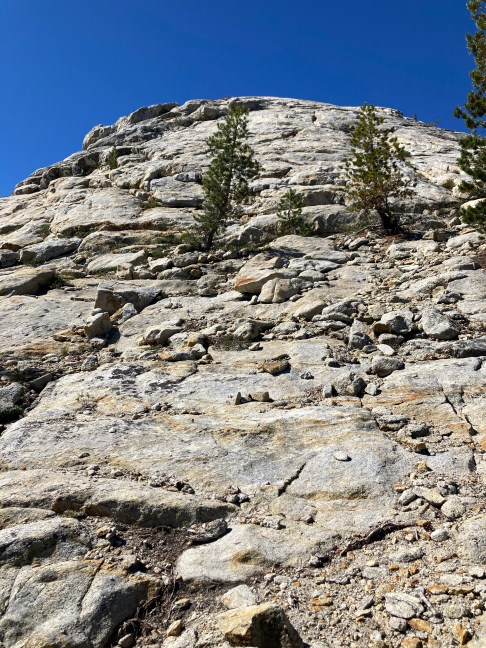
I would never try climbing to the top of Gumdrop by myself; once my late husband did that, and he fell coming down and got a big gash on his arm. When you fall on a dome, you fall on rock — that’s all there is, and you could easily be knocked unconscious, or worse. But when I walk around the sides of it, I can’t help climbing upward, because it doesn’t have a flat bottom like a gumdrop candy, and around Gumdrop Dome some of its rocky slopes are covered with soil and trees. Today on the side where I first approached, I reached the limit of what felt safe. This next picture I took from that spot.
Majesty is the word that came to mind as I was thrilling over the grand scenes before me, whichever way I looked. As I braced myself on the slant, and looked out across the still lake, I could not even hear rustling of trees, or any hammering from cabins down below. For two seconds, a fly buzzed, and was silent.
Many features of the landscape are physically large, and majestic that way. But the smallest succulent or infant pine tree is huge in its brave clinging to life, on a rock.
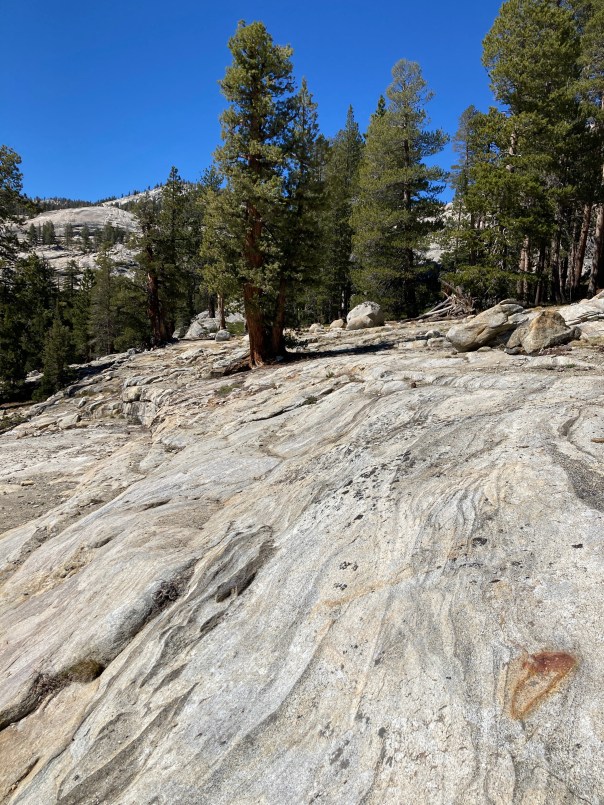
I sat with my back against one slab, and ate a protein bar, drank a little water. I was the only human on Gumdrop; a few ants passed by near my boots. The lake glittered down below. All was quiet.
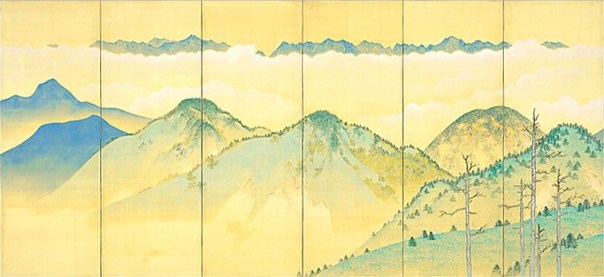
When I got back to the cabin after a couple of hours, I was looking for that Annie Dillard quote about why she likes mountains better than creeks. But I found this one first, which is particularly about the kind of mountain I like:
No matter how sophisticated you may be,
a large granite mountain cannot be denied —
it speaks in silence to the very core of your being.
-Ansel Adams

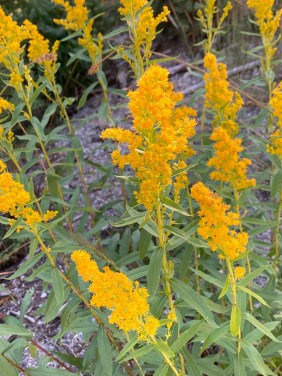 I told myself that I did not need to stop for wildflowers on my drive home from the cabin. I have seen plenty of them already to satisfy, on this trip and throughout my life — and I needed to make up for lost time. It always takes longer than I anticipate, to turn off the water, to turn the water heater to pilot, to leave the cabin clean for the next family members who will come. It was midmorning before I locked the door and headed out.
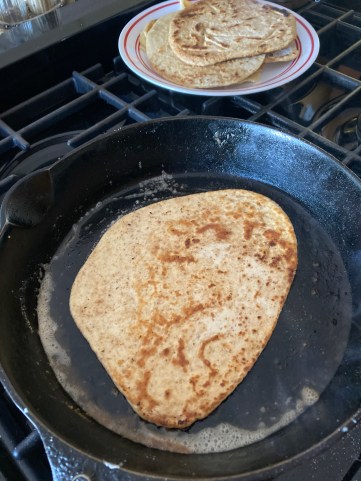
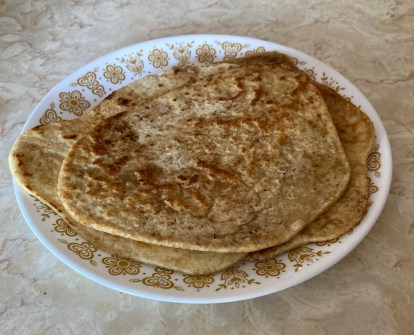
 When I was getting ready to come up here to my high mountain cabin for several days, I didn’t like the idea of leaving my sourdough starter at home with no one to feed it for most of a week. Then I realized, I could bring it with me. That is what is great about road trips — you have lots of flexibility and options. Every experience of air travel makes me love road-tripping more.
 Gladsome Lights