Category Archives: travel

Wooded and Worded Wonderland

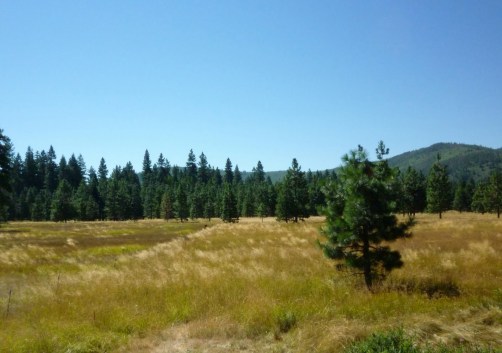
I’m back up at Pippin’s place as of last night, and this morning took Baby Scout for a walk in his jogger. It was an hour’s walk, but that doesn’t translate to much exercise when you figure in all the stops for gawking and picture-taking. On my drive up I listened to most of My Ántonia and was struck by the evocative descriptions of the prairie; here the meadows are in their late summer glory of gold tones, with runnels of pale green. My photos don’t serve nearly as well as Willa Cather’s prose in conveying a scene.

In this case there were jays scraping the air with their calls, and smells of drying grass and a dozen trees coming at me in the breeze. Scout hummed as we bumped along. The air was crisp at first, but the little currents of warm spread out to fill the morning so that it soon felt like an August day.

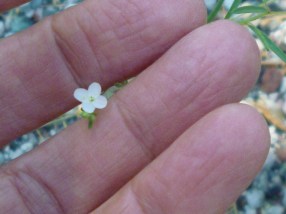
I couldn’t precisely identify any of those aromas; it made me envy the animals with their good noses –but when I do get to know a plant, I can also have the word for it, and that makes me happy. Fact is, I don’t know the word for very many of the thousands of lovely things around me. Like this tiny flower that I spied on the roadside, and a while later in Pippin’s tomato garden, volunteering along with mullein and ferns.

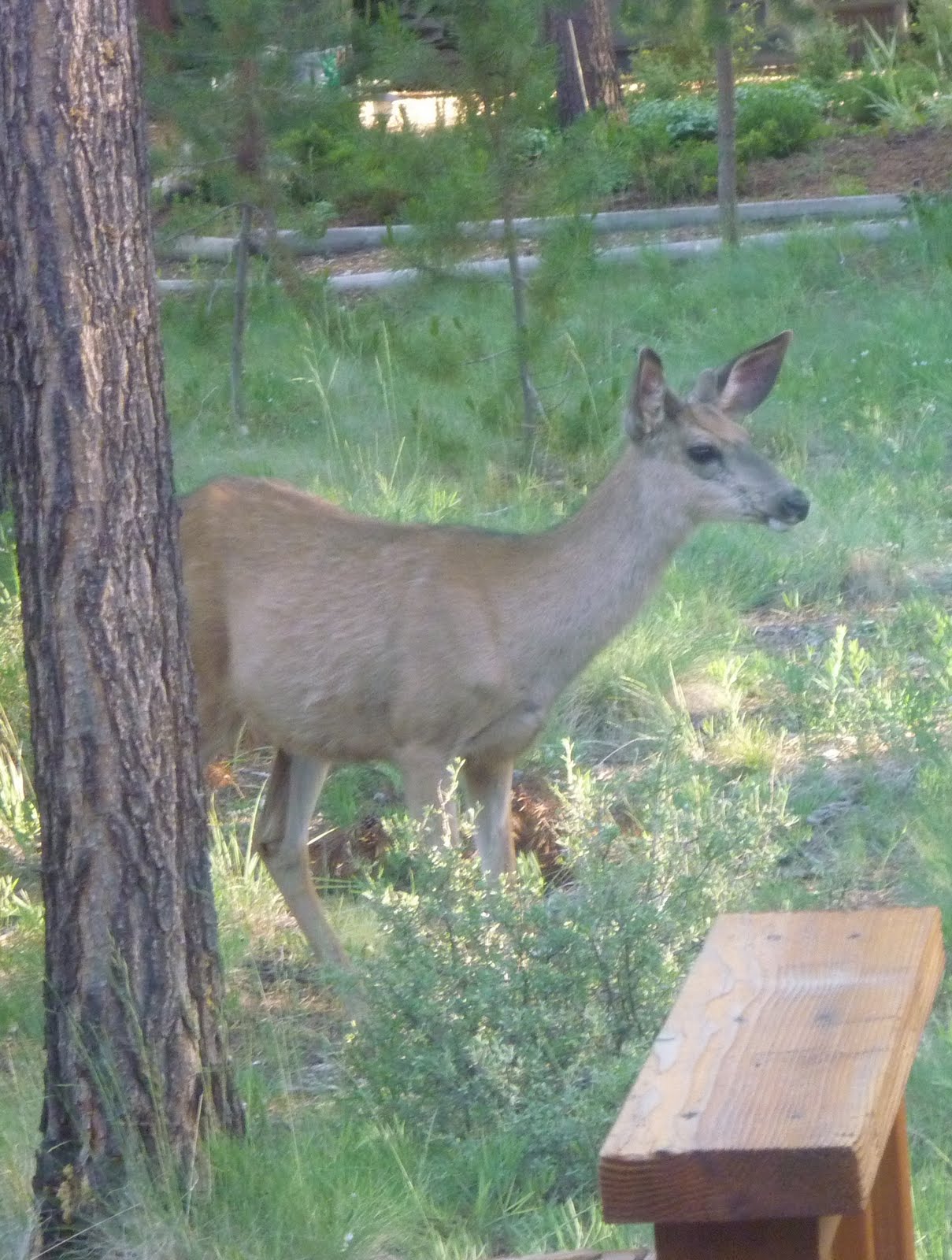
In the meadow I saw a place where the grass was all mashed down. Maybe the deer had rested there, maybe even the one I saw munching on tree branches by the side of the road. She gave me one look, and then refused to pay any more attention to me, even though I kept asking her to look at the camera.

I slept through the woodland noise last night, of Mama Bear tearing down bird feeders to spread the seed on the patio for her two cubs. It’s the second time this week, which pretty much means the end of watching birds close by the kitchen window. That’s about the only way I can seem to notice them, as I did last May when I took this picture. Birds are more fun to watch than bears, for many reasons, one being that you don’t have to be wakened at midnight in order to see them.

Certainly one of the warm smells on our walk was of oak trees. Oak was likely one of my first nature words, as I lived most of my childhood under a giant oak in the Central Valley. I think it was a Valley Oak. There are only nineteen Quercus native to California, I just this minute read in a tree guide, so perhaps it wouldn’t be impossible, as I have previously thought, for me to learn which are which. This one I photographed today is certainly not a Scrub, Live, Leather, Muller or Blue Oak…perhaps it is a California Black Oak. Hello, Mr. Oak; I hope to get to know you better.
Oregon – Part 3

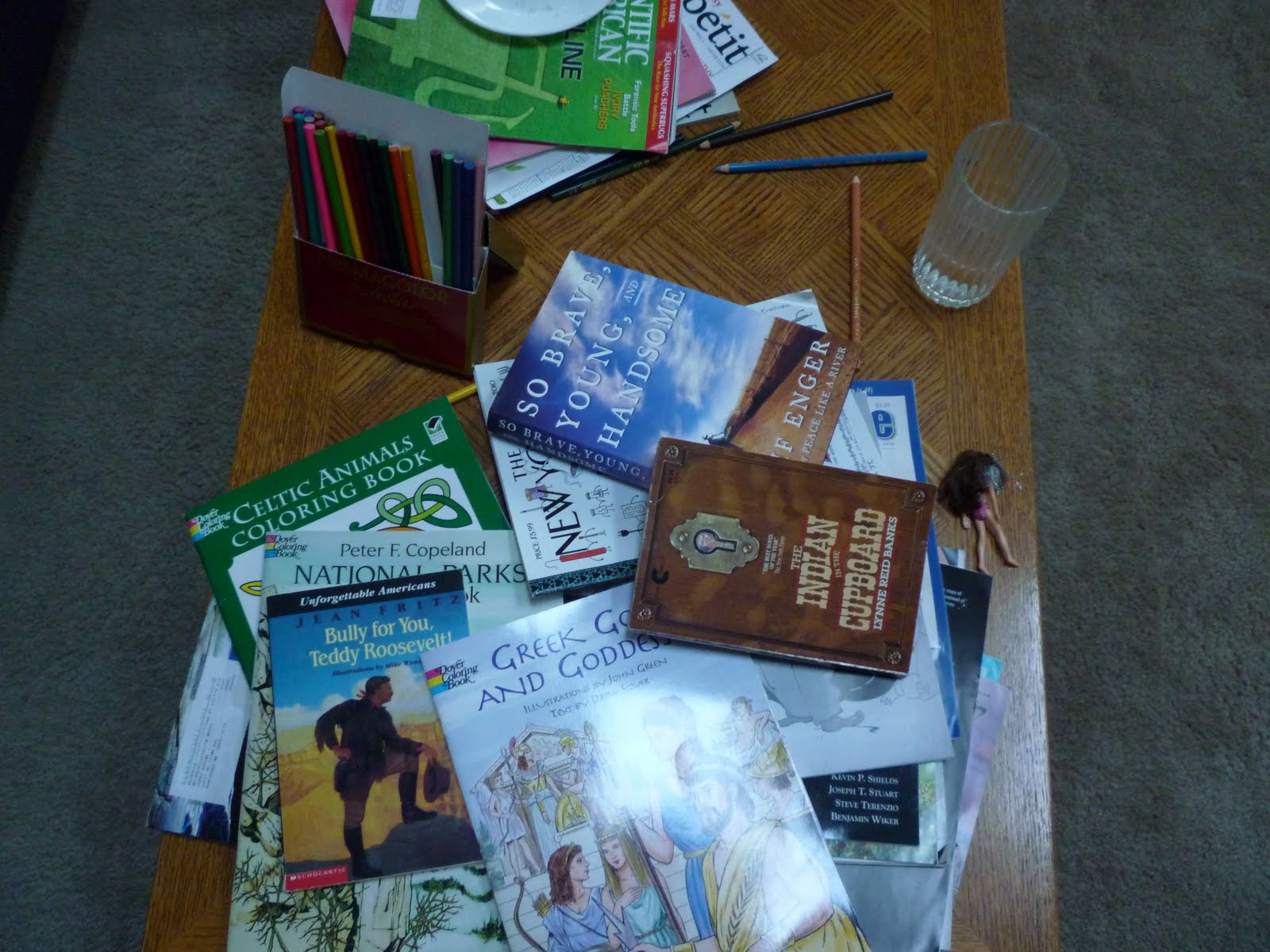
The DVD player was broken at the house we were renting–not a bad thing. The littlest kids watched several Disney movies on a video player in a bedroom, and the older boys got to reading books. I had brought a box of games and things to read, coloring books and lovely soft colored pencils. Granddaughter and I, and also her next-oldest brother colored a lot of pictures from the Greek myths coloring book, and then the Celtic animals one. At least one older boy said that Bully for You, Teddy Roosevelt was Awesome. Pearl read Mrs. Mike.

Months ago Herm gave me a small old paperback, The Singing Forest, knowing my love of deer. This leisurely stay where deer did browse in the back yard seemed the perfect place to read such a book. One afternoon we had rain and cold, so we who were hanging out at the house turned on the gas fireplace and snuggled under blankets.

Between what groceries we had brought and the few items stocked in the house, Pearl concocted some chocolate cupcakes while I curled up with my book. It’s very sweet, fascinating as a glimpse of life on a Scottish estate and also a sort of sociology of Scottish red deer. A real-life Bambi story.

Wallace Stegner’s Remembering Laughter and Collected Stories were the other books in my Oregon stack. I’ll have to think more on those before I can do justice to them by anything I can write, but I have to say that any fiction by Stegner I’ve read has been most satisfying.

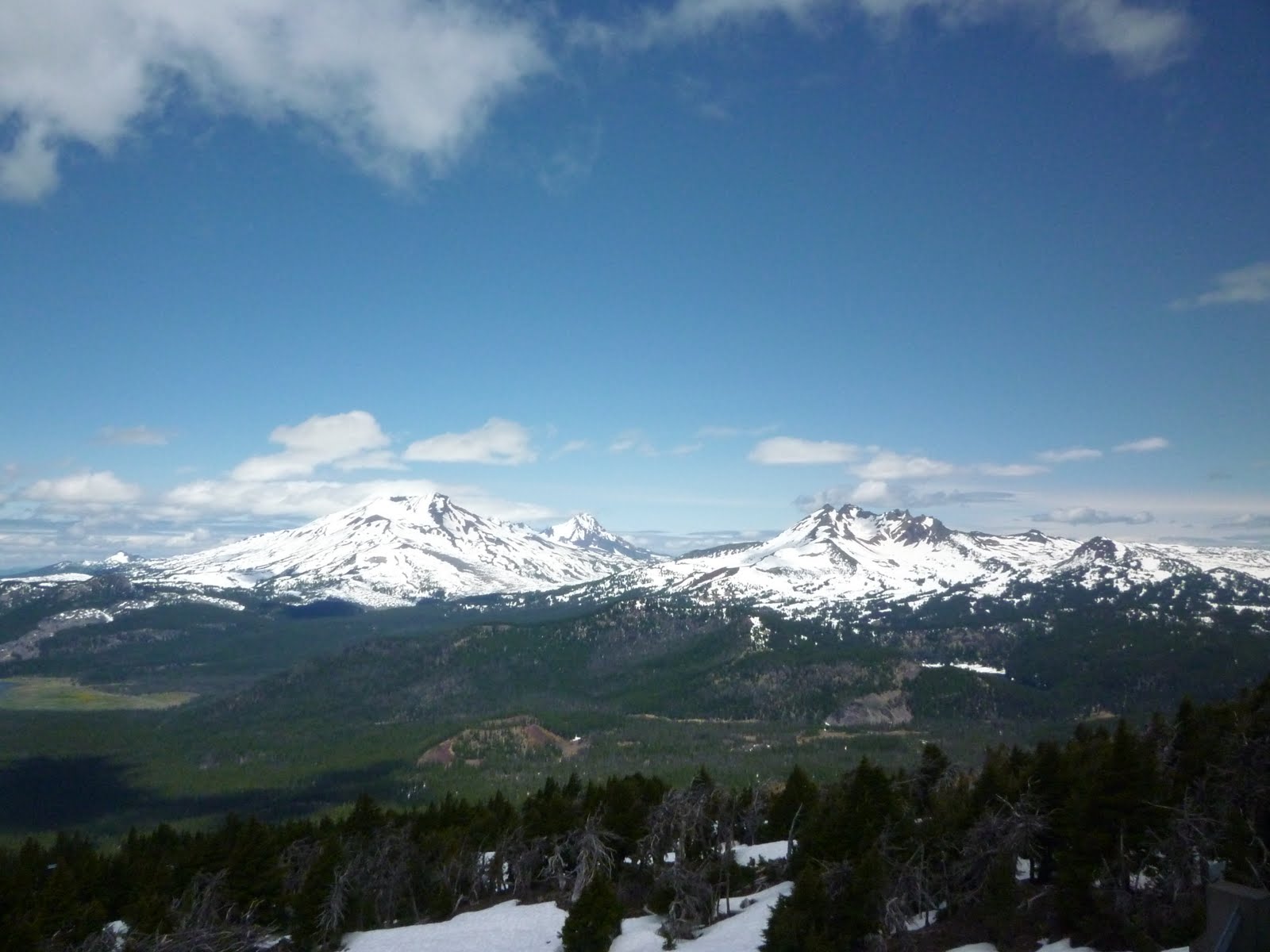
Some of us went up Mt Bachelor on the ski lift and got views of The Sisters and Broken Top. It was 36° up there so we mostly sat in the coffee shop and sipped cocoa.
Aunt and niece on the Smith Rock trail

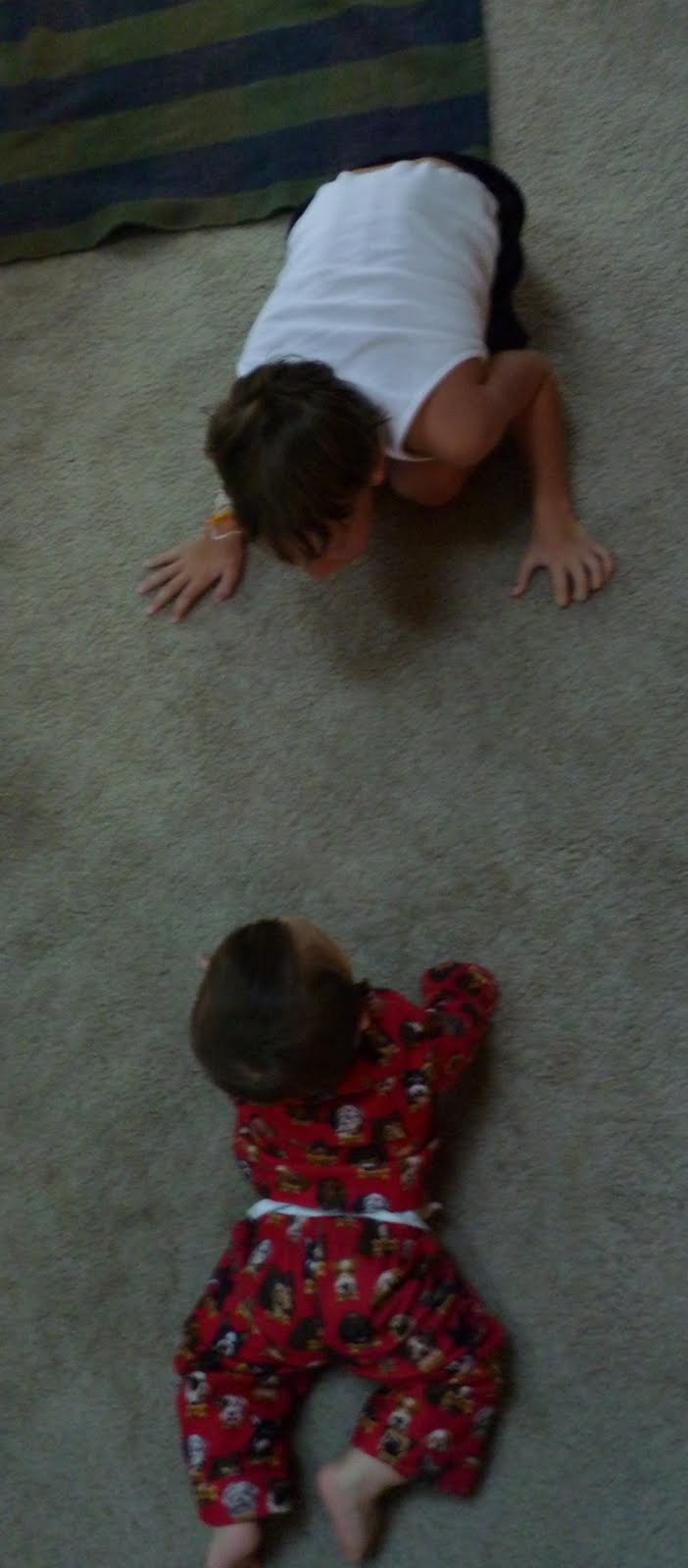
Baby Scout was kept on task learning to crawl by having one or more cousins demonstrating and distracting him from his misery at being on his tummy. He made great progress during those few days, and has now learned that exploring is fun.


I think the next installment in the Oregon series will be the last, and none too soon, for I’m not comfortable being so behind in my reports. New and more recent adventures are always presenting themselves and wanting documentation and analysis. It is well known that I am always willing.

Oregon – Part 2

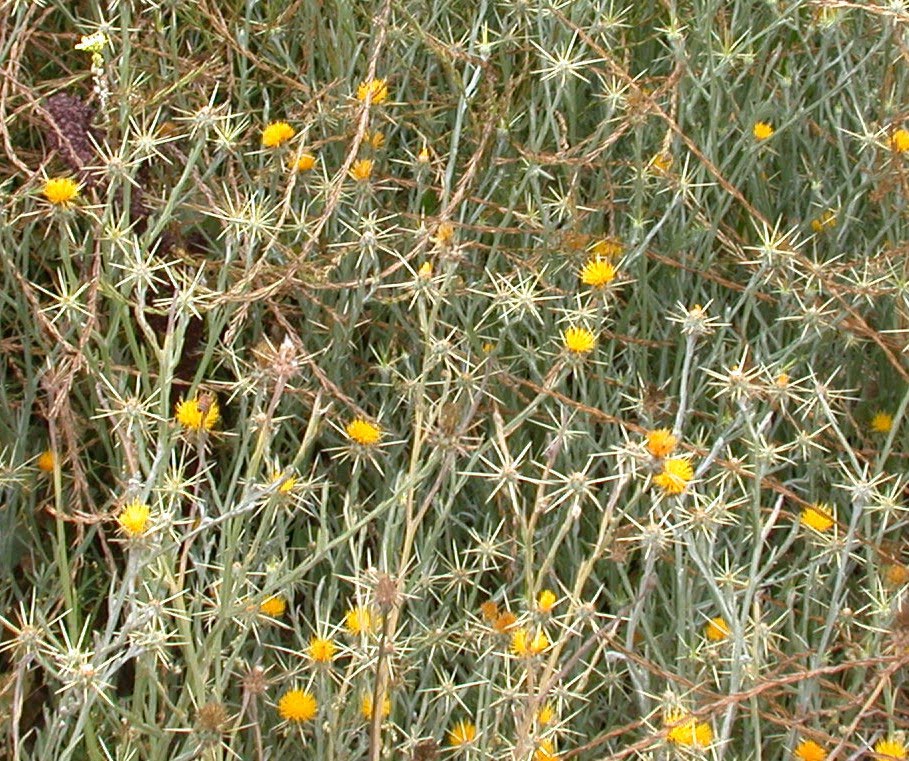
yellow star thistle

Summer isn’t glorious the way spring was, along the track we take driving north. On our way to Oregon the only flower I saw on the first leg of the journey was yellow star thistle, the most unfriendly plant, growing where I’d stopped to take pictures of lupines on my last two journeys. Oh, and buckeye, which I also don’t like. The hills are dry now, and “golden,” or just plain brown.

One plain and pale slope I glanced at reminded me of a drawing I had made in fourth grade, of a dalmatian dog standing in the foreground, with the familiar California foothills baking under blue skies behind him, and no trees to be seen. It got me thinking for quite a while, about how the hills I see more nowadays are peppered with oak trees, and therefore hadn’t connected to that odd crayon drawing that was tacked on a wall somewhere long enough to imprint into my brain.

It was a great relief to get out of those foothills and into the valley where green things are loving the sun and heat as long as they get some of that precious California water to their roots: broad fields of tomatoes, sunflowers and safflowers in long rows, and the plantings of onions still with their flowers waving in the breeze. My heart swells seeing all the lush produce, comforted by the land producing so much food.

And oh! we saw in one huge field an amazing kind of machine, that will save the backs and knees of many a farm laborer. Unfortunately we passed by too quickly to get a good look at it, but it consisted of a couple of tractors, one on each end, slowly pulling a sort of rack, on which several men lay face down, with their hands in the dirt and moving quickly. We think they were setting out small plants.

Oleanders are another kind of flower I enjoyed on the way up Highway 5. When I was a child living in the arid Central Valley, oleanders were pretty boring, but as I don’t see them every day anymore I really appreciate them. There must be many thousands planted along the highways, and they are a delight in all their many reds and pinks and white, looking cheery and hearty in spite of 100° weather.

It was 108°, actually, as we went through the town of Redding, before climbing to slightly higher altitudes. I was grateful for the air conditioning, and thought back to my childhood when we had only a swamp cooler in one corner of the ranch-style house, with the girls’ bedroom at the other corner. When coming indoors after exposure to the wilting termperatures we children liked to wet our faces and stand right in front of it, never understanding why our parents thought this was a bad idea. I first appreciated my grandma’s humor when she wrote me once that she was about to “melt into a puddle of fat” because it was so hot in usually-temperate Berkeley, and when I feel limp in the summer I always smile over this image and her spirit.

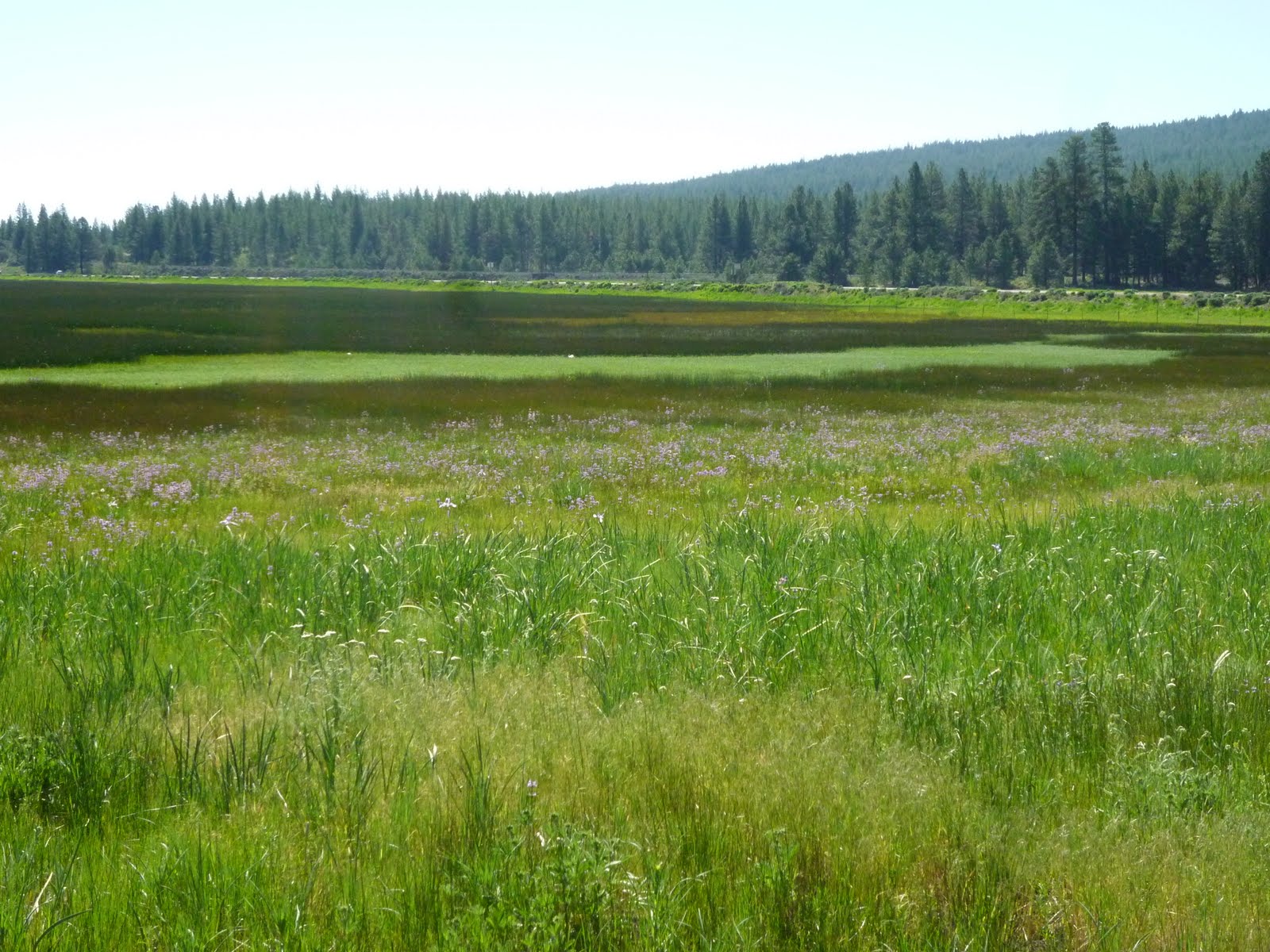
We stopped at Pippin’s house for a night on our way, where the temperature was 20 degrees cooler. The next morning, before crossing the state line, we stopped by Grass Lake, a lush and green place where a hundred gulls were congregating and making a ruckus. In this northeast corner of California you often find landscapes like this with layers of color and texture created from sagebrush, conifers, and wetlands. It all makes an ever-changing feast for the eyes. But in less than an hour we will be in Oregon–finally! More on that soon.

Oregon – Part 1

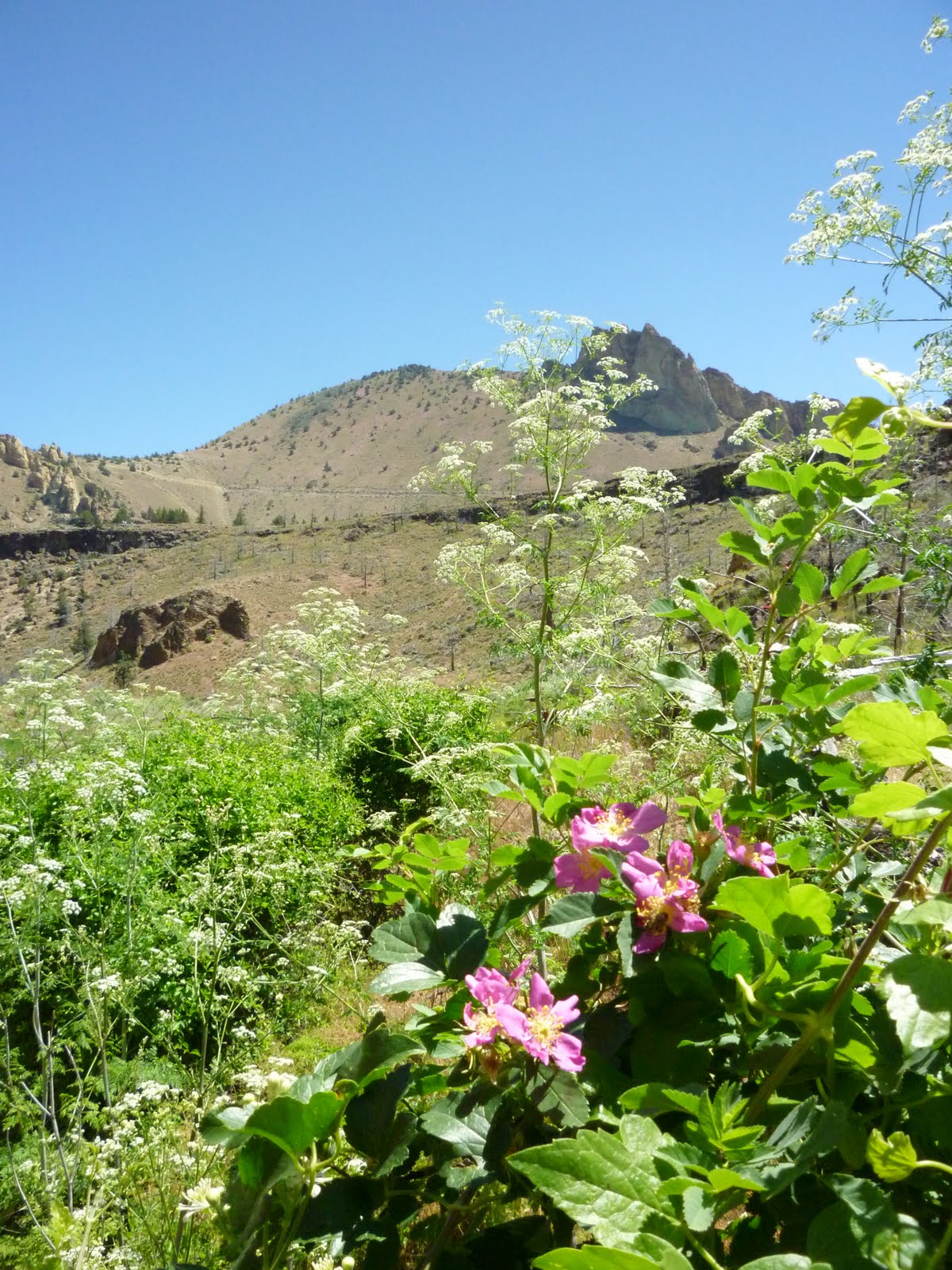
The aroma of corn tortillas fresh off the griddle filled the air around the warm rocks that rose jaggedly above the Crooked River. No brown-skinned woman was bending over a fire anywhere in the vicinity, but my grandchildren were wading in the shallows, above which billows of lacy white flowers swayed in the wind that puffed through the canyon. I put my nose in the flower clouds and sniffed; the delicious smell was coming from them, pictured here with wild roses.

It was just one of many richly faceted scenes from the last week, which Mr. Glad and I spent with several of our children and grandchildren in ever-changing groupings as individuals came and went as they were able. Oldest daughter whom I will nickname Pearl, and her husband and four frisky kids (who often are also lambs) flew from the East and rented a house big enough for a passel of kin, in central Oregon.

During the week at any given moment you might have found two or three, or nine or eleven, GJ relations lying on couches or in beds reading, or learning from Grandpa how to play cribbage, flipping pancakes for the whole hungry tribe, or bicycling around the neighborhood that was vast and strangely accessible for being strange. The older children could ride to the store for a gallon of milk and take the opportunity to pick up a bag of candy, too.

blue flax

This is a high and dry country, so our vacation house sat at around 4500 feet elevation. The spectacular Smith Rock was not far away, where I enjoyed the flowers like this blue flax, and white yarrow, while several of our boy-and-menfolk hiked a figure 8 up and around the rocks and got views of a string of long-spent volcanic peaks, usually with lots of snow still frosting at least the tops, up and down the Cascade Range.

I’m pretty certain that the aromatic flowers were of Poison Hemlock, Conium maculatum, in the carrot family, of which the Oregon Dept. of Agriculture says,Several deaths of livestock and humans are attributed each year to this species.”

To be continued.