 Nine of us sat down one day in a very popular restaurant where everything looked clean and spiffy, even the classy uniforms of these waiters who were in abundance to meet our needs. Kate’s (American) Indian friend who was visiting from Saudi Arabia brought us to this place because they had the wonderful South Indian food, different from the Punjabi fare you typically get in the U.S., they say.
While we began to look at the menus, glasses of water arrived on our tables — but were sent back to the kitchen immediately by our host with instructions to bring us bottled water. The glasses were removed, and a couple of liter bottles were brought. The same glasses came back, having been emptied but with drops of water clinging to the insides.
So all our party without comment grabbed paper napkins and began drying the glasses thoroughly, after which we filled them with the good water. Maybe the restaurant water was good, too, but who knows? Water quality is one of the things critical to health that is not reliable in India.
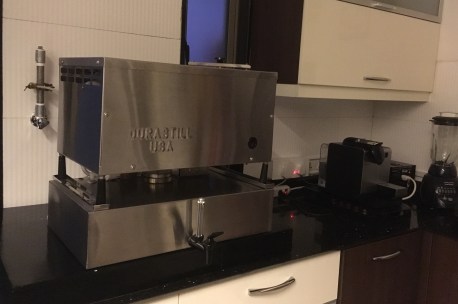
In this household we have a large distiller with a tap from which we take all of our water that is used for cooking, drinking, and teeth brushing. For a month I have been practicing not doing the thing I’ve done once or twice a day my whole life through, to the point where I don’t think about it at all: Turn on the faucet in the bathroom and wet my toothbrush. Now I have to think about it with all my power, and be methodical and slow. So far I don’t think I’ve forgotten, in the bathroom. Then there is the kitchen. Even though the distiller is right there, I have once or twice begun to rinse vegetables in tap water at the sink.
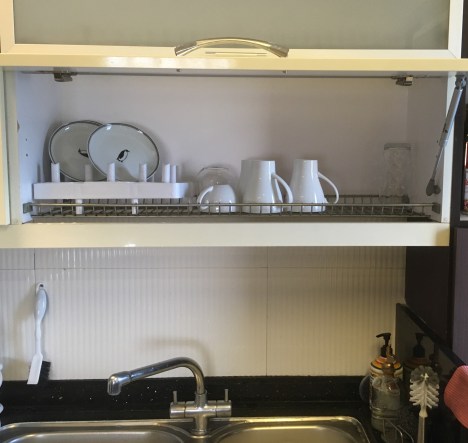
Talking about washing things, we do wash dishes in the sink with that common water, and use them again when they are dry. The kitchen here has one of those handy drying cupboards above the sink.
Breathing is a human activity even more fundamental than drinking, and I have always had a generally healthy respiratory system, and have not stopped breathing without thinking, or comfortably. But if you have asthma, it would be best not to live in Mumbai or Delhi.
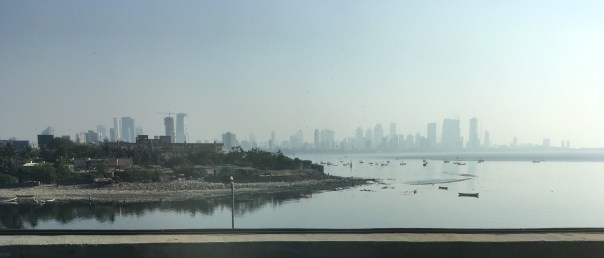
For most of my stay the air quality has been typical for wintertime when there are no monsoons to wash the air — that is, the worst. My first week here we took a little trip to the Bandra Fort area where you can look across Mahim Bay to see South Mumbai on the other side of the causeway. Sometimes, but not that day. Tom found an old photo to show the contrast with last June.

I got my own view of South Mumbai across the bay last week, and it was middling.
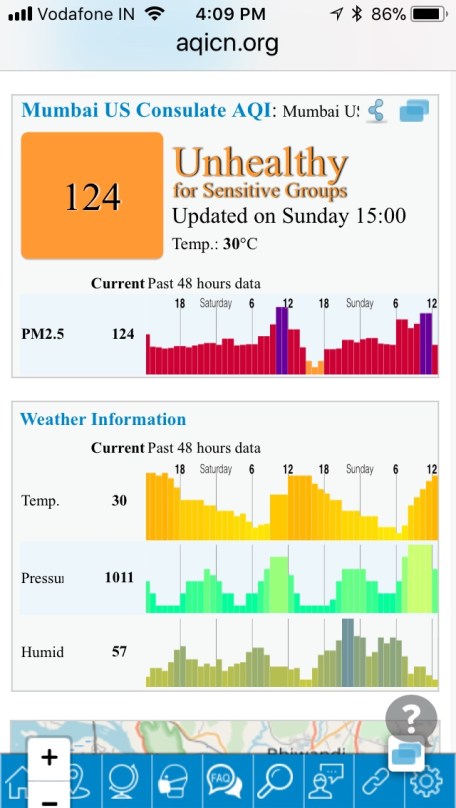
I’d guess the air pollution is the worst thing about living in Mumbai. Heat and humidity are forces to be dealt with, but they are not unhealthy in themselves. The particulates in the air cause respiratory illness and worse. Most days when I see it the Air Quality Index is between 100-200, but a few times it’s been under 100. This site www.aqicn.org starts you in India, but has a search tab that makes it possible to compare various cities of the world that use that particular formula and guide. Here is one of the pages pertaining to Mumbai showing real time information this afternoon when I am writing.
If you haven’t had to be aware of the AQI where you live, you can be thankful! Many Indians who live in Mumbai have their head in the sand about the situation and call the white skies “fog” — because what can they do? In Delhi, where children have been seen throwing up out of school bus windows and schools must close on the worst days, they can’t so easily ignore the realities. I haven’t seen anyone wear a mask, and I haven’t worn the cute one that Kate provided for me as a good expat host must do here. But then, I am not out and about for more than a few hours at a time. When I am, I notice my eyes burning.
In the apartment we have several air purifiers, so we don’t suffer while we’re home. Air conditioners keep the temperature down, and dehumidifiers reduce the moisture in the air that would cause everything to get moldy during the monsoon especially. Even in this dry season, the one in my bedroom sometimes collects a gallon of water in less than a week. These helpful machines collectively emit plenty of white noise, which people living in cities usually count a good thing.
The difficulties of air and water were some of the stresses I was anticipating coming here, but I have suffered little, for which I am very thankful. Water and air — what simple and delicious blessings they are!
 Along these lower creekside paths in my neighborhood, maintenance vehicles may drive when they are taking care of things. Recently I had seen one down there that didn’t look very official, an unmarked white SUV, just parked, with no crew around, and I wondered… who? Yesterday I saw it again, driving slowly along, then stopping, then creeping forward, and then at one pause a man got out, and I backtracked so I could talk to him across the channel, as he was lifting away a dead branch.

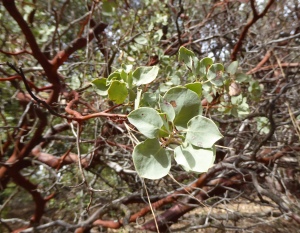
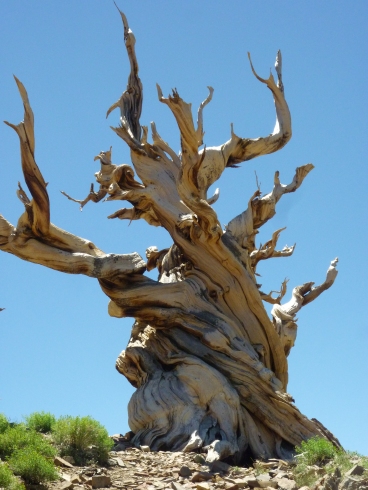
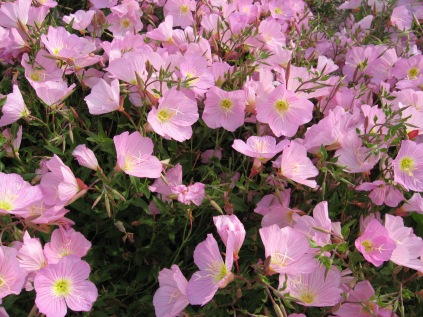
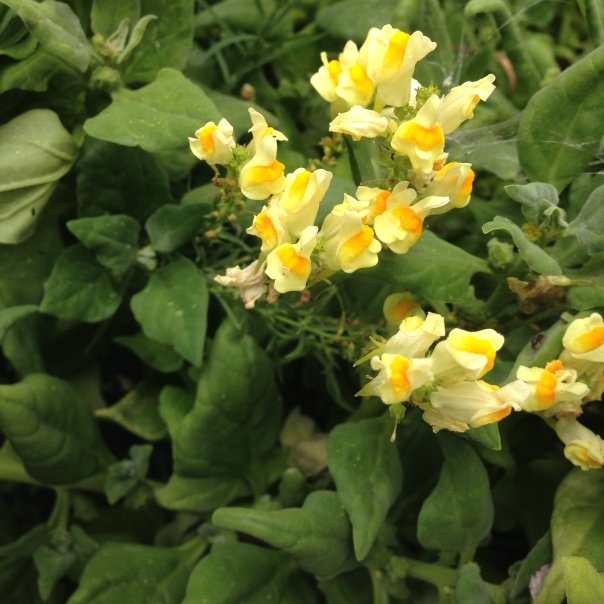
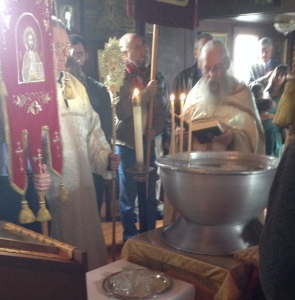
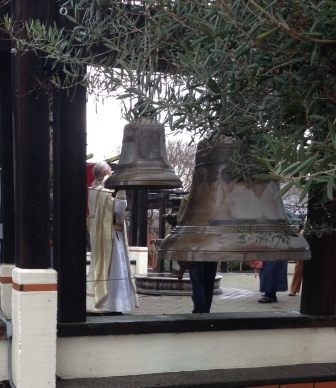
 s has recently been well watered by rains that we acknowledge to be gifts of God, so it seemed this week that all of nature was participating in our celebration of the baptism of Christ.
 Gladsome Lights