My sister joined me at the cabin on Saturday afternoon (This was almost two weeks ago now – I have been writing these reports from home); it was the first time ju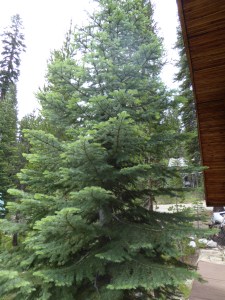 st the two of us had spent any time together as long as we can remember – maybe since our younger sister was born! We didn’t have any real adventures, but we had a lovely time.
Unless you count losing our power as an adventure, but we are used to that. The cabin is off the power grid, but we have a solar collector and batteries that usually provide enough electricity for lights.
We were brushing our teeth, getting ready for bed, when the lights went out on Saturday night, and we never got the system going again. We think the batteries may need replacing. So we used lanterns and flashlights, and two dim gas wall lamps. The refrigerator runs on gas.
We read on the dec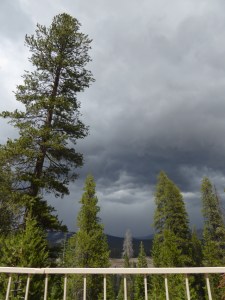 k, until we got too hot, or too cold, or too sleepy. We cooked lots of vegetables, and Sister barbequed enough steak to make me happy for days to come. We talked about our favorite trees around the cabin, two of which I show here.
Storm clouds gathered all day Sunday, and we watched them eagerly, hoping some moisture would fall out, and in the late afternoon it finally did. Immediately the fragrance of the conifers and the duffy earth rose up and all around us and we felt better about everything. The trees were happy and able to exhale and share their essence again.
Monday I spent the whole day combing through the Sunset Western Garden Book and some books from the library, picking out the most flowery drought-tolerant plants that would attract bees, birds and butterflies, and making lists to prepare myself for an upcoming meeting with a landscape designer. She will help me with my garden at home, once the pool is gone and I am left with a vast dirt canvas on which to paint my garden art.
I know, that was a little odd — you’d think I should have been focused instead on nature’s glorious garden all around me. But it helped me greatly to invest some time in that landscaping project so that my mind would not feel as chaotic and overwhelmed as my yard looks right now. The mountains were a restful place where I would not be distracted by any environmental mess.

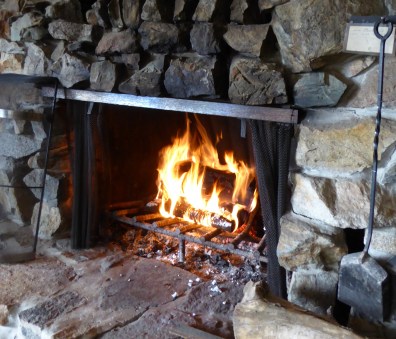
My sister an d I collected firewood from the stash under the cabin deck, and pushed and pulled it up the hill in a cart, to build our magnificent fires. She built one, and I built the next.
We read, and talked about our reading, and planned our next sisters cabin retreat, which will include all three of us at a different cabin in October. This place will be closed down by then, to protect it from the snows, which we pray will be heavy this year. Sometimes the cabin is completely covered in snow, just a bump showing under the white blanket.
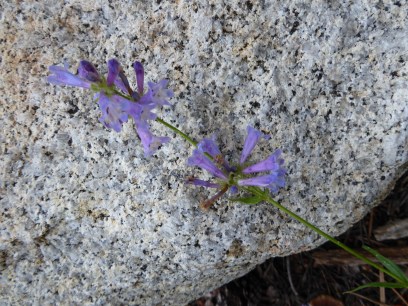
The storm clouds had gathered again that day, and serious rain began to fall in the early afternoon, and continued all day and night. We were gleeful, as if our own skins ha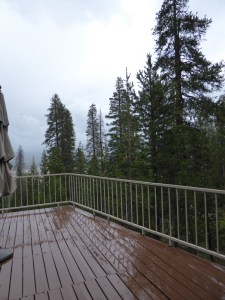 d been shriveled and were now plumping up again. We tried to take pictures of the wet skies. On our way to the firewood pile between showers I took a picture of the most common wildflower at the cabin right now, a tiny drenched penstemon.
Too soon it was the morning of our departure. It was certainly nice to have someone to work with, turning off the water valve and getting the cabin tidied up for the next family members who visit.
Once again, I departed late, but I didn’t expect to feel the need to take pictures on the way down, as I had done so much of that on the way up. I was really surprised therefore when the one-hour drive from 8,000 ft to 5,000 ft elevation took almost double that amount of time.

Now that I’m back home, I’m very glad I did stop a lot on that curvy road flanked by layers of wildflowers. Using my several wildflower guides I have identified three new flowers that I didn’t know before, or that I had wrongly named in the past, just from that morning.
The Meadow Goldenrod was popular with the bees. I had seen it in the meadow with the cattle on the way up, but here it was growing along the roadside.
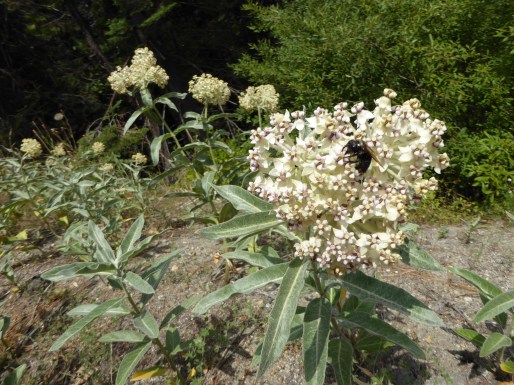
Another plentiful flower along my course was milkweed. Like the goldenrod, it has a hundred miniature flowers making up its clusters, and the insects were feasting on nectar there, too. I think this one is Indian Milkweed, asclepias eriocarpa.
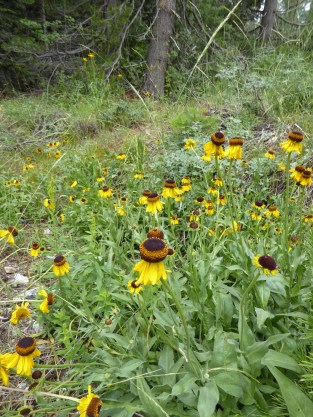
Years ago I had mistaken this next flower for something else. It is Bigelow’s Sneezeweed, which is an ominous name; one can imagine how it got that title. The blooms I saw were pretty far spent, but easily recognizable — and I actually was set straight on this one while perusing a guide from the cabin library.
So…the rain is blessing the forest, and the bees are blessing the flowers, and the flowers are blessing the insects with nectar.
It is comforting to remind myself of these things that were going on under my nose. At the time, I was hurrying down the mountain, to Pearl’s house, to get a granddaughter to take home with me. That will be the next chapter of my summer story collection.
 The homesickness that always comes on in advance seems to be even worse these days. I did not want to leave what feels like my soul’s safe place, and it took me all the next morning to drag myself away. The sun was high in the sky before I got on the road, but from then on I was the Happy Wanderer. And I didn’t get lost, at least not very soon.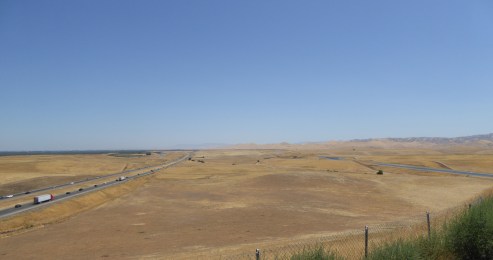


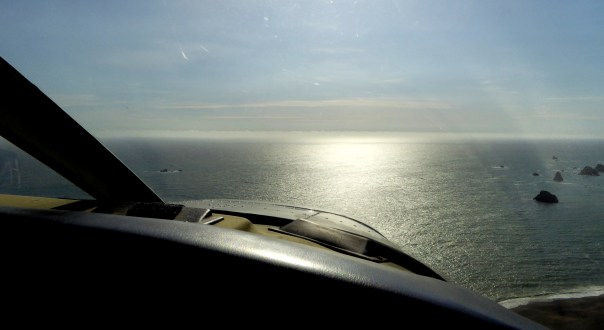
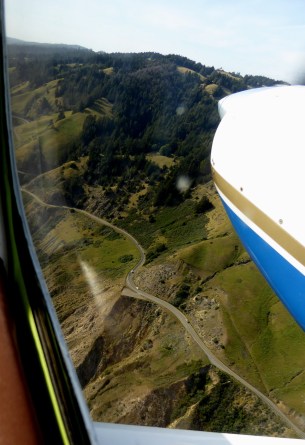
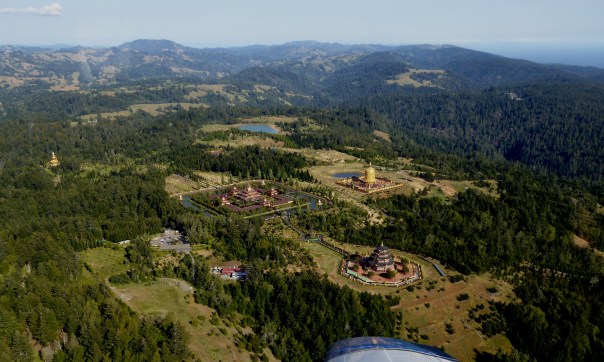
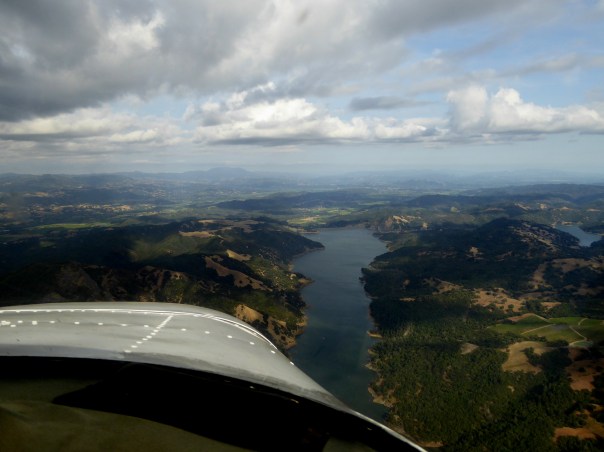
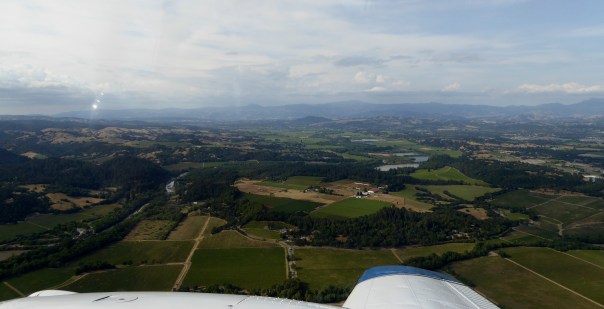 About twenty years ago my son and son-in-law were both learning to fly airplanes, and after they were qualified they offered at different times to take me up flying with them. I declined, I think because there was usually someone else more eager on whatever day they asked, when I didn’t feel relaxed enough to appreciate the experience.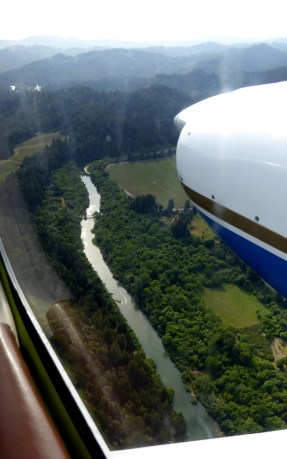


 Gladsome Lights