Tag Archives: North Coast

Coastal Botanical

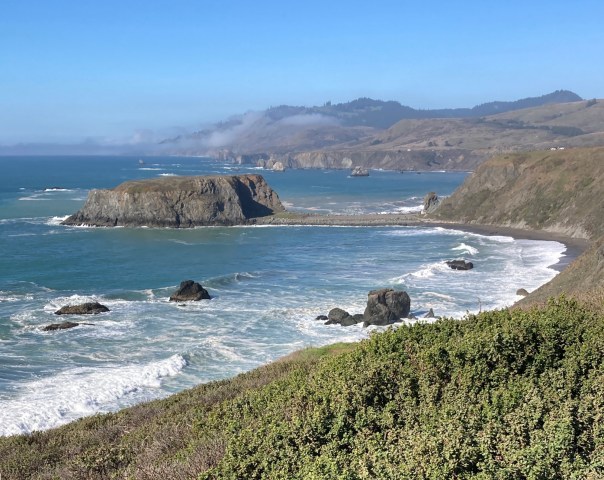
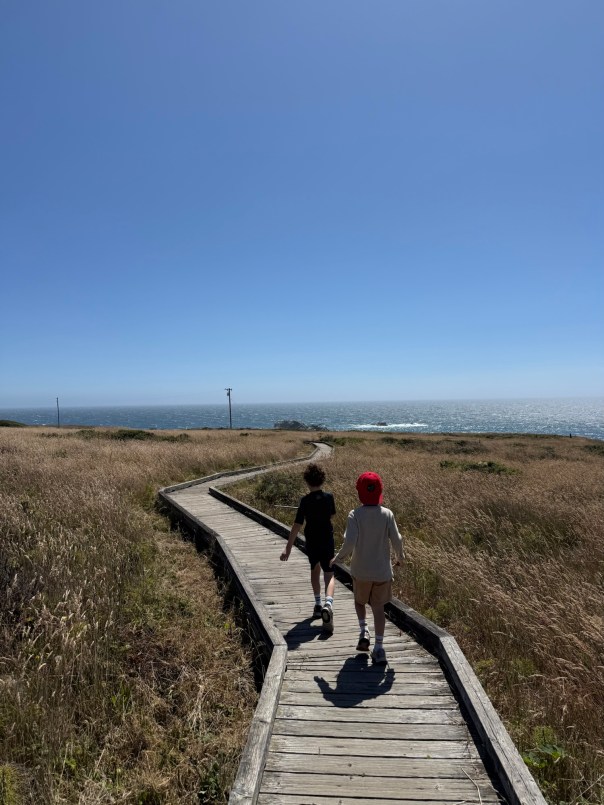
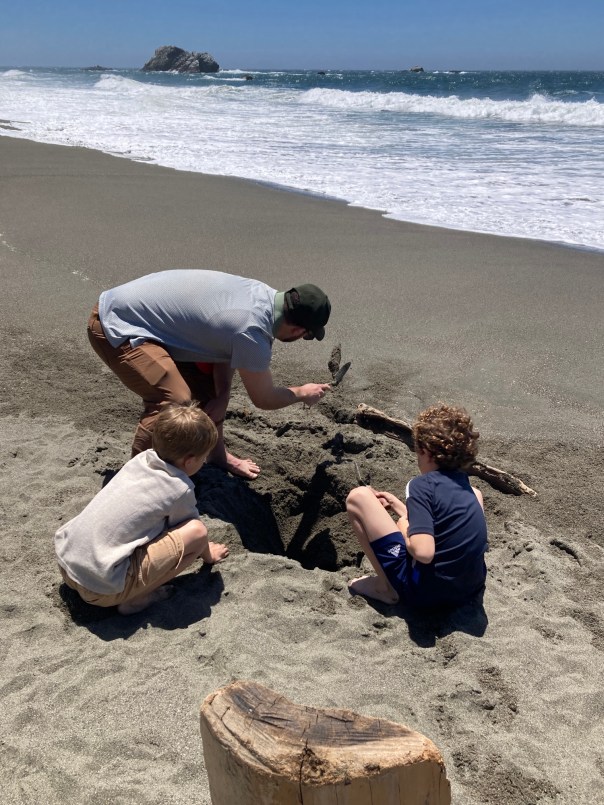
Son “Pathfinder” came from Oregon to see his sister Kate’s family, and we six packed into his truck to drive out to the coast for the day, to hike along a ridge trail and also picnic on the beach. As usual, I lagged behind half the time, making discoveries every few feet of interesting grasses and flowers, and trying to learn or remember their names.
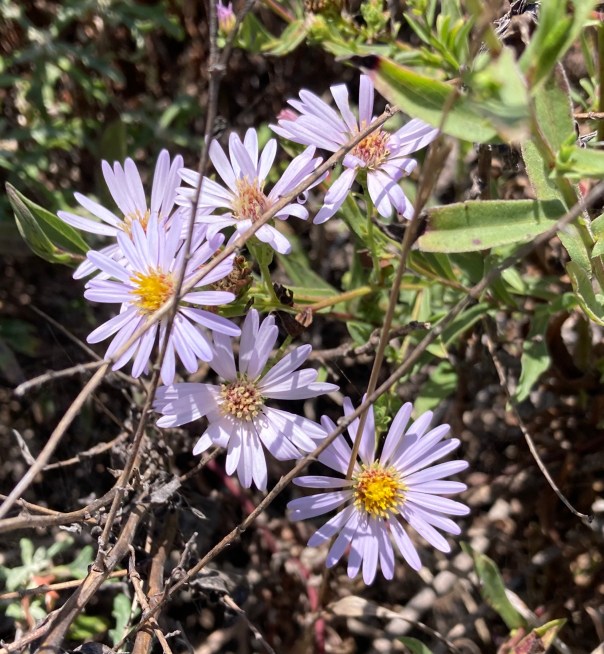
California Aster a.k.a. Pacific Coast Aster

The wind was blowing up on the bluffs, but on the beach the air was still, and Kate was able to slice cheese in her lap and pass it around to the rest of us with nary a grain of sand involved.
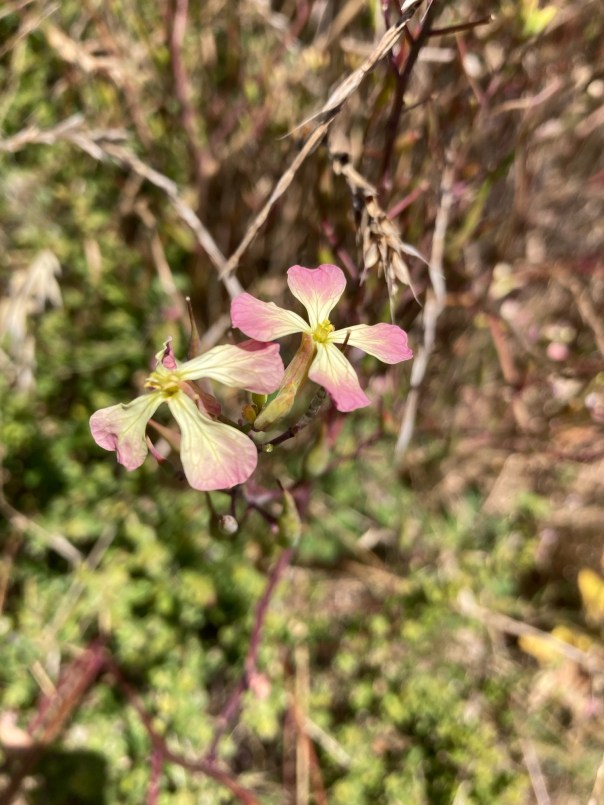
Black Mustard

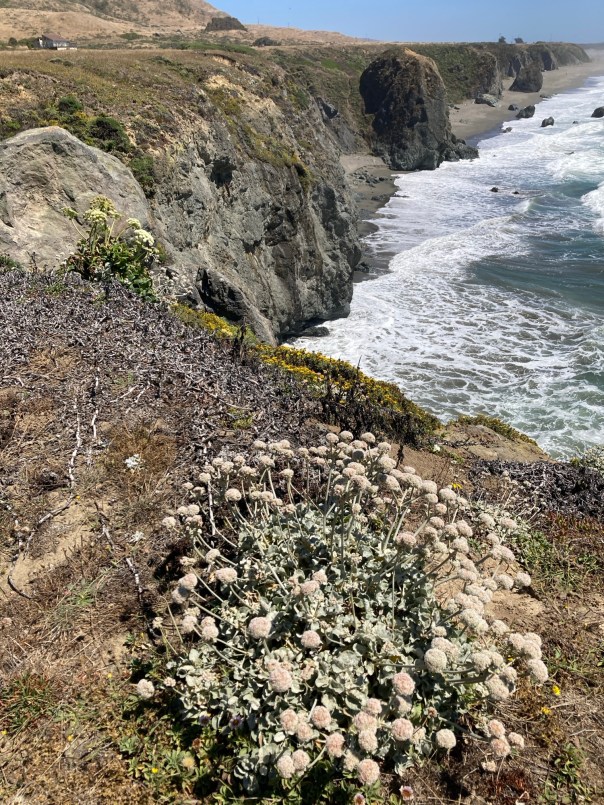
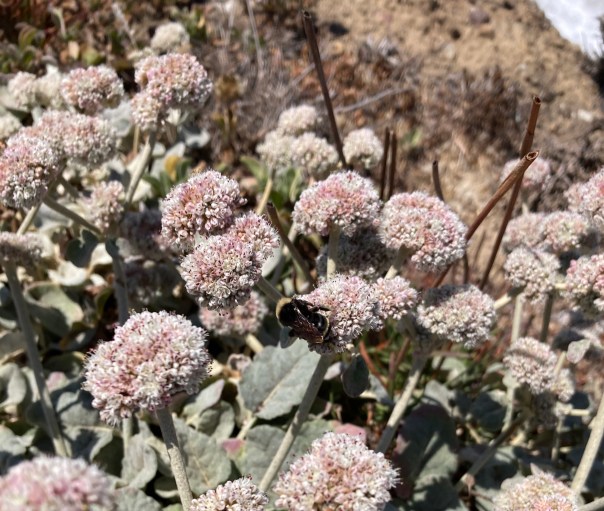
I’m showing several instances of Coastal Buckwheat, one of my favorite plants, with blooms more or less faded from the original pastel pink. It just now occurs to me that one reason I love it may be that those gray and pink colors were also featured in my grandma’s bathroom when I was a child. The bees appreciate it for their own reasons.
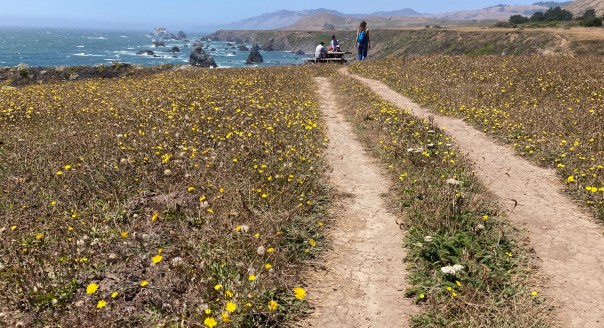
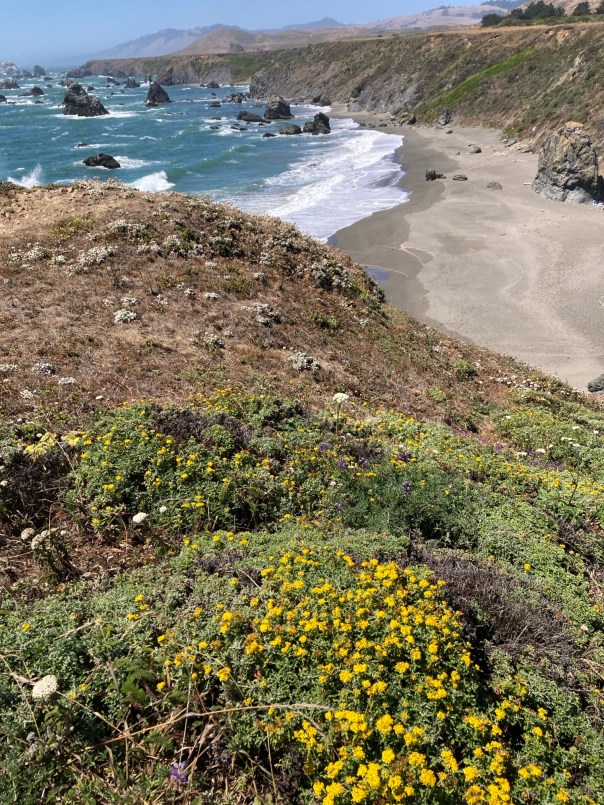
Below, a mixture of catsear and lotus combined to create a carpet of yellow:
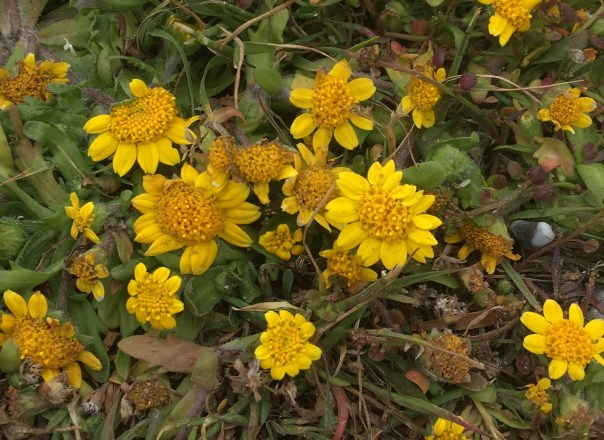
Another contributor to the sunny tone was the Seaside Woolly Sunflower:
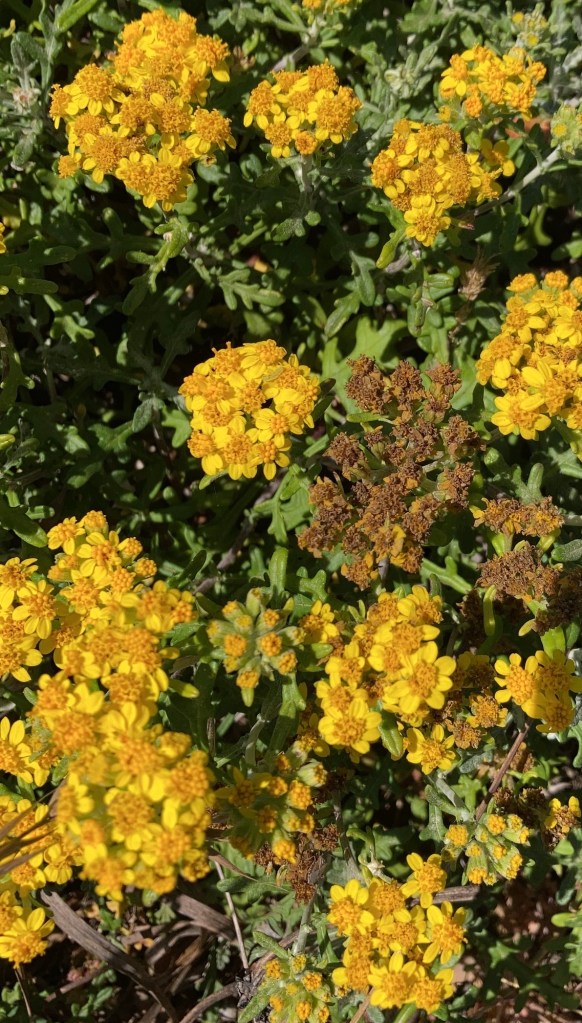
Seaside Woolly Sunflower

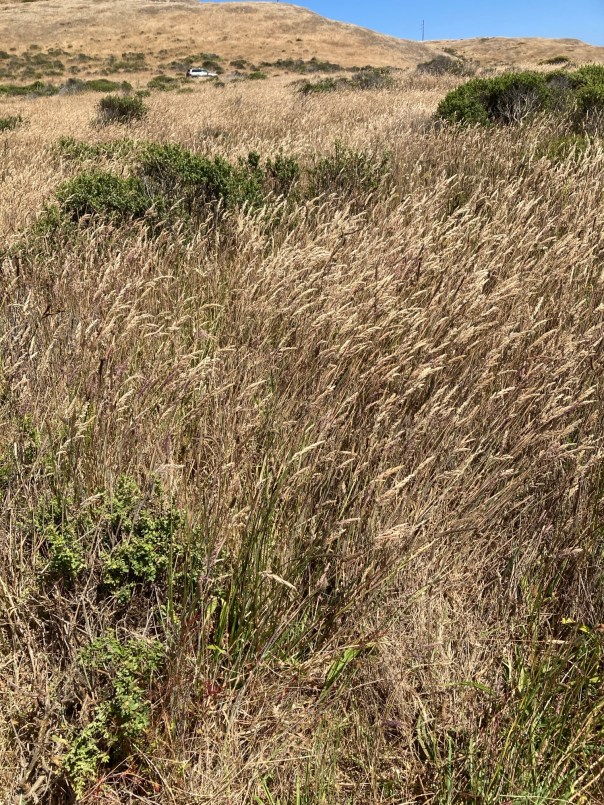
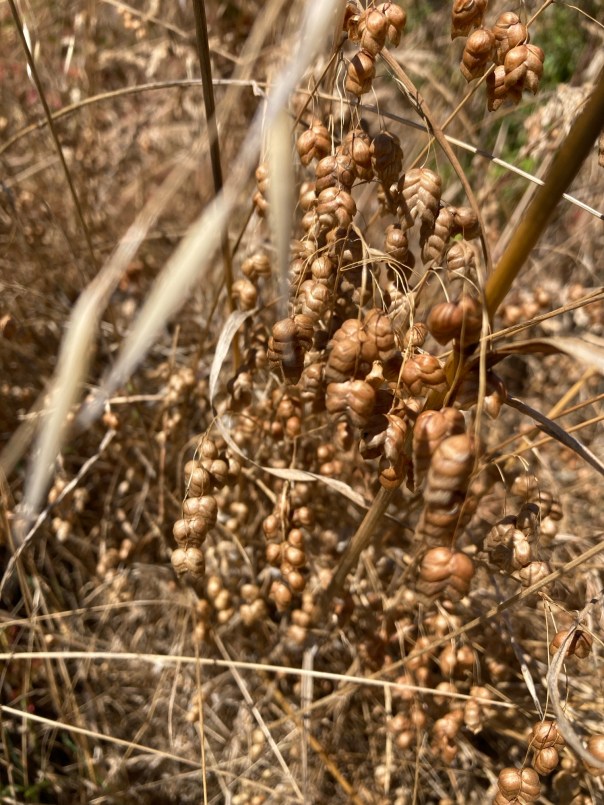
The grasses were swaying back and forth in the wind — European Marram Grass, my Seek app told me — and my favorite Rattlesnake Grass was abundant.
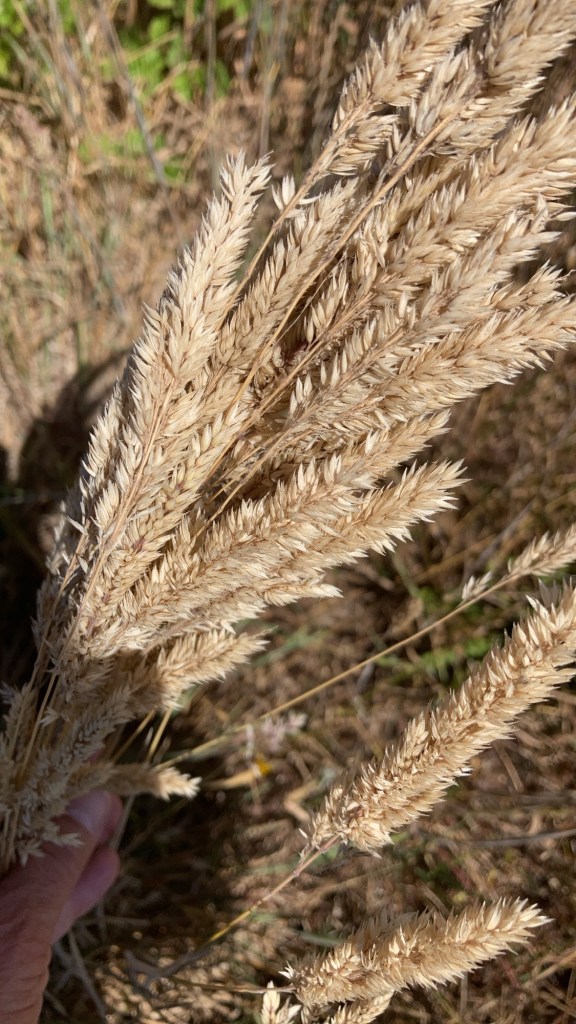
European Marram Grass
Rattlesnake Grass

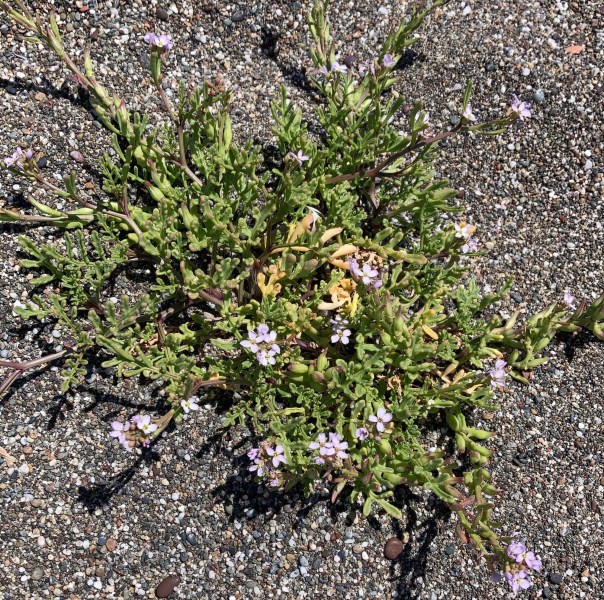
European Searocket

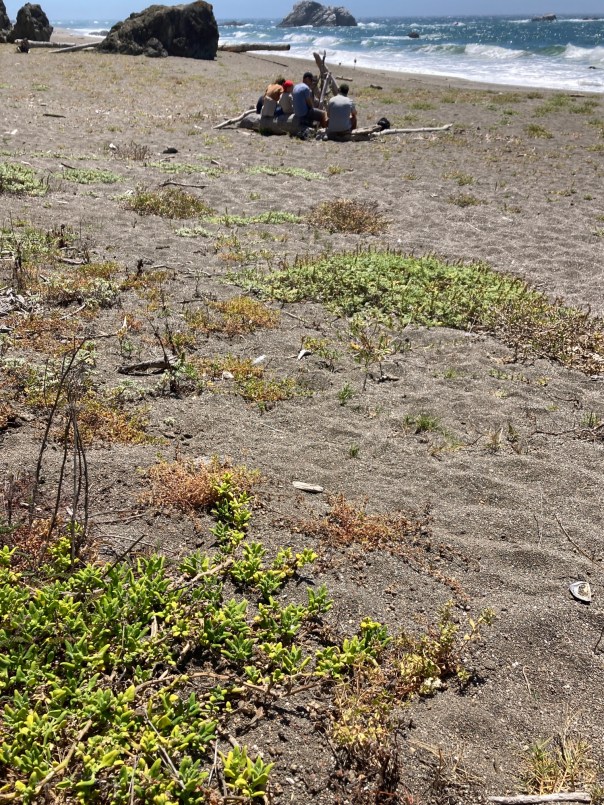
To eat our snacky lunch, we gathered around a minimalist and rickety teepee someone else had built, because there was a nice log beside it that seated five nicely. In the foreground here is Tetragonia tetragonioides, which I’ve always known as New Zealand Spinach, but the actual New Zealanders usually call it  warrigal. There’s a better-watered specimen of this plant that keeps volunteering in my backyard garden:
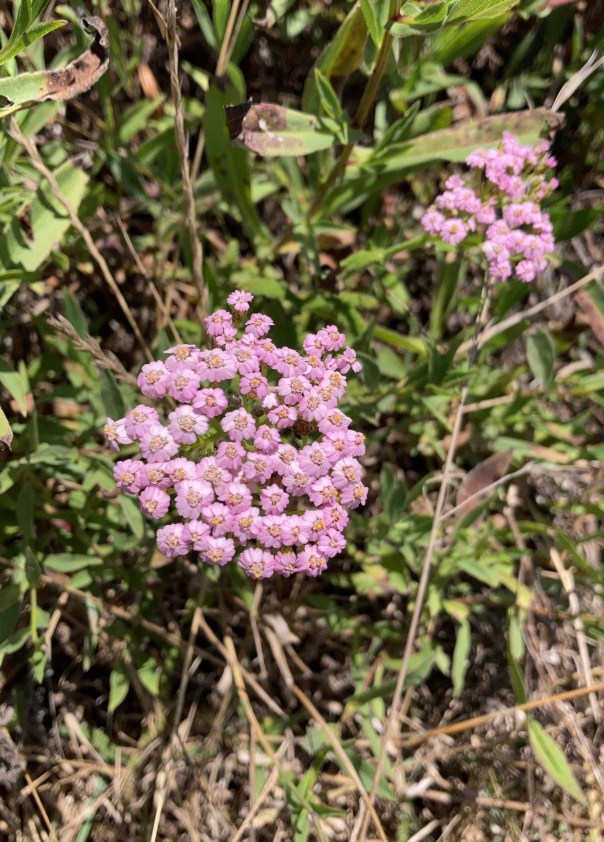
A pink sport from the usual white native yarrow.

Pathfinder patiently discussed with me ways to tell two members of the Carrot Family apart, plants that grow in a similar habitat and that I’ve repeatedly mixed up over the decades. He noticed the different leaf shape and type: Cow Parsnip has large, deeply toothed leaves:
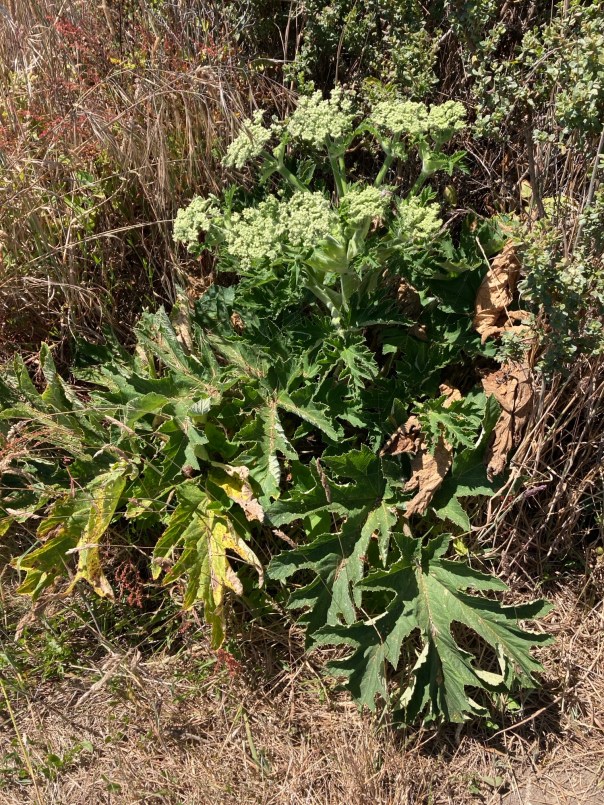
Cow Parsnip

…while Angelica — in this case Henderson’s Angelica — has pinnately compound leaves.
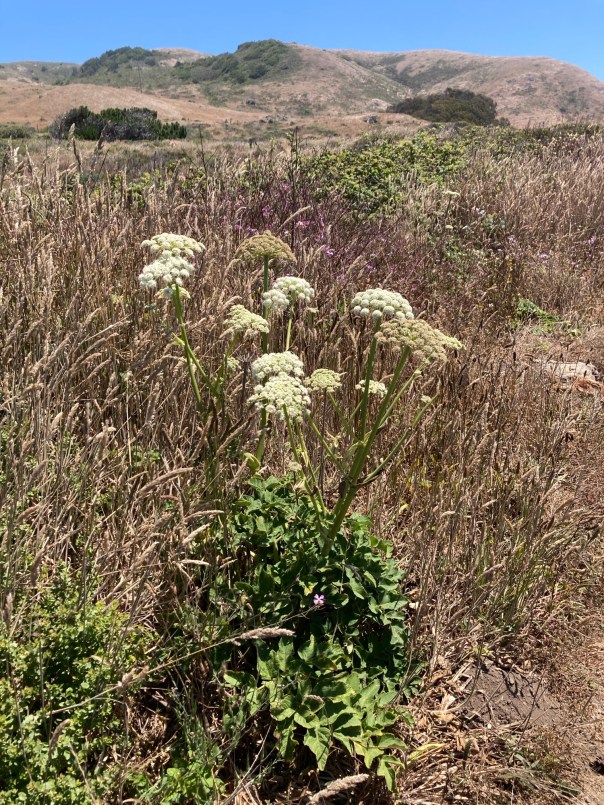
Henderson’s Angelica

Their flowers aren’t exactly the same, either, and there are other differences. Once I saw the two plants growing right next to each other; that helped, for a time. Unfortunately the Seek app that I use a lot does not have a search feature; but if it did, I would probably be even more distracted from enjoying the plants themselves. So I guess it’s just as well.
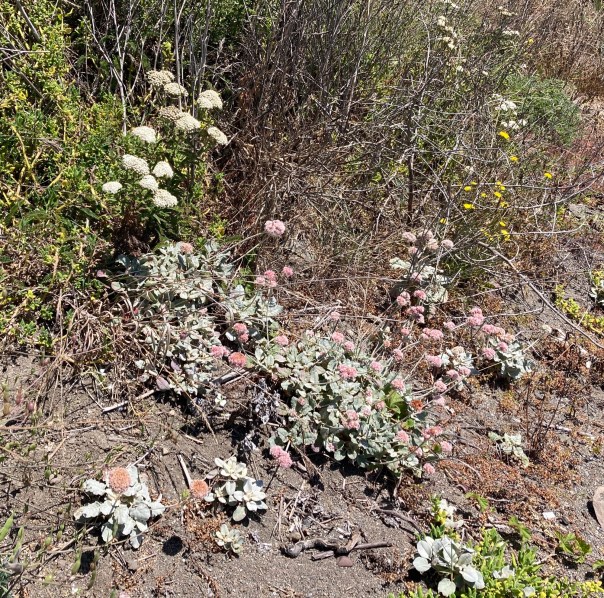
Coastal Buckwheat with yarrow and more.

It was a very satisfying outing, even if several of us did get sunburned. That was opportunity to take advantage of a backyard botanical: my Aloe Vera plant, the leaves of which we peeled on one side, revealing the gelatinous interior, which we applied to red arms and neck. Oh, so soothing.

Our whole crew slept well that night!
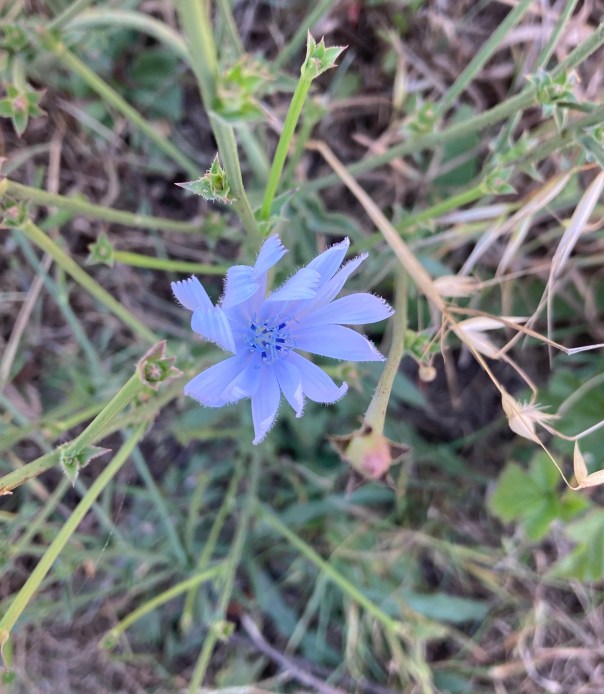
chickory

From seals to snapdragons.

On Saturday I drove my out-of-town friend to the coast. We have several times made this trip when she is visiting her family for Thanksgiving. The weather was forecast to be sunny all day, which we received as a wonderful gift, though we are used to fog out there at any time of the year.

When we arrived it was truly a gorgeous day. No wind, and plenty of sunshine and blue skies. The long road to the parking lot next to the beach was closed to cars, with no explanatory signage. Maybe it was because of the king tides still happening, which make these already dangerous beaches even more so. But we were allowed to walk down, which just gave us more good exercise coming back, so that was okay.

Only about two dozen harbor seals were lying by the mouth of the Russian River. But throngs of gulls were coming and going above us, and then making a racket as they swam in huge flotillas of white specks on the river, the whole scene sparkling.

Suddenly, the fog arrived! Unexpected, but not surprising.
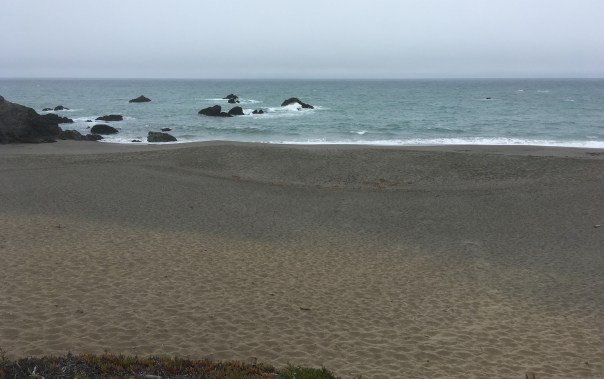
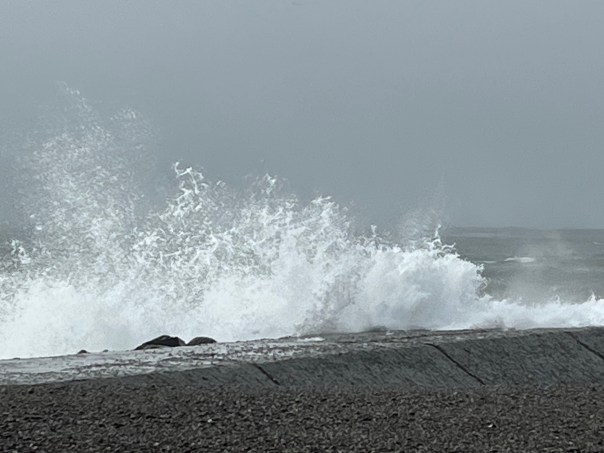
That’s how it goes on the North Coast.

After watching the seals and gulls for a while longer, Mother S. and I began our long, slower this time, walk back up to the car, and our long drive home again. We were well satisfied.

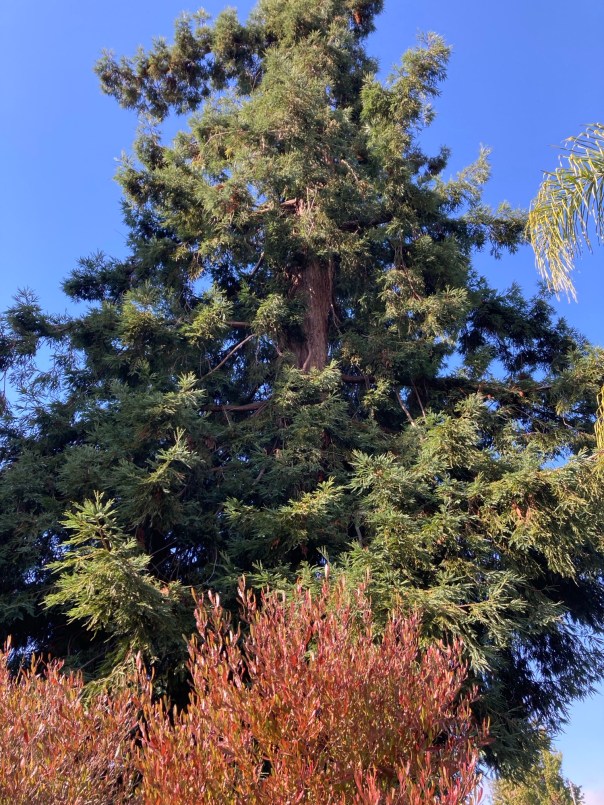
Moving on to this morning… When I was adding water to the fountain I heard a woodpecker up in the redwood tree in the neighbor’s yard behind mine. I rarely do hear those birds around here so it was a pleasant encounter, though I couldn’t get my eyes on him.

I did see a hummingbird checking out my new abutilon that is in a pot; I wonder if that is a flower that actually offers any drink to the hummers? Seems like they would have to fly upside down while drinking…

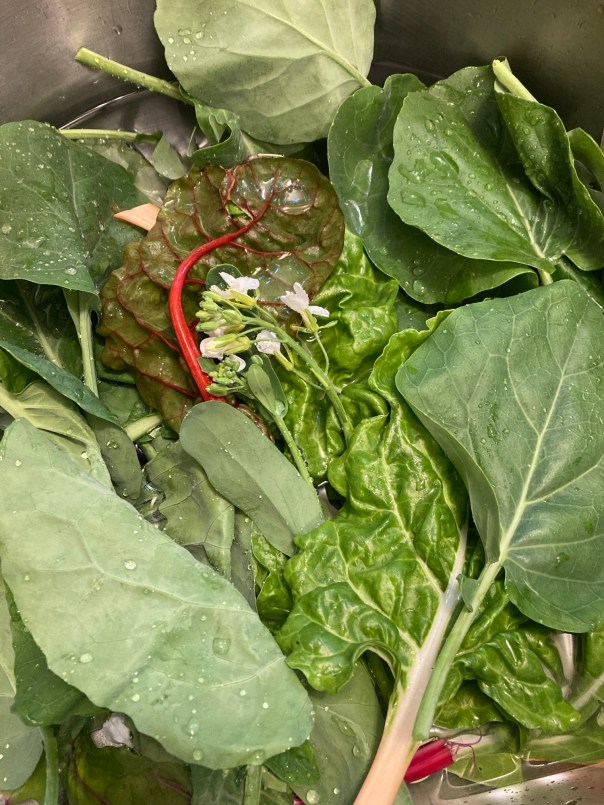
Today I cooked up the first batch of greens from the planting by the driveway. It’s convenient having them growing there, because I notice them at least several days a week when I get in and out of the car. These I picked Saturday morning, and stuck them in the fridge to wait a couple of days. Yum! The flowers are on either the Chinese broccoli or the kalettes; I got them mixed up. But they taste good so they went into the pot, too.

When Pathfinder was here he was looking at my olive trees that are growing in pots. One of them he gave me fifteen years ago, and the other I bought in a little pot at the grocery store a couple of years later. I also got them mixed up, because after years of careful pruning, they have the same shape, which they didn’t at first.

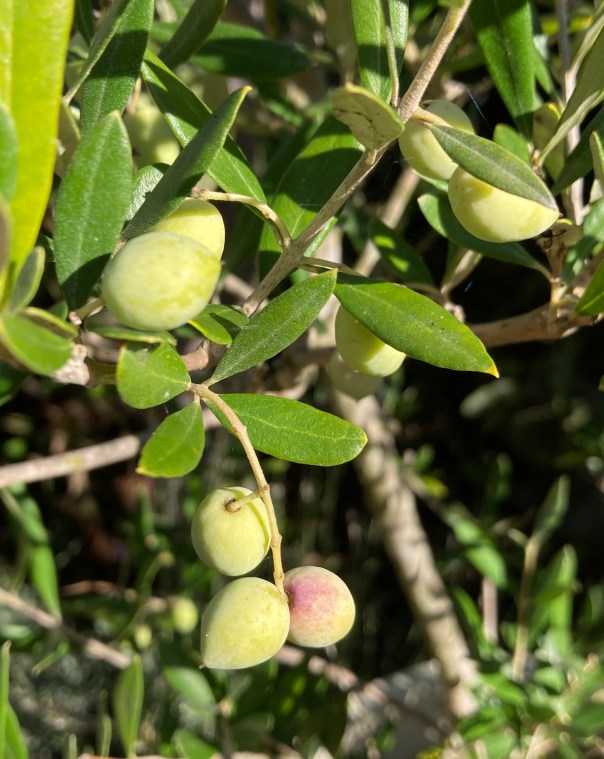
Pathfinder asked me what type of olive I had bought for myself, and I said it started with an “A.” That would be an Arbequina, he told me. And he knew that he had given me a Manzanillo; then he pointed out the different shapes of the olives that are right now on the trees. He knows the Manzanillo, which is this one with pointier fruits:

Which means that the Arbequina is this one:

I never noticed the difference before! They are on opposite sides of the path from each other, so I don’t see them closely at the same time. That’s my only excuse for my inattention, but it saddens me that I don’t know my beloved trees very well. Pathfinder cures olives, so he has an eye for them. And now I know them better.

The last unripe fruits to show you are my pineapple guavas. Last week I harvested six ripe ones from the ground under the bush. Today I searched, but no more had fallen, and even the largest of the hundreds still hanging on were hard. Probably few if any more will come of age; their mini climate is just not ideal for them.

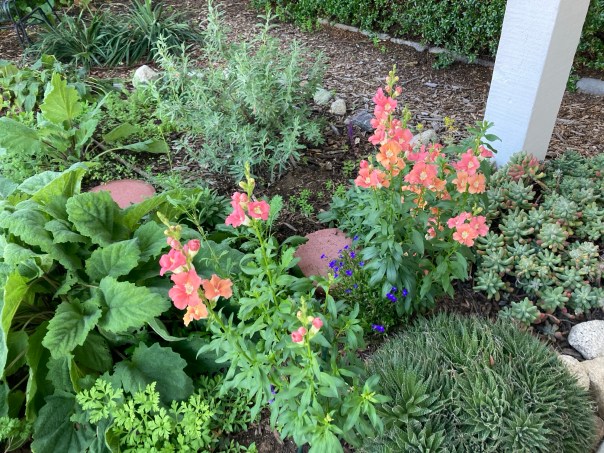
At least the snapdragons are being beautiful along the front walk.

This week I’m joining quite a few people in the parish for a Thanksgiving dinner in our church hall. I’m bringing a large quantity of the famous Orange Yams, adapted from my mother-in-law’s recipe. I see that I’ve never shared that recipe here before, so I’ll try to remember to take a couple of pictures to go with a recipe to be posted later.

December is almost here… And then 2025 will be history!
We must breathe deeply and make the most of every day ❤

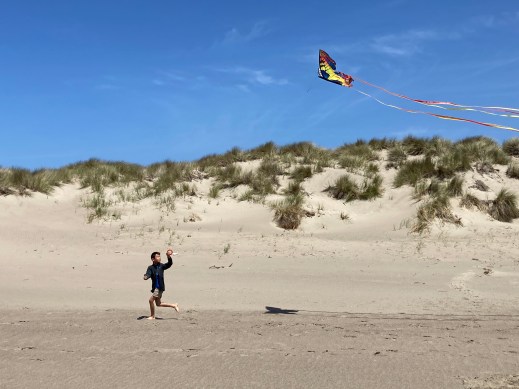
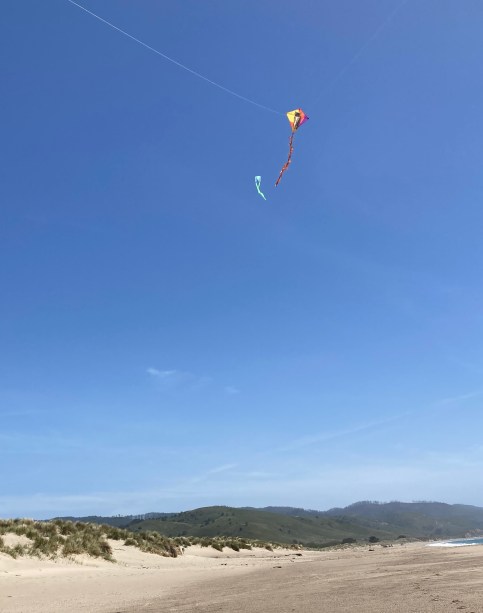
Kites fly high at Limantour.

Even though his older brother is the one I call Pathfinder, my son Soldier took the lead in planning our family outing yesterday. Both of them wanted to include not only a hike but some  beach time, coming as they did from places where one can’t make a day trip to the ocean.

All eight of us were able to go in one car, which added to the fun. The children who had recently endured 12-hour days on the road were cheerful, even though it took us a while to get to our destination, a beach farther south than we usually venture: Limantour. The main thing I always retain in my memory of this beach is that it faces south, so it is a little warmer than many North Coast beaches. It is on a long spit of land on Drakes Bay, named for Sir Francis Drake. In the article, “Drake in California”, you can read the many keys to the identification of this bay as the place where the explorer thanked God for a safe haven.

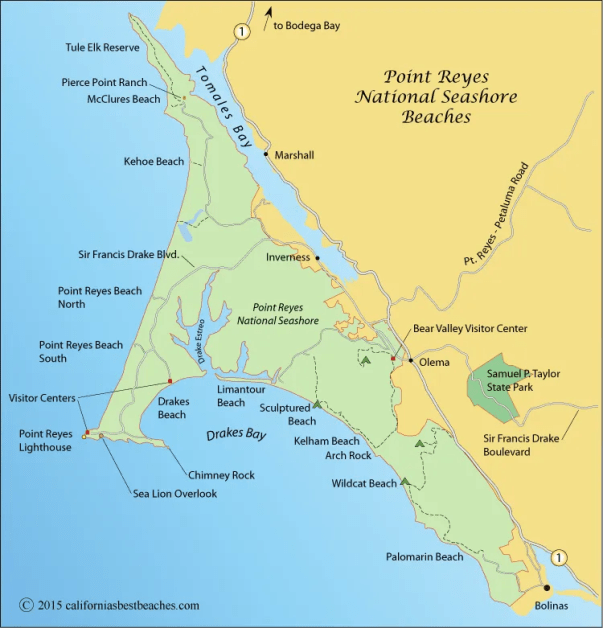
This map shows you where we were in relation to San Francisco:

And this next one reveals Limantour Beach in the Point Reyes National Seashore:

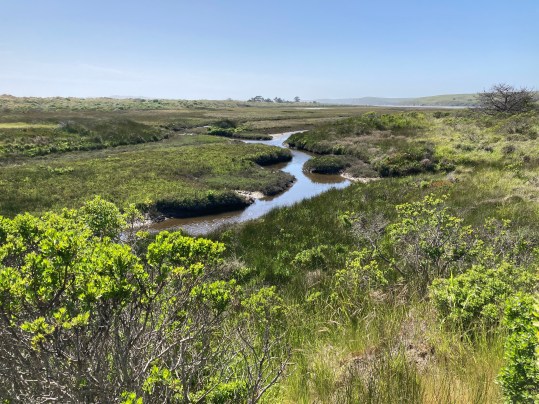
We piled out of the car at the trailhead and hiked about two miles out to the beach, through dense woods opening up from time to time to views of the estuary and wide blue skies; irises in three shades of violet and purple dotted the sunnier banks. Under the trees stands of giant nettles extended back into the dappled shade, with swaths of forget-me-nots or candy flowers at their feet by the path.

Candy Flower – Claytonia sibirica

It was the sort of hike where Grandma, with one or two companions, falls behind the main group to examine and hopefully identify wildflowers, and then eventually catches up when the group stops to wait. Liam spied the Indian Paintbrush first.

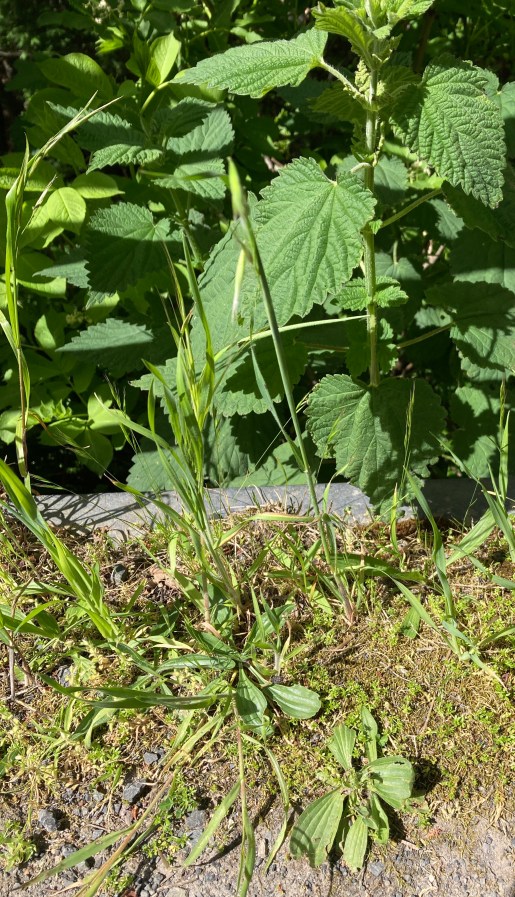
The trail was bordered by a lush jungle of trailing blackberry and manroot, strawberries, buttercups and ocean spray. I couldn’t stop for everything that was interesting, and I can only mention a few of the hundreds of plants. But at the time, I pointed out to anyone who would listen, how conveniently the plantain herb was growing near the nettles: if you were to get a nettle sting, you might chew up a few plantain leaves into a poultice to put on the burning flesh to soothe it. Or so I’ve been told many times.

In spite of my lagging, we arrived on the beach and oh, what a lovely, clean and white expanse it was to behold; we didn’t pause, but walked right on out to the shore.

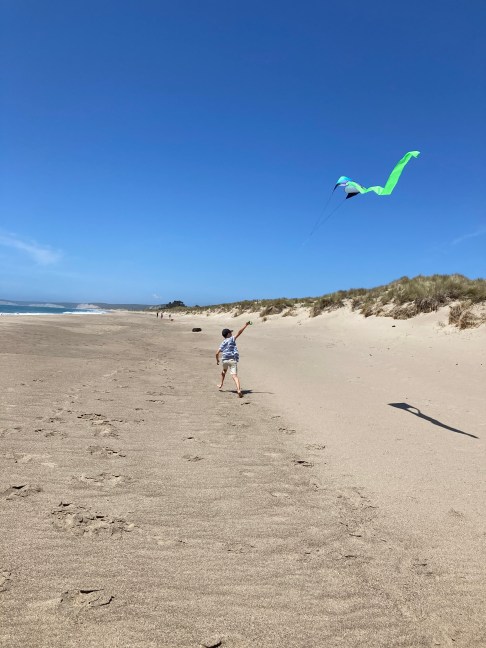
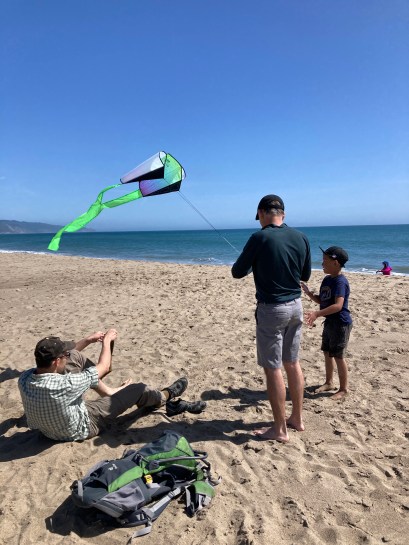
We had brought along three kites, so all the children had plenty of time
holding the fliers against the wind. It was a perfect day for that.

This one above, once it got up, flew by itself all afternoon at the end of its tether,
while we ate a picnic on the sand, and the men dug holes for the waves to flow into.

Then it was time to reel it in, and head back out the way we had come.


It was only on our way out that I had time to really notice these grand bushes of purple lupine, a relation no doubt of the big yellow version I’ve seen so much of farther north, and have even grown in my garden.

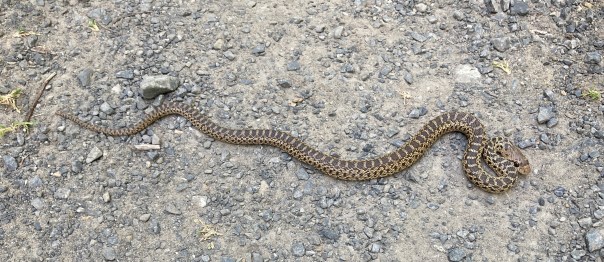
Almost the last thing I took a picture of was a baby rattlesnake lying still as could be on the path. It was too young to have rattles, but as we stood around looking at it, the other adults told us about how the shape of its head and neck helped them identify it as a rattlesnake, and how the venom of juveniles is very potent.

I couldn’t see his eye until I saw the picture I had taken enlarged; he was definitely alive and awake. We were told that rattlers aren’t able to strike effectively if they are not coiled up. But we moved on very soon, stepping around the rattleless tail.

My family all departed this morning very early, before the sun was up, and while fog was still lying low in the neighborhood. All day I’ve been reeling myself in! I had hoped to go to bed early tonight, but instead, before I move on into May — coming right up! — I wanted to finish my story of kites and wildflowers, and my dear people.

A story of creamcups and scouring pads.

The washcloth and the scouring pad were right there, and plenty of (salt) water, for cleaning up, but my grandson Scout and I didn’t need them for that, as our recent snacks had been eaten out of hand. We were at the third beach of that morning, earlier this week when he was down here by himself visiting all his grandparents.

Scouring Pad Alga

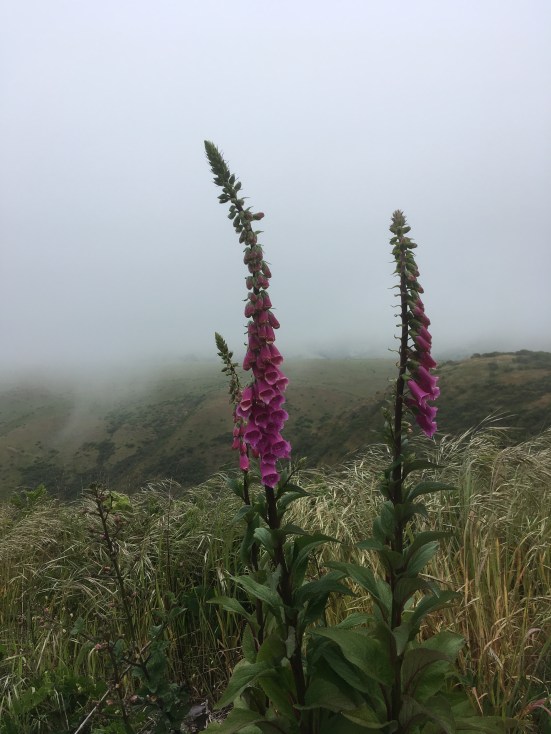
On the way we had traveled over “Wildflower Hill,” as I’d named it two weeks ago. Most of the April flowers had faded, but foxgloves were in bloom!

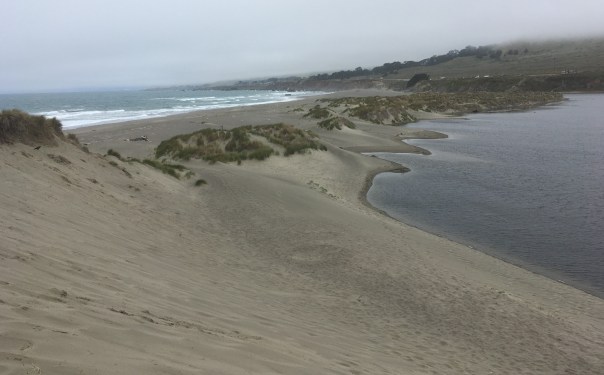
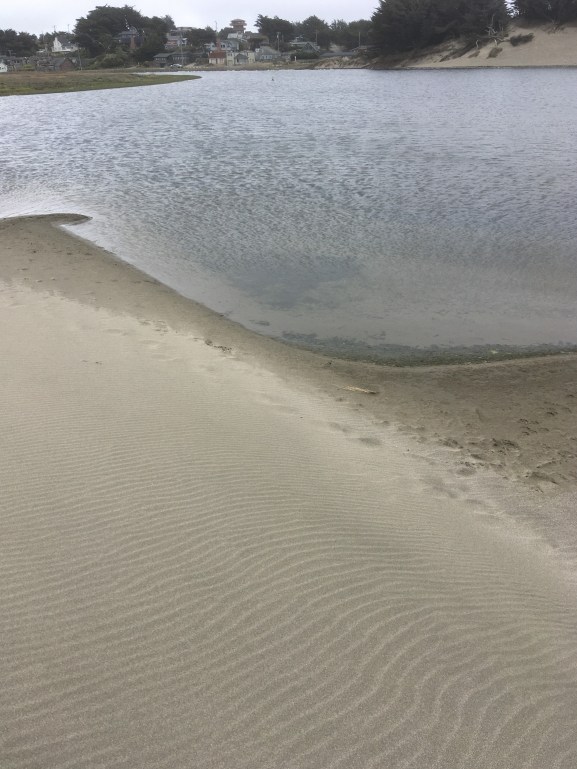
Our first stop at the coast was at my most frequently walked beach, where we spent the most time and effort around the adjoining lagoon, and climbing up and down the dunes.

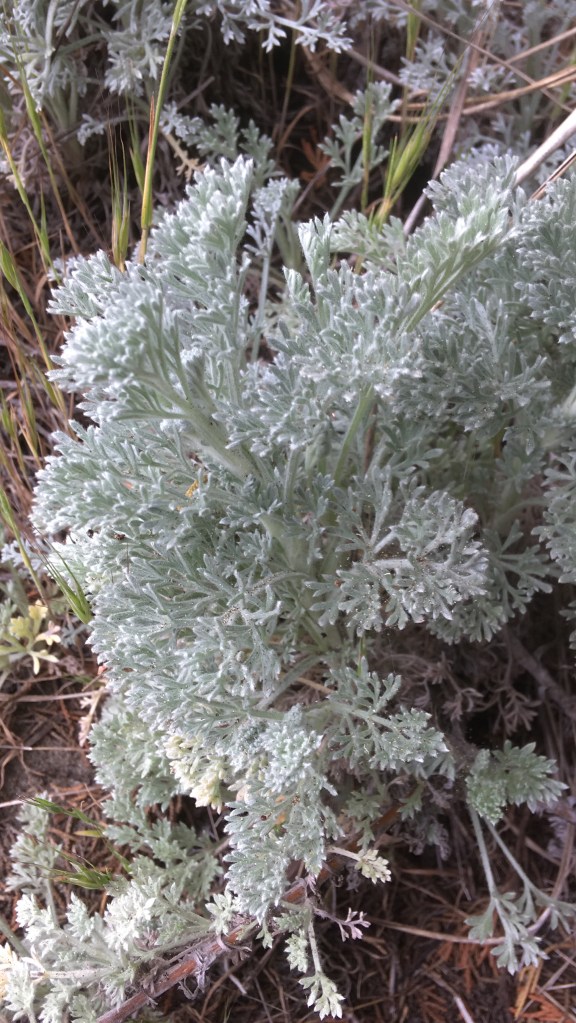
Beach Wormwood

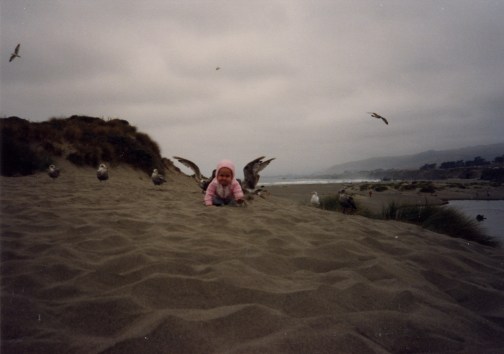
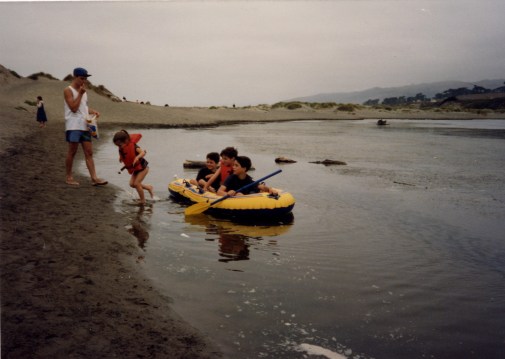
Our family and other homeschoolers used to play here 20 and 30 years ago. I found a few pictures showing us back then, when Kate was an infant:

Scout wanted to see the beaches that he’d gotten to know last summer, so next we went to one of those, where we noted the layers of different colors of sand, and the color of the ocean.

Yellow Sand Verbena

It was chilly and breezy, so we were glad to have our windbreakers. He was swimming in his borrowed jacket (but not in the ocean!), and I was squeezed into mine that I’ve outgrown, but they worked fine.

Creamcups

California Goldfields

At the last beach, after our snack, Scout wanted to explore “on the other side of those rocks,” and he soon came back to tell me it was urgent that I come, too, and see the tidepools.

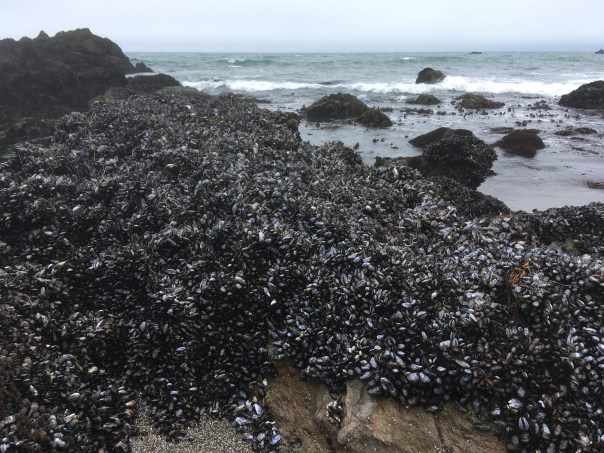
I was so surprised. All the times I’ve been on that beach, and I never knew… It was the most interesting collection of creatures I’d ever seen in tidepools. And all around, new plants as well. Thousands of mussels grew crammed together on the rocks.

California Mussels
limpets
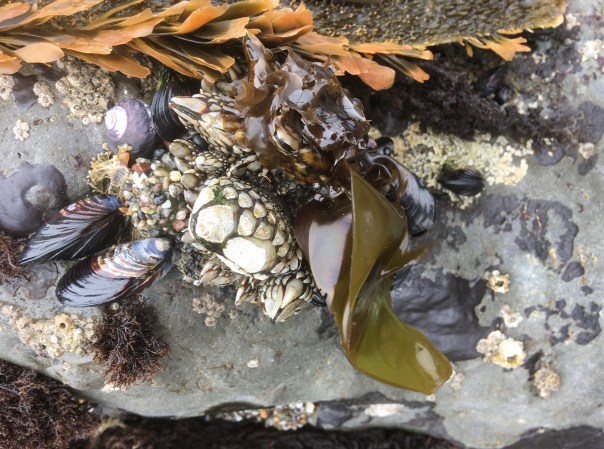
Gooseneck Barnacles
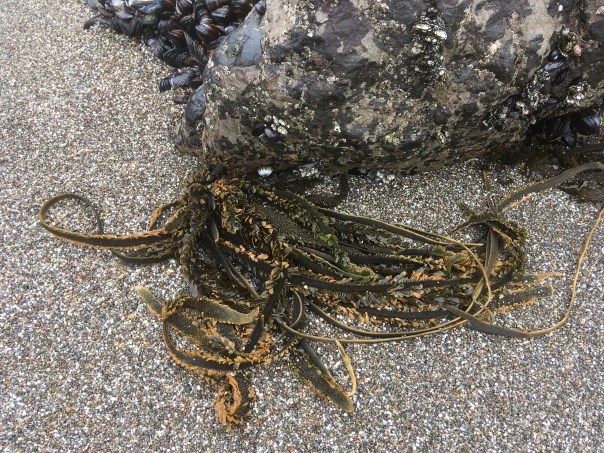
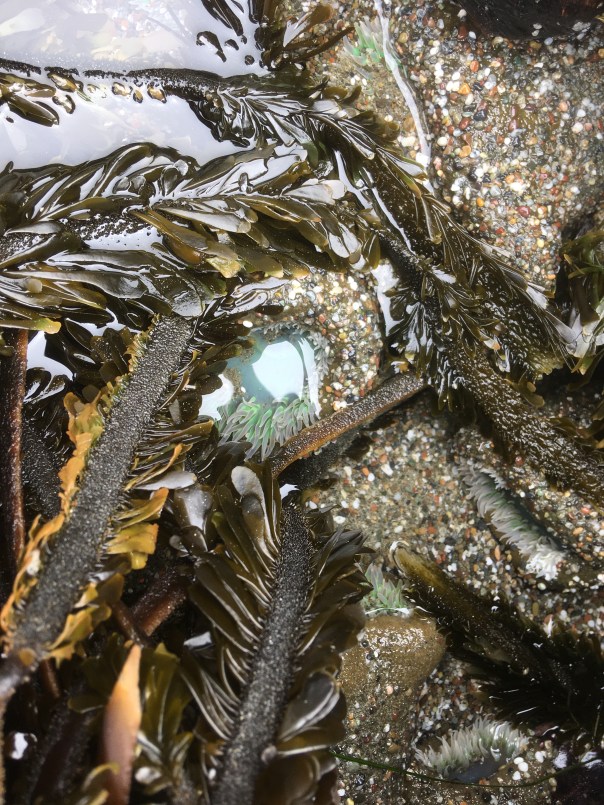
Lots of Feather Boa Kelp still rooted to its rocks.
Giant Green Anemones hiding in sand.
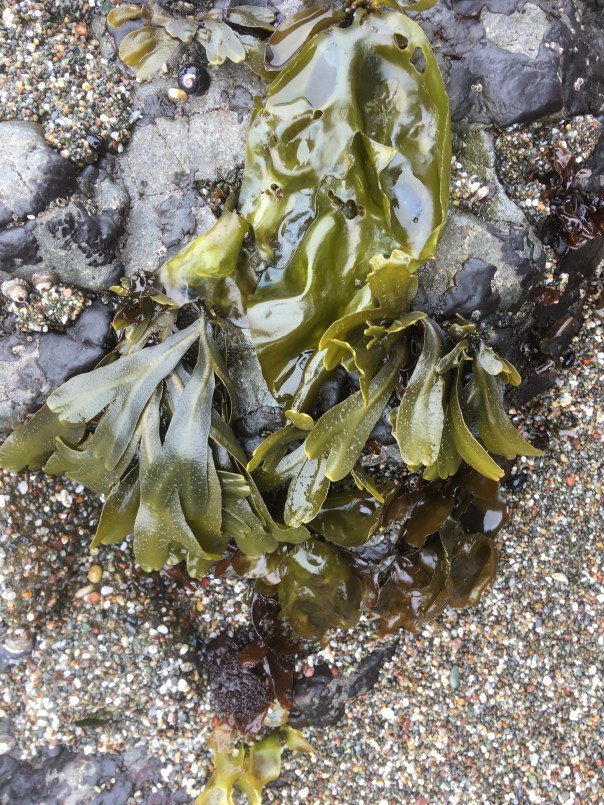
Turkish Washcloth
Black Pine Seaweed
Rockweed

Besides the plants and animals whose names I’ve mentioned in captions here, we also saw Black Oystercatchers, Bee Plant, Dogwinkles, Sea Thrift and Silverweed. These many evocative names began to swim in my brain and tried to form themselves into a fantastical story… but in the end all I could extract was the vision of me at the sink with those seaweed dishwashing tools, the Turkish Washcloth and the Scouring Pad Alga. We picked off the real live leaves of various kelps to bring home; I’ve yet to make soup out of it.


It was quite a stimulating day. Scout and I shared the feeling that our minds were buzzing, our hearts full with the excitement of such life and beauty lying quietly under a few inches of water or briefly exposed, shining with the glory of God. He’s already planning his next visit to this spot, and how his mother must join us to share the joy. Sounds good to me!