Monthly Archives: September 2012

Creating jokes and clean streets.

I picked up Paul’s Johnson’s book Creators the other day and am enjoying it three years after my first encounter. This is from the opening page:

Creativity, I believe, is inherent in all of us. We are the progeny of almighty God…. He created the universe, and those who inhabit it; and, in creating us, he made us in his own image, so that his personality and capacities, however feebly, are reflected in our minds, bodies, and immortal spirits. So we are, by our nature, creators as well. All of us can, and most of us do, create in one way or another. We are undoubtedly at our happiest when creating, however humbly and inconspicuously.

Johnson mentions some of the many creations humans produce, such as written works, farms, and businesses. Some of these wonderful works are not lasting, though they are valuable for as short as a season or as long as centuries.

Some forms of creativity, no less important, are immaterial as well as transient. One of the most important is to make people laugh. We live in a vale of tears, which begins with the crying of a babe and does not become any less doleful as we age. Humor, which lifts our spirits for a spell, is one of the most valuable of human solaces, and the gift of inciting it rare and inestimable. Whoever makes a new joke, which circulates, translates, globalizes itself, and lives on through generations, perhaps millennia, is a creative genius, and a benefactor of humankind almost without compare.

I transcribed the above about jokes because that form of creativity is worlds removed from anything I can imagine drumming up. I am fascinated by the art of making or even telling jokes; the chapter in Annie Dillard’s An American Childhood in which she relates how her parents worked their art of joke-telling describes an exotic land to which I could never go.

I’m more familiar — quite familiar — with the type of art Johnson also appreciates in this account:

I sometimes talk to a jovial sweeper, who does my street, and who comes from Isfahan, in Persia, wherein lies the grandest and most beautiful square in the world, the work of many architects and craftsmen over centuries, but chiefly of the sixteenth. I asked him if he felt himself creative, and he said, “Oh, yes. Each day they give me a dirty street, and I make it into a clean one, thanks be to God.”


What We Found in the Grass


I’m at my daughter Pippin’s home in the Northern California forest, getting ready for the arrival of Baby. While we’re waiting we’ve been taking lots of walks, including some similar to what I enjoyed three years ago when I reported in Meadow and Trees.

When I am walking with Pippin it often happens that she scoops something from the trail and drops it into my hand. A baby pine cone from a Ponderosa, or a feather that has fallen from a red-shafted flicker.

She will stop suddenly in the middle of the meadow because she spies a praying mantis in the grass. By comparison with her, I am blind. But once she takes a picture of something, I know that I want to take its picture too.

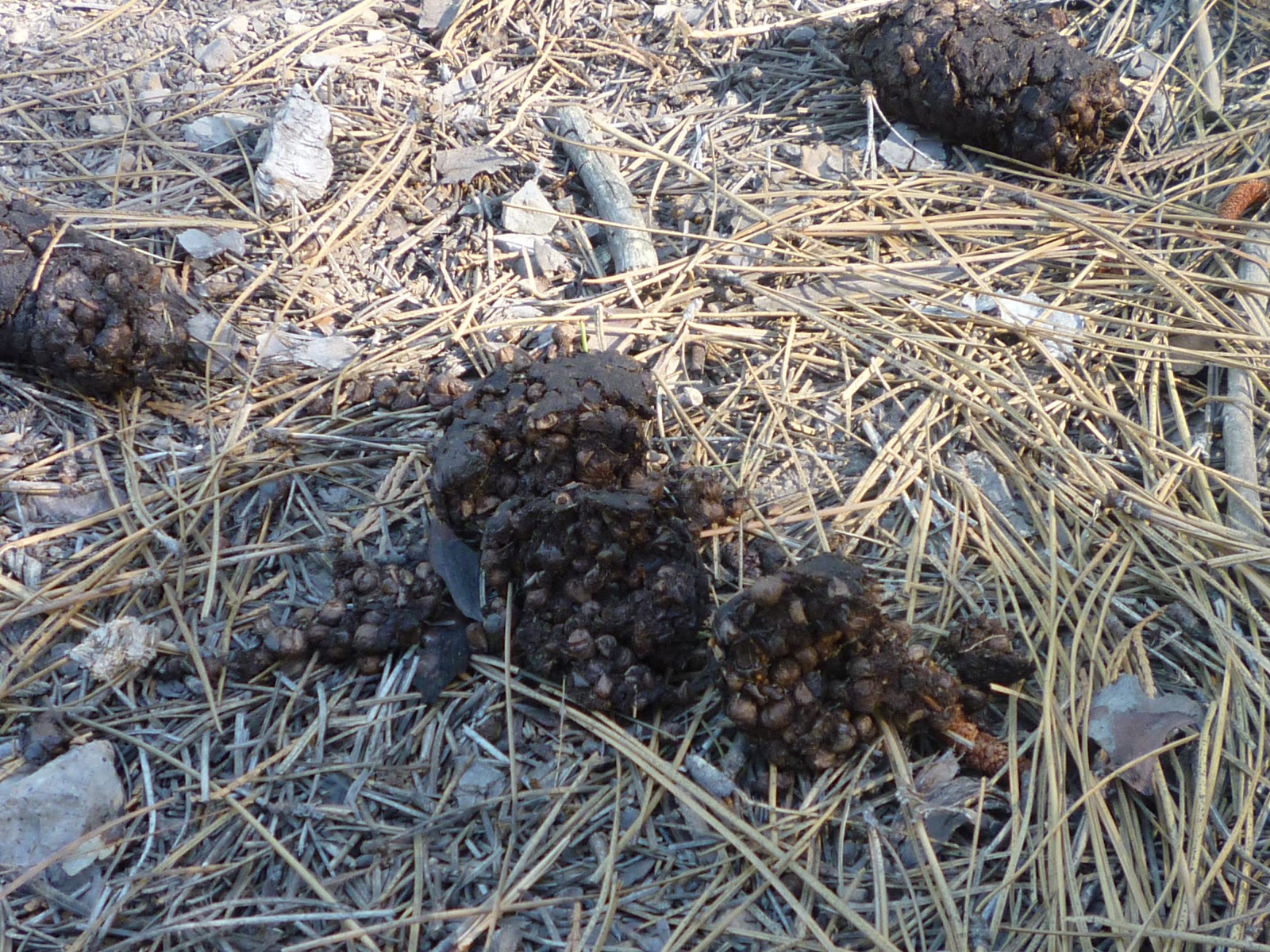
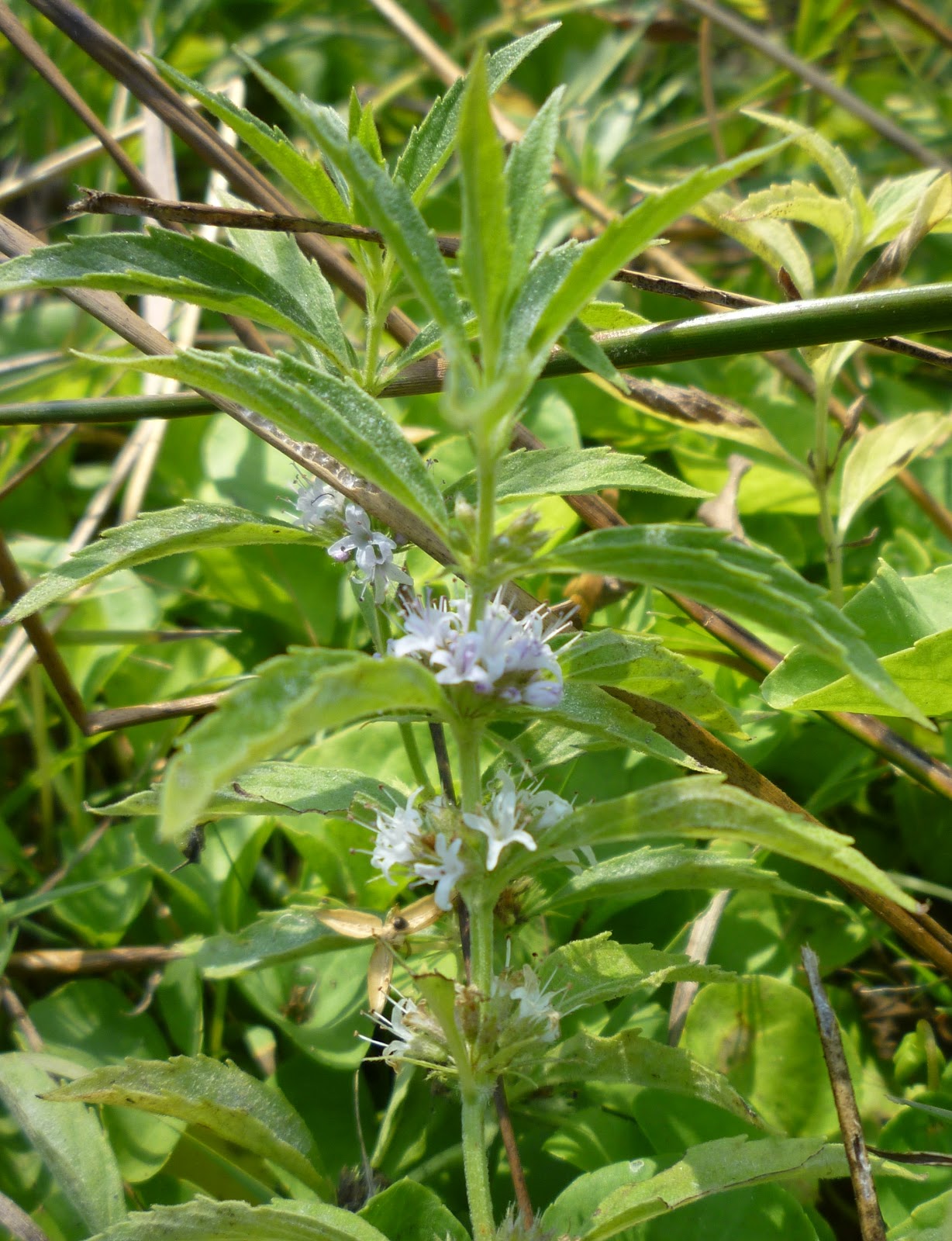
I snapped photos of bear scat and raccoon tracks, wild rose hips and an unknown feathery plant that grows in swaths, especially near the edge of the forest. I soaked up the scents of pine and grasses that were rising in the summer heat.

after the bear feasted on manzanita berries….
feathery plant

Pippin and I helped each other provide shade if needed in order to get better lighting on the little purple thistles that were in full sun under a blue September sky.

We kneeled down to do a serious photo shoot of the mantis and I attempted a movie to catch him moving his small head this way and that.

(Pippin Photo)
a non-stubby thistle

There are places where the dried-up meadow is sparse with stubby weeds and tiny stickers that get into my socks. I try to ignore the prickles because it’s no fun stopping for them every few minutes.

Our swish-swish through the grass is accompanied by the gentle clicks of sprays of tiny grasshoppers jumping every which way out of our way. Some of them crash against my chest.

After a while we get to a wetter area where the water sits longer in the spring. Now in late summer some of the swampy areas have dried up, and the algae has become a papery brown layer that stays at its previous level when it was a blanket floating on mountain runoff.

Blades of green marshy grass stick up through it like toothpicks holding it well above the current ground level, and lots more pale dead grass lies flattened  where the snow has weighed it down through many winters. As we tromped along, our boots breaking through the paper made a noise such as you might hear when marching through large cornflakes. Tiny frogs hopped out of our path and escaped being crunched.

pennyroyal

An apparently man-made channel runs on one side of the meadow and keeps the creek water from spreading out and making the entire area into a marsh. A solitary duck paddled fast into the reeds when we came near, where pennyroyal grew on the banks and long runners of wild raspberry snaked along the ground.

In addition to my camera loaded with pictures (even slanty ones like that below) I brought home the tiny cones, the feather, my weary feet and a warm peacefulness.

The Celebration of Man in a Little Girl’s Birth


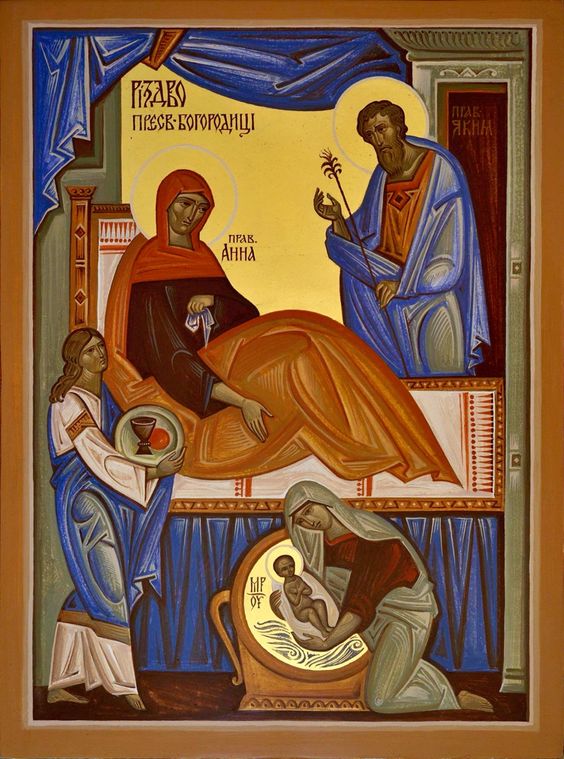
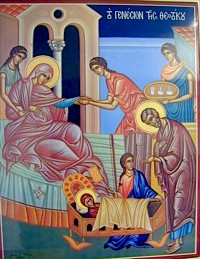
What a joy to be present at the “birthday party” for the beloved mother of our Lord! We began tonight, and will continue tomorrow, to rejoice at this first event of the church liturgical cycle, one of the 12 Great Feasts of the year. In honor and remembrance, I offer this sermon by:

Protopresbyter Alexander Schmemann
Sermon on the Nativity of the Theotokos September 8

The Church’s veneration of Mary has always been rooted in her obedience to God, her willing choice to accept a humanly impossible calling. The Orthodox Church has always emphasized Mary’s connection to humanity and delighted in her as the best, purest, most sublime fruition of human history and of man’s quest for God, for ultimate meaning, for ultimate content of human life.

If in Western Christianity veneration of Mary was centered upon her perpetual virginity, the heart of the Orthodox Christian East’s devotion, contemplation, and joyful delight has always been her Motherhood, her flesh and blood connection to Jesus Christ. The East rejoices that the human role in the divine plan is pivotal. The Son of God comes to earth, appears in order to redeem the world, He becomes human to incorporate man into His divine vocation, but humanity takes part in this. If it is understood that Christ’s “co-nature” with us is as a human being and not some phantom or bodiless apparition, that He is one of us and forever united to us through His humanity, then devotion to Mary also becomes understandable, for she is the one who gave Him His human nature, His flesh and blood. She is the one through whom Christ can always call Himself “The Son of Man.”

Son of God, Son of Man…God descending and becoming man so that man could become divine, could become partaker of the divine nature (2 Peter 1:4), or as the teachers of Church expressed it, “deified.” Precisely here, in this extraordinary revelation of man’s authentic nature and calling, is the source of that gratitude and tenderness which cherishes Mary as our link to Christ and, in Him, to God. And nowhere is this reflected more clearly that in the Nativity of the Mother of God.

Nothing about this event is mentioned anywhere in the Holy Scriptures. But why should it be? Is there anything remarkable, anything especially unique about the normal birth of a child, a birth like any other? The Church began to commemorate the event with a special feast…because, on the contrary, the very fact that it is routine discloses something fresh and radiant about everything we call routine and ordinary, it gives new depth to the unremarkable details of human life…And with each birth the world is itself in some sense created anew and given as a gift to this new human being to be his life, his path, his creation.

This feast therefore is first a general celebration of Man’s birth, and we no longer remember the anguish, as the Gospel says, “for joy that a human being is born into the world” (Jn. 16:21). Secondly, we now know whose particular birth, whose coming we celebrate: Mary’s. We know the uniqueness, the beauty, the grace of precisely this child, her destiny, her meaning for us and for the whole world. And thirdly, we celebrate all who prepared the way for Mary, who contributed to her inheritance of grace and beauty…And therefore the Feast of her Nativity is also a celebration of human history, a celebration of faith in man, a celebration of man.

Sadly, the inheritance of evil is far more visible and better known. There is so much evil around us that this faith in man, in his freedom, in the possibility of handing down a radiant inheritance of goodness has almost evaporated and been replaced by cynicism and suspicion. This hostile cynicism and discouraging suspicion are precisely what seduce us to distance ourselves from the Church when it celebrates with such joy and faith this birth of a little girl in whom are concentrated all the goodness, spiritual beauty, harmony and perfection that are elements of genuine human nature. Thus, in celebrating Mary’s birth we find ourselves already on the road to Bethlehem, moving toward the joyful mystery of Mary as the Mother to God.

Nativity of Theotokos contemporary


Thy nativity, O Virgin,
has proclaimed joy to
the whole universe!
The Sun of Righteousness,
Christ our God,
has shone on thee,
O Theotokos!
By annulling the curse,
He bestowed a blessing.
By destroying death,
He has granted us
Eternal Life.

Esthetics and Agriculture


We made at least two wrong turns getting to the mountains last month, and they helped put me in touch with my farming roots. In the middle of August the fields are lush with the bounty that gives California’s Central Valley the name of The Greatest Garden in the World. Tomatoes, corn, cotton, walnuts, tree fruits, grapes… Wikipedia says that every non-tropical crop is grown here.
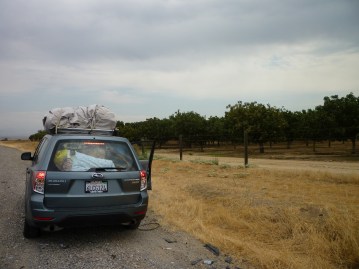
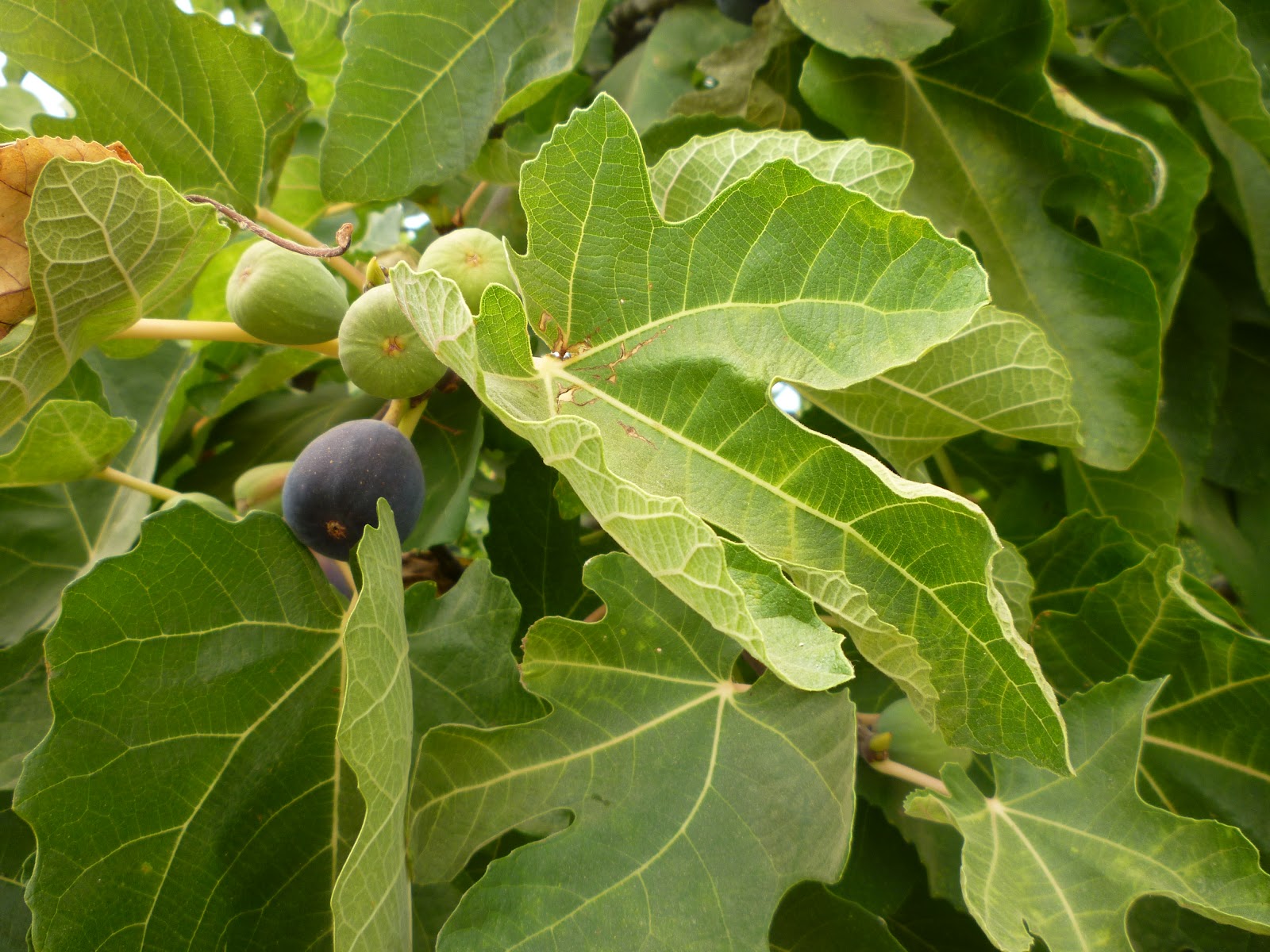
On our second meander, in the northeasterly instead of southeasterly direction, we were surprised to see fig orchards on one side and pomegranates on the other. What could be more exotic or impossible? William Saroyan describes the impossibility in his 1930’s story “The Pomegranate Trees” that Mr. Glad and I have laughed over a few times:


“My uncle Melik was just the worst farmer that ever lived. He was too imaginative and poetic for his own good. What he wanted was beauty. He wanted to plant it and see it grow. I myself planted over one hundred pomegranate trees for my uncle one year back there in the good old days of poetry and youth in the world. I drove a John Deere tractor too, and so did my uncle. It was all pure esthetics, not agriculture. My uncle just liked the idea of planting trees and watching them grow.

“Only they wouldn’t grow. It was on account of the soil. The soil was desert soil. It was dry. My uncle waved at the six hundred and eighty acres of desert he had bought and he said in the most poetic Armenian anybody ever heard, Here in this awful desolation a garden shall flower, fountains of cold water shall bubble out of the earth, and all things of beauty shall come into being.”

Melik plans to have apricots, peaches, figs and olives too, but he never gets beyond planting the pomegranates, which eventually fail, because instead of a fountain there is only a trickle of water flowing from the many wells he digs.
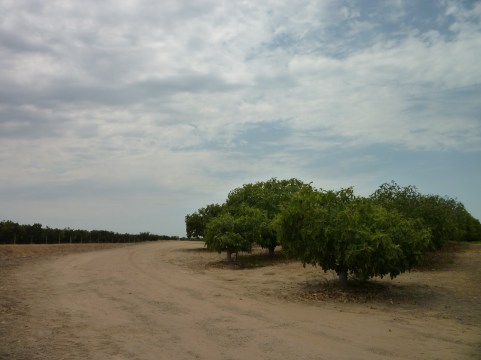
Fig orchard in Madera Co.

But since the 1930’s, state-funded irrigation projects have increased the available farmland to such a degree that in the present day about one-sixth of the irrigated land in the nation is in our Central Valley. The pomegranate trees we saw with their ripening red fruits were not far from where the fictional Uncle Melik farmed.

I do think there is nothing more lovely than a fig tree with its extravagant leaves on curvy branches, and fruits more refreshing than a cup of cold water. Though I grew up in the Valley this was my first sighting of a groveful. I didn’t notice what kind of irrigation system is used in the orchard, but no doubt there was one.
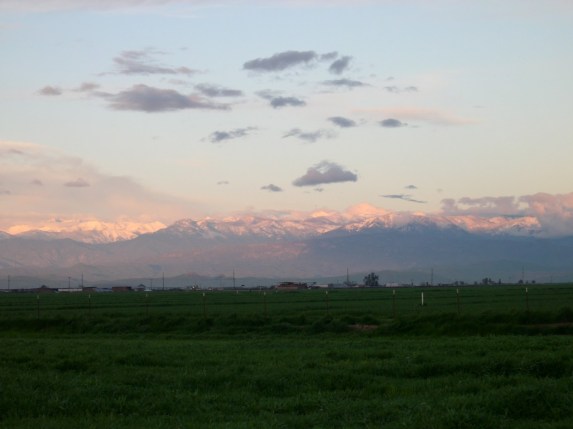
View of Sierras from Tulare County (Pippin pic)

By means of our state water projects we take all that melted mountain snow pack and hold it behind dams so that we can let it out bit-by-bit all through the summer. In this long agricultural center of the state, on less than one percent of the total farmland in the United States, we produce 8% of the nation’s agricultural output by value. (Wikipedia)
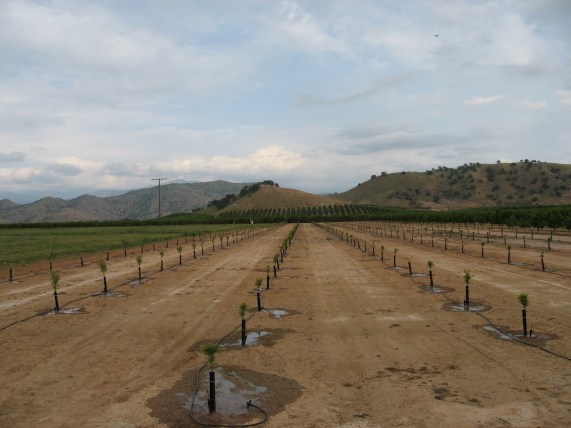
Tulare Co. in Spring – still green in places

I’ve been googling to find out how many dams are in California, but that list is too long for me to take the time to count. Maybe I’ll just stick to the ones in the Sierra Nevadas that end up feeding canals and rivers that water orange groves and almond orchards and alfalfa fields. It turns out that list above is sortable, and I can see that in Fresno County alone there are eleven dammed lakes.

When you drive across the state, from a dammed mountain lake to San Francisco Bay Area in one day, the repetition of scenes along the highway impresses on you the importance of water. There are dead almond orchards on Highway 5, on the “West Side” of the Valley, that testify to water wars still going on, and to our inability to grow very much without irrigation.

Westside tomato field in April

It was 101° as we headed home through that fertile swath. All the crops whose irrigation was current were happy. The corn was probably growing inches every day, and the almonds swelling in their shells. We were happy to look out from our car through the windows that were closed to keep in the cooled air.

A little north of the dead trees, on a slope above the freeway, a Hispanic family were systematically planting new almond trees. It dawned on me that Why, yes, it is a week day, a work day, isn’t it? Not all the farm work can be done in the cooler mornings or evenings.

I recalled my sweaty and tanned father getting off his tractor, coming into the house mid-afternoon with a watermelon and slicing it into rounds at the kitchen counter. He’d put one big slice on a plate and eat it with a fork before going back out to take care of his orange trees.

Water melon. Melons are some of those things of beauty that Uncle Melik likely envisioned as he was trying to find their necessary water. And the people who tend the earth’s gardens, who are willing to build the dams and plant the trees and irrigate them all summer long are beautiful to me, too.
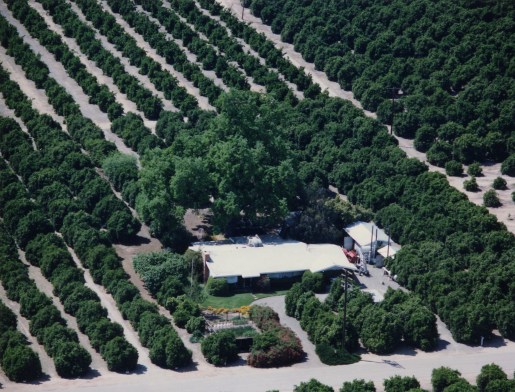
The house where my father ate watermelon.
Gardening requires lots of water – 
most of it in the form of perspiration. 

~Lou Erickson