 When the sun was just rising above the groves I drove away from my sister’s house and about an hour north to visit the Monastery of the Theotokos the Life-Giving Spring, which is nestled in the foothills at about 2,000 ft. elevation. It was Sunday morning and I wanted to attend Divine Liturgy there; the service was starting at 8:30.
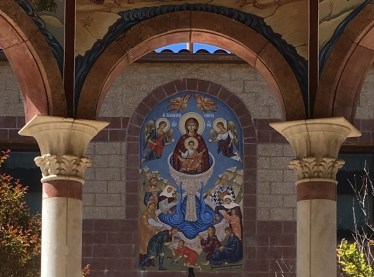
Christ’s mother Mary is called the Life-Giving Spring because of course Christ is Himself the Water of Life. Just as the name of our first mother Eve means life in Hebrew, Zoë means life in Greek. There is an icon associated with this name of the Theotokos, and a feast day on the Friday following Pascha.
It was a beautiful drive, especially as the road climbed very gradually into green hills scattered with large patches of lupines and poppies. This year California’s Central Valley received more rain than usual, and the landscape is still gentle and lush everywhere. Many of the plants that will eventually be stickers and thorns are still pretty wildflowers.
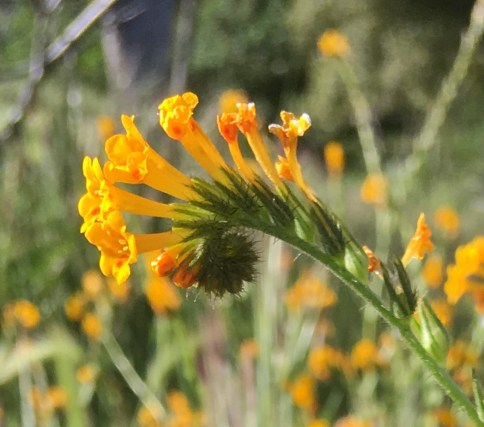
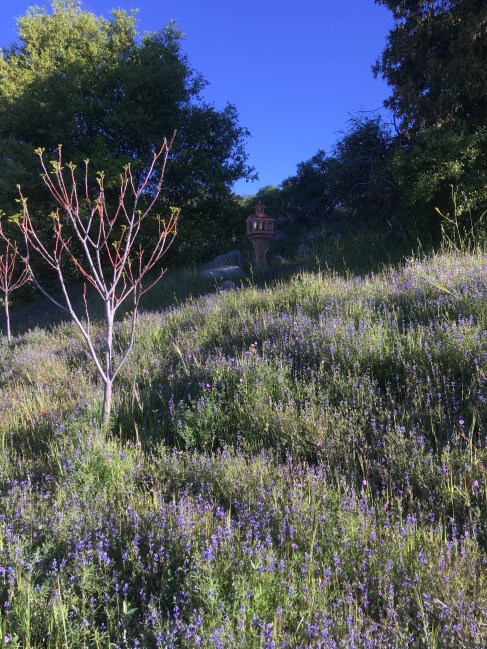
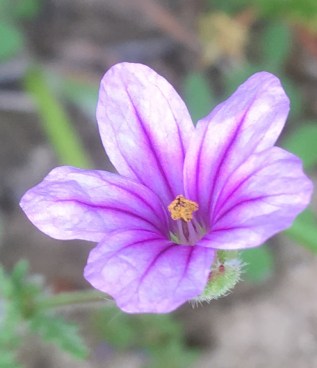
I had reserved a room for the night at St. Nicholas Ranch retreat center just next to the monastery, and I parked my car there and walked through the gates and up the hill to the monastery itself. I had never visited here before, and didn’t know that this little hike would right away give me the opportunity to take pictures of wildflowers. 🙂

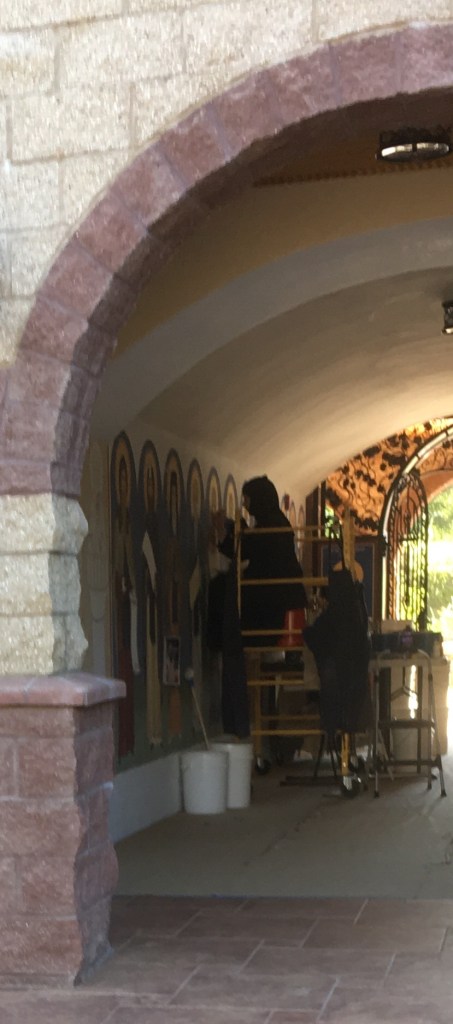
Then I entered the courtyard of the church, through a hall lined with mural icons of saints, in process of being painted; once I saw two of the sisters painting when I passed through. The courtyard has four planters with walls on which one can sit. They are filled with many ornamentals, but especially palms and bugleweed, a species of ajuga, which right now is in full bloom, its blue spikes standing boldly up from the mat of green leaves.
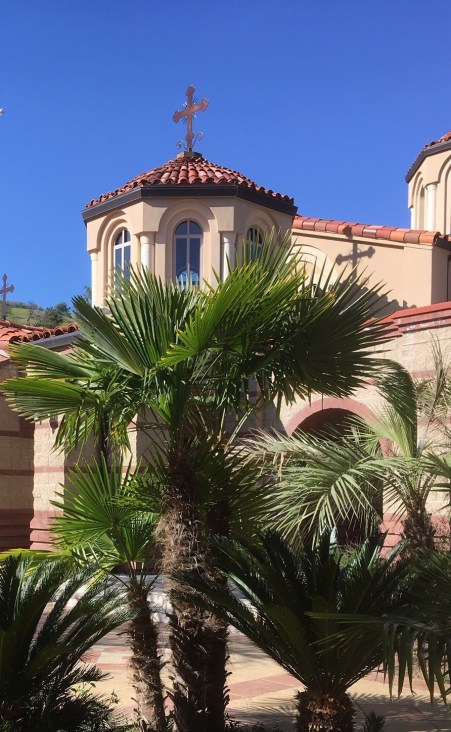
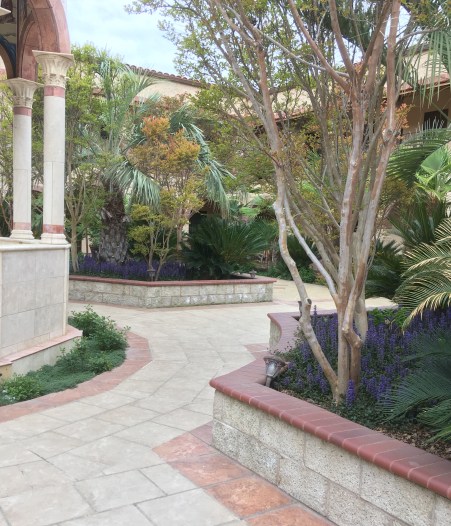
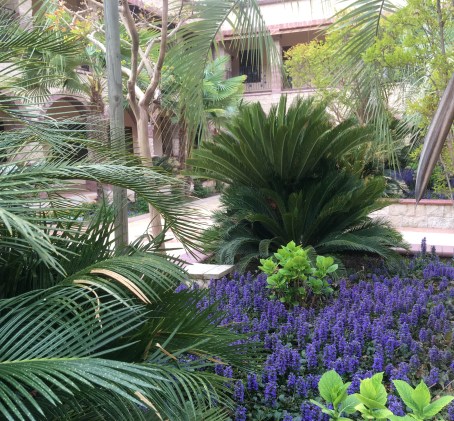
On my drive to the monastery I am sorry to say I had wasted time in my too-frequent mental lament over the unsightly palm trees that dot the landscape in the warmer areas of the state. Of course in their essence they are not ugly, but the way they have been used makes them appear that way. I think sometimes it is because they aren’t incorporated into any symmetry; or they stick up in an ungainly way out of context of their setting (for example, in Northern California where I live, and where conifers naturally and more healthily grow), often as a solitary botanical oddity. The majority are also not maintained and many have more dead fronds than living ones.
Here at the monastery I was given a huge gift, in encountering palm trees in all their glory. Many species of palms have been incorporated into the landscaping, and someone obviously gave thought to how to arrange them in the most beautiful way. Gardeners care for them and trim the dead fronds. My feeling about them has forever been altered, now that I’ve seen palm trees as they certainly were meant to be.
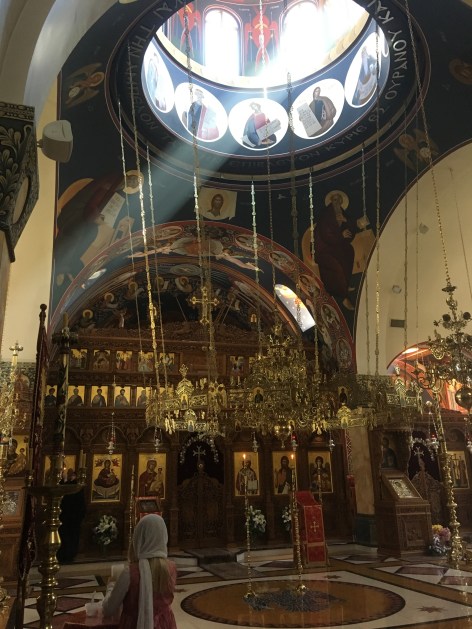
On one side of the courtyard is the church, where I spent the next couple of hours settling my spirit that had been jangled by all the activity of getting there. What a magnificent temple! The nuns’ singing transported me to heaven, by way of Greece. The whole service was in Greek, though the Gospel was read in English also. At least 50 other visitors were there with me, including several families with young children; I heard that they come from all over the world, and I personally met people from British Columbia, and from various points in California that are several hours away. I had words with a monk who I think was from Greece, judging from what he said to a question, “I don’t know, I don’t speak English,” and from how another person translated for him so he could answer me.
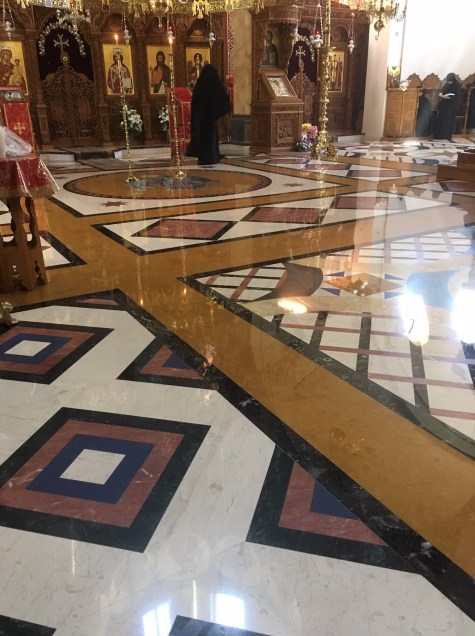


After the service we walked across the courtyard to the dining room where dozens of visitors ate lunch provided by the sisters. It was the Sunday of St. Mary of Egypt, and the story of her life was read to us from a perch high on the wall above, as we ate in silence in the trapeza style of Orthodox monasteries. We filed back into church to complete our meal with prayers, and then thick and sweet Greek coffee was served in the courtyard.


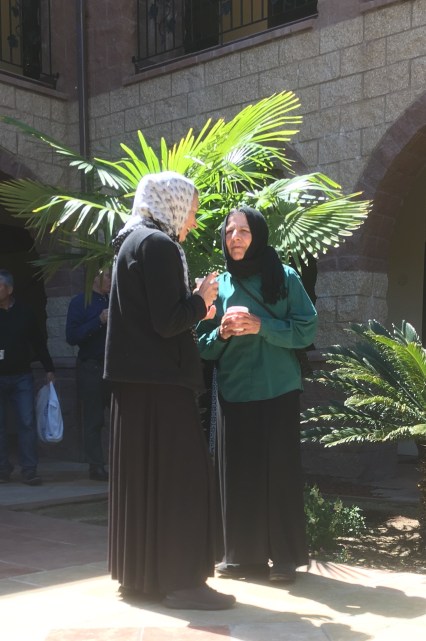

After a little coffee and cookies and socializing, we were invited to another room to hear a talk from (Korean) Father Gregory on St. Mary of Egypt, in English. It was very encouraging! Her life and example of repentance illustrate spiritual truths that I have been hearing from every direction in the last couple of weeks, and which I hope to consider altogether and write about later.
 I shopped in the bookstore and bought a little icon of St. Porphyrios, who has blessed me so much this Lent through the book I’ve mentioned here, Wounded by Love. And then I returned to my room for a rest before Vespers which was to be at 3:00. The next string of pictures starts with a view of the monastery from just outside the window of my room, and includes scenes from a stroll around the property that evening.


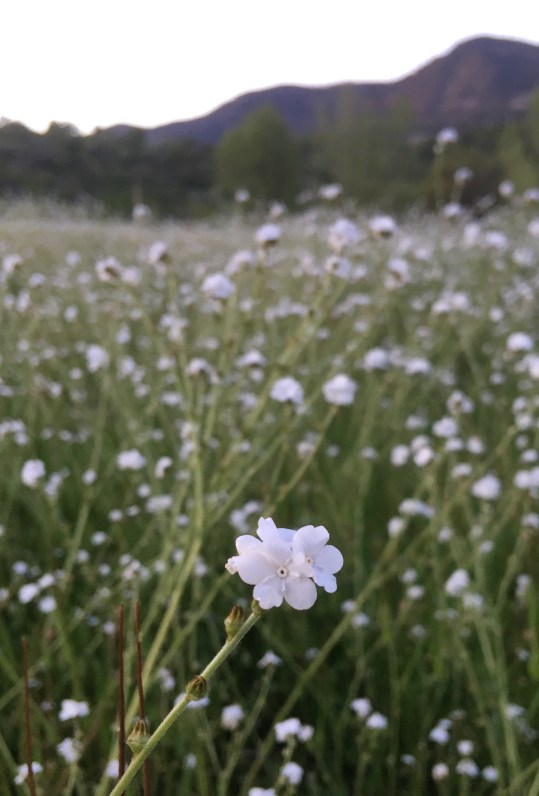
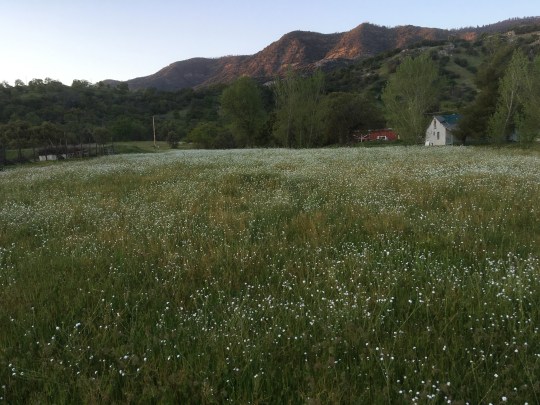
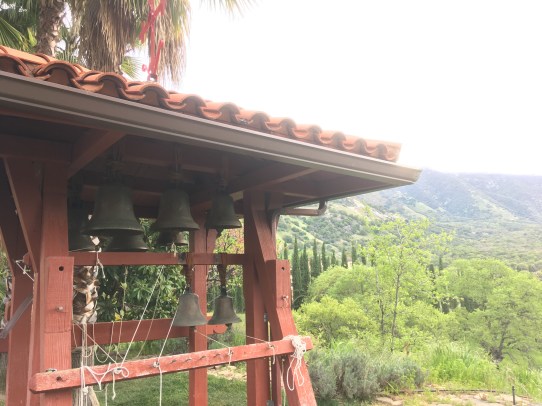

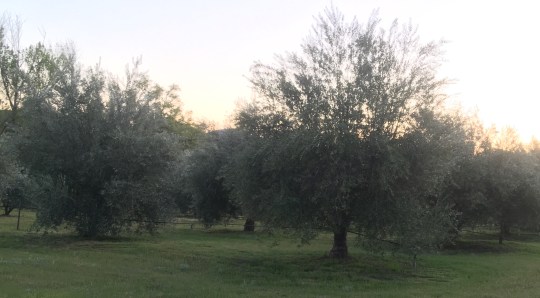


It was a deep and quiet sleep I fell into that night after spending the last Sunday of Lent at this special place. I skipped the morning service that was to be at 3:00, and walked up the hill again for for a lovely breakfast, which I shared with only two other women, as most of the visitors had departed the day before.
 I want to tell you about the hearty breakfast menu: On the table waiting for us was a bowl of cut-up grapefruit; a dish of rice and white beans lightly flavored with tomato and other good tastes; oatmeal cooked with cashew milk and fruit – we thought dates and blueberries and maybe figs; cookies with molasses; good bread; peanut butter; and a bowl of walnuts in their shells.
Down the hill again, and I packed my car for the drive home, full to the brim of blessings from my oh so brief, introductory sort of pilgrimage to this holy place, and already imagining my return. But before I descended to the valley again I had one more stop to make, about which I will tell you in my next post.
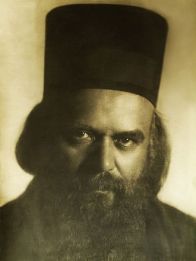 “Turn your cares into prayers and you will change ice to flowing water.”


