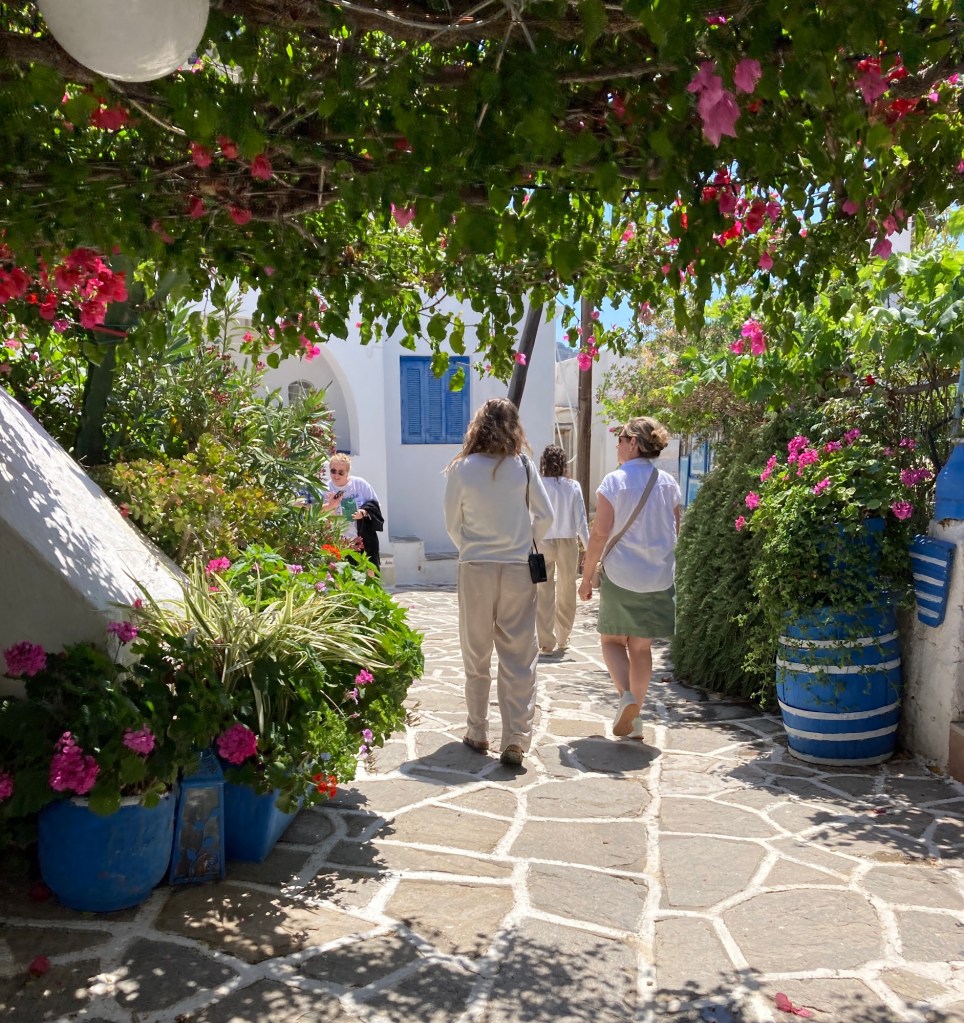
The skies had cleared and the wind was still blowing when we set off for the high country of Paros, on our first whole day here. In the village of Prodromos signs for Public Parking led us to a dirt lot, and the bus stop a short walk from there, where we hoped to catch a bus up to the town of Lefkes.
We could make out from the roadside sign, conveniently right outside a bakery, that our bus would not arrive for another hour and a half, so we did a little shopping —yes, including of pastries — and found a taverna where we could have an unfortunately quick lunch in the meantime.

The only other people in the restaurant were five older Greek men in a traditional and more relaxed midday gathering, for whom the five of us chatting and laughing over our menus clearly provided an interesting diversion; they couldn’t stop watching us. We petted the cat while waiting for our orders, and kept an eye on the time so we wouldn’t miss the one bus that we needed.
At every restaurant in Greece so far we’ve found that restaurant wait staff are reluctant to bring the check, which applies a gentle pressure to linger, and enjoy to the max the great food and ambiance. We felt ourselves to be rude and unappreciative of the chance to experience a village taverna complete with cat, and old men gossiping over their coffee.
We even had to leave an entire kebab untouched, but I stuffed the extra bread in my shoulder bag to take along, with breakfast toast in mind.
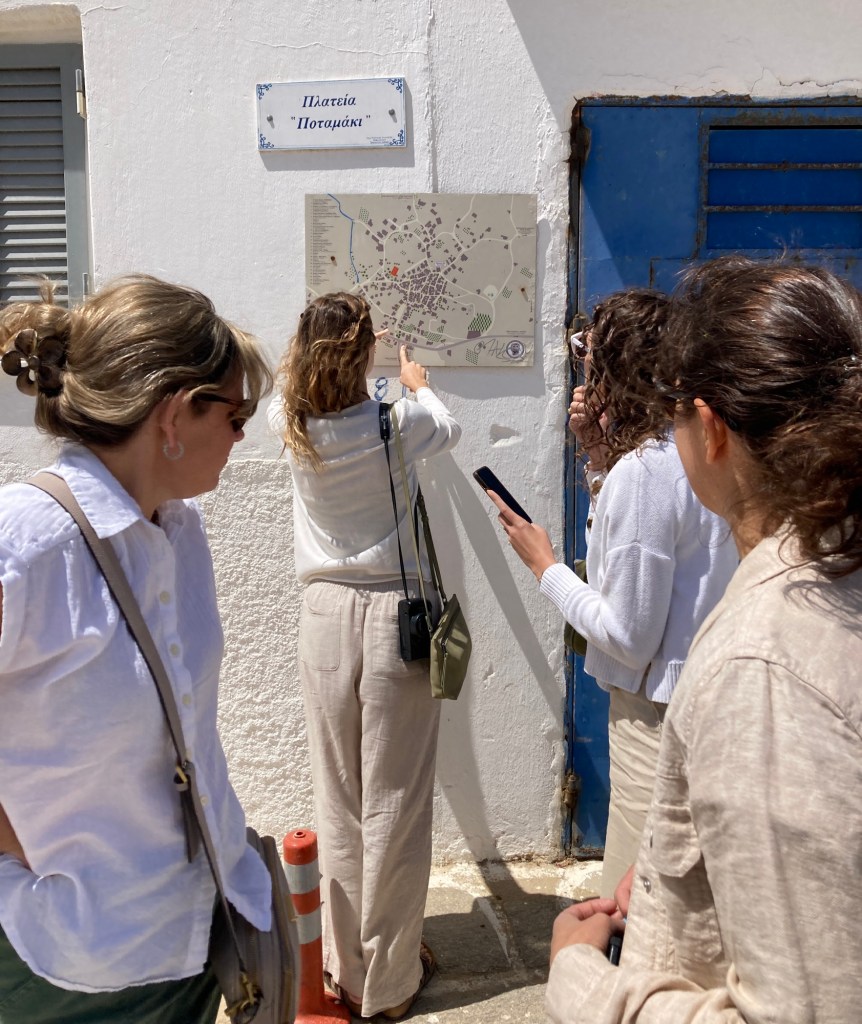
After a quick bus ride up to Lefkes, we strolled through the town, always heading gently downhill, on the Byzantine Trail, a thousand year old road that is by modern standards a path between Lefkes and Prodromos. The huge 19th century Agia Triada church that was built of local marble we found closed; reportedly services are held morning and evening every day.
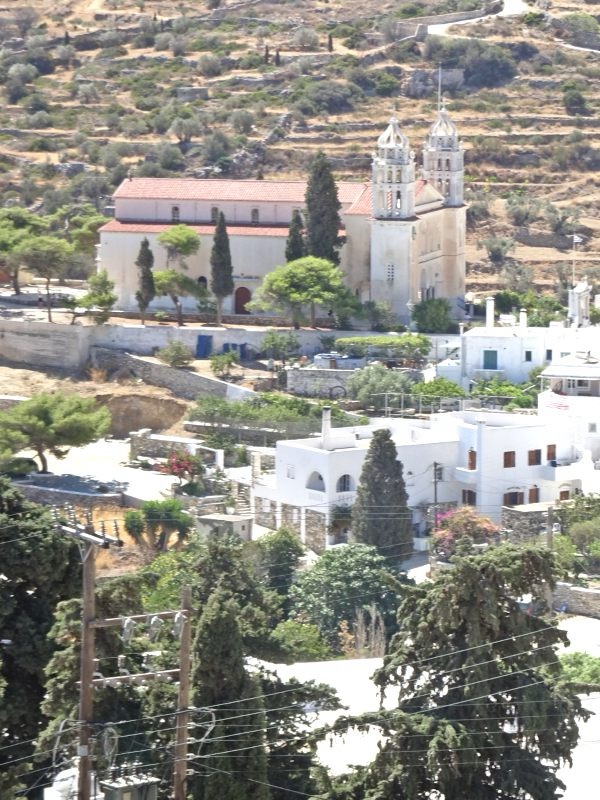
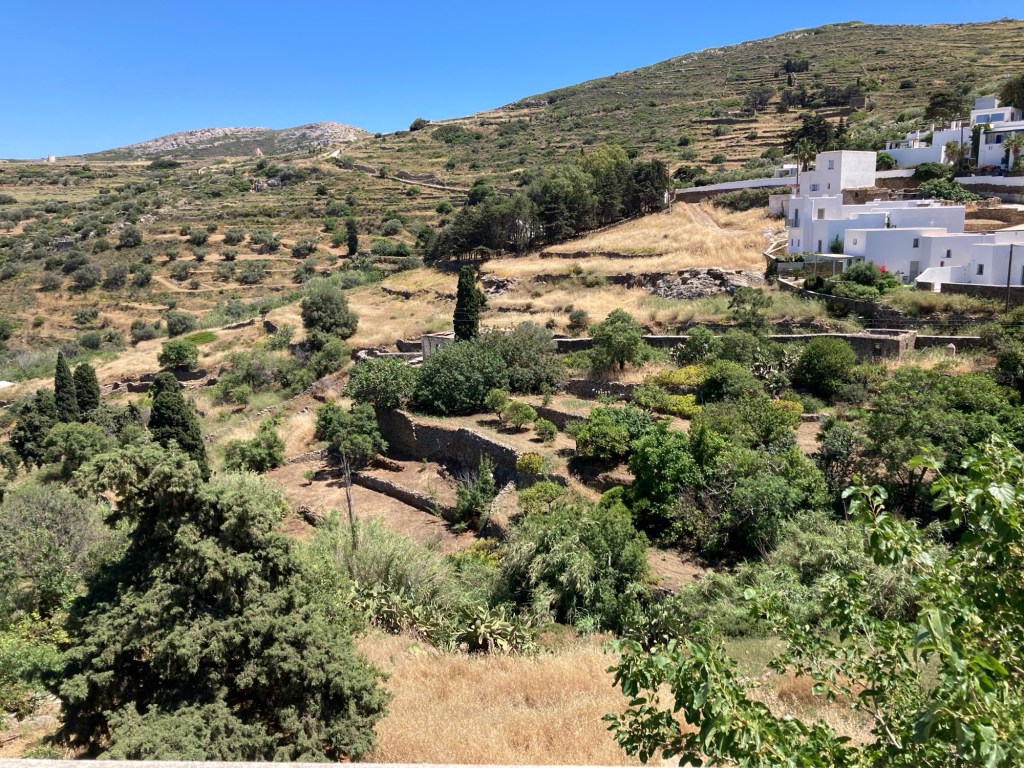
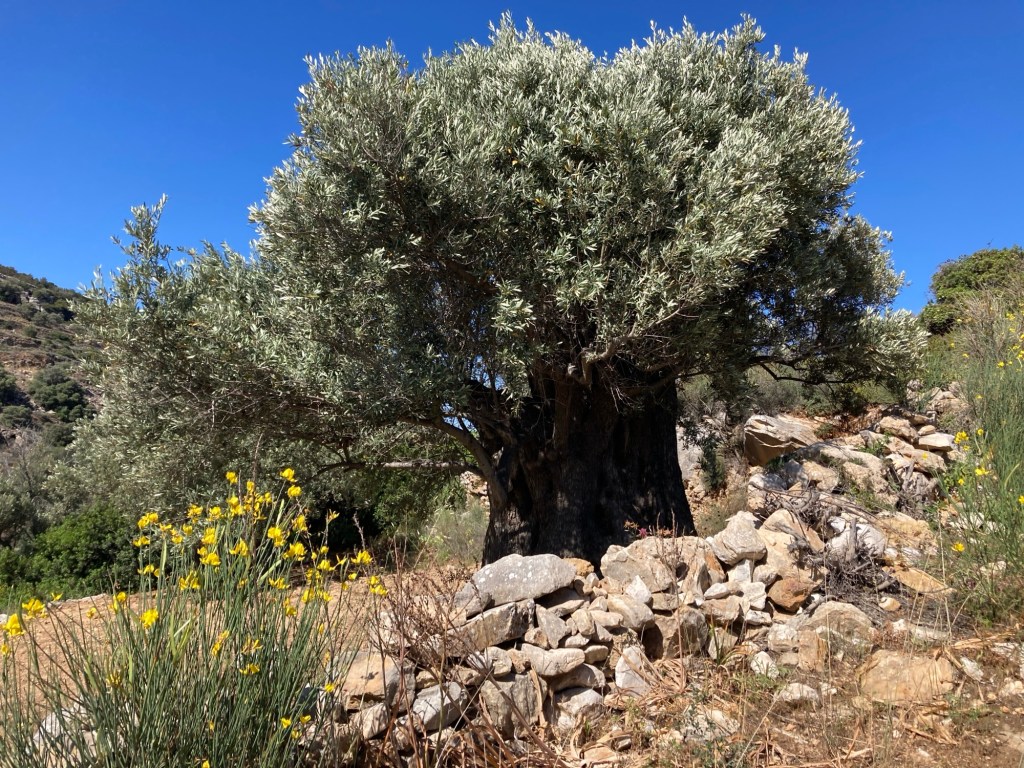
The trail soon left the town and wound on down the hill, with views on all sides of ancient terraces built of stones pulled from the earth that is rich with them, and naturally poor from the stoniness. A few of the thousands of plots are evidently being used again, though tourism has supplanted agriculture in the island economy.
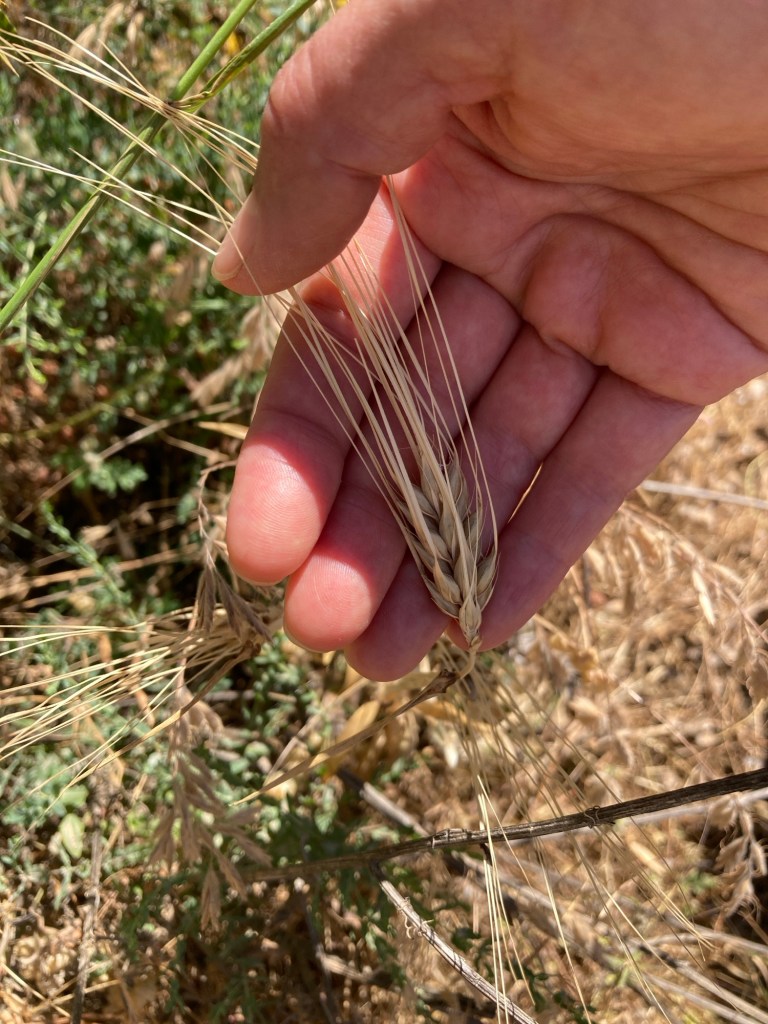
It is easy to imagine the farmers in the old days growing fava beans and keeping goats on those terraces. We did pass one old man keeping watch over his goats that very afternoon.
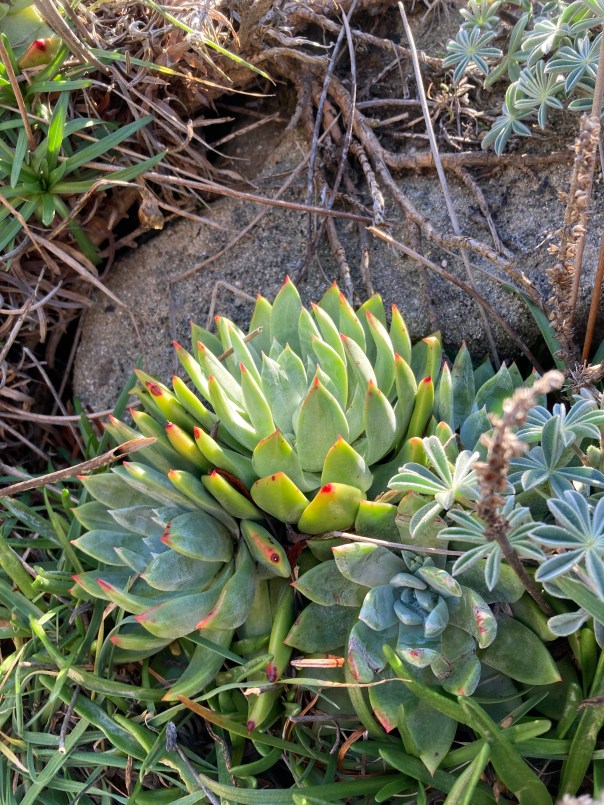
Pippin and I kept lagging behind the others to investigate all the strange or familiar plants along the path, which included at least a dozen species of prickly types.
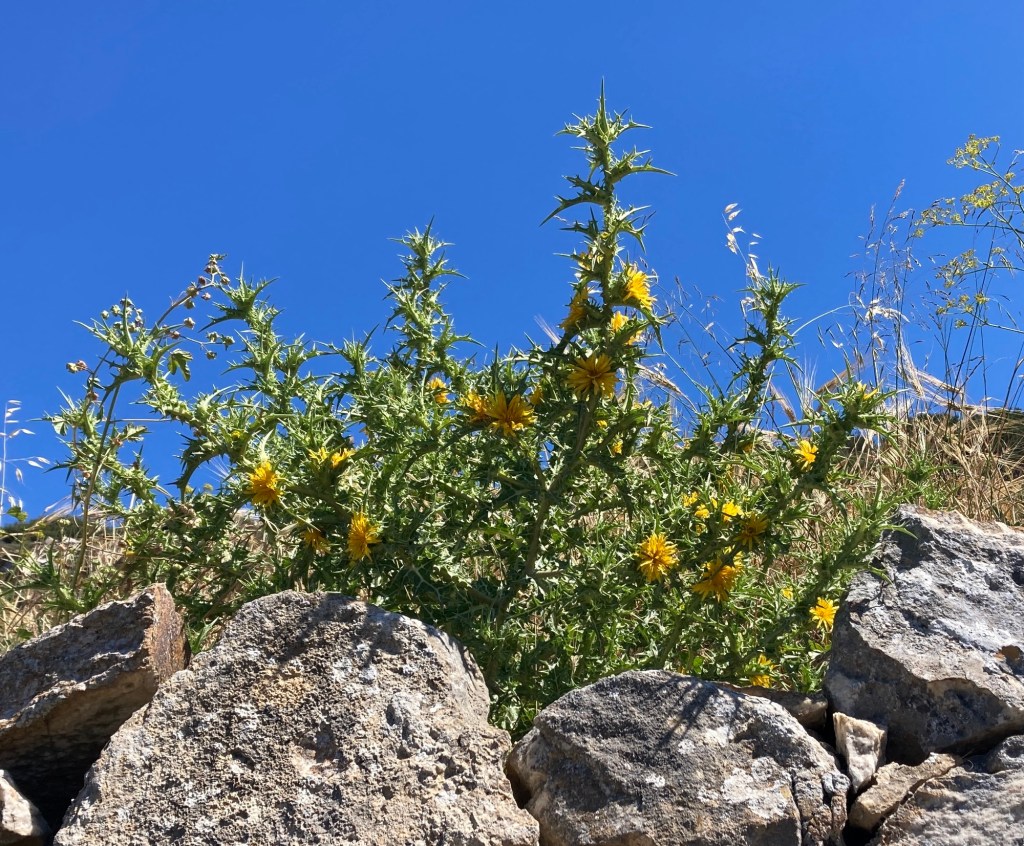
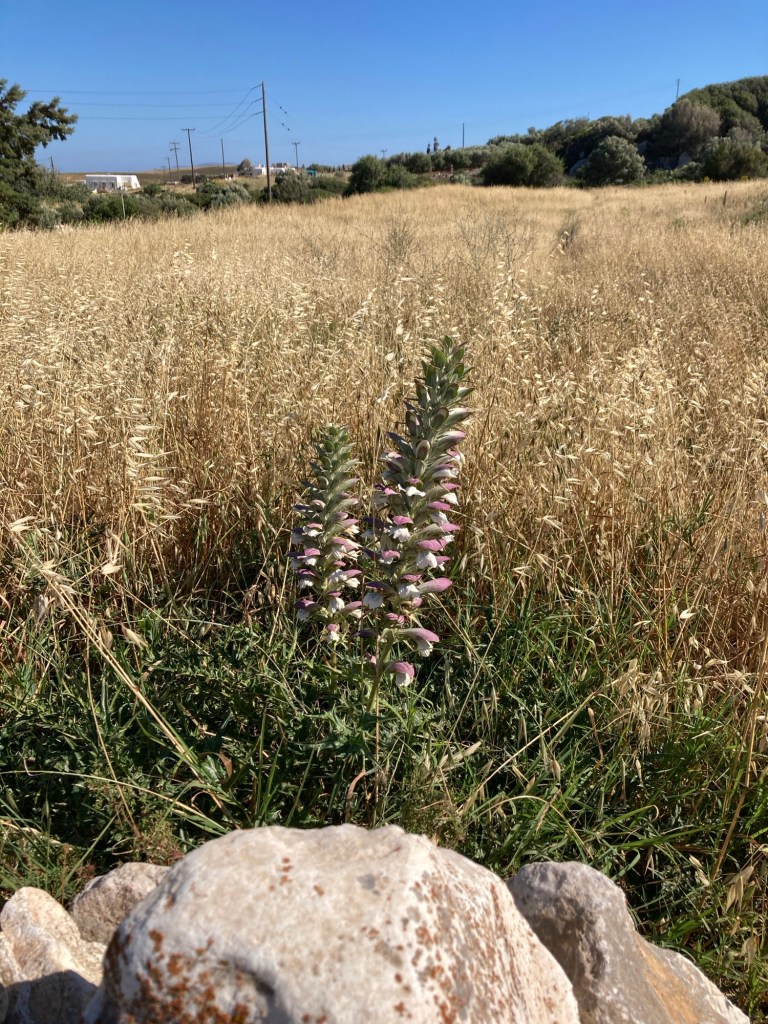
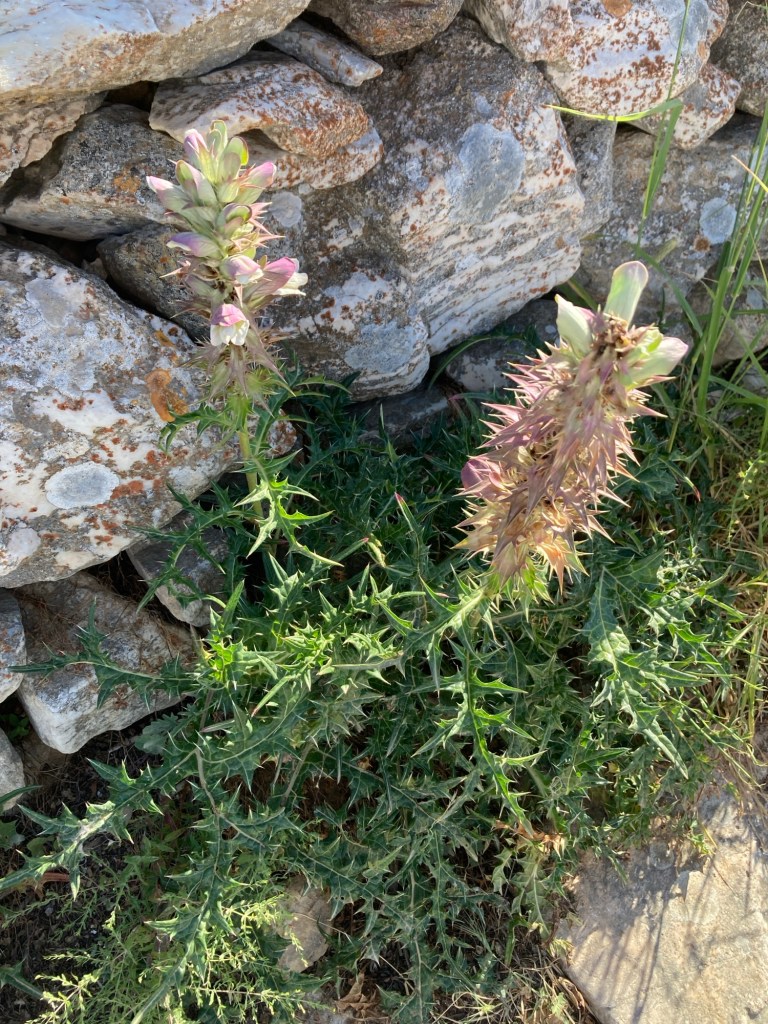
There was even a beautiful but thorny type of acanthus, which it took me a few sightings in different stages of its flowering to recognize as being related to the majestic version in its glory right now, back home in my garden.
I was so happy to be wearing my new hiking boots that kept me comfortable and mostly steady on the road that was sometimes dirt, sometimes roughly rocky and uneven, and often paved with wide and flat marble that had been polished smooth over the centuries.


The ubiquitous cats greeted us on the Byzantine Road, begging attention, which at least a couple of us were happy to give.
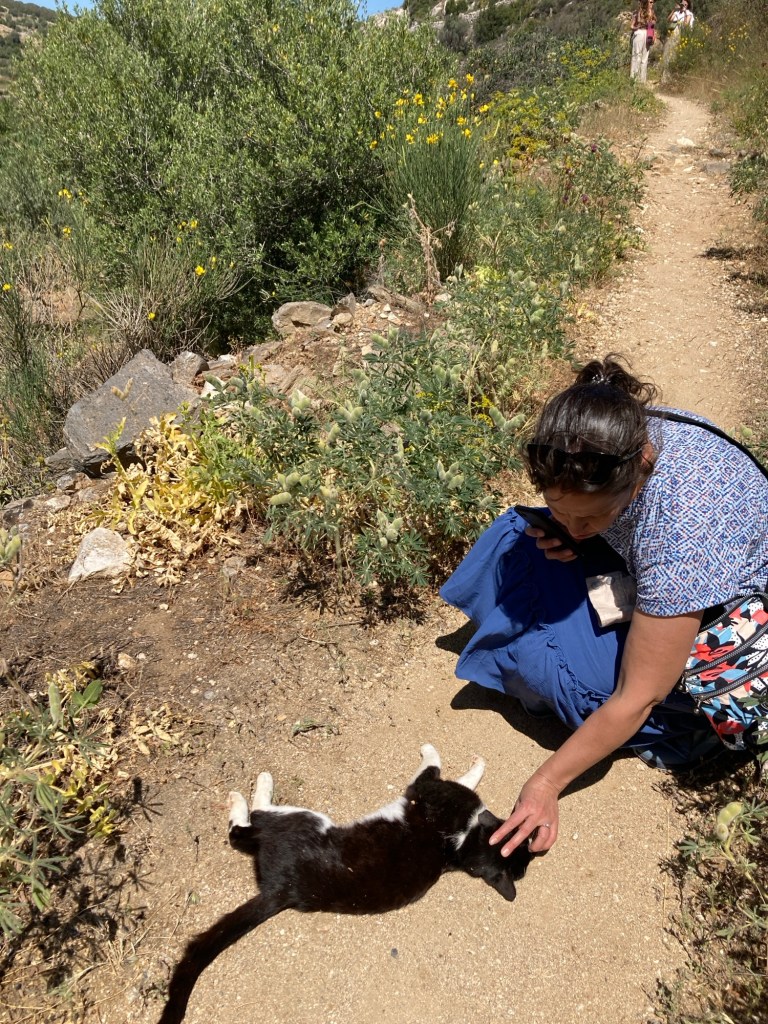
I was in my element, under the warm sun, so many interesting plants to see, with my favorite botanist partner and in the company of other family favorites, getting good exercise among terraced hills — it all was so healthy and alive that I could forgive the wind that tangled my hair, and the thistles that grabbed at my legs.

I hadn’t known ahead of time just how much of a nature walk this trail was going to be, and I couldn’t get over my good fortune at being the recipient of this blessing, accomplished through the labors of my girls, from Kate who was willing to drive to Maggie who buys us pastries.
Eventually our walking trail brought us back to our car in Prodromos, and we returned to our house across the island. At the end of the day we had walked more than five miles, and we all slept very well that night under Aegean skies.
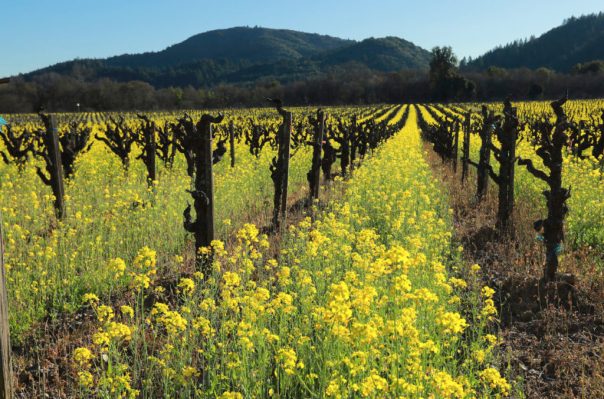
 Yes, that mustard above is mustard, and in this context it isn’t considered a weed that needs eradicating. It actually helps suppress the nematode population among the grapevines, because mustard contains high levels of biofumigants in the form of glucosinolates. Evidently the sharp flavor isn’t appreciated by the nematodes. However the mustard got there, it’s ubiquitous now, and beneficial.





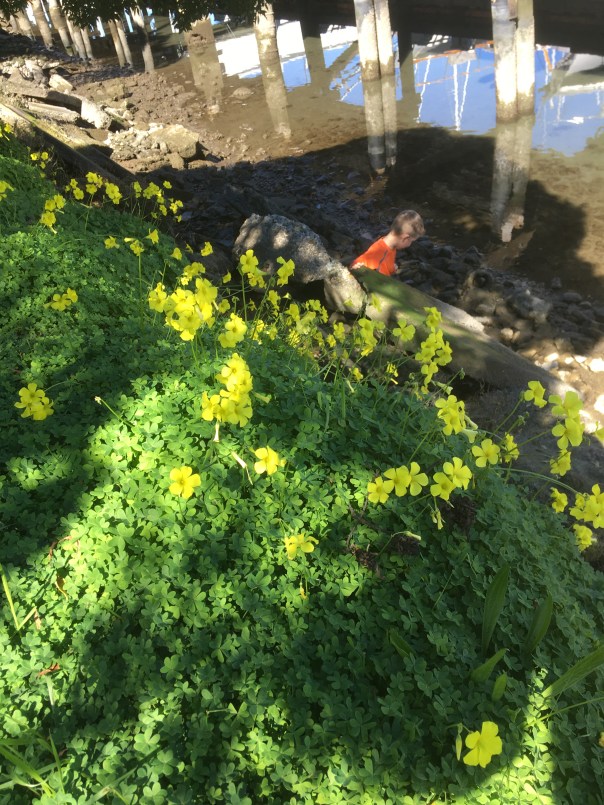
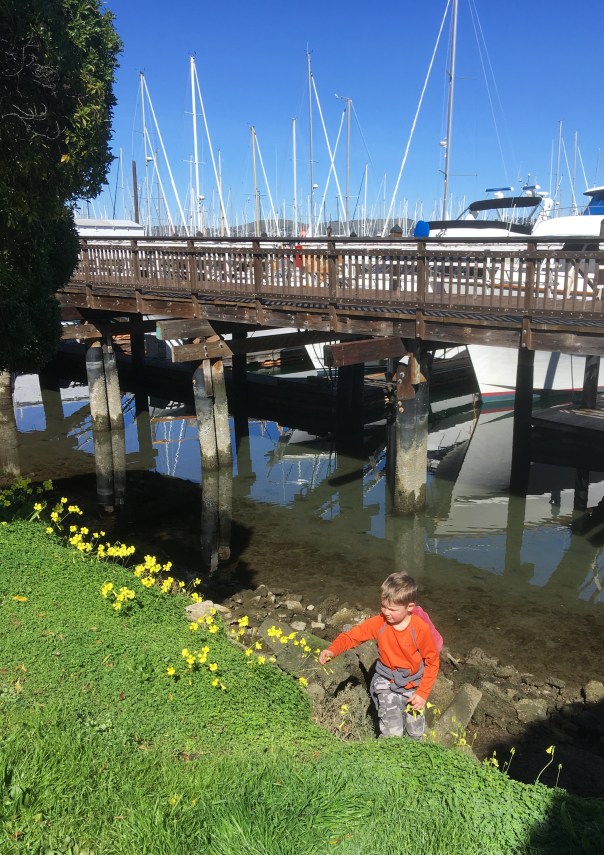
 Plantain was growing everywhere beneath our feet, mixed in with the oxalis. Scout told me that if you get a rash from stinging nettle you can chew some plantain and put it on the rash to soothe it. But there were no nettles in this neighborhood, and we left the plantain alone.











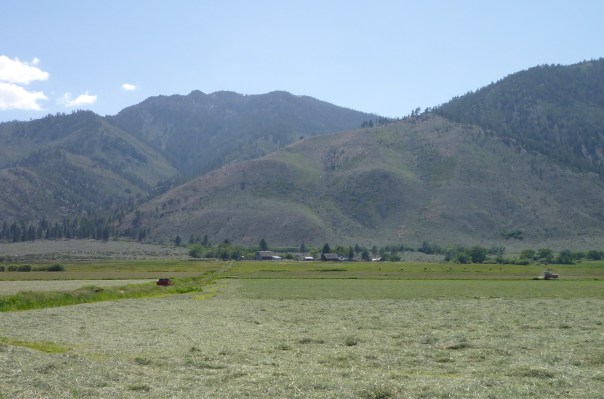
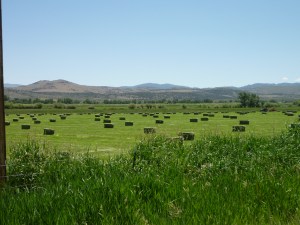
 I remember the first time I saw the Carson Valley in the state of Nevada, and my amazement at seeing lush green hay growing in the shade of the Sierra Nevada peaks, on the edge of the desert. That was at least 30 years ago, and on every visit since then, usually just driving through on the way to somewhere else, I have feasted my eyes and heart on those scenes of quietly grazing cattle, and sagebrush lining the roadways.
 rsed the mountains by wagon train in 1854.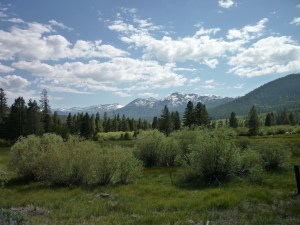


 ere finished and had already made thick pods from their flower spikes, but small flowers nestled into the granite gravel, and big bushes of wild roses grew close to the little creek we jumped over.
 few days, being together with my dear Nevada Family friends. We sat outdoors in the clean and dry, just-warm-enough air for hours catching up on all the concerns of our hearts and minds — well, as many of them as possible in this short visit. I’m looking forward to another trip over to that lovely Carson River Valley.
 Gladsome Lights