Orthodox Christian, widowed in 2015; mother, grandmother. Love to read, garden, cook, write letters and a hundred other home-making activities.
View all posts by GretchenJoanna →
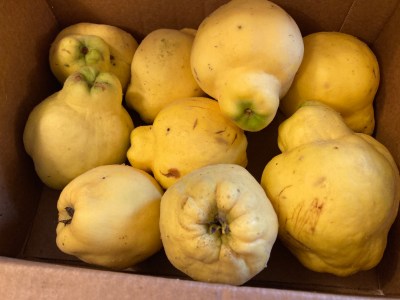
The friend of a friend who gave me quinces last fall has given from her tree again, bless her heart. This time she didn’t drop them off at church, but I drove across the county a ways to pick up two boxes of fruit at her gate. This I was more than happy to do, because it is a gorgeous drive through hills and valleys, small vineyards and large gardens, along winding roads where every kind of tree imaginable has been planted to round out the natural oak forest.
It has rained and drizzled off and on the last two days, so every tuft of grass or turning leaf is extra fallish and delicious, all the scents mixed up with each other in the damp air. After I picked up my quinces and started back home, I wished so much that I could take a long walk in that part of the country; but the roads are quite narrow, I could not find a shoulder to park on, and I wasn’t wearing good shoes for that kind of outing. So I feasted my eyes on the sights as I rolled along, while my nose drank in the quince perfume from the back of the car.
When I got home, my copy of The Complete Brambly Hedge had arrived, after being delayed for months. Maybe I never had bought one of my own, or maybe I gave it away, but earlier this year I looked and looked and could not find one in the house, so I ordered it. As I leafed through its pages this afternoon I recognized the drama of autumn in the wonderful pictures. I think if I had been able to take that walk in the country, and to peer under the bushes, I would likely have glimpsed scenes like this one, from “Autumn Story”:
Similar things are going on in my own garden, and not just among the smallest creatures. I walked around this afternoon trimming this and that, and pulling long pine needles off of everything. Sunday I found the first ripe fig on the fig tree; this is a whole month later than ever before. Mentions on my blog in the past tell of their beginning to ripen as early as the third week of August. Normally they continue ripening into November, so I hope I might get at least a month’s worth of fruit.
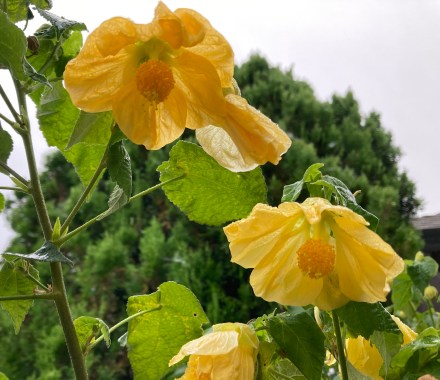
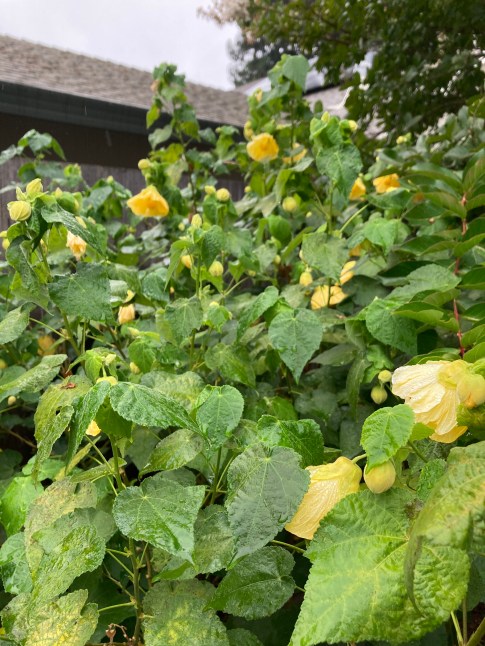
fallish echinaceaAbutilon
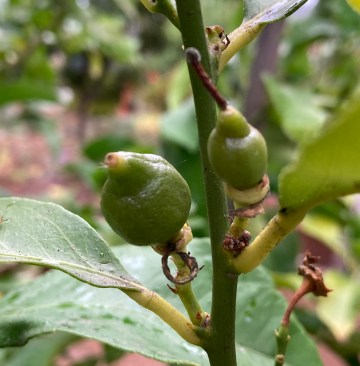
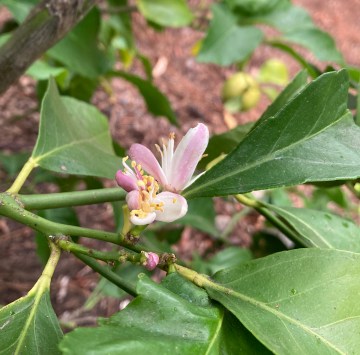
I picked all the remaining (18) lemons from the tree, and was glad to see that, contrary to my fears of there not being much fruit to ripen this winter, lots of tiny lemons have showed up (above), and even blossoms. Somehow my tree is turning out to be a sort of everbearing lemon. That’s okay with me!
Strawberry Tree
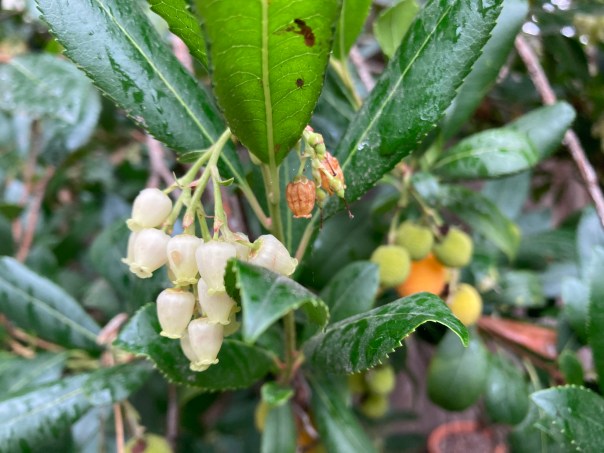
The arbutus we call the strawberry tree has both unripe fruit and blossoms as well. I remember the grandboys on a ladder picking the fruit one Thanksgiving, so those treats are yet to come as well.
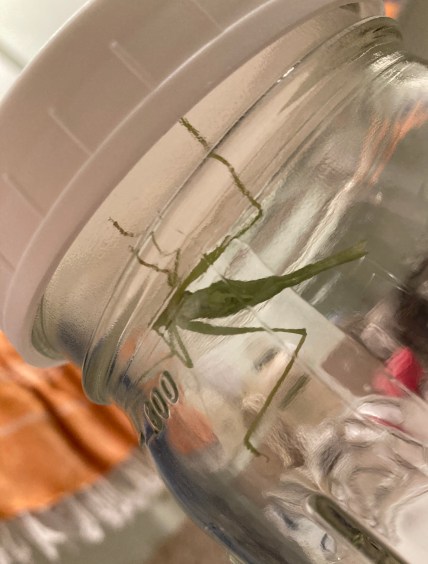
A Mediterranean Katydid visited me upstairs this week. I think I saw one of those here last year, too; do they like to come in the house for some reason? I assumed that this one would rather be outside, so after a couple of days of him migrating from one room to another and lastly surprising me on the bathroom faucet one morning, I got him into a jar and released him into the lemon basil clippings. But it was nice to have his company for a while.
Now — the lemons and quinces are calling me to get to work and put away their goodness against the winter. The sun is expected to come out tomorrow and we have some mildly warm days to look forward to; when the figs begin to come on strong I’ll be dehydrating them to put away, too. My own Autumn Story is one in which I am given, and am surrounded by, nourishing scents and fruits of the earth, and plenty of them.
“If people must not be taught religion, they might be taught reason, philosophy. If the State must not teach them to pray it might teach them to think. And when I say that children should be taught to think I do not mean (like many moderns) that they should be taught to doubt; for the two processes are not only not the same, but are in many ways opposite. To doubt is only to destroy; to think is to create.”
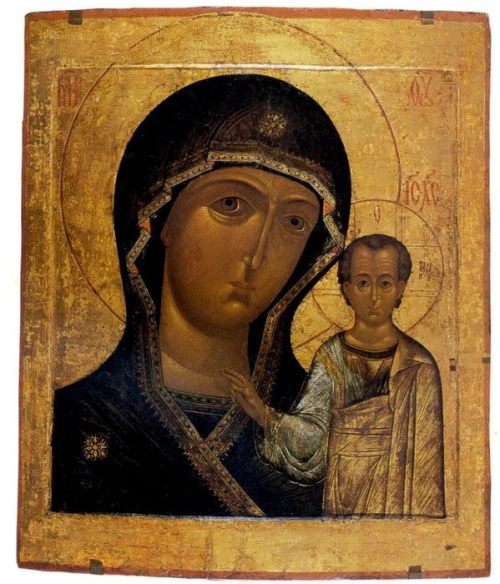
“The icon is silent. No mouths are open nor are there any other physical details which imply sound. But an icon’s silence is not empty. The stillness and silence of the icon, in the home no less than church, create an area that constantly invites prayer. The deep and living silence which marks a good icon is nothing less than the silence of Christ. It is the very opposite of the icy stillness of the tomb. It is the silence of Mary’s contemplative heart, the silence of the transfiguration, the silence of the resurrection, the silence of the Incarnate Word. A disciple of Saint John the Evangelist, Saint Ignatius, Bishop of Antioch, made the comment: ‘He who possesses in truth the word of Jesus can hear even its silence.’”



 rather be outside, so after a couple of days of him migrating from one room to another and lastly surprising me on the bathroom faucet one morning, I got him into a jar and released him into the lemon basil clippings. But it was nice to have his company for a while.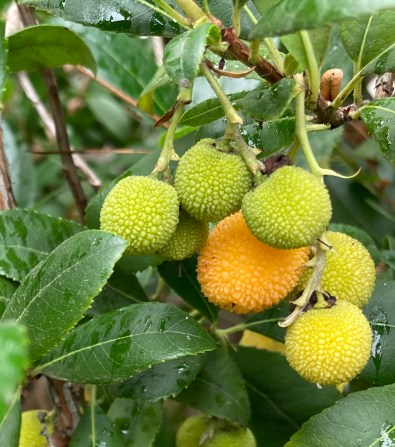

 Gladsome Lights