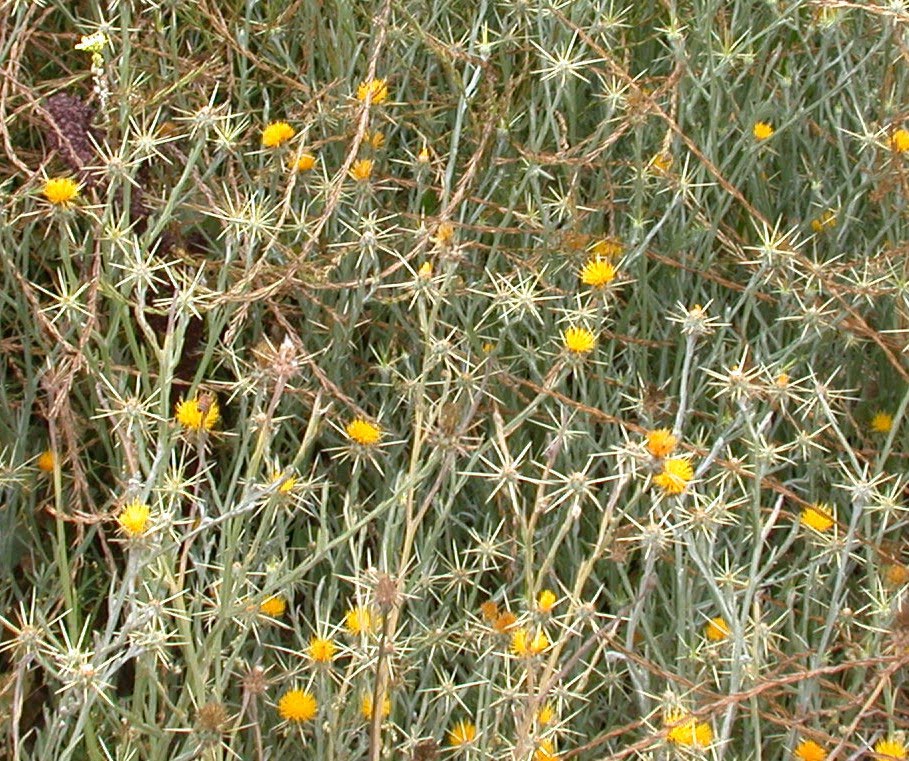
Summer isn’t glorious the way spring was, along the track we take driving north. On our way to Oregon the only flower I saw on the first leg of the journey was yellow star thistle, the most unfriendly plant, growing where I’d stopped to take pictures of lupines on my last two journeys. Oh, and buckeye, which I also don’t like. The hills are dry now, and “golden,” or just plain brown.
One plain and pale slope I glanced at reminded me of a drawing I had made in fourth grade, of a dalmatian dog standing in the foreground, with the familiar California foothills baking under blue skies behind him, and no trees to be seen. It got me thinking for quite a while, about how the hills I see more nowadays are peppered with oak trees, and therefore hadn’t connected to that odd crayon drawing that was tacked on a wall somewhere long enough to imprint into my brain.
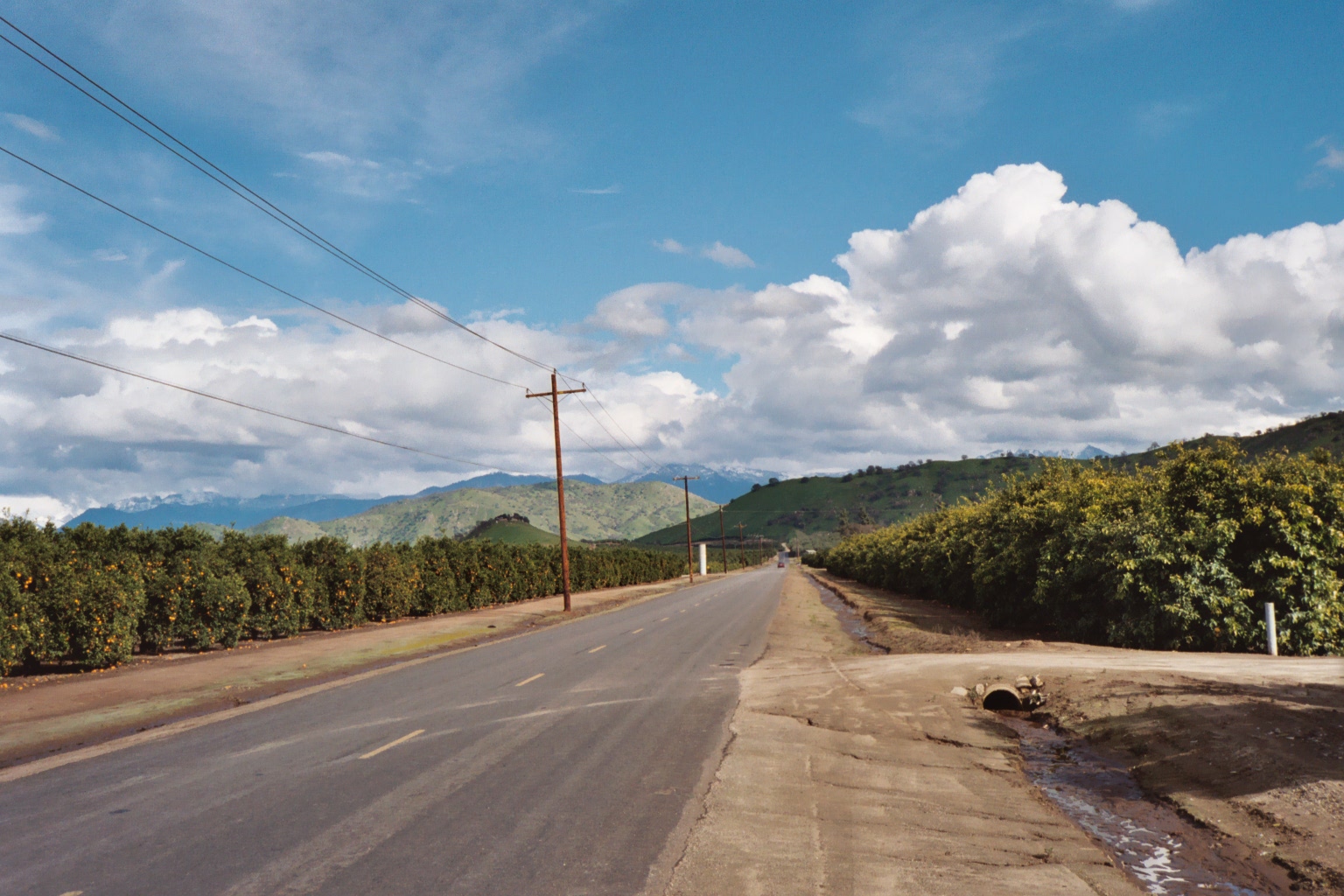
It was a great relief to get out of those foothills and into the valley where green things are loving the sun and heat as long as they get some of that precious California water to their roots: broad fields of tomatoes, sunflowers and safflowers in long rows, and the plantings of onions still with their flowers waving in the breeze. My heart swells seeing all the lush produce, comforted by the land producing so much food.
And oh! we saw in one huge field an amazing kind of machine, that will save the backs and knees of many a farm laborer. Unfortunately we passed by too quickly to get a good look at it, but it consisted of a couple of tractors, one on each end, slowly pulling a sort of rack, on which several men lay face down, with their hands in the dirt and moving quickly. We think they were setting out small plants.

Oleanders are another kind of flower I enjoyed on the way up Highway 5. When I was a child living in the arid Central Valley, oleanders were pretty boring, but as I don’t see them every day anymore I really appreciate them. There must be many thousands planted along the highways, and they are a delight in all their many reds and pinks and white, looking cheery and hearty in spite of 100° weather.
It was 108°, actually, as we went through the town of Redding, before climbing to slightly higher altitudes. I was grateful for the air conditioning, and thought back to my childhood when we had only a swamp cooler in one corner of the ranch-style house, with the girls’ bedroom at the other corner. When coming indoors after exposure to the wilting termperatures we children liked to wet our faces and stand right in front of it, never understanding why our parents thought this was a bad idea. I first appreciated my grandma’s humor when she wrote me once that she was about to “melt into a puddle of fat” because it was so hot in usually-temperate Berkeley, and when I feel limp in the summer I always smile over this image and her spirit.
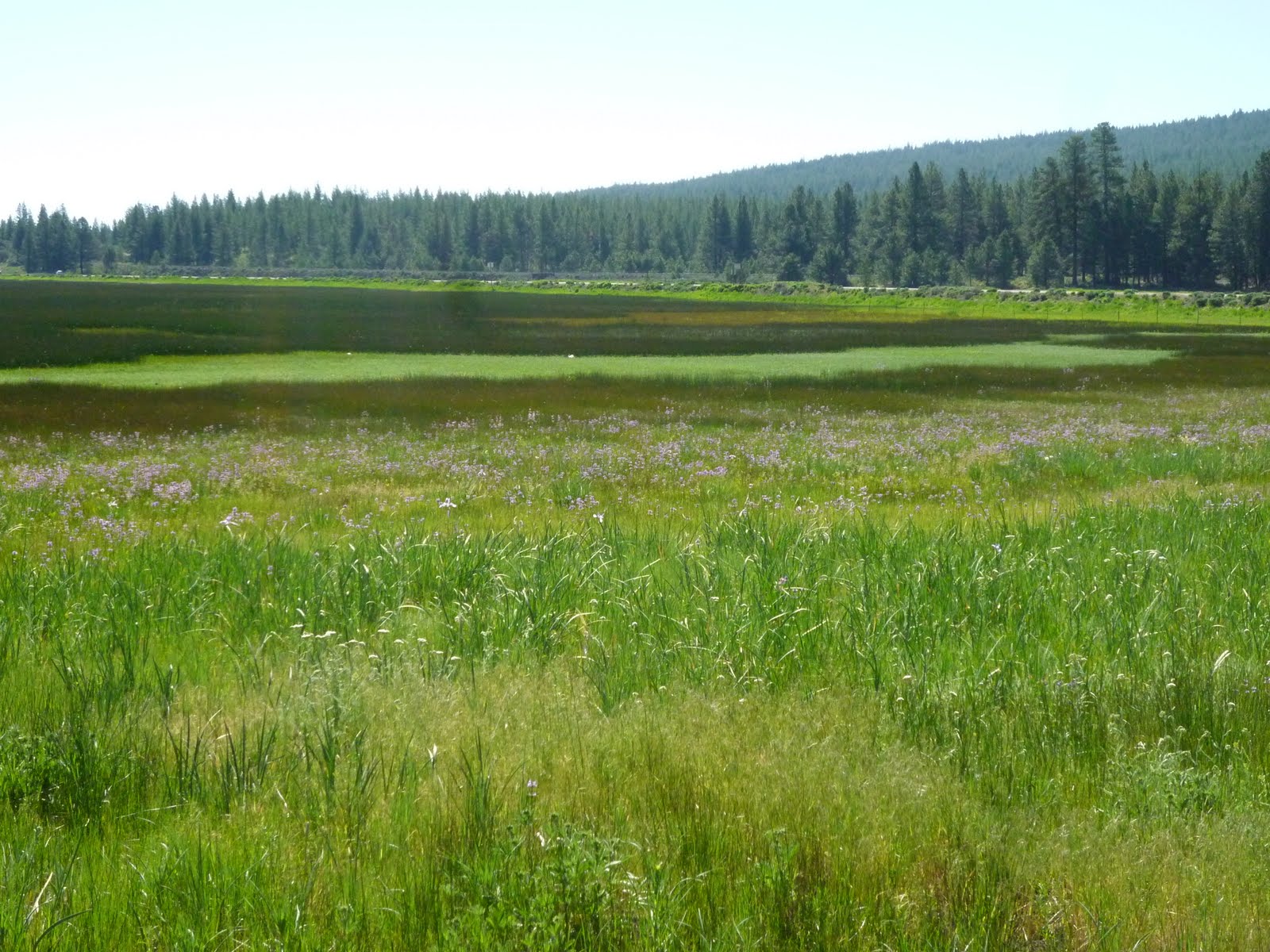
We stopped at Pippin’s house for a night on our way, where the temperature was 20 degrees cooler. The next morning, before crossing the state line, we stopped by Grass Lake, a lush and green place where a hundred gulls were congregating and making a ruckus. In this northeast corner of California you often find landscapes like this with layers of color and texture created from sagebrush, conifers, and wetlands. It all makes an ever-changing feast for the eyes. But in less than an hour we will be in Oregon–finally! More on that soon.


 Gladsome Lights