The poem below expresses different aspects of my life of late. I’ve been reading David Bentley Hart’s book The Experience of God, and there is so much in there about how our life is a mysterious gift. We did not bring about our own existence, and we can’t keep ourselves alive, either. Why should we be here? Why is anything here? I’ve been meditating on that amazing everyday occurrence of waking up in the morning, even as I am coming out of my dreams into consciousness. Some days it takes longer than others for me to remember, “I am here, God was with me through the night and Dear Father, You are here with me in my bed this morning, and will be in me all day long.” Sometimes I lie there just being happy in His presence — especially when He wakes me up extra early.
Father Stephen Freeman spoke of the same reality in a podcast I listened to, saying, “If God did not immediately and relentlessly will good for us, then no one would even continue in existence. Being and existence are inherently good things. The very fact that we exist is itself a witness of God’s good will for us.”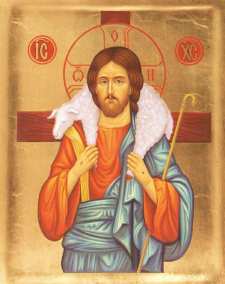
I realize most people can’t be so slow and lazy about the start of their day. I am really really grateful, though, that most days I can take the time for this remembrance, because there is also this other attitude in me, of fear and unwillingness. I don’t like meetings with strangers about financial matters, or having to decide what work should be done on my car. It’s not a constant thing, but a feeling of vulnerability does distract me.
Once when we were on a camping trip in the mountains, four-year-old Soldier was looking out the window of the car at the curvy highway and the steep drop-off just to his left. He turned to Baby Kate and said brightly, “God is keeping us on the road, Kate!” He must have thought his father needed help driving. I need to remind myself in these morning meditations that this day I am not trusting strangers who might not be worthy of my confidence, but I am trusting the One Who gives me existence to give me whatever else I need.
TRUST
It’s like so many other things in life
to which you must say no or yes.
So you take your car to the new mechanic.
Sometimes the best thing to do is trust.
The package left with the disreputable-looking
clerk, the check gulped by the night deposit,
the envelope passed by dozens of strangers—
all show up at their intended destinations.
The theft that could have happened doesn’t.
Wind finally gets where it was going
through the snowy trees, and the river, even
when frozen, arrives at the right place.
And sometimes you sense how faithfully your life
is delivered, even though you can’t read the address.
–Thomas R. Smith
 One of the books that Richard Wilbur wrote for children is Pig in the Spigot, which any lover of words should enjoy, whether you are a child or not. I can see reading it with a child who is well on the way to reading, but when I was homeschooling I often would introduce material “too early,” and that can work, too. If used with a notepad and pencil, I bet I could make this book serve as reading/phonics lessons for at least a week.

