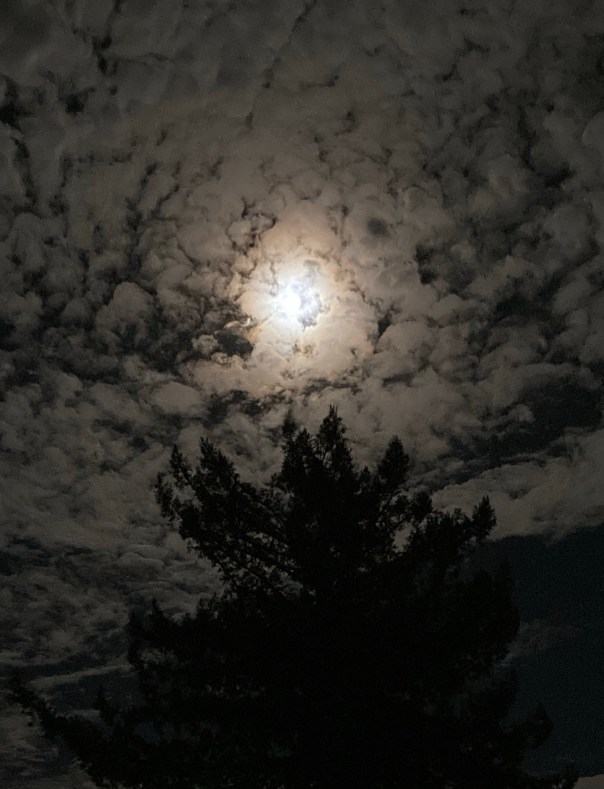
I saw that Hunter’s Moon the night before it was full, then out my bedroom window the next morning as it was near to setting, and again last night at its max. I got to feeling very familiar with that lovely Hunter. This was the view from my front yard to the east:
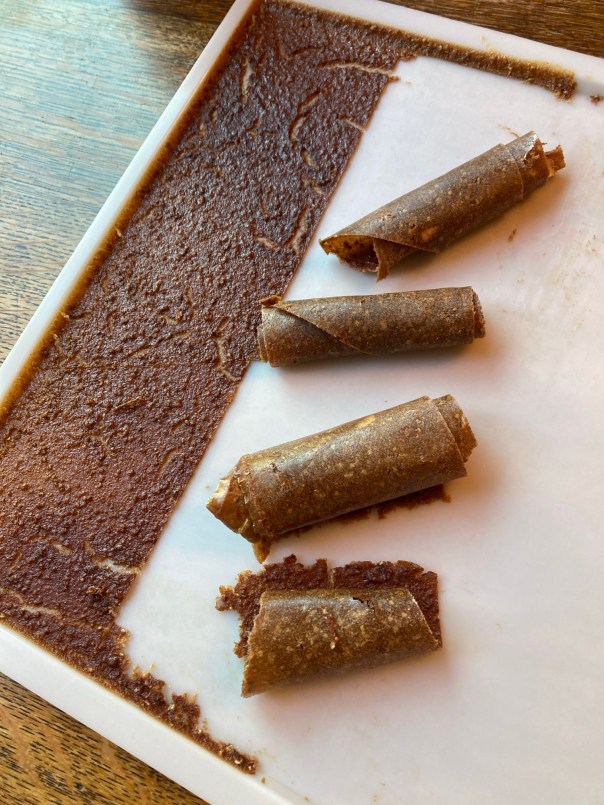
After a few drops of rain, we are back to mostly clear skies, with cool mornings and pleasant afternoons. The feijoas keep ripening, and I discovered that I don’t have to wait for them to fall, to know if they are ripe. Many of them are so near to falling, they come off at the merest touch, so I’ve taken to touch-testing them.
I read more about the feijoa on websites in New Zealand, where it is considered by many to be the unofficial national fruit, and it’s common to have one or several trees in your back yard. People might harvest pounds and pounds of feijoas (down there they don’t call them pineapple guavas) and eat them in many ways during the winter. They don’t like to throw away the skins, even after they have scooped the flesh out. If compared to the lemon peel, they say 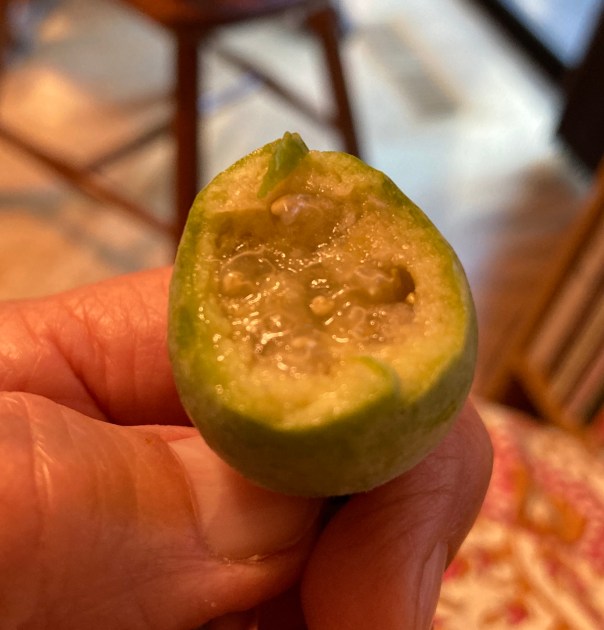 it has a “floral and eucalyptus-tinged green note (from its myrtle family) that lemons lack.” Its tartness has been described as less intense than that of lemons, “a blend of citrus peel and green apple skin.” Eating the whole package together sets my taste buds to ricocheting wildly.
For more than a year, off and on in the briefest of spurts, I have worked at memorizing the “stanza of the month” of Henry Wadsworth Longfellow’s “The Poet’s Calendar”; there are twelve verses, one for each month. I even got so far as writing a few in one of 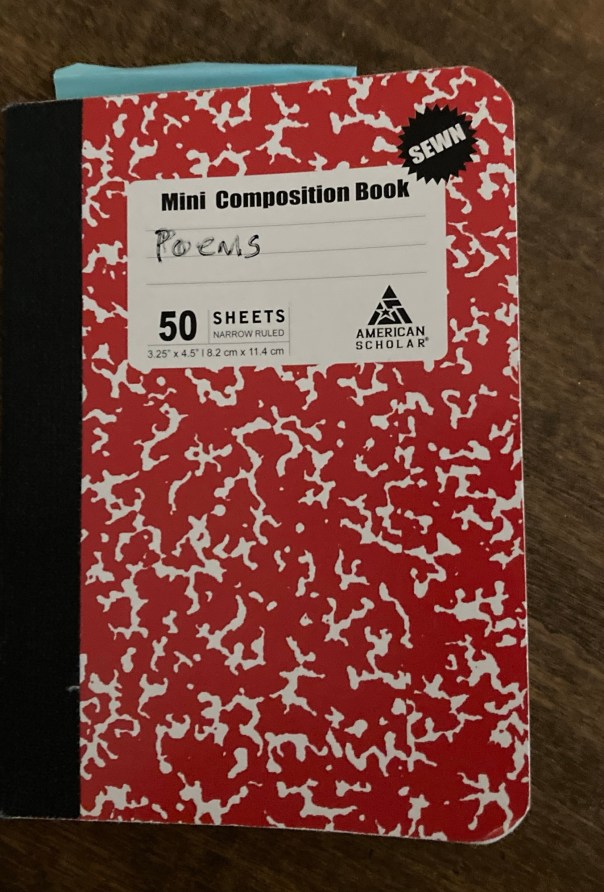 these little booklets that are handy to take on walks. This afternoon I wanted to read poetry, but I also wanted to wander under those blue skies, so after making sure the autumnal stanzas had been added to the Mini Composition Book, I headed out the door. My phone’s battery was nearly dead, so I left it at home, and was blessedly without the option to take pictures.
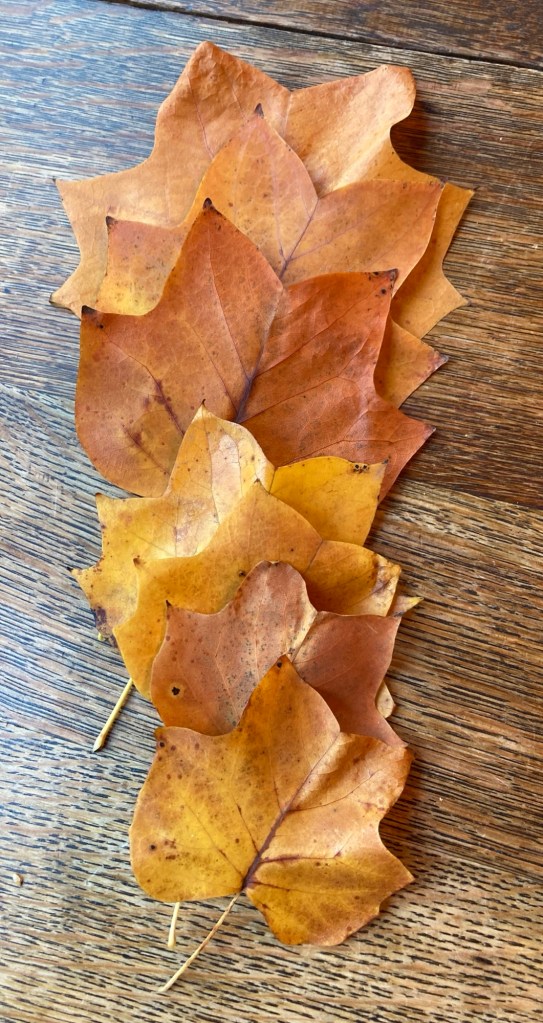
I had ignored this poem through several months, but today I tackled the October and November parts as I walked, crunching acorns, along the paths and sidewalks where in some places the scent of baking redwood needles came up from the ground, and in other places leaves lay waiting there for me to notice and pick them up.
October
My ornaments are fruits; my garments leaves,
Woven like cloth of gold, and crimson dyed;
I do not boast the harvesting of sheaves,
O’er orchards and o’er vineyards I preside.
Though on the frigid Scorpion I ride,
The dreamy air is full, and overflows
With tender memories of the summer-tide,
And mingled voices of the doves and crows.
-Henry Wadsworth Longfellow
In “The Poet’s Calendar” all but one of the months of the year are characterized by an astronomical constellation and/or a mythological figure that Longfellow ties into the weather and agricultural customs of the season. Was it the perfect weather of this afternoon that made it easy to learn these few lines? Or maybe only the particular, evocative images he sketches. I hope my memorization project will be a little less sporadic from now on, so that my own “tender memories” might be enriched by more Poems Along the Paths.
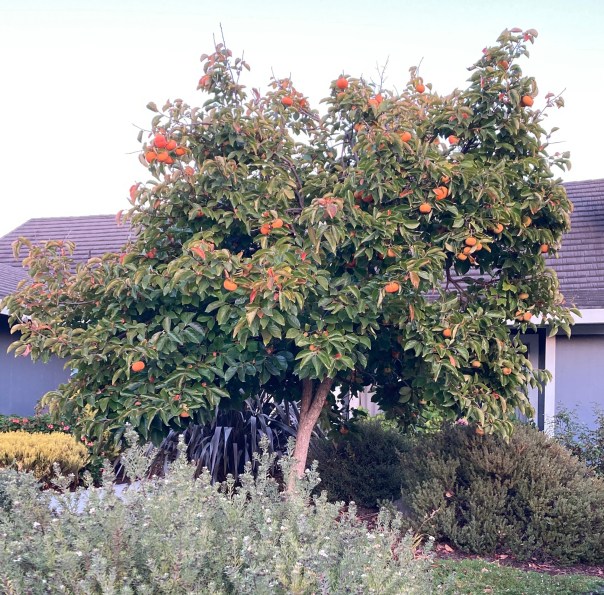
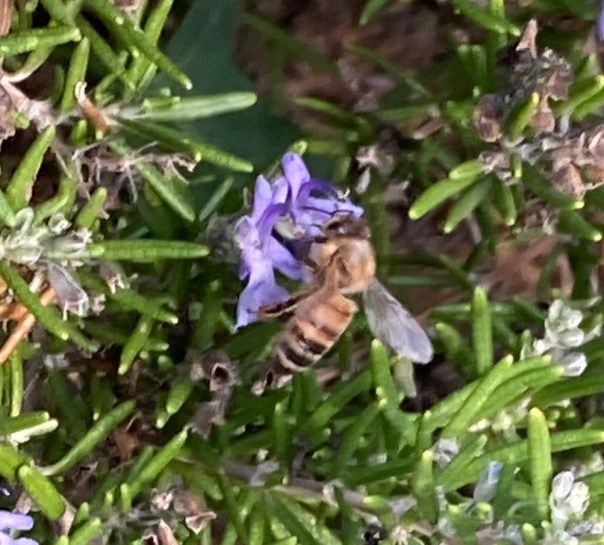
My neighbor’s Fuyu persimmon tree is certainly decorated beautifully, its whole self an ornament to our street. And it might be that same front yard where I saw a lone honeybee drinking at a rosemary bush. The poor thing seemed to be finding most of the flowers empty, and moved quickly on….
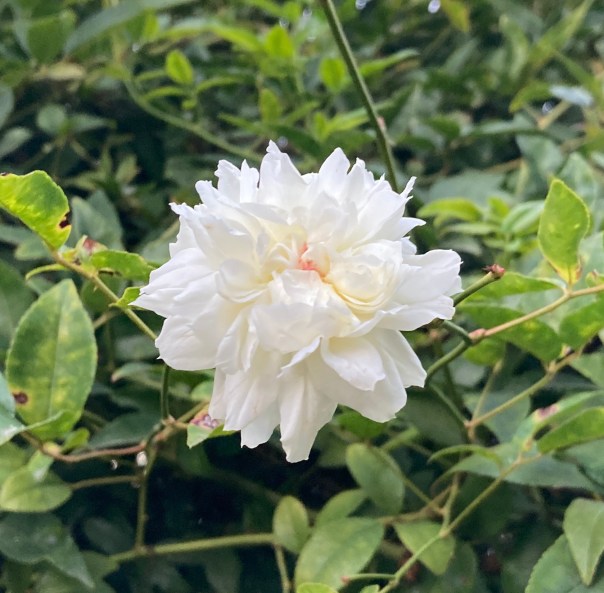
A few roses hang on to the tall hedge along the path. I hope the bushes can let go of summer pretty soon and enjoy a nice rest in dormancy for at least a few months. I’m looking forward to some of that myself — but not while it is still October!
 This week I discovered Longfellow’s poem, “The Poet’s Calendar,” and I liked it so much I decided to memorize it, starting with the April section. Just before dusk today, as I was ambling along the creek path, I worked on those several lines, which are so musical, within a few minutes the words had flowed right into my heart. Two sorts of hearts are featured in the poem.