Last night, before the snow and piercing wind arrived, and after the children had gone to bed, the two men decided to take a walk, with the thermometer showing 3 degrees. They bundled up to the max, and set out with beers in hand, just for the fun of it. I turned in before they got back, but this morning they said it had been a fine outing.
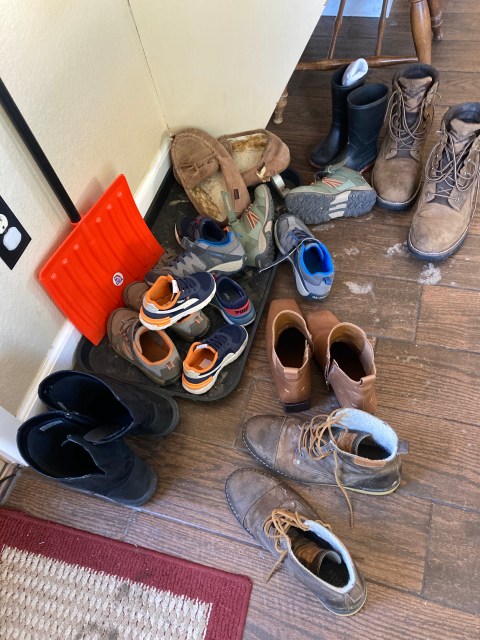
I’ve arrived in Colorado at the home of my son “Soldier” and his family. Kate and her family are also here, which adds up to six grandchildren, four parents and one grandma. We knew it was going to get very cold, especially today, so we went on our outings the days before.
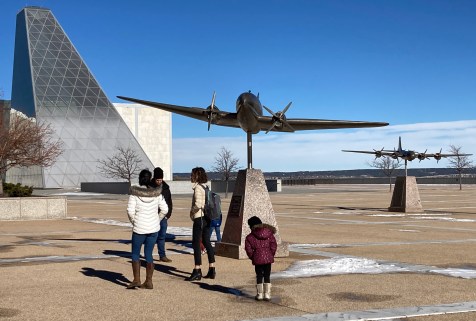
First a trip to the Air Force Academy in Colorado Springs, where before we took in a planetarium show, we looked at statues of historic airplanes, and one uncle set the older boys to racing.

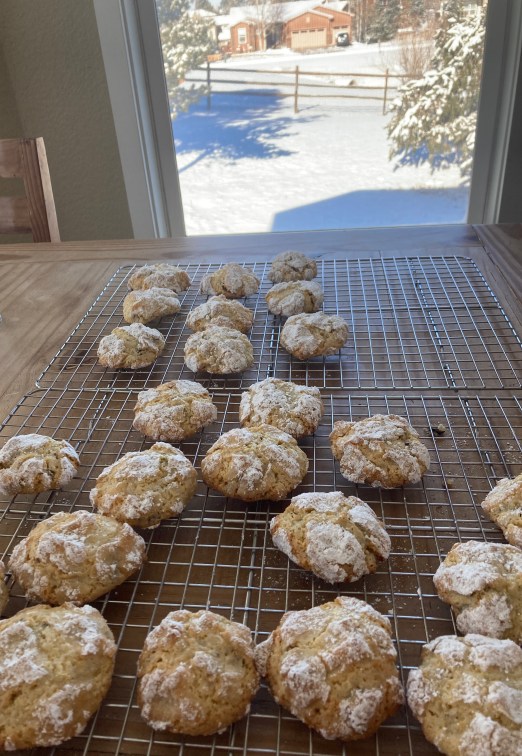
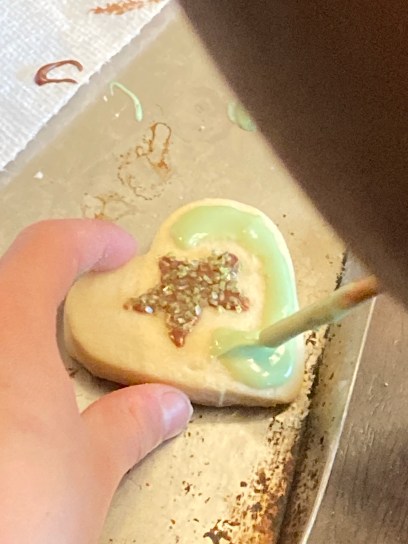
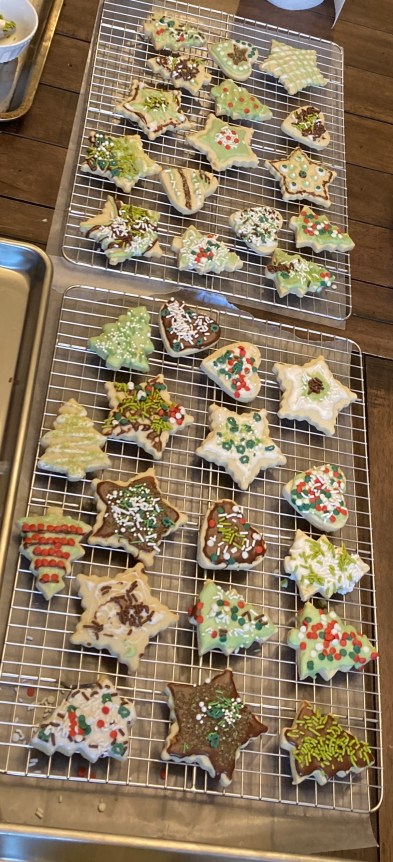
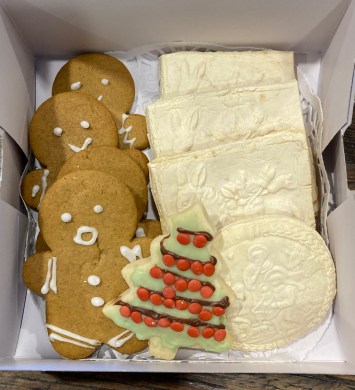
In the evening yesterday we all went caroling in the neighborhood. The thermometer was dropping fast toward zero, so we started out at dusk and sang at several houses in the neighborhood, where at least two people came out and stood to listen to us, in spite of the frosty air. Joy had baked sugar cookies, springerle and gingerbread men, and we had an all-family session decorating the sugar cookies, which she added to boxes for certain neighbors.

Kate’s and Soldier’s families haven’t ever lived close enough to each other for the cousins to know each other. The four-, five- and six-year-olds have especially enjoyed each other. All the kids received matching pajamas at their first bedtime together, which provided a lot of fun. They were all happy!

This morning when I woke it was -16. I understand that the middle regions of the nation generally are experiencing similarly extreme weather; many of you have your own stories to tell. In the Front Range of the Rocky Mountains where we are, it’s fairly dry at 7,300 ft elevation, but more snow did fall and added to what was lingering.

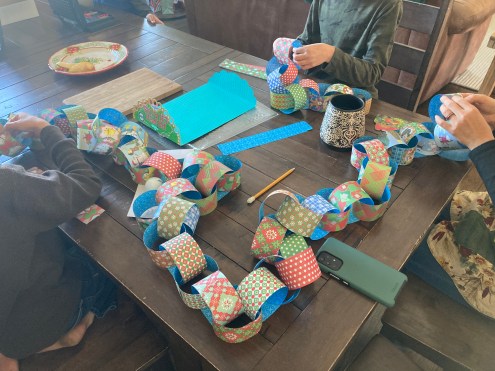
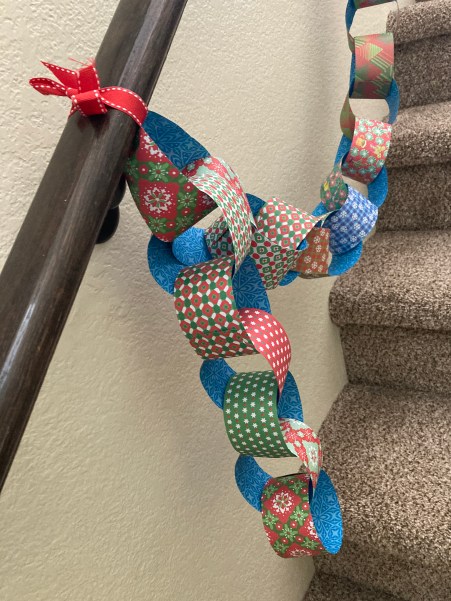
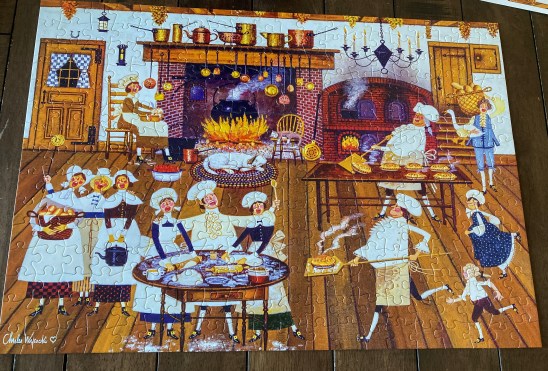
It’s really fun to participate in all the lively activities that I didn’t have to plan or prepare for, and even just to watch the other groupings playing chess, making decorations, building with magnatiles, assembling a jigsaw puzzle or practicing their drawing skills together. Of course we have been doing a lot of reading aloud, and all the children watched “The Snowman” video with Grandma.

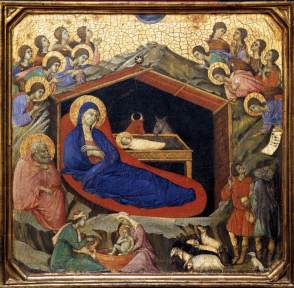
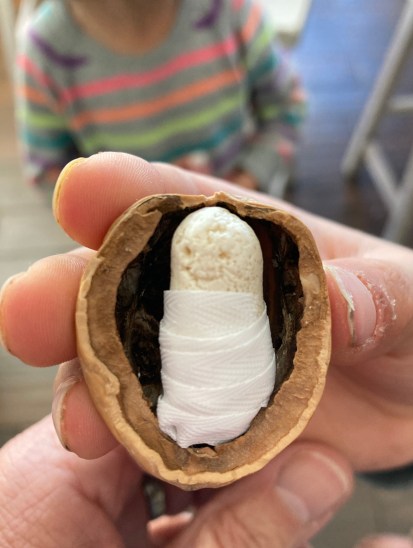
Decades ago I helped my children to do a “baby-Jesus-in-walnut-shell” craft, and this week Joy had all the ingredients for a new and improved version, which all the children enjoyed immensely.
Soldier baked a new kind of cookie for Christmas this year, a flourless meringue with figs, orange zest and almond paste, which are fantastic. I’m planning to bake them myself and I will share the recipe.
Many more fun and Christmasy things are planned in the next few days, which I hope to tell about here, but I wanted to put up this post on the coldest day I’ve ever known.