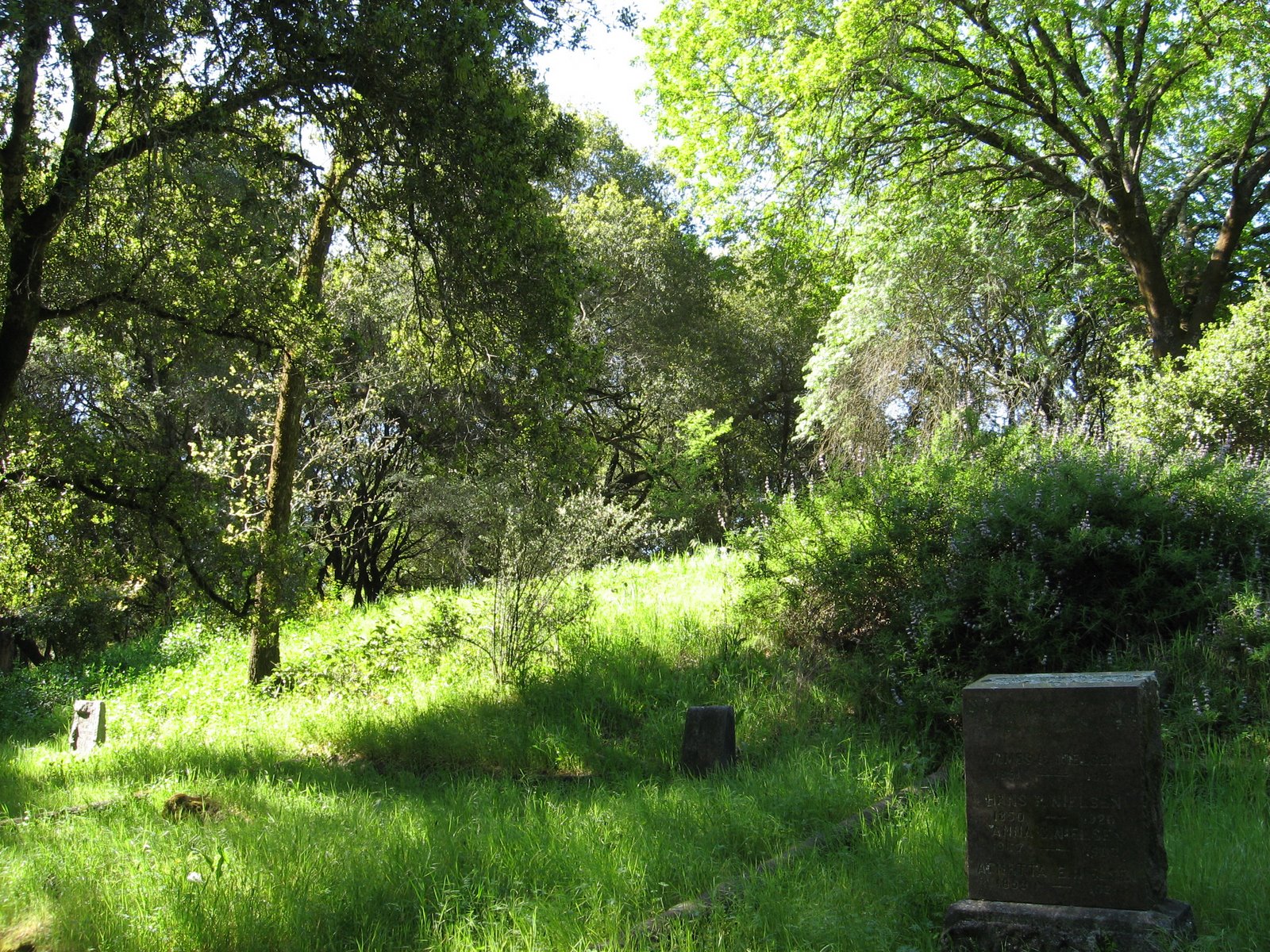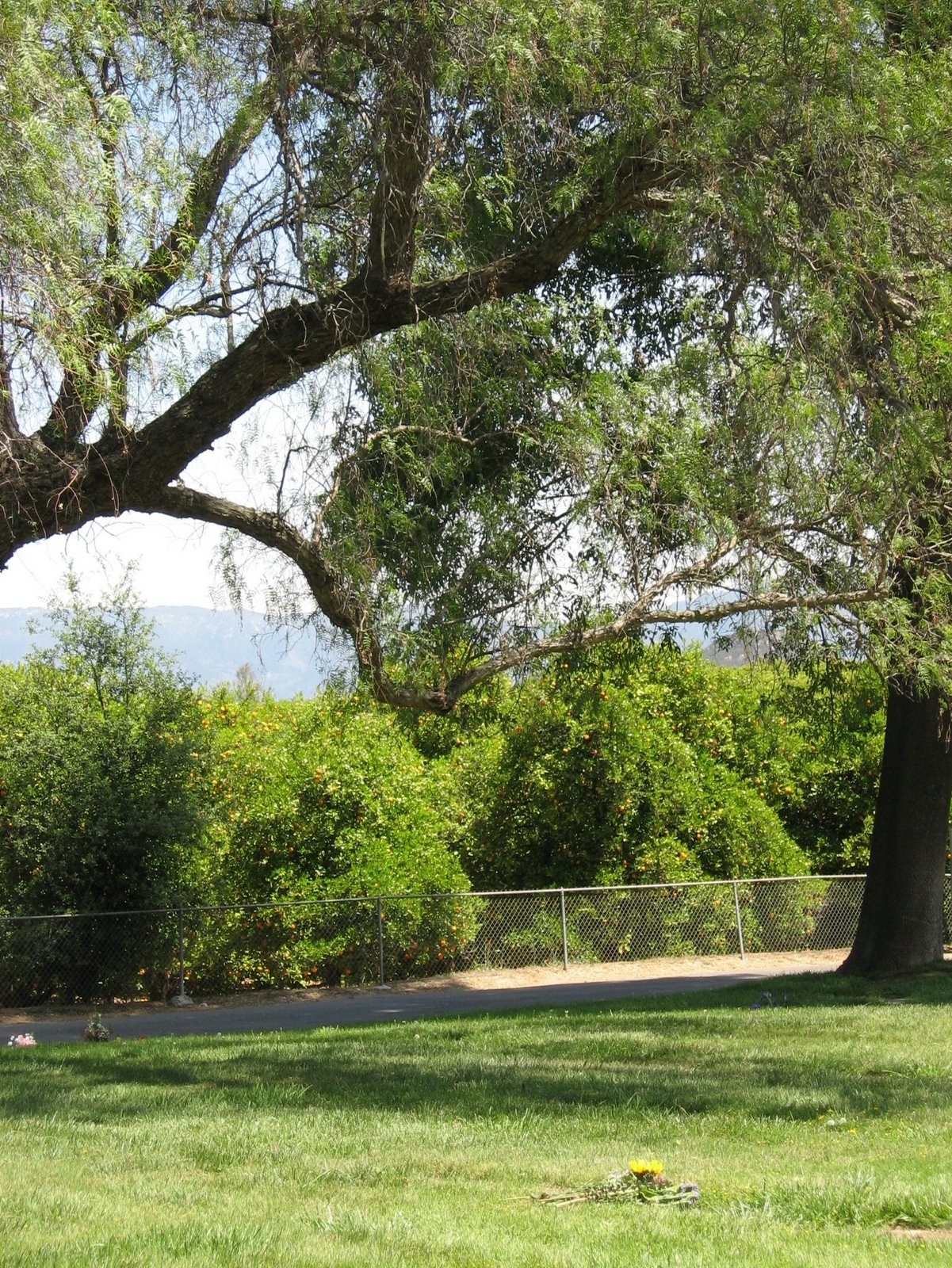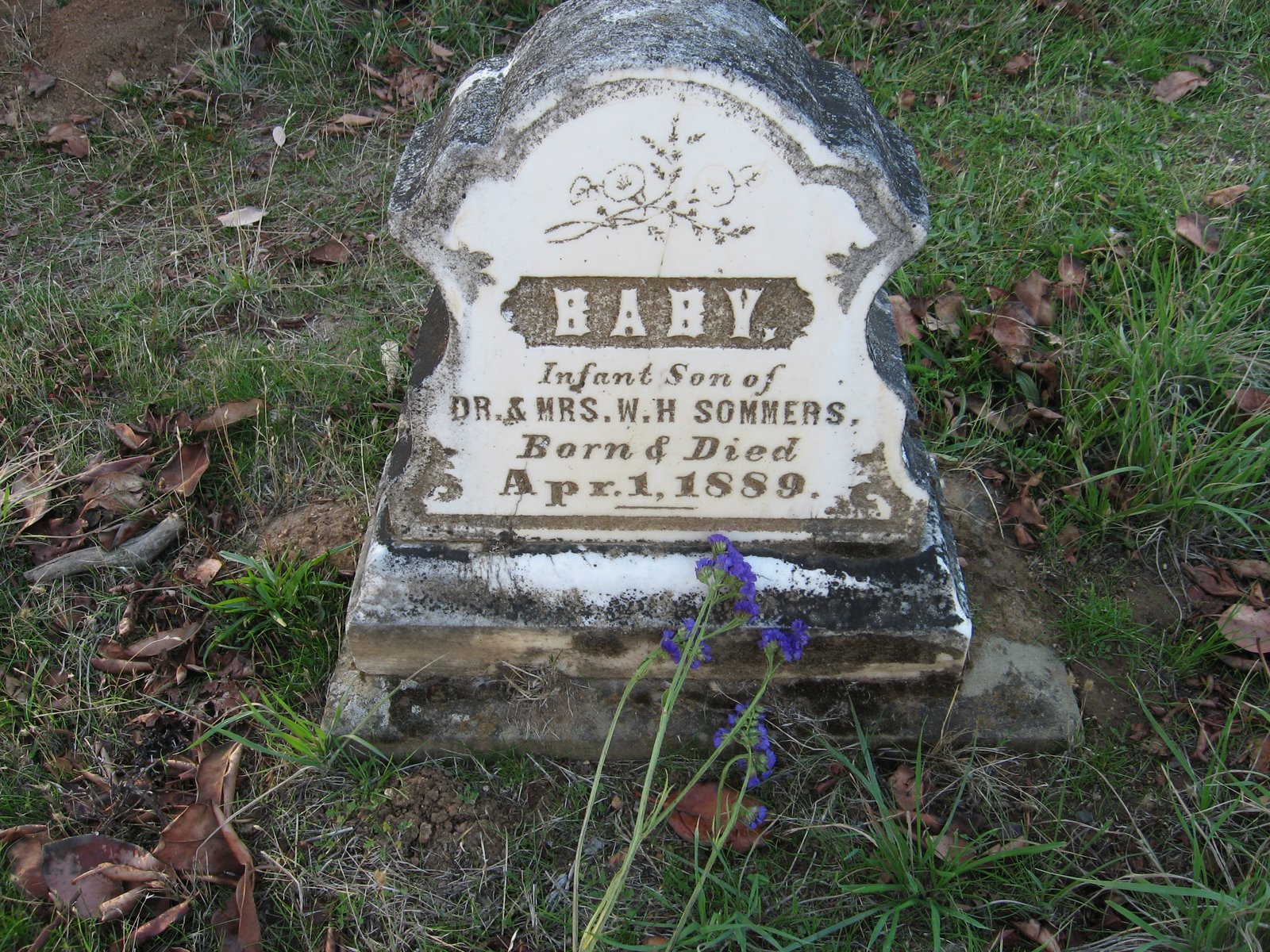
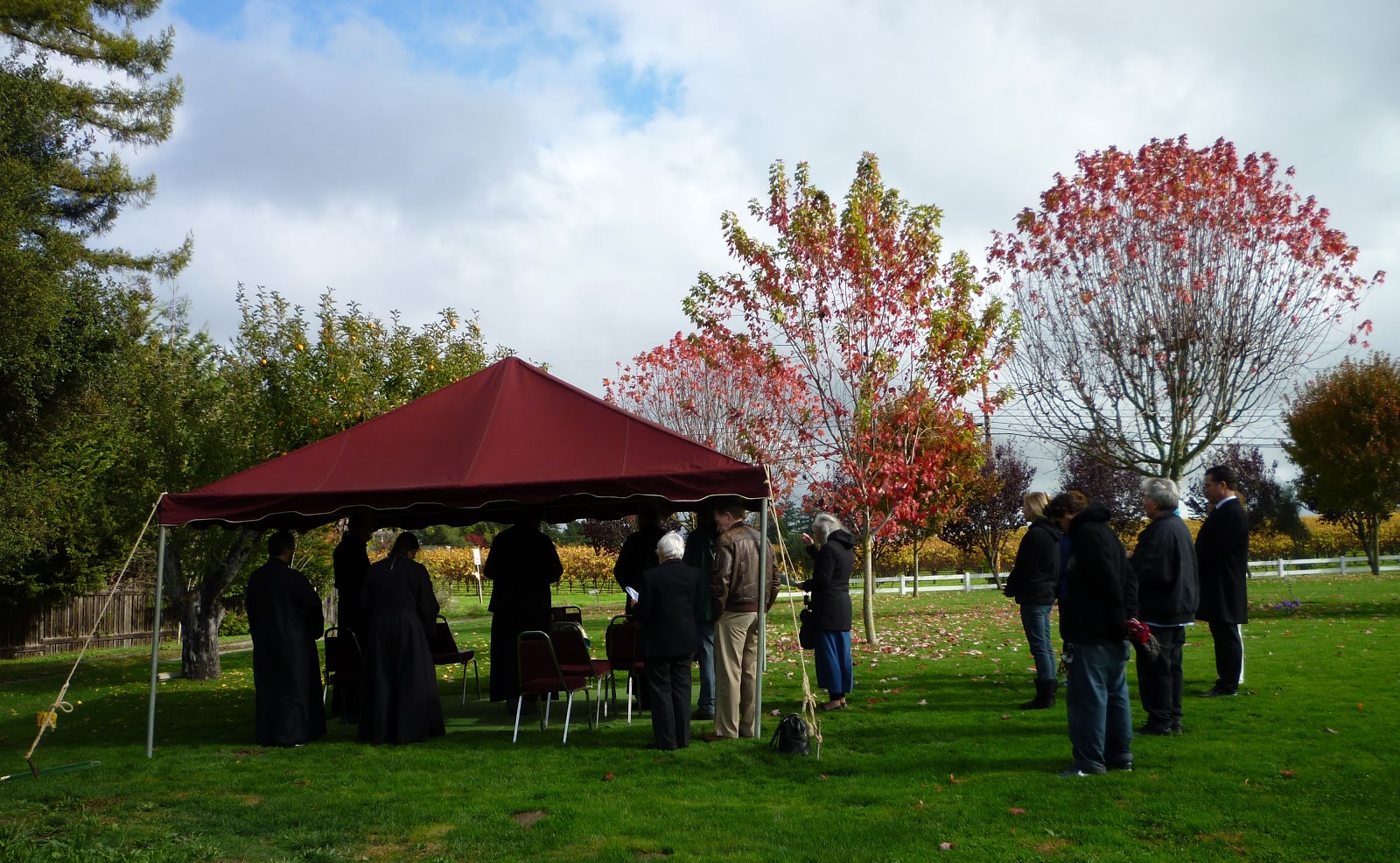
When our rector went to a nearby cemetery to bless a section designated for new gravesites, I was eager to go along and be among those praying and singing. A small group of us gathered at noon after a morning of rain. The light changed often as the clouds came between us and the thin autumn sunshine. The trees cast shadows in the middle of the day, and I never took off my fleece jacket.

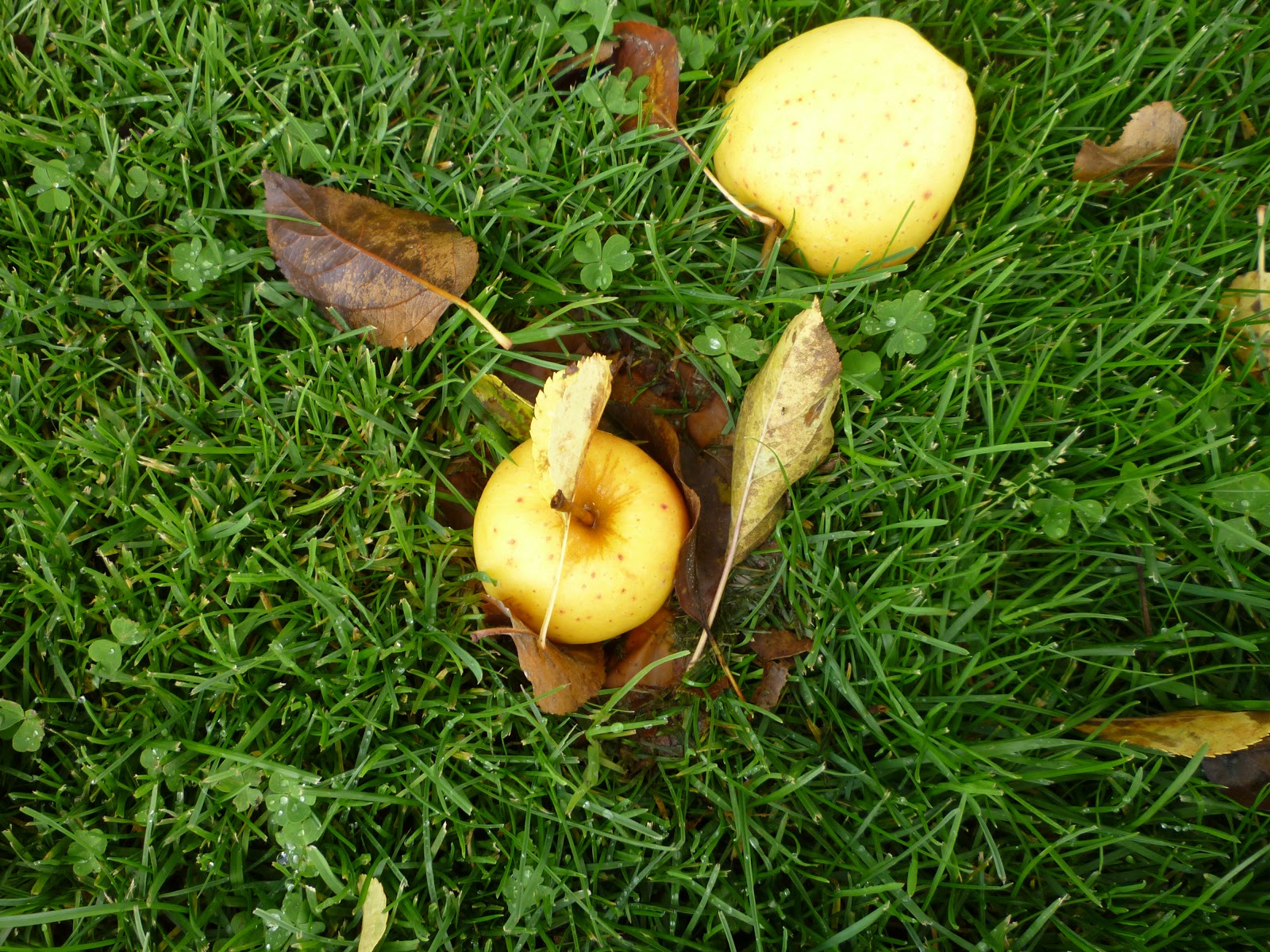
Not long into the service three words, “quickly flowing life,” pressed on my mind, referring to our earthly existence. It seemed the perfect time of year for this opportunity to turn our minds to death and corruption; I could see the vineyard across the street all in gold, and apples had fallen from trees all around the awning that had been set up for us.
 Strangely enough, my husband was in another town not far away, attending the funeral of a Christian man. His body was put into the grave at about the time we were hearing the Gospel reading, about how Joseph of Arimathea took Christ’s dead body and cared for it. Here is the account from the Gospel of John:
After these things Joseph of Arimathea, who was a disciple of Jesus, but secretly for fear of the Jews, asked Pilate that he might take away the body of Jesus, and Pilate gave him permission. So he came and took away his body. Nicodemus also, who earlier had come to Jesus by night, came bringing a mixture of myrrh and aloes, about seventy-five pounds in weight. So they took the body of Jesus and bound it in linen cloths with the spices, as is the burial custom of the Jews. Now in the place where he was crucified there was a garden, and in the garden a new tomb in which no one had yet been laid. So because of the Jewish day of Preparation, since the tomb was close at hand, they laid Jesus there.
Our bodies are temples of the Holy Spirit, and when at death our souls are separated from our bodies it is right that they be laid in the earth to await the resurrection. Fr. Alexander Schmemann (in an article that is worth reading in its entirety) makes clear what is Christian faith as regards this event:
…it is with faith or unbelief, not simply in the “immortality of the soul,” but precisely in the Resurrection of Christ and in our “universal resurrection” at the end of time that all of Christianity “stands or falls,” as they say. If Christ did not rise, then the Gospel is the most horrible fraud of all. But if Christ did rise, then not only do all our pre-Christian representations and beliefs in the “immortality of the soul” change radically, but they simply fall away.
…..
He alone arose from the dead, but He has destroyed our death, destroying its dominion, its despair, its finality. Christ does not promise us Nirvana or some sort of misty life beyond the grave, but the resurrection of life, a new heaven and a new earth, the joy of the universal resurrection. “The dead shall arise, and those in the tombs will sing for joy…” Christ is risen, and life abides, life lives… That is the meaning; that is the unending joy of this truly central and fundamental confirmation of the Symbol of Faith: “And the third day, He rose again according to the Scriptures.”

The soul won’t be separated from the body forever, but for a time the body will be as asleep, while we anticipate our rising, when we will sing with joy at the final defeat of death. Until then, this spot on the earth would be as good as any for waiting.
When the service was over, we were invited to pick as many apples as we wanted from the trees, which I think were Golden Delicious. It didn’t take me long to finish my apple. The service was less than an hour. In a couple of months there won’t be any leaves left on the vines or the apple trees, and the years of each of us are quickly flowing.
Lord, teach us to number our days, that we may apply our hearts to wisdom.
[We had no idea of it at the time, but not three years after I wrote this post, my husband joined the ranks of those waiting here for that rising.]
 Our family has never tried to analyze what draws us to cemeteries. But our photo albums and memories are full of pictures from wandering through many such places all over the world. Last December I snapped this photo of our soldier son at the Golden Gate National Cemetery in San Bruno, near San Francisco. We had some time on our hands and we noticed this vast military cemetery nearby, so we decided to stop in.