Ten years ago, when I was reading The Supper of the Lamb by Robert Farrar Capon, and writing multiple blog posts about that delicious book, I promised to share here the recipe for baklava that our parish uses. The idea came to me when reading Capon’s words on butter and pastry, and I warned my readers not to use his recipe for baklava. Since then I’ve learned more about the many and various ways that people prepare that confection in different cultures, and am no longer closed-minded about it at all. If you have a different recipe you like, I hope you will share it in the comments.
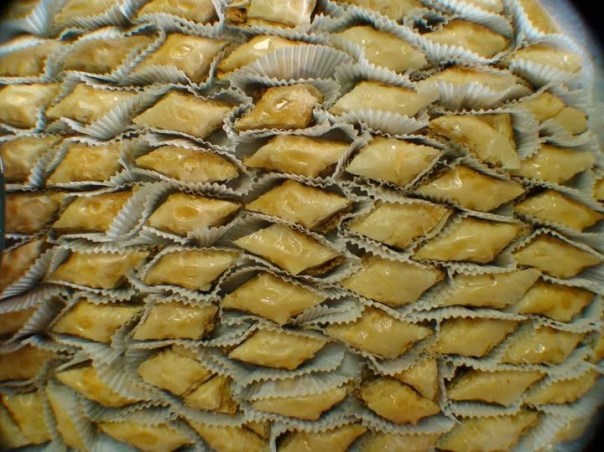
Though I love honey, I prefer baklava without it, because in the examples I have eaten, the honey overpowers the flavors of nuts and butter, and makes a heavy piece of dessert — honey is in fact a heavy and dense food. This version that we learned to make from a long-time member of the parish is somehow “lighter” in flavor, while losing none of the richness that is essential.
BAKLAVA
About 30 pieces
SYRUP:
3/4 cup water
1 1/2 cups sugar
1 tablespoon fresh lemon juice
FILLING:
1 pound walnuts
1/2 cup sugar

PASTRY:
1 pound filo dough, thawed
1 pound unsalted butter, clarified (instructions below).
1. Preheat oven to 350°.
2. Prepare the syrup: Combine water and sugar; bring to a boil and cook over moderately high heat, stirring, until thickened. Stir in lemon juice, cook 3 more minutes and set aside to cool.
2. Grind nuts in a food processor. Transfer to a bowl, add sugar and mix thoroughly.
3. Spread half the filo dough flat on a buttered 9” X 13” jellyroll pan. Cut and piece as necessary. Spread nut-and-sugar mix evenly over dough; then lay the remaining dough over the top.
4. Cut pastry, either into 2” squares, or for traditional diamond-shaped pieces, make lengthwise cuts 1 1/2” apart, and cuts at a 45 degree angle 1 1/2” apart. This will yield diamonds about 4 1/2” long, with sides about 2 1/2” long.
5. Pour 1 cup of the melted butter evenly over the top. Place the pan in the oven and reduce heat to 300°. Bake for 40 minutes, turning the pan after 20 minutes for even browning. Repeat, using remaining butter and baking again for 20 minutes, turning after 10 minutes.
7. Remove pan from oven and immediately pour cooled syrup over the hot pastry.  Let stand and cool approximately 24 hours.
Clarified Butter
Melt butter in a heavy saucepan over low heat. After it has melted, some of the milk solids will drop to the bottom of the pan while others will rise as foam. Skim off the foam and pour the clarified butter out of the pan, leaving the milk solids at the bottom, or strain it through a double layer of cheesecloth.
If you are interested in what the book The Supper of the Lamb is about, you can find all the posts in which I wrote anything about it here: Robert Farrar Capon.

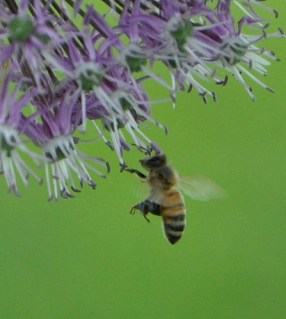
 It’s eleven years !! since I wrote this post at the Feast of Transfiguration, and focused on honey and bees. Since then I’ve posted several times about various aspects of the feast, and now I’m going to return to this one focusing on honey, that marvelous substance in great abundance all over the earth. Who can believe it? Only God could have thought of such a food. I’ve updated the following with some bee photos of my own, and kept my favorite honey pictures:

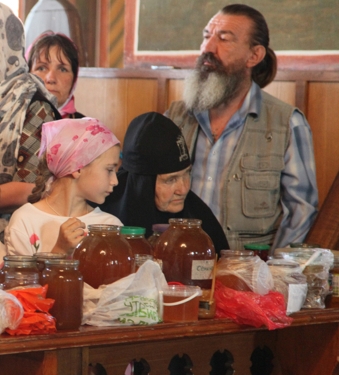
 O God, who knows how to work benefits through human labor and irrational living things, You instructed us in your loving-kindness to employ the fruits and works of the bees for our needs. Now humbly we beseech Your majesty: Be pleased to bless the bees and increase them for the profit of the human race, preserving them and making them abundant. Let everyone hoping in Your majesty and Your boundless compassions, and laboring in the care of these living things, be counted worthy to receive abundant fruits of their labors and to be filled with heavenly blessings in Christ Jesus our Lord, to whom is due glory, honor and worship unto ages of ages. Amen.



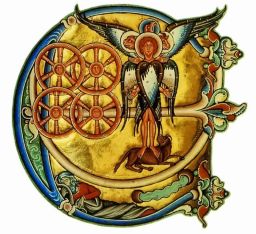
 One of the readings for Holy Monday is from Ezekiel, a description of what the prophet saw in his vision of creatures and wheels: