Hours of rain. LOTS of raindrops. Glory to God! All the plants and humans around here are happy.
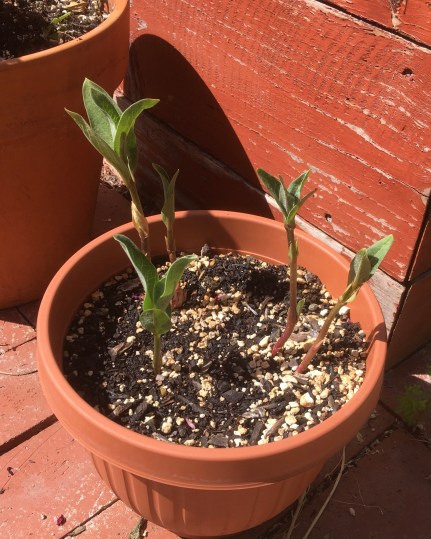
A couple of days before the rain came, I received in the mail three new plants, three species of milkweed that I haven’t had before: Asclepias glaucescens, Asclepias linaria, and Asclepias physocarpa “Family Jewels.” I set them out on the patio to get watered quite naturally. If they bloom next summer I’ll show you pictures.
Also not long before the watering, I got around to dividing the irises. The poor things had sat on the driveway during the heat wave, while I was in the mountains. But they were in such thick clumps with lots of dirt surrounding, they didn’t seem to have suffered much. And I ended up with dozens of extra rhizomes that I have been giving away.
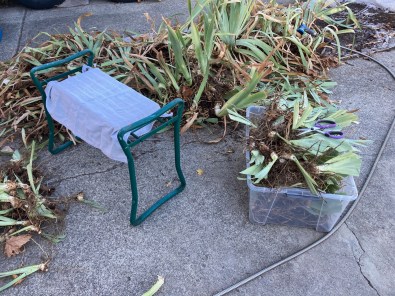
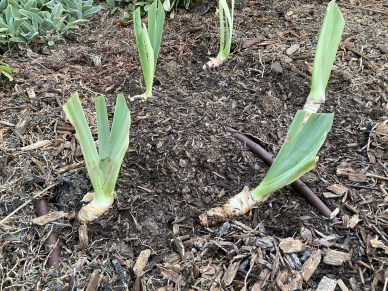
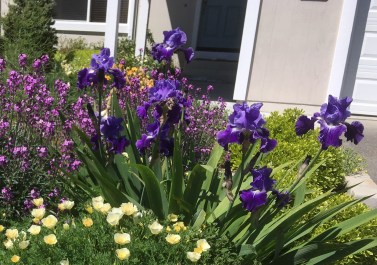

Unfortunately I forgot that I had two colors in those three clumps, and I mixed them all up while I was sorting, but the people who are getting them don’t seem to mind. At least they are both purple; these pictures are from past years. And I am thrilled to think of how all these other friends’ gardens will be further beautified with my “children.”
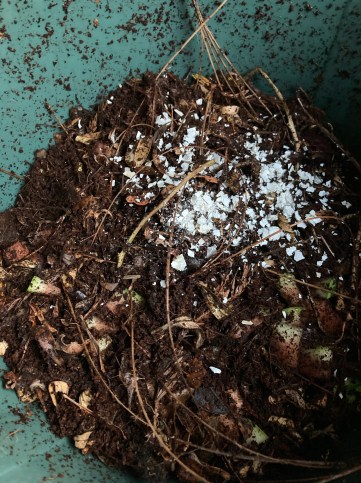
This last picture is of the bedding material I’ve mixed up special for the worms I am getting tomorrow, to start my vermiculture project. I’ve been wanting to do this for years, and step by step I managed all the parts of the preparation, after watching a couple dozen videos on YouTube and reading in the classic book on the topic, Worms Eat my Garbage. A friend who is a long time worm farmer is giving me my starter worms.
What could be better on a rainy Sunday afternoon than taking a nap? Well, on this particular one, for me at least nothing was better, especially because this week is extra busy from the start. Normally I try to reserve Mondays for catching up and re-ordering my mind and living space, but that’s not an option this week. So — I need to work on all that before I go to bed again.
This week Autumn officially arrives!
But in honor of worms, I give you a somewhat Spring-y poem:
THE WORM
When the earth is turned in spring
The worms are fat as anything.
And birds come flying all around
To eat the worms right off the ground.
They like the worms just as much as I
Like bread and milk and apple pie.
And once, when I was very young,
I put a worm right on my tongue.
I didn’t like the taste a bit,
And so I didn’t swallow it.
But oh, it makes my Mother squirm
Because she thinks I ate that worm!
-Ralph Bergengren


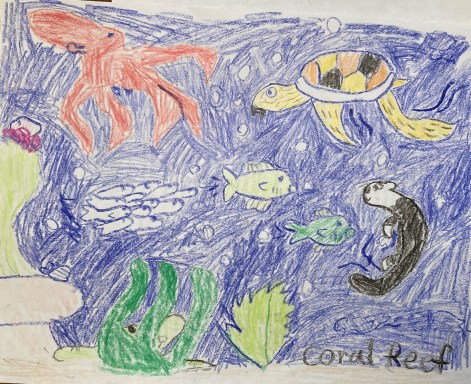
 Often the children would draw while I read to them, and I read for at least an hour every evening before bed. Mostly this time I read from The Little Bookroom by Eleanor Farjeon. I gave this book to my grandchildren a few years ago, thinking it was an anthology she had compiled of others’ works. But no, all the stories are by Farjeon herself.



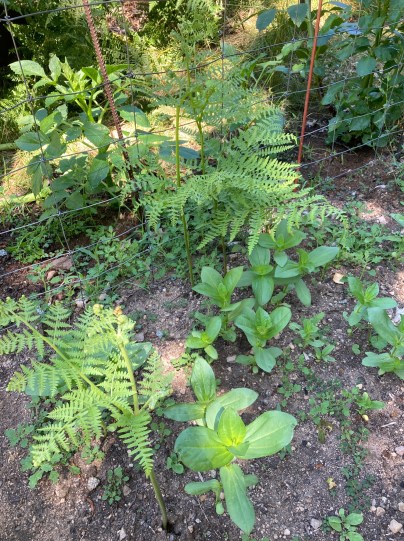


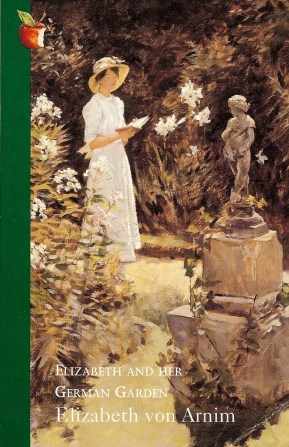
 Probably I should go back and read some of Elizabeth Von Arnim’s descriptions of gardens, to teach me how to convey the scene that makes me so happy. Not only in Elizabeth and Her German Garden but even more in The Enchanted April she expresses her love for this kind of overflowing, colorful and scented landscape, and gardens that are so prolific with blooms that bowls of them bless the rooms of the Italian castle in April (in April, too).
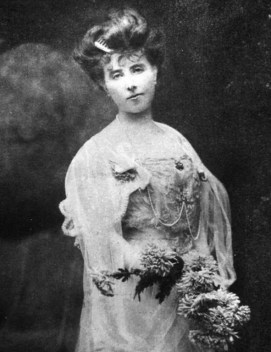 I just discovered that I have never once reviewed a book by Elizabeth von Arnim, or posted a quote by her, on my blog. I guess this is because my relationship with her as a person and writer is about much more than any one of her books; and isn’t it always somewhat of a mystery why we connect with particular authors? Mary Kathryn says it is the writer’s voice that she connects with, and it doesn’t matter what they write about, if one loves that particular voice.
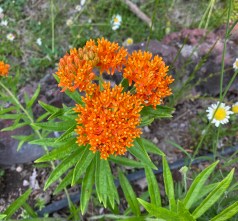
 Today when I went out to try for a picture of the Lambs Ears, I discovered that the Narrow-Leaf Milkweed flowers have started to open. These are the plants from which I collected Monarch butterfly eggs to incubate indoors, a few years ago. Aphids always decimate the plants, and after that first year’s destruction I realized that any hatched caterpillars would run out of food fast, because the leaves are literally slim pickings to begin with, and then the aphids suck all the life out of them. (By the way, you don’t want to bring in ladybugs to eat the aphids on your milkweed plants because ladybugs also eat Monarch eggs!!) Back then I had to feed my Monarch caterpillars from my Showy Milkweed plants which have large leaves and which the aphids don’t bother so much.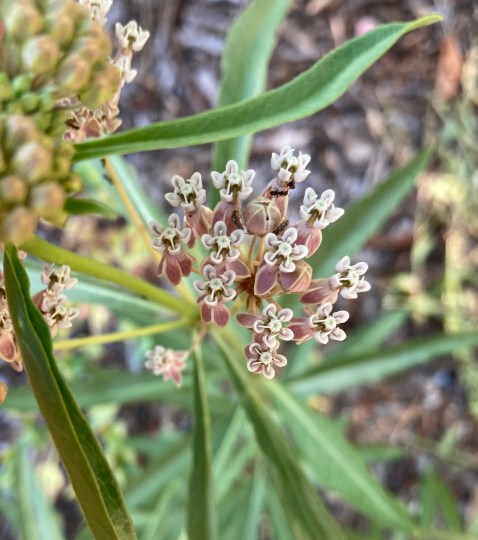
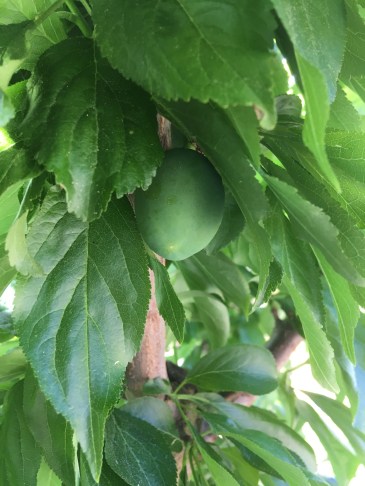 It’s the feast of Saints Constantine and Helen, and I was blessed to attend Liturgy, and afterward to meet a new friend there. Then a young altar server needed a ride home, and on the way I encouraged him to talk about his reading. He said that he’d read 40-odd Hardy Boys books but after about 30 realized that they were mostly the same, and getting boring. To make completely sure, he read a few more. He is about to move up to The Hobbit.
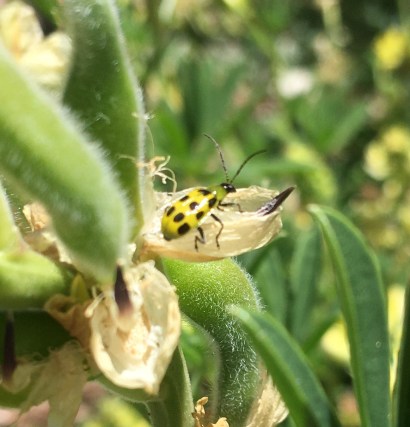
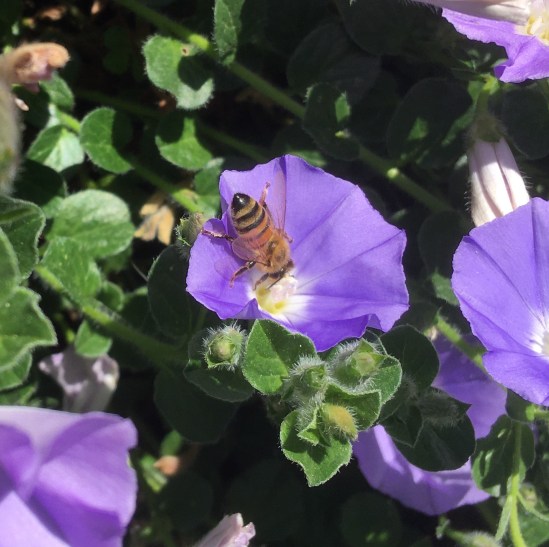

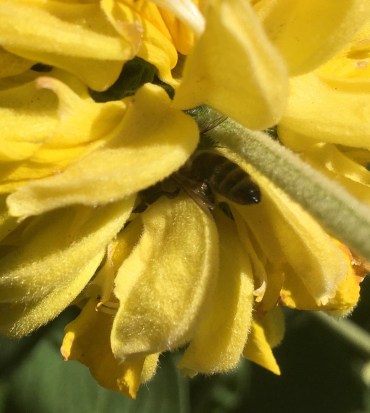 The Jerusalem Sage flowers don’t give up their nectar without a great effort from the bees, who burrow down inside and make the whole flower vibrate for a long minute or two while they finish their work and are backing out again.