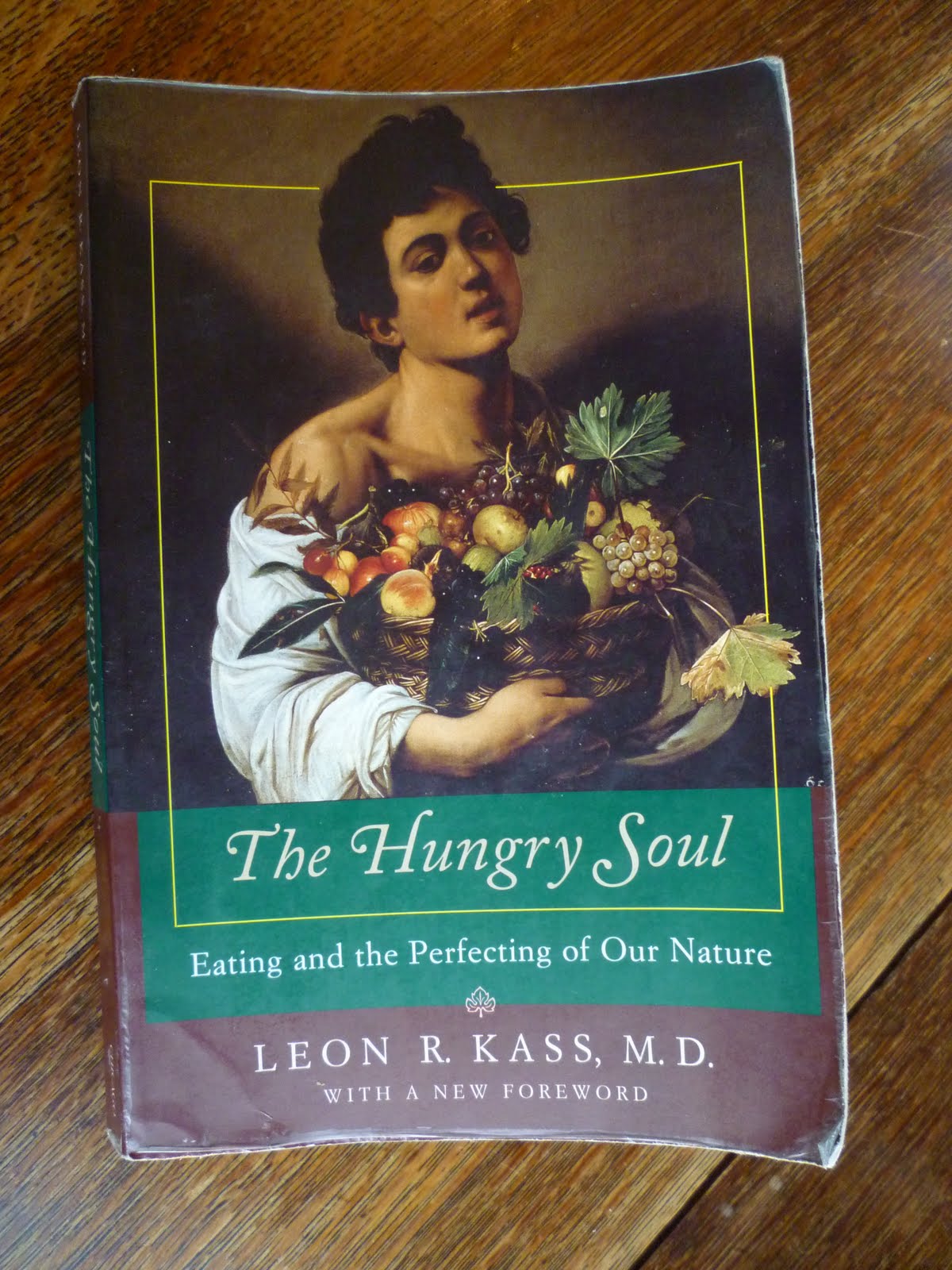
 Any self-conscious emotional eater might take notice of a title like The Hungry Soul: Eating and the Perfecting of our Nature. I had the added attraction to the book that came from having heard the author’s warm and thoughtful voice on the Mars Hill Audio Journal as he was being interviewed on an altogether different topic.
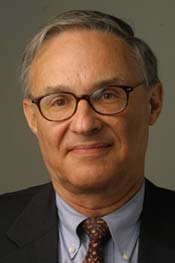
Leon R. Kass, currently a professor at the University of Chicago, was appointed to chair the controversial President’s Council on Bioethics at its creation in 2001 and remained on the council until 2007, during which time he wrote Life, Liberty, and the Defense of Dignity: The Challenge for Bioethics. Though he is naturally called a bioethicist, he prefers the term humanist, because it better conveys the breadth of his concerns. Kass is also a medical doctor, but this is not a book about eating disorders any more than it is a cookbook — rather, it is a pondering of “the truth about our human situation.”
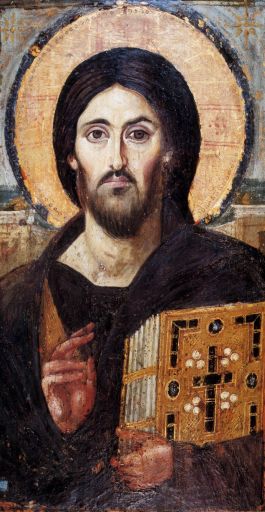
At the outset I must submit that there is no way Kass can tell us the whole truth, because he ignores Jesus Christ who is The Truth. Christ reveals the Father to us, being His “express image,” and He was the only fully human person who ever lived on earth, showing us as He did what man can be when he lives in constant communion with His Father as humans were meant to do.
Given this severe omission, one might wonder how I could find such treasures in Kass; I have to admit that this book has to be one of my ten favorites, at least of non-fiction, and the numerous notes and underlinings I’ve made in pencil and in red and blue ball point show how much I am still interacting with the material. Each time I read a section (with a different writing implement at hand) I find morsels of bread on the path leading in the direction the author wants me to go, and also see other lanes he probably isn’t even aware of. As I walk along I eat the tasty bits that have been laid out with care, wanting to race ahead to whatever is at the end of the trail, but resisting that urge for a while so I can savor the food and enjoy the stroll, all the while making note of the forks in the road and the byways I need to explore later on a return trip.
 I really think I could come back to The Hungry Soul again and again and find more philosophical paths to explore, but if I wait to share my discoveries I’m afraid the tale will never be told. So I will begin the telling, even though I’m pretty sure I haven’t chewed on these ideas enough to do justice to what the most eminent reviewers hail as “an intellectual feast” and “a profound and brilliant exploration.”
Kass is Jewish and does reveal his belief in a Creator. He wrote this book to demonstrate through the human activity of eating that man has a soul, refuting the claims of corporealists that we are only material beings and that all our thoughts are nothing but electro-chemical events.
This introductory post is a good place to list the chapter titles or topics that I may draw from in future posts, though just the foreword, preface and introduction are the kind of appetizers from which one could make a full meal.
1. The Primacy of Form
2. The Human Form
3. Host and Cannibal
4. Civilized Eating
5. From Eating to Dining
6. Sanctified Eating
I can’t help but notice how the sights along this philosophical journey are related to other trails and books I’ve encountered, and of course I’ll have to mention those, too, in postings to follow.
As an example of humankind who are the crown of God’s creation, Kass himself is proof of his thesis. The fine mind and heart that are expressed in his writing testify to the fact that men were made in God’s image. And the reasoned and well-written arguments he makes, or even the questions he gently asks, are clear and flowing. It’s a pleasure to follow him when all the paths seem to lead me to God.
Part 2 – Struggle to Stand
Part 3 – How Science Disappoints
Part 4 – From Eating to Dining









 Gladsome Lights