I have read this poem so many times, and still feel that I’m not equal to it, I can’t hope to plumb its depths. In that way the poem is like its subject, which speaks to me of the grace of God, something of Himself He gives us even though we are undeserving, unworthy, dense as rocks. It falls in the form of joy or peace or repentance, and when you’ve recovered from the surprise, you want to bake a cake and give a party.
HAPPINESS
There’s no accounting for happiness,
or the way it turns up like a prodigal
who comes back to the dust at your feet
having squandered a fortune far away.
And how can you not forgive?
You make a feast in honor of what
was lost, and take from its place the finest
garment, which you saved for an occasion
you could not imagine, and you weep night and day
to know that you were not abandoned,
that happiness saved its most extreme form
for you alone.
No, happiness is the uncle you never
knew about, who flies a single-engine plane
onto the grassy landing strip, hitchhikes
into town, and inquires at every door
until he finds you asleep midafternoon
as you so often are during the unmerciful
hours of your despair.
It comes to the monk in his cell.
It comes to the woman sweeping the street
with a birch broom, to the child
whose mother has passed out from drink.
It comes to the lover, to the dog chewing
a sock, to the pusher, to the basket maker,
and the clerk stacking cans of carrots
in the night.
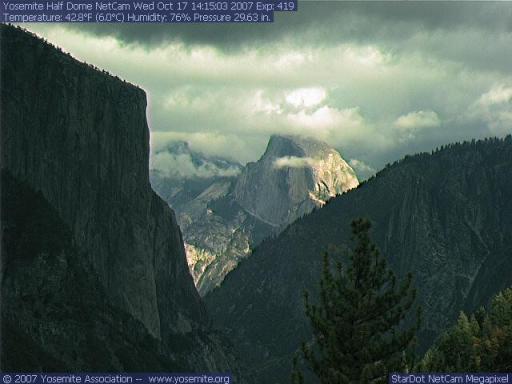
It even comes to the boulder
in the perpetual shade of pine barrens,
to rain falling on the open sea,
to the wineglass, weary of holding wine.
~ Jane Kenyon

 s that we don’t hear anything and it is probable that the silence is absolute. Just as we can watch a spider attack a fly caught in its web and see it slowly eat its living meal without a sound being heard, so also, however close we might bend down upon cohorts of embattled ants, we will hear no shout of insectual command, no cry of triumph, no moans of the dying, and even when a head is sawn off or a severed limb falls to the ground, no shriek of pain will humanize the scene.
 Gladsome Lights