When I was in the Midwest recently I enjoyed watching through big windows the rainstorms with lightning and thunder. I don’t understand this poem’s title — can anyone explain it to me? I did find the whole thing fun to read. But then, I’ve never experienced a hurricane.
A WATCHED EXAMPLE NEVER BOILS
The weather is so very mild
That some would call it warm.
Good gracious, aren’t we lucky, child?
Here comes a thunderstorm.
The sky is now indelible ink,
The branches reft asunder;
But you and I, we do not shrink;
We love the lovely thunder.
The garden is a raging sea,
The hurricane is snarling;
Oh happy you and happy me!
Isn’t the lightning darling?
Fear not the thunder, little one.
It’s weather, simply weather;
It’s friendly giants full of fun
Clapping their hands together.
I hope of lightning our supply
Will never be exhausted;
You know it’s lanterns in the sky
For angels who are losted.
We love the kindly wind and hail,
The jolly thunderbolt,
We watch in glee the fairy trail
Of ampere, watt, and volt.
Oh, than to enjoy a storm like this
There’s nothing I would rather.
Don’t dive beneath the blankets, Miss!
Or else leave room for Father.
-Ogden Nash
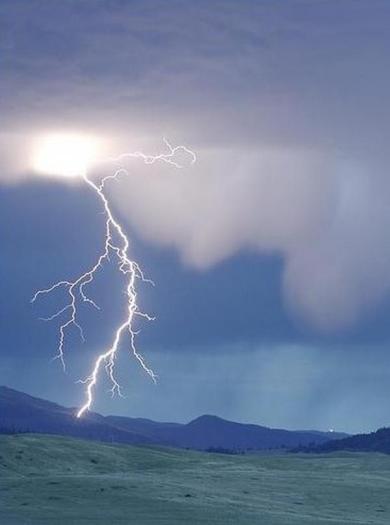
 Gladsome Lights
I suspect the title relates to us (the you and me) not shrinking back in fear from the storm. It reminds me of a time when I was very young and my father soothed my fears by explaining how lightning and thunder works. I have loved thunderstorms ever since and have watched them in awe – not fear 🙂
LikeLiked by 1 person
My question refers to the poem’s title, “A Watched Example Never Boils,” not to the title of my blog post. But Jim’s comment maybe gives a clue…
What a good memory, of your father’s soothing presence and engagement during a storm. I don’t remember being afraid of thunderstorms, but I imagine it’s a common experience for most children, so maybe I was, and was similarly comforted. I only know that as long as I can remember, I have thought them very exciting and fun. We don’t get very many where I live, which is why I like to be in the mountains during one of the summer thunderstorms.
LikeLiked by 1 person
Nope. I don’t get it either. But it’s a great poem!
LikeLiked by 1 person
Hi Gretchen! Christ is risen! I hope you had a blessed name day yesterday (I assume it was your name day?). As to the poem’s title, perhaps it means we do not shrink back
LikeLiked by 1 person
Thank you, Sara! Yes, it was my name day, along with the other Myrrhbearers. ❤
My question refers to the poem's title, "A Watched Example Never Boils," not to the title of my blog post. But Jim's comment maybe gives a clue…
LikeLike
Hello again, it seems I read right past the poem’s actual title and did not even see it! My mistake!
LikeLiked by 1 person
That’s a strange title. Is it better to watch a thunderstorm rather than run under the covers in fear? That strategy might work for a thunderstorm, but it’s probably foolhardy in the case of your proposed hurricane. Your comment reminds me of a novel called “Stormy Weather” by Carl Hiaasen, the humorist from Florida, where one of the characters asks his friends to tie him up between trees (so he doesn’t blow away) because he wants to experience the full force of the hurricane. If memory serves me right, it happens on multiple occasions because the place he gets tied up is never quite at the eye of the storm. Don’t remember if he ever managed to get into the eye of the storm or not. I still don’t know what Nash’s title means, but I chuckled because it reminded me of Hiaasen.
LikeLiked by 1 person
Oh, maybe that’s it — if you are brave and watch the thunderstorm, it might not ever “boil” into a real hurricane…? I am not the one who proposed the hurricane: the father is already overreacting and calling it that in the third stanza. Thanks, Jim, for your sharing your perspective and about that humorous book.
LikeLike
Whatever the title means (I thought it was a reference to “watched pot never boils”, maybe a storm observed keeps the worst away — I dunno!), your comment about experiencing midwestern storms reminded me of being in Wisconsin and locals shrugging off “tornado watch” while I and another California friend worried.
LikeLiked by 1 person
“A storm observed keeps the worst away” — that sums it up succinctly!!
LikeLike
Without reading the other comments yet, let me guess at the title’s meaning. Obviously a play on “a watched pot never boils,” maybe it means an example will not reveal itself if you are looking at it. For example, “Did you see that? Wow!” But when you look…nothing.
ok, now to read the others. I took a stab at it!
LikeLiked by 1 person
Ah, that’s true for sure, when watching for lightning! Thank you for offering a stab 🙂
LikeLike
similar to that idea-
here in the American South it is said by wise souls that if you purchase a generator for home use your power will never go out and you will never need it.
If you have enough food stored up a hurricane will not come
If you carry an umbrella it won’t rain.
LikeLiked by 1 person
I hope that’s true about the solar generator I bought a while back, because I haven’t got it set up yet so that I could easily use it if needed… I still have hope, though… some day….
LikeLike
Well, if it’s Ogden Nash, it’s tongue in cheek, right? He’s always being funny. And a watched pot never boils, which means if you’re observing a thing too closely, it takes longer to happen, or maybe doesn’t happen at all? Anyway, it seems to me he is being cute about singing the praises of the lightning, and he’d really rather not be watching it, but be under the covers. Is he saying it’s better to not watch the storm, and it will pass by quicker? The hurricane part might not be that important to the poem. What does he mean by “example”? And example of what? I’m struggling to make sense of it. The storm does seem to be “boiling”, as it were. I give up, and there doesn’t seem to be anything online that explains it.
LikeLiked by 1 person
I’d love to be in an in-person book club or poetry reading group with you, Lisa!
LikeLike
The discussion brought to mind the famous line from Archibald MacLeish’s poem Ars Poetica: “A poem should not mean, but be,” and Nash’s poem (which I’ve not before seen) is wonderful. Like so many of his best, its entirety is a lead up to the last two lines: after explaining how the storm should be enjoyed rather than feared, the speaker aacknowledges that all his soothing words might not be enough to alleviate fear, and if that time comes, he’s willing to set aside his stories and dive under the covers.
After all: everyone knows that a pot on the fire will boil eventually, whether it’s watched or not.
LikeLiked by 1 person
Wow! You’ve really captured readers’ thoughts on this one. I thin k all possible ideas I might have had have been expressed. I must say, it’s a fun poem to read.
LikeLiked by 1 person