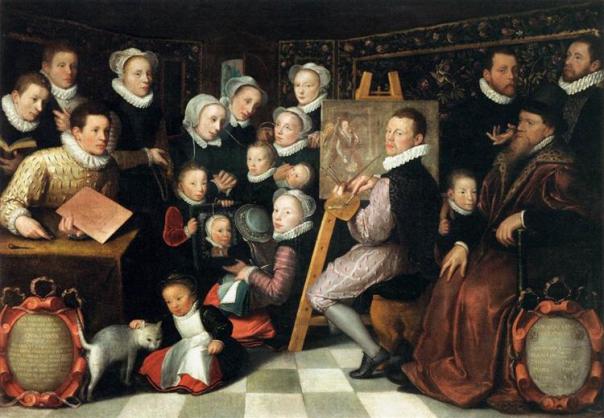
 “To be a man and live among men is miraculous, even if we know the vile deeds and crimes that people are capable of. Every day we build together an enormous beehive with our thoughts, discoveries, inventions, works, lives. Even that analogy is hardly accurate; it is too static, since our collective work is constantly changing and displaying itself in various colors, subject to time or history.
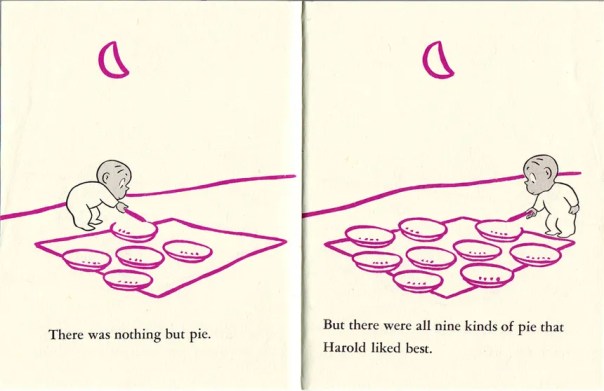
“Again, this is an insufficient description, because it ignores the most important thing: that this collective creation is given life by the most private, hidden fuel of all individual aspirations and decisions. The oddity of man’s exceptional calling rests principally on his being a comical being, forever immature, so that a group of children with their easy mood swings from laughter to crying is the best illustration of his lack of dignity.
“A few years pass, and suddenly they are adults, taking control and supposedly prepared to make pronouncements on public matters and even to take upon themselves the duties of father and mother, although it would be good if they first had an entire life of their own to prepare for this.”
― Czesław Miłosz

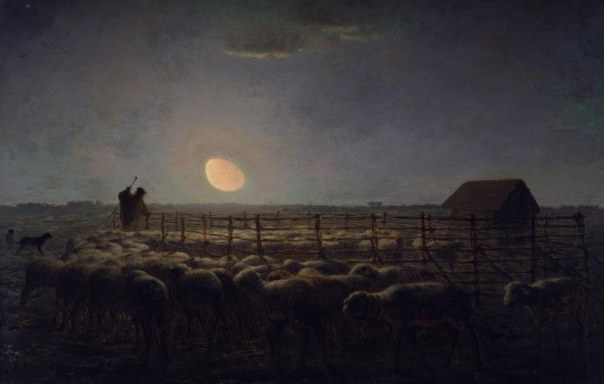

 ‘Until this moment, I have done my utmost to keep the commandments of God. But I am a man; how should I know if my deeds are acceptable to God?’ When they questioned him more, he said, ‘Truly the judgement of God is not that of man.’ Dorotheus of Gaza twice quotes the final words of Abba Agathon in his exhortations to his monks.
 Gladsome Lights