I’d like to catch up here about a few of the things that happened, and that I did, during the several weeks I was absent from the blogging world. These are the kinds of things you can take pictures of, so they are not many, considering all the hours and days we are talking about. It often happened that I would think to take a picture somewhere, but then I would 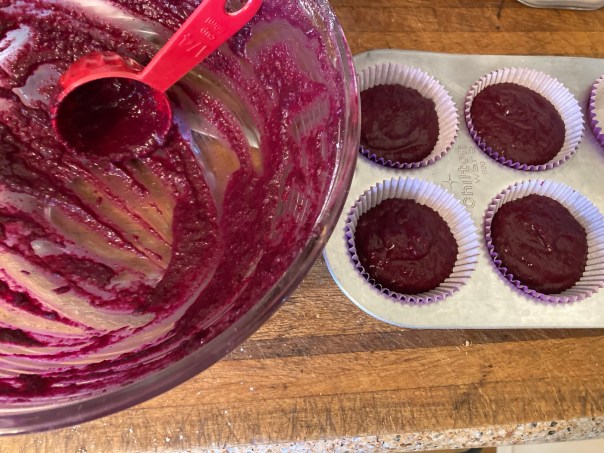 think, “I’m not blogging, so I don’t really need a picture of that.” And it was nice. Life is full. Here are some of the ways my days were full of life:
Birthdays: I cooked for two of the birthday parties that I attended. One of my accomplishments in this department was a batch of vegan gluten-free chocolate cupcakes, which the party-goers thought wonderful; I ate two of them myself. The picture is from before they went into the oven. You might guess that there were beets in the batter!
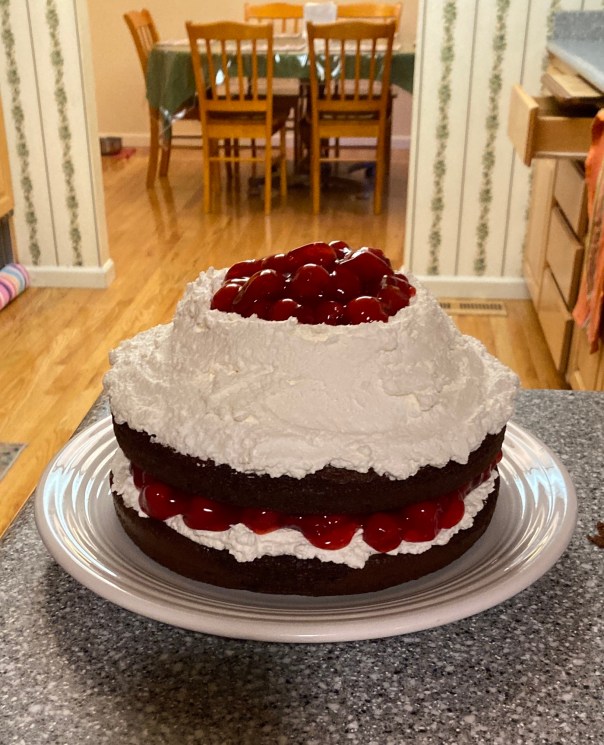
Later I drove north for grandson Jamie’s 11th birthday, and took the job of baking the cake he remembers always being the tradition for his day, a “Black Forest Cake” made with a box mix, whipped cream, and canned cherry pie filling. The top layer of my version was so domed, I had to create a lake from the whipped cream to hold the cherries. No one should be surprised to find a lake in the Black Forest, right?
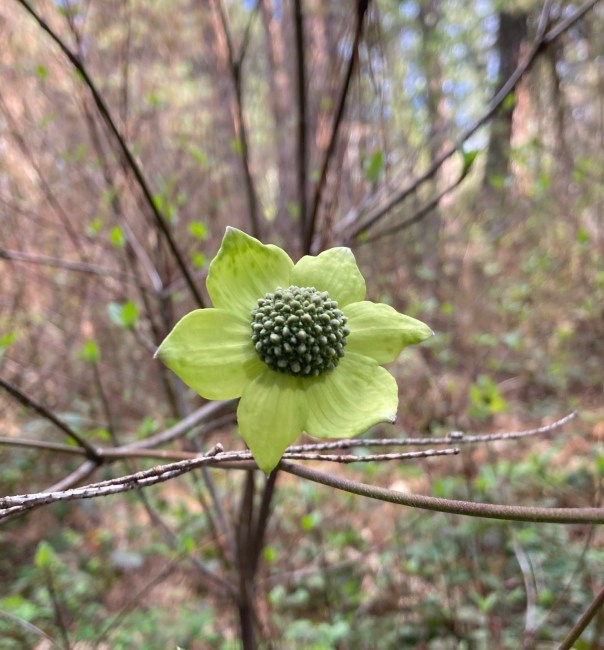
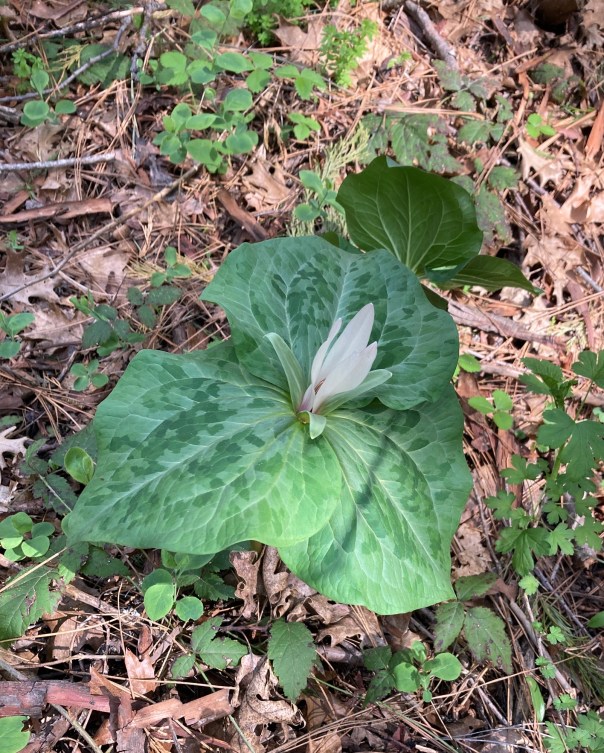
Up there, spring was early, and when we took walks in the woods we encountered dogwood flowers a month before they’d normally be seen. And a trillium. I am rarely in a place to see trilliums when they are newly opened, so that was wonderful.
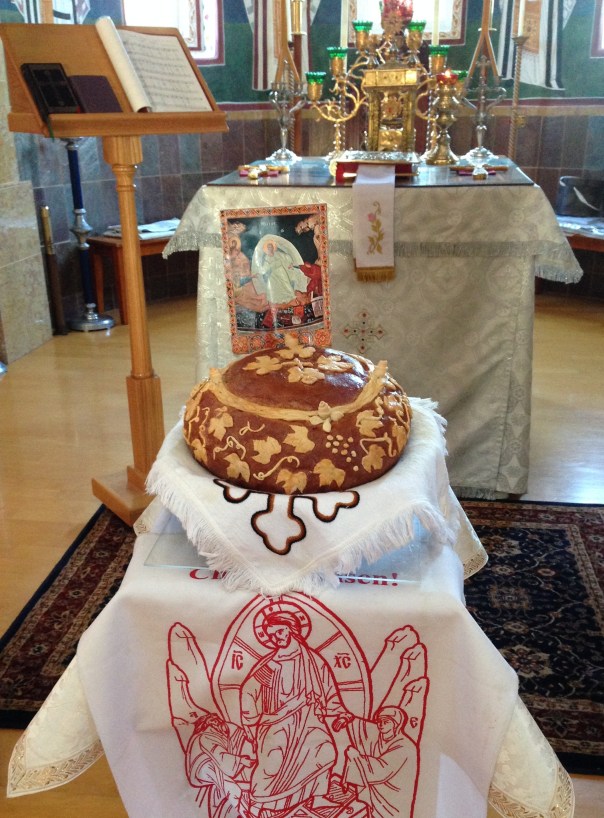
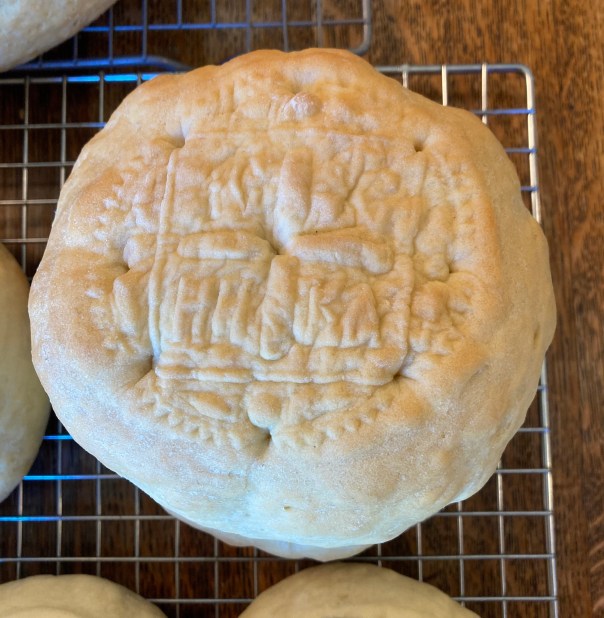
Other cooking: A bigger project than the birthday baking was for church. I took a whole day to experiment at home in an effort to figure out how to get a consistently good imprint on the tops of our altar bread that we call prosphora.
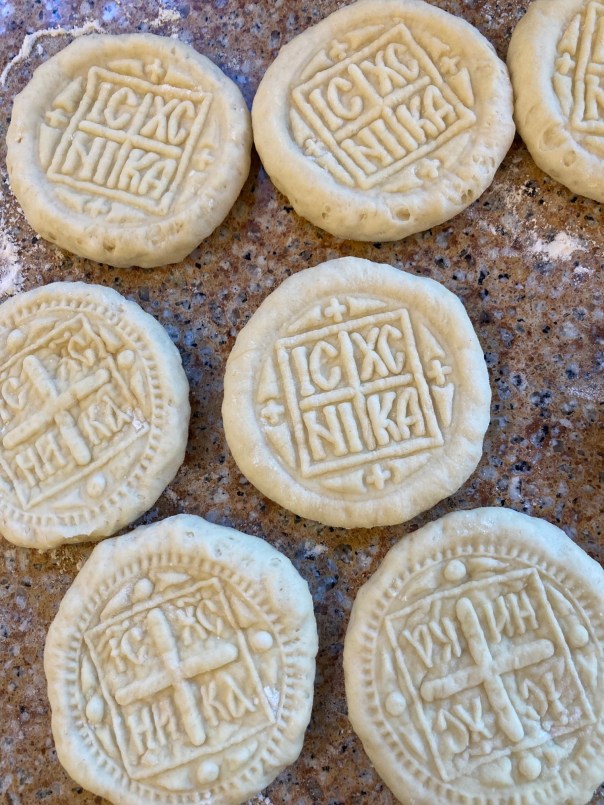
And I learned a lot, though the huge batch of dough (it used 20+ cups of flour) from which I made four sizes of breads, overwhelmed my kitchen — or more precisely, my mind, as I scrambled to keep track of timers and squeeze everything into my oven.
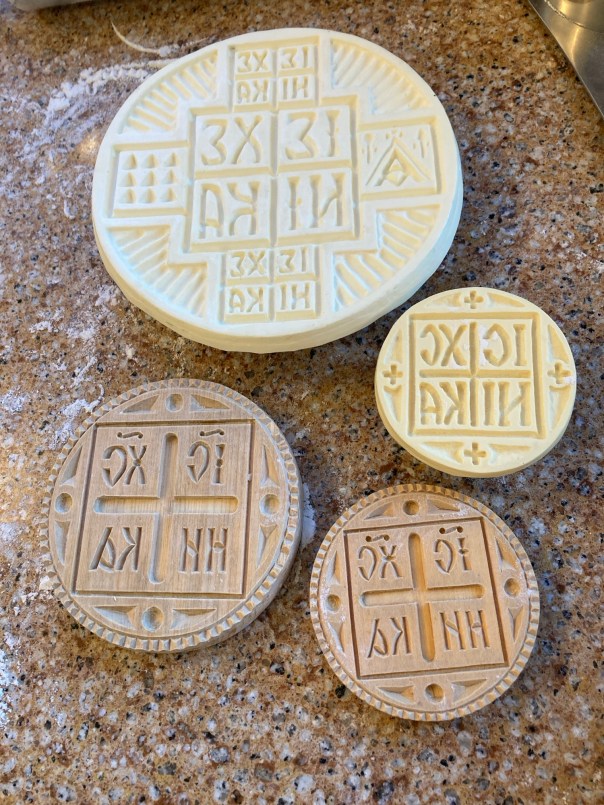
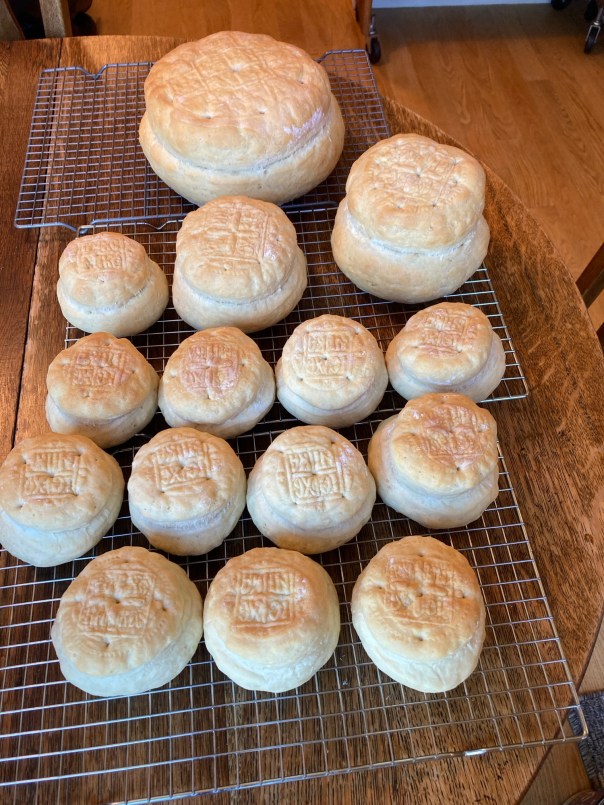
It seemed pretty chaotic for a while, but the end result was quite satisfactory, Glory to God! It was on St. Patrick’s Day, and I had been to church that morning so as to start my project off right. Thank you, Saint Patrick!
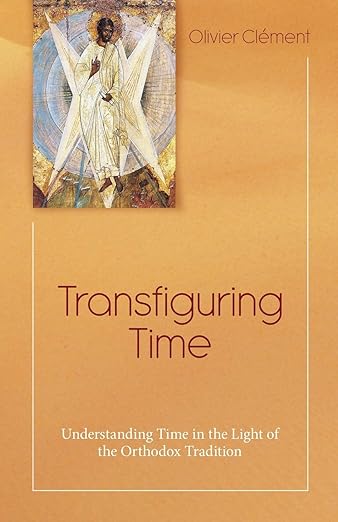
Reading: You can see from the sidebar that I read several books, but the one I most wanted to read for “lenten reading” I haven’t finished yet. It’s Transfiguring Time by Olivier Clément, and is a beautiful complement to the joy of Pascha, as the author’s own joy at the Christian message shines through every page. Clément was born in 1921 in France, and spent his 20’s exploring the religions of the East, in particular India. He became somewhat of an expert on ancient cosmologies and their concept of time, and when he discovered the Christian faith as elucidated by Vladimir Lossky, he saw the huge contrast. I’m sure I’ll share some quotes from Clément later.
Little breads for church feasts: For the feast of the 40 Martyrs of Sebaste I decided to bake Lark Buns for my church school class.
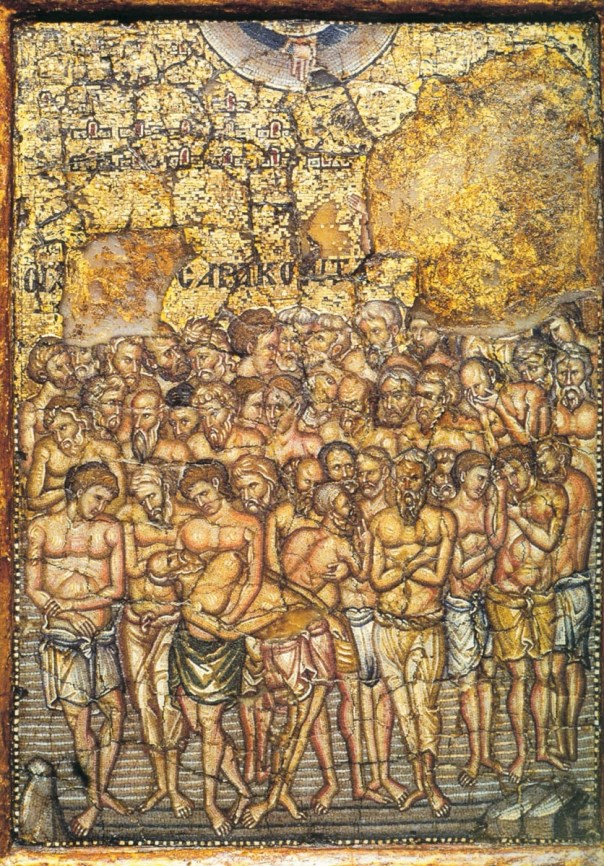
The symbolism has to do with larks in springtime, but also the spirits of the martyrs flying up to heaven. You have to bake 40 of them, of course, so quite a few were left over to pass around to a few people at the agape meal. That was fun.
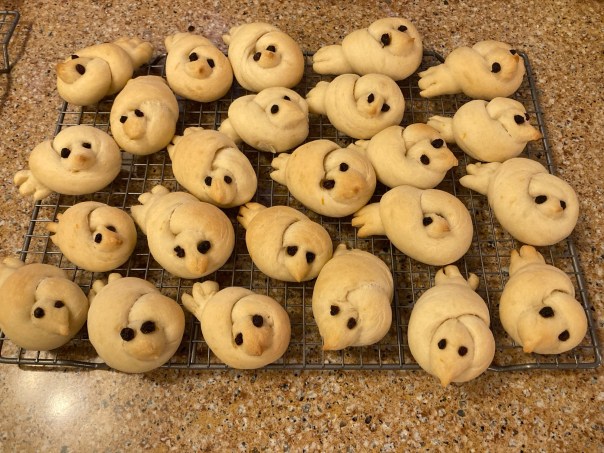
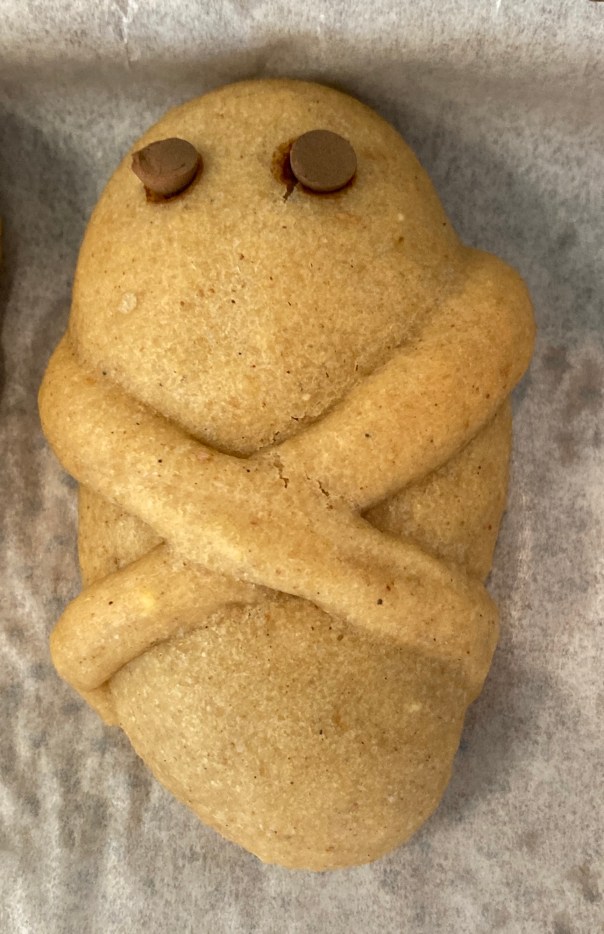
At the very end of Lent, on Palm Sunday, to commemorate Lazarus Saturday which was the day before, the cooks who prepared the agape meal made a batch of Lazarus Buns. They are just as cute!
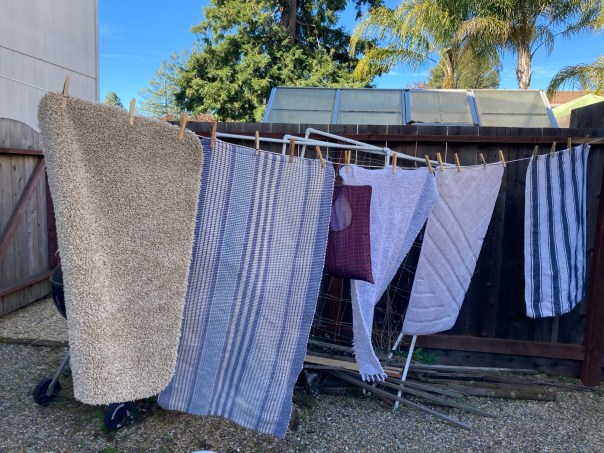
In the garden: We had a couple of very warm weeks in March, and around the date of the equinox, when weather returned to normal, it was as though summer had ended and spring had arrived. It was easy to be out of doors during that special time. I had organized my seeds…
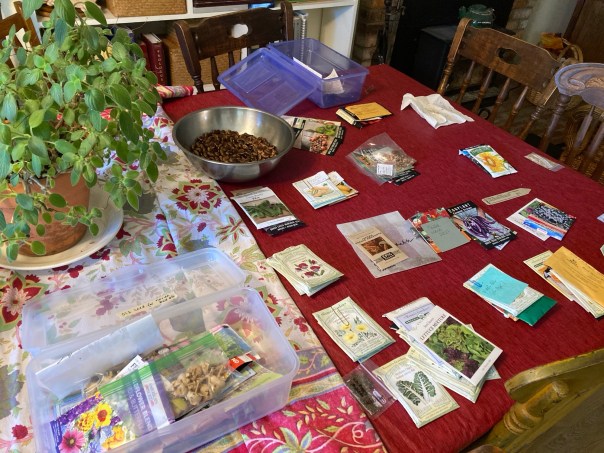
…and planted several 3″ pots with winter squash: kabocha, butternut and Delicata. Because of there being so much sunshine and high temps, I was able to leave them outdoors much of the time. Just before recent rains I set them out into the garden, and if we don’t get any killing frosts I should end up with a good supply of squash in the fall.
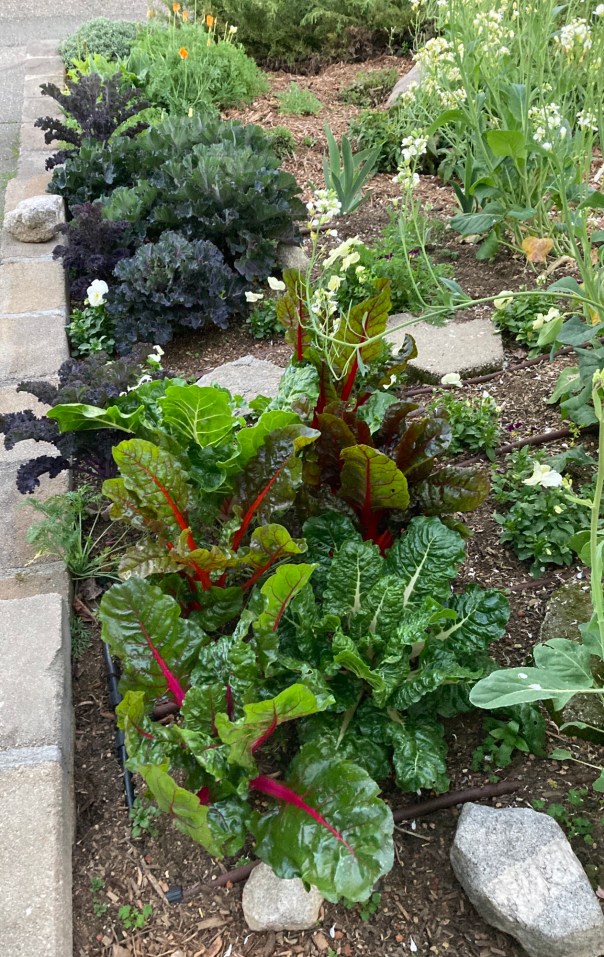
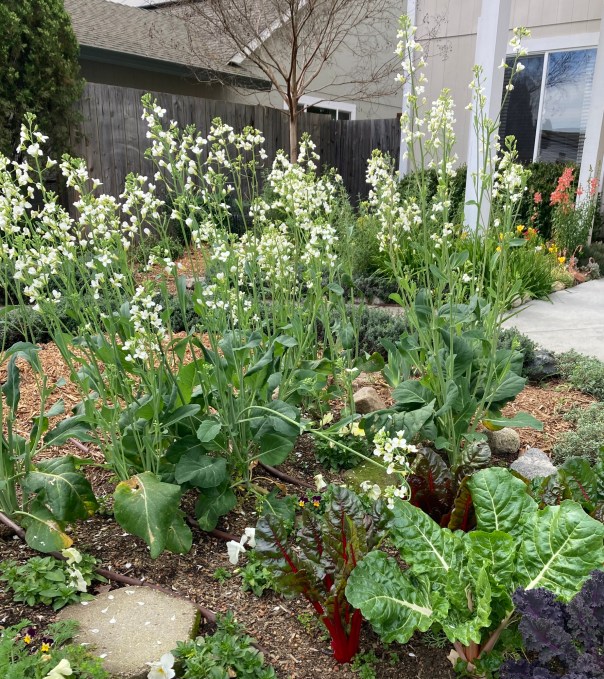
I harvested plenty of greens and they were delicious. The Chinese Broccoli towered over the garden bed and swayed prettily, scattering its flower petals around, but I didn’t get very much in the way of the broccoli part from it, and the larger leaves were bitter.
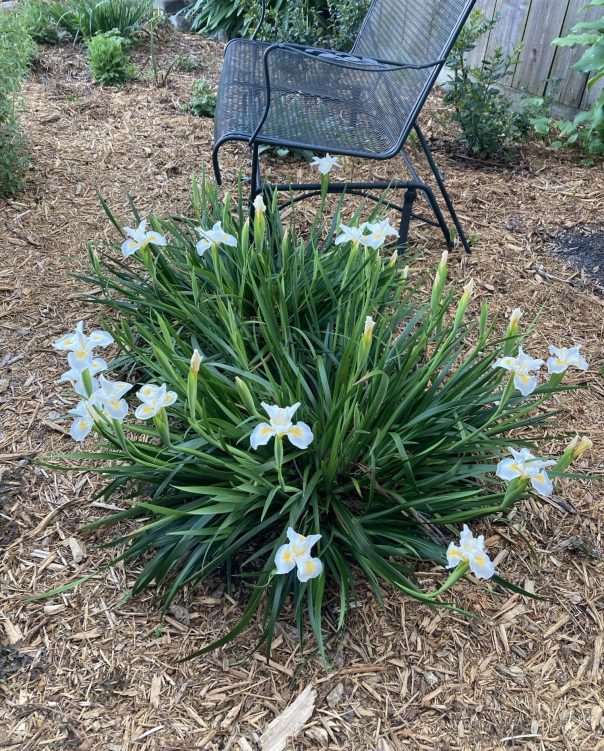
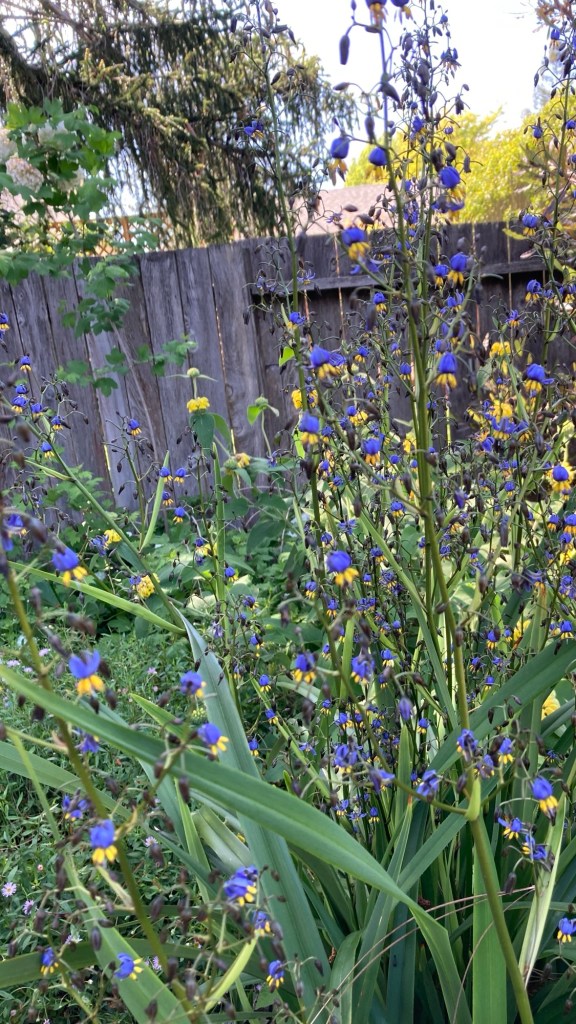
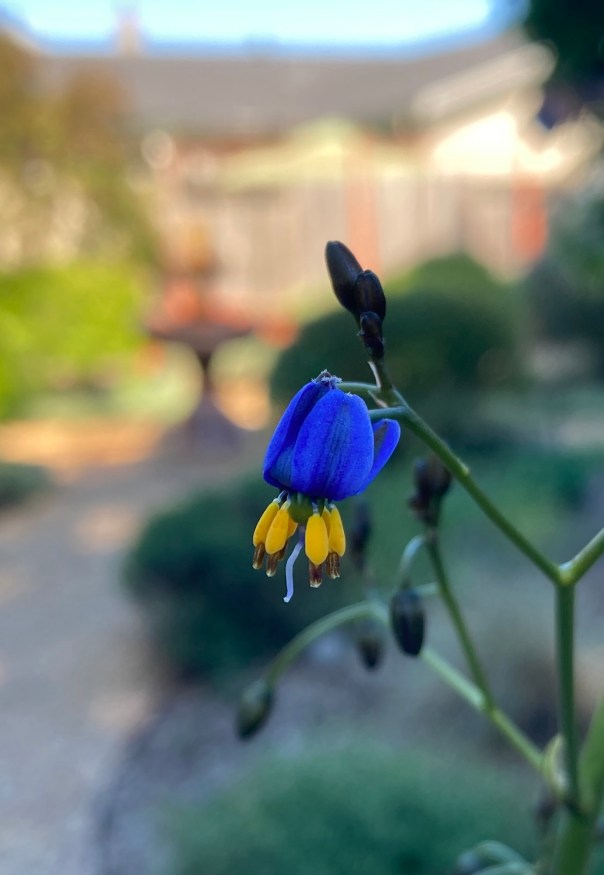
The Tasmanian Flax is blooming this spring, after readying itself for three years, and I am thrilled. Each flower is exquisite and dainty, and there are hundreds of them, so we can expect a slew of berries in a few months.
Now I must check out what my fellow bloggers have been doing the last two months ❤