Category Archives: nature

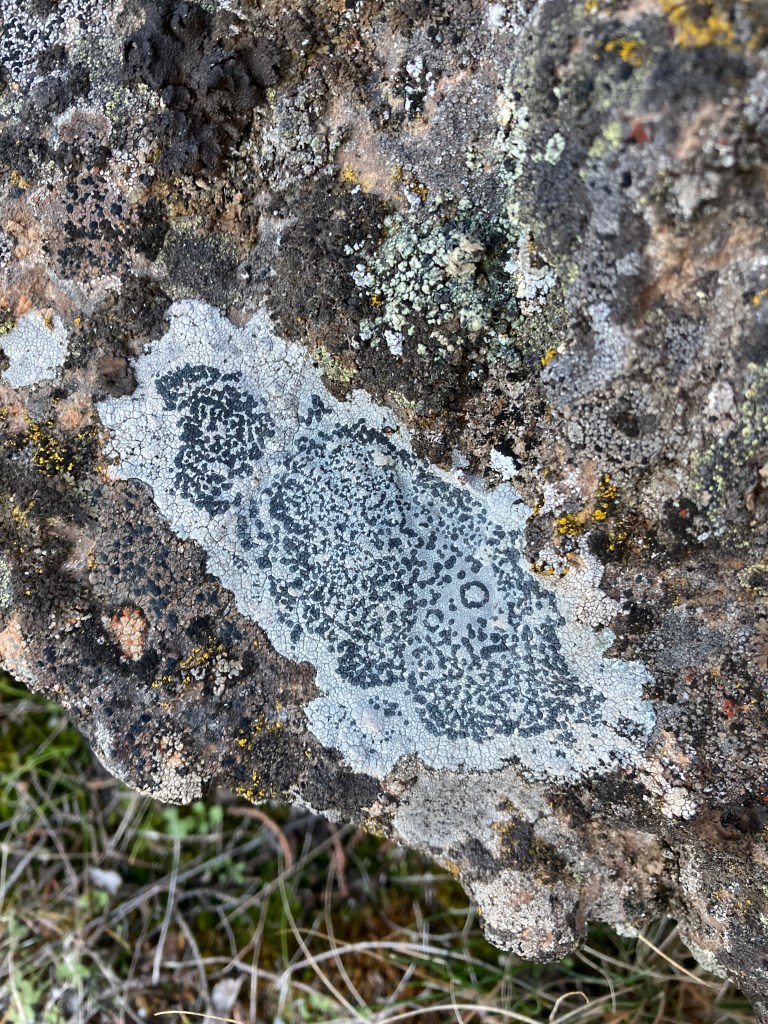
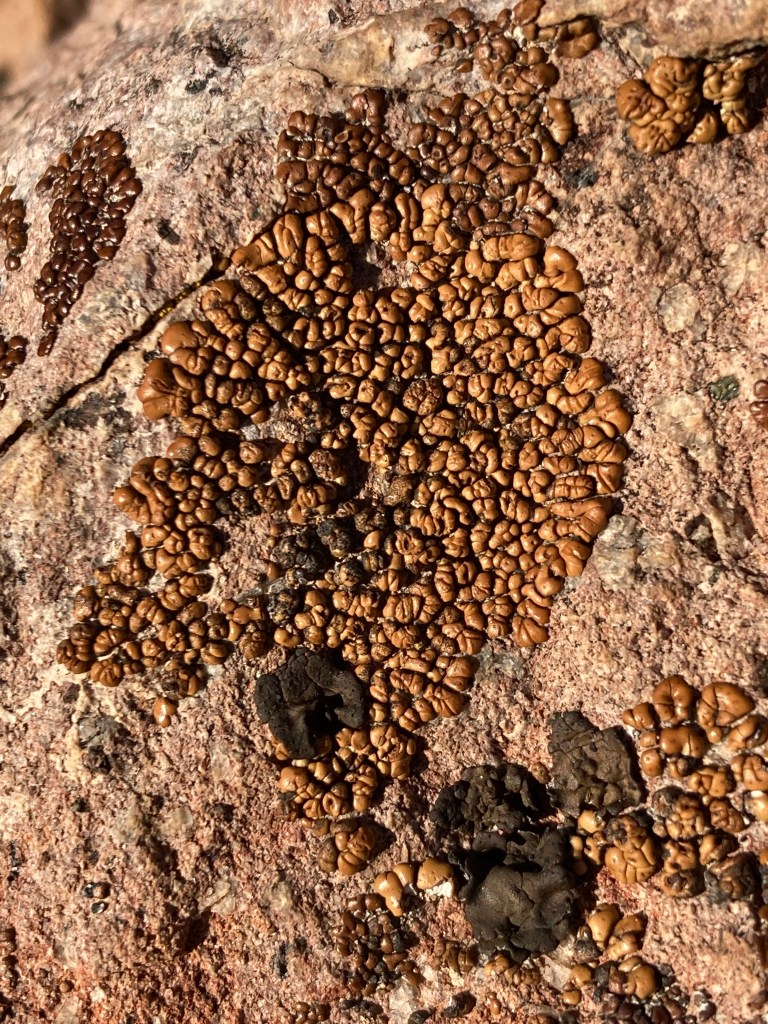
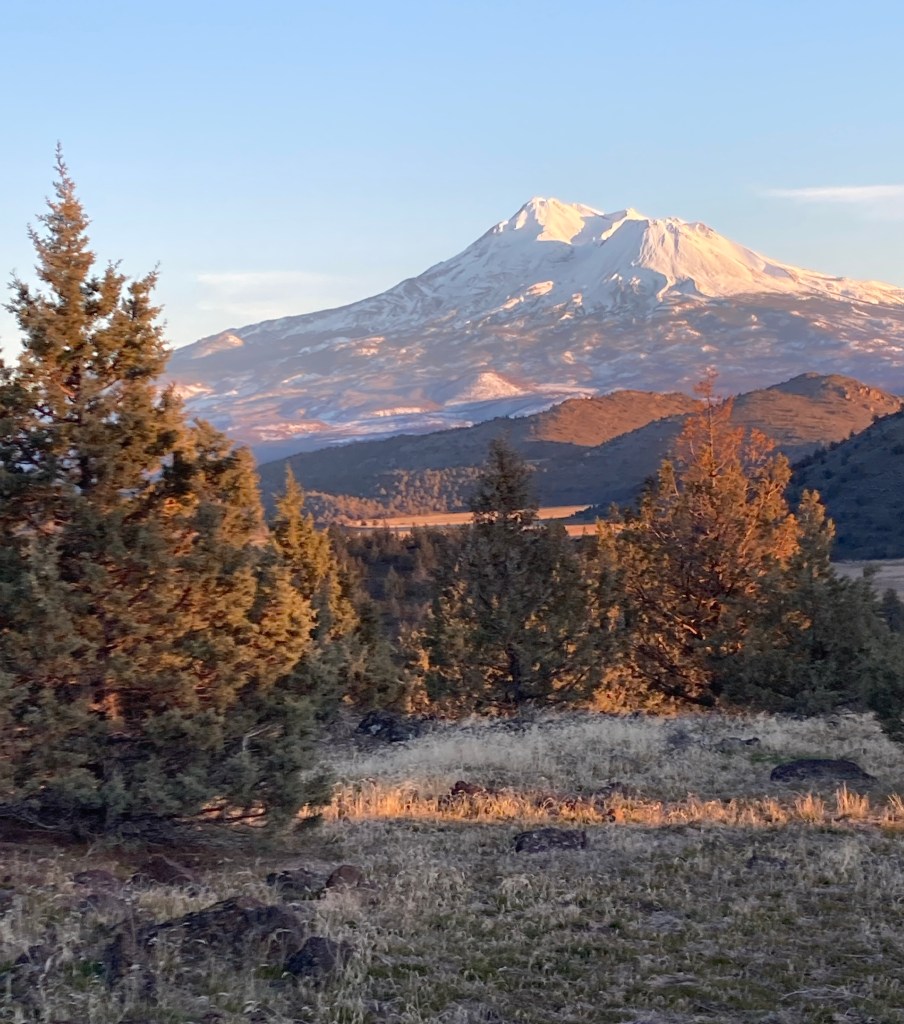
Looking at Shasta and lichens.

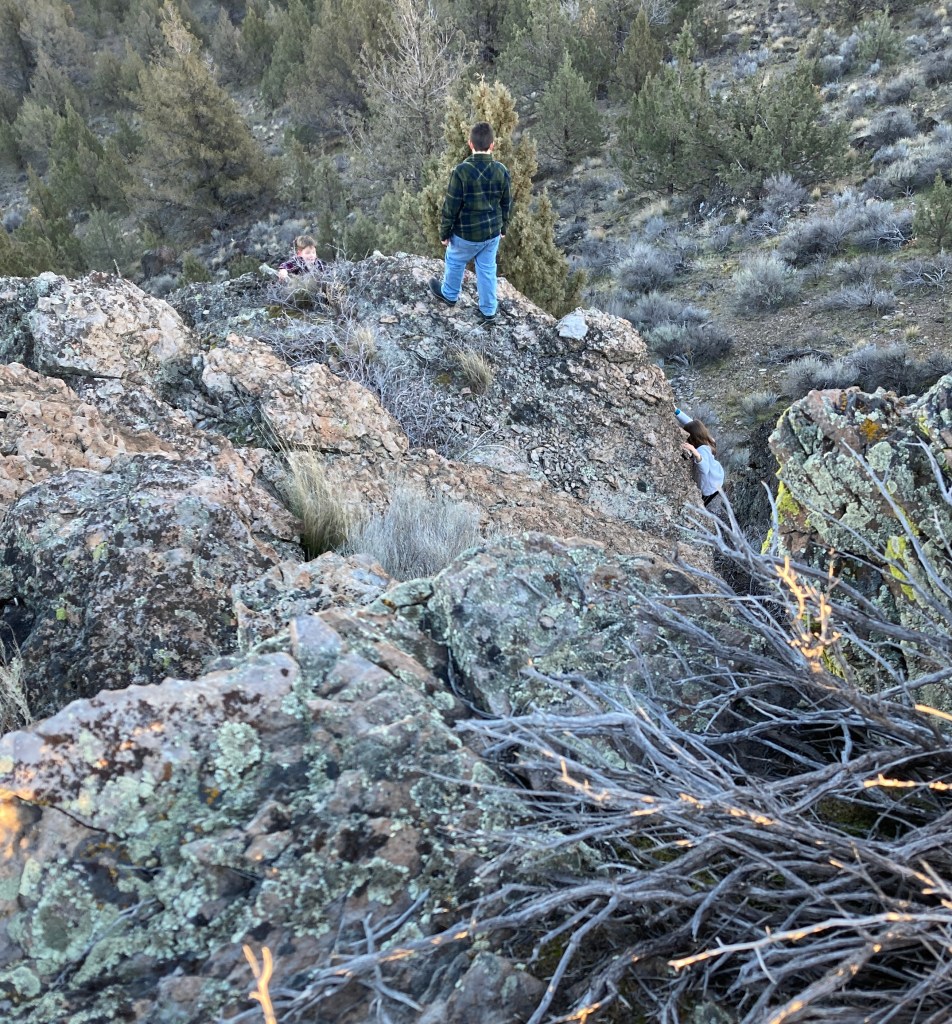
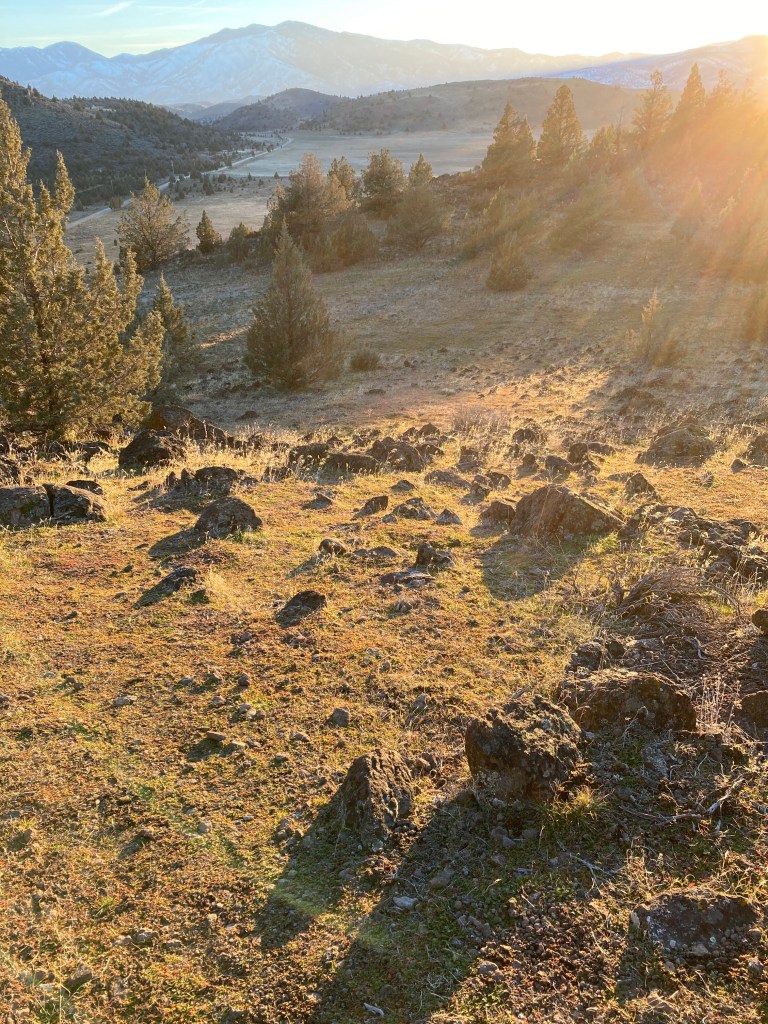
The thermometer hovered at the freezing point all day, everywhere we went. The places we explored, though, were out of the woods and piles of snow, in more arid expanses dotted with rocky hillocks and juniper trees.

The volcanic peak of Mount Shasta rose high above the rest of the land to the south. Closer to the ground, lichens and mosses grew thickly on rocks.

We ate a snacky lunch on the highest pile of boulders, and the children scrambled up and down and climbed rock faces with bare hands that eventually turned red and numb with cold.

I was surprised at how the slightest breeze cut right through my several layers of under and outer winter garments. It was so gorgeous, I wished we could have roamed for more hours. Maybe in another season.

We departed as the sun was going down and taking its tiny bit of warmth from us. The first day of 2022 had been pretty nice!

This new balance remains fragile.

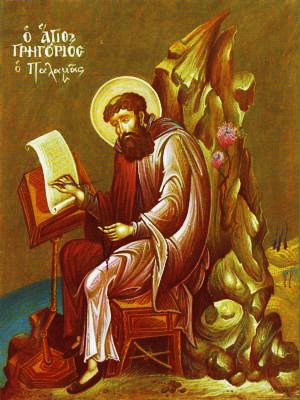
St. Gregory Palamas

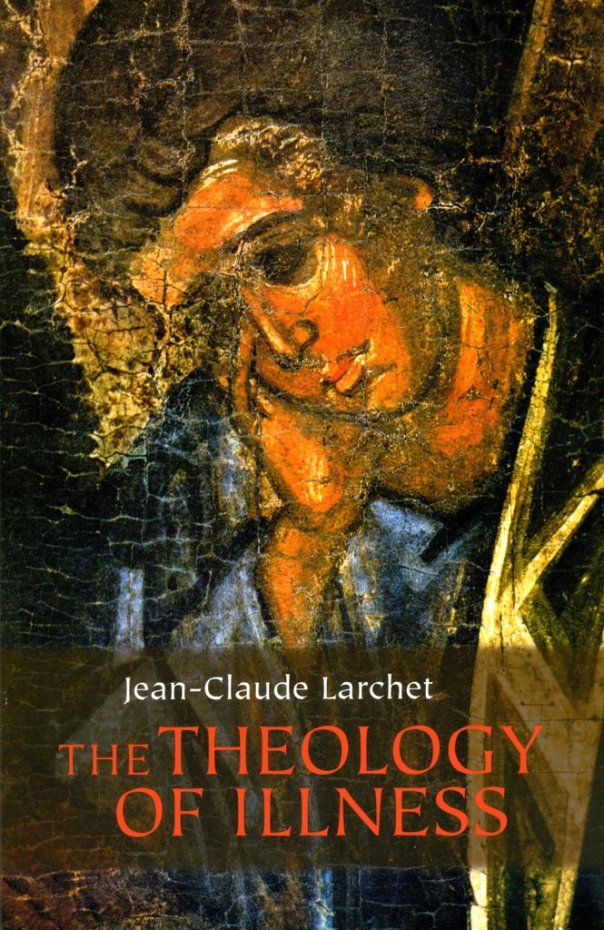
To the brief passage below, taken from The Theology of Illness by Jean-Claude Larchet, the author attaches four footnotes, in which he references St. John Chrysostom, St. Maximus the Confessor, St. Gregory Palamas, Vladimir Lossky and the Book of Job. He is a patristics scholar for sure! And he manages to incorporate many quotes from church fathers and Scripture  in the main text as well, without making it hard to read. In fact, it is pure pleasure to follow Larchet’s explanations as he gathers from great minds of the church and reveals the unity of their thought and faith.

“God, who envisions the salvation of man and through man of the entire universe, does not allow the forces of evil to submerge and destroy His creation. Man and nature remain partially protected by His Providence, which imposes certain limits on the negative activity of the Devil and his demons. Thereby God stabilizes the cosmos in its slide toward nothingness, establishing a certain order in the very heart of disorder. Even if man has lost the ‘likeness’ of God which he began to acquire, he nevertheless remains bearer of the divine ‘image,’ even if that image is veiled, obscured, and deformed.

“Thus man is not totally deprived of grace. Even in his weakness he retains sufficient spiritual power to be able, if he wishes, to turn again toward God and to obey the commandments which he continues to receive from Him (Dt 30:11-19). And thereby he is able to maintain, according to God’s own promise, a certain mastery over nature (cf. Gen 9:1-2).

“Nonetheless, this new balance remains fragile. Man and nature have become a battleground where evil and good, death and life, wage a permanent, merciless combat against each other. This combat is made evident by sickness, infirmity and suffering; and until the Incarnation of Christ, its outcome was uncertain.”

-Jean-Claude Larchet, The Theology of Illness


Colors of the turning, or not.

In our Northern Hemisphere, it’s the season when much of the biomass is dying or going down for a long nap, during which, even if we look hard, it’s not always easy to tell if  a particular plant is going to wake up next spring.

But here, some flowers are at their peak, and because we haven’t had a frost yet, only lots of rain, even my cherry tomatoes keep growing and fruiting. Because of the early rain, the turning leaves are brighter than most years.

A couple of days ago I finally planted winter greens and such in the newly refilled planter boxes. My friend who gave me the 30-odd pots when he moved away also left me with a paper bag with “Seeds” scrawled on the outside; inside were envelopes and pill bottles full of boughten or hand-collected species, so I planted one row just of the lettuce and kale and beets from that “Timothy” collection. Out front I scattered the tiny “purple viola” seeds that had been stored in a tiny mints tin.

This picture is Before Planting, during which time the perennial Painted Lady runner beans have started growing up the trellis again. Without a frost, I guess they haven’t got the message that it’s nap time:

I  made use of the seeds from new packets of Renee’s Garden seeds. The artwork on those always draws me in and makes me try different varieties.

Once the jungle of asparagus foliage had been cleared away we discovered that new spears are popping up all over, at least three months earlier than usual, so I’ve been eating them. The soil mix that was left over after I filled the boxes we spread on the asparagus patches (now five years old) and replaced the mulch on top.

The daphne is in bloom early, too!

Out in the neighborhood I found the flock of 22 wild turkeys that I hear have been hanging out by the creek for months.

Where two creeks join, it was interesting to see how much muddier one was. I got distracted and missed the left turn that would have kept me on my usual walking route. But that was okay, because I ended up on a sidewalk that I normally only see from my car as I drive by, and came upon this strange and beautiful bush, that I identified as a Purple Potato Bush. It had exactly one berry on it, but a score of new flowers and many new leaves.

The Gardener feels that she herself is also still blooming, but also by turns taking naps… If she hasn’t turned into a berry or been cut down by frost she will still be around come spring….

Awake in autumn.

This autumn,
How old I am getting:
Ah, the clouds, the birds!

Bashō

This verse that succinctly expresses my own feelings of the season, I found on the blog First Known When Lost, a place where I am always confident of finding beauty and serenity. In the post I link to, “Awake,” the blogger offers a well chosen smattering of haiku by Matsuo Bashō, including a good representation of autumn poetry, and commentary by by R. H. Blyth. Read the whole post to learn how Bashō can wake us up.