The last stanza of this poem brings to mind the advice to “Die before you die.” It has been attributed to Rumi and to C.S. Lewis, and I’ve heard Orthodox Christians echo the saying. St. Paul said, “I die daily,” and also, “I am crucified with Christ.” Whatever all these people meant, our final death we are definitely instructed to keep in mind, and as the poet says, “learn” something about it — though it’s not clear that he was numbering his days in the Christian fashion.
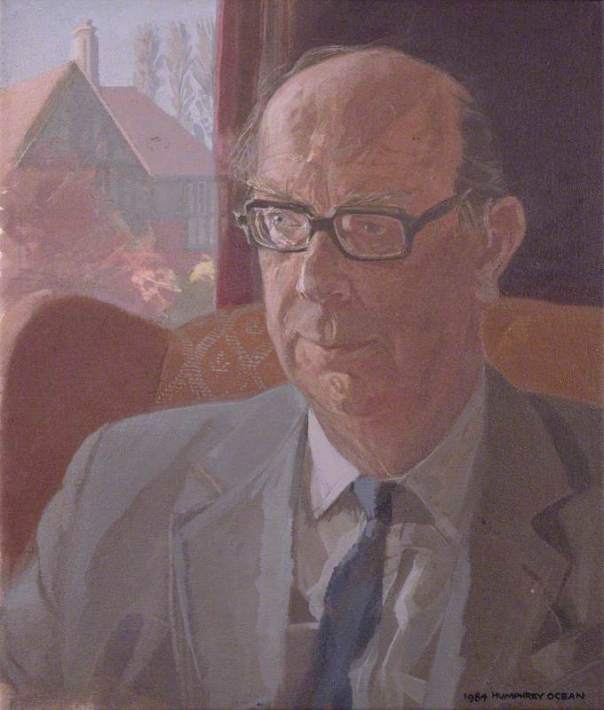
But it was the second stanza that caught my attention here, Larkin’s description of the disorienting effect of considering time and ageing. The images capture what I often feel.
I HAVE STARTED TO SAY
I have started to say “A quarter of a century” Or “thirty years back” About my own life.
It makes me breathless It’s like falling and recovering In huge gesturing loops Through an empty sky.
All that’s left to happen Is some deaths (my own included). Their order, and their manner, Remain to be learnt.
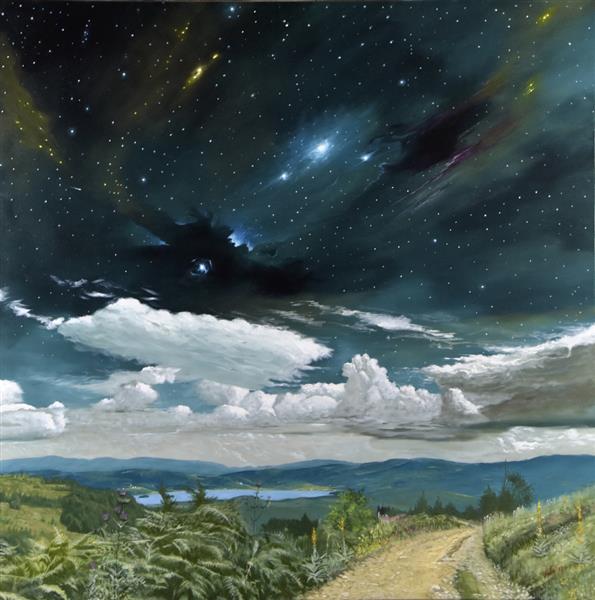
I will make you brooches and toys for your delight Of bird-song at morning and star-shine at night. I will make a palace fit for you and me, Of green days in forests and blue days at sea.
I will make my kitchen, and you shall keep your room, Where white flows the river and bright blows the broom, And you shall wash your linen and keep your body white In rainfall at morning and dewfall at night.
And this shall be for music when no one else is near The fine song for singing, the rare song to hear! That only I remember, that only you admire, Of the broad road that stretches and the roadside fire.
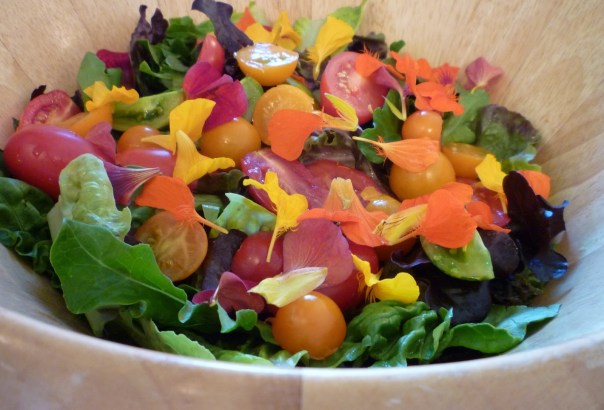
Onions spring compassion. Mulberries promote change.
Corn is a generous mother. Artichokes are modest knights.
You cannot love thy neighbor without eating your vegetables.
You can stop world wars with the kindness of a single fruit cup.
-Katerina Stoykova
This poem is for me like a series of riddles, or an exercise in analogies: How is an artichoke like a knight? And so on. A couple of them are pretty easy, but I am not savvy enough to know all the allusions here, much as I love vegetables, and fruits. But I try to love them purely, for what they are in themselves, which is: recurring miracles.