 On this day we remember St. Tikhon of Zadonsk, a man born into a poor Russian family in 1724. He excelled in school, and after attending seminary became a teacher, and then a monk. After being elevated to the bishopric, at one time he had over 800 churches under his care; the story of his life is well told: here.
It was a huge job, and he accomplished a great deal, but his health began to suffer to the point that he wasn’t able to carry out his duties. He was transferred to a monastery in Zadonsk, and in solitude and relative rest continued to write. Bodily afflictions didn’t cease, but changed, and he became plagued with insomnia and depression, as this article “Victor over Melancholy” explains:
“It was a time of desperate and total battle with his thoughts, of overcoming the spirit of melancholy, despair, and despondency, and of a reassessment of his life circumstances; in the end, his soul acquired the priceless experience of overcoming, and with that the boldness to comfort the despairing….”
Being in seclusion was in some ways harder than overseeing hundreds of parishes, and the saint considered a petition to go back to his former overly-busy life. But eventually he gave up trying to change his situation, and gave himself to ministering to the many needs of the people in the community:
“In the small house where he lived, he organized a type of hospital for those who contracted any kind of illness on the way to work or on pilgrimage. He also offered spiritual alms, tearfully praying for the needs and illnesses of those closely and not so closely known by him.”

His writings were widely read by this time; in one of his compilations of “spiritual treasures” he exhorts us:
“We see in the world that people are weeping… They are born with weeping, live with weeping, and die with weeping. People weep because they live in the world—a place of weeping, the vale of tears… And you weep, Christian!… Weep, while time yet remains, while tears are yet beneficial. Weep, and you will not weep eternally. Weep, and be comforted.” Source
The first Orthodox monastery established in the United States is dedicated to St. Tikhon of Zadonsk: St. Tikhon’s Monastery in Pennsylvania was founded in 1905 concurrently with an orphans’ home, and the current campus is shared with St. Tikhon’s Seminary and Bookstore as well.

Before falling asleep in death, at the age of 59, St. Tikhon was delivered of his melancholy. But in the years previous, during which his writings were proving beneficial to so many, it’s clear from them that his spiritual struggles were already bearing fruit. His example is inspiring, and his words confirm it:
“A manifest sign of love for God is a heartfelt gladness in God, for we rejoice in what we love. Likewise love of God cannot exist without joy, and whenever a man feels the sweetness of the love of God within his heart, he rejoices in God. For so sweet a virtue as love cannot be felt without joy. As honey sweetens our throat when we taste of it, so the love of God makes our heart glad when we taste and see that the Lord is good (LXX-Ps. 33:9 [KJV-Ps. 34:8]). –“On Love for God”
Saint Tikhon was glorified on Sunday August 13, 1861.


 ‘Until this moment, I have done my utmost to keep the commandments of God. But I am a man; how should I know if my deeds are acceptable to God?’ When they questioned him more, he said, ‘Truly the judgement of God is not that of man.’ Dorotheus of Gaza twice quotes the final words of Abba Agathon in his exhortations to his monks.
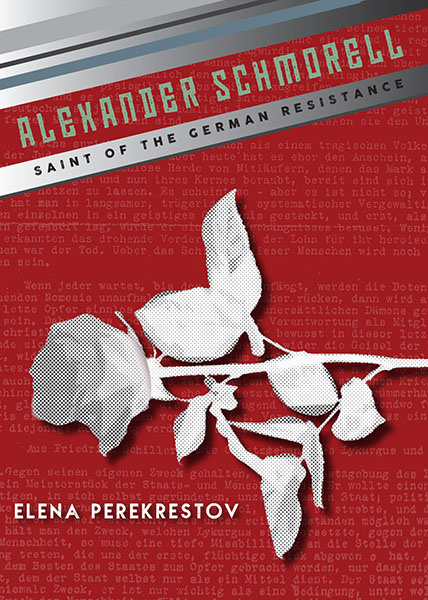 Scholl: The Final Days”) that I first heard of The White Rose, a non-violent youth resistance group formed in Munich in 1942.

 Gladsome Lights