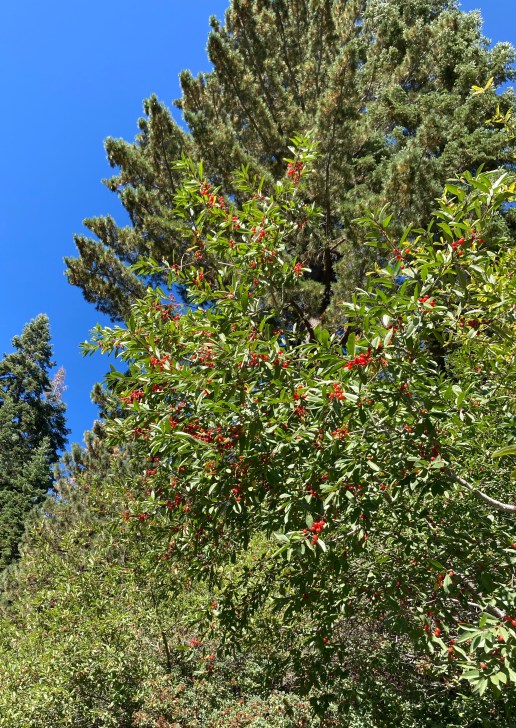
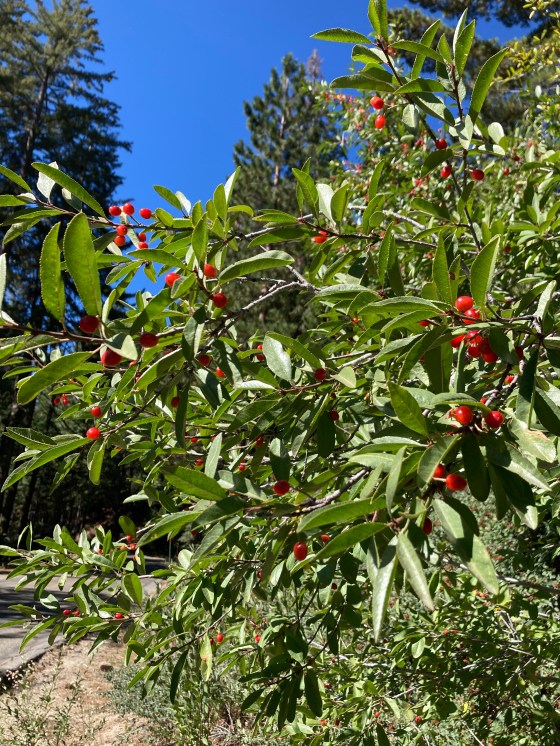
PATIENCE
What is the good life now? Why,
look here, consider
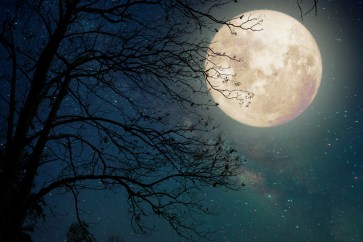
the moon’s white crescent
rounding, slowly, over
the half month to still another
perfect circle–
the shining eye
that lightens the hills,
that lays down the shadows
of the branches of the trees,
that summons the flowers
to open their sleepy faces and look up
into the heavens.
I used to hurry everywhere,
and leaped over the running creeks.
There wasn’t
time enough for all the wonderful things
I could think of to do
in a single day. Patience
comes to the bones
before it takes root in the heart
as another good idea.
I say this
as I stand in the woods
and study the patterns
of the moon shadows,
or stroll down into the waters
that now, late summer, have also
caught the fever, and hardly move
from one eternity to another.
-Mary Oliver
 In addition to several poems that he shares in his recent post about September, including those of Derek Mahon, Howard Nemerov, and Bashō, Stephen Pentz offers this thought:

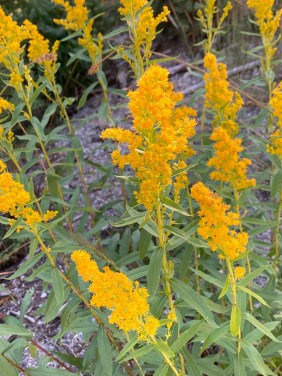 I told myself that I did not need to stop for wildflowers on my drive home from the cabin. I have seen plenty of them already to satisfy, on this trip and throughout my life — and I needed to make up for lost time. It always takes longer than I anticipate, to turn off the water, to turn the water heater to pilot, to leave the cabin clean for the next family members who will come. It was midmorning before I locked the door and headed out.