Tag Archives: death

One baby died, and one lives.

When I was browsing works by X.J. Kennedy I found this poem by him that was published in The New Yorker in 1958:

On a Child Who Lived One Minute
by X.J. Kennedy

Into a world where children shriek like suns
sundered from other suns on their arrival,
she stared, and saw the waiting shape of evil,
but could not take its meaning in at once,
so fresh her understanding and so fragile.

Her first breath drew a fragrance from the air
and put it back. However hard her agile
heart danced, however full the surgeon’s satchel
of healing stuff, a blackness tiptoed in her
and snuffed the only candle of her castle.

Oh, let us do away with elegiac
drivel! Who can restore a thing so brittle,
so new in any jingle? Still I marvel
that, making light of mountainloads of logic,
so much could stay a moment in so little.

And in the same week, I read this one on Poem-a-Day:

Another Poem on My Daughter’s Birthday
by Craig Morgan Teicher

There must be soft words
for an evening like this, when the breeze
caresses like gentle fingertips
all over. I don’t know
how not to write darkly and sad.
But it’s two years today since
my little girl was born, cut safely
from the noose.

We meant nothing but hope;
how near death is to that.

Only children, only some children,
get to run free from these snags. She
was born! She lived and she grows
like joy spreading from the syllables

of songs. She reminds me of now
and now and now.
I must learn
to have been so lucky.

Christ forsaken.

Holy Friday, and I am sick. I see what a gift it was to be able to participate in last night’s Matins of Holy Friday service, now that I’ve already missed the first two services of the today and am just focusing on being better for the rest of the weekend.

While I am down it seemed a good thing to meditate on some words of Metropolitan Anthony Bloom from God and Man, in a chapter discussing Christ’s incarnation and death on the cross. I will share what seems a terribly truncated passage in the interest of accomplishing it today and in hopes that it will be just long enough to provoke profitable meditation. But I really wish you all could read this book that I first read last year and thought at the time, “That is the best book I have ever read.” Metropolitan Anthony:

One cannot be, as it were, plugged into life eternal and die. St. Maxim the Confessor underlines the fact that at the moment of his conception, at the moment of his birth, in his humanity Christ had no participation in death, because his humanity was pervaded with the eternal life of his divinity. He could not die. It is not an allegory or a metaphor when in the Orthodox Church on Thursday in Holy Week, we sing “O Life Eternal, how can you die; O Light, how can you be quenched?”

He died on the cross, and the operative words are the most tragic words of history: He, who is the Son of God, because he has accepted total, final, unreserved and unlimited solidarity with men in all their conditions, without participation in evil but accepting all its consequences; He, nailed on the cross, cries out the cry of forlorn humanity, “My God, my God, why hast thou forsaken me?”

…When Christ said “My God, my God, why hast thou forsaken me?” he was crying out, shouting out the words of a humanity that had lost God, and he was participating in that very thing which is the only real tragedy of humanity — all the rest is a consequence. The loss of God is death, is forlornness, is hunger, is separation. All the tragedy of man is in one word, “Godlessness.” And he participates in our godlessness, not in the sense in which we reject God or do not know God, but in a more tragic way, in a way in which one can lose what is the dearest, the holiest, the most precious, the very heart of one’s life and soul.

Crucifixion icon Russ

RFC considers blood and sacrifice.

I owe you something more, however — something darker — on the subject of meat: The minor leads inexorably to the monumental. Lamb has set our feet in a large room indeed. Man not only dines: he also kills and sacrifices. The room in which he relishes the animal orders lies between slaughterhouse and temple. There are death’s heads at each end of the table of the world.

In The Supper of the Lamb: A Culinary Reflection Robert Farrar Capon introduces what is perhaps the most poetic chapter with this paragraph. He explores our human proclivity to hunting and butchering and the Jewish temple sacrifices in a long poem that I mostly didn’t have the patience for, though I liked its division into sections named for the categories of the car game:

Animal, Vegetable, Mineral;
Testing the textures of creation,
savoring the styles of its coinherence.

After describing the neat and clean Mineral parts of our world, he moves on to the Vegetable, “the kingdom of seed, birth, life….And for the first time,/ the reek of death.” But

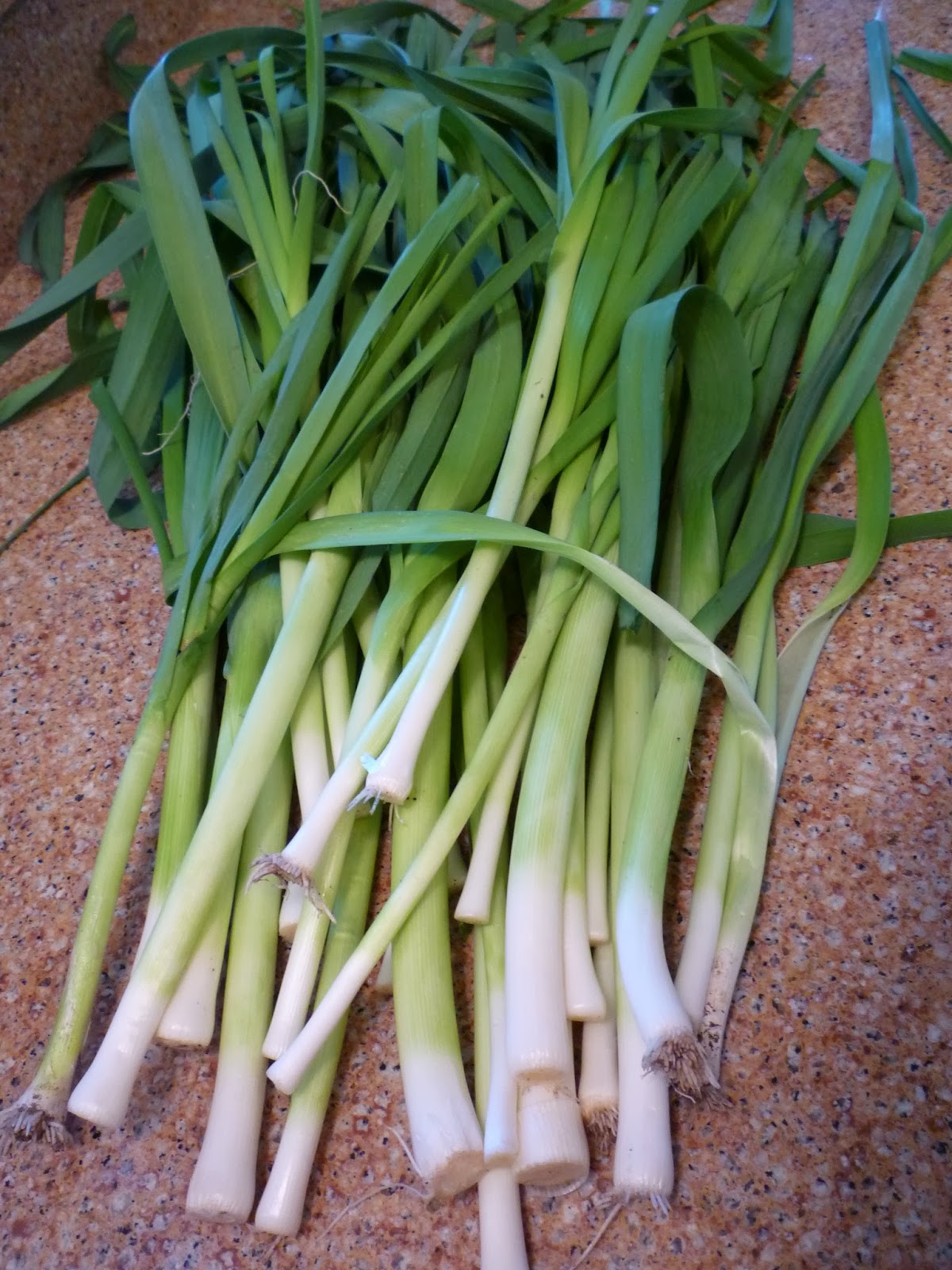
Onions die quietly,
Cabbages shed no blood;
All plants forgive:
By the waters that comprise them
They wash man’s hands
And let him walk away.

Eating vegetables is so innocent. But Capon doesn’t want to ignore the reality of our place as carnivores, so he unapologetically moves on to the Animal kingdom

each man owning the honest interchange by which he steals his livelihood; each woman’s hand intimate with the crack of wrung neck and severed spine….

It is not possible or even desirable to distill the writer’s poem into a fully satisfying theology, but I wanted my readers to know that he does satisfy himself with the mysteries of God’s plan of salvation, of which the temple sacrifices were a foreshadowing of Christ’s sacrifice on the cross.

The world awaits
The unimaginable union
By which the Lion lifts Himself Lamb slain
And, Priest and Victim,
Brings
The City
Home.

Other posts in this series are:
RFC is the man we need.
RFC begins with the meat.