 This Advent season I’m participating with other women, organized by Sylvia, in reading the Psalter every day for the 40 days. Our Psalter is divided into 20 groupings each of which is called a kathisma, and every woman will read one per day.
There are more than 40 of us participating so that the whole book of Psalms will be read twice a day. Everyone who perseveres will end up having read the Psalter through twice before Christmas, as well! What a joy it has already been.
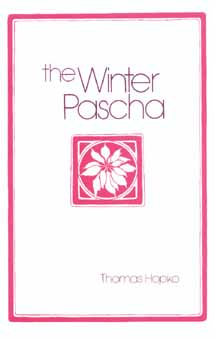
I’m also trying to read The Winter Pascha by Fr Thomas Hopko, which has 40 readings about this period in the church year that has similarities to Lent and Pascha. I read two days’ entries and now can’t find the book, so we’ll see how that goes….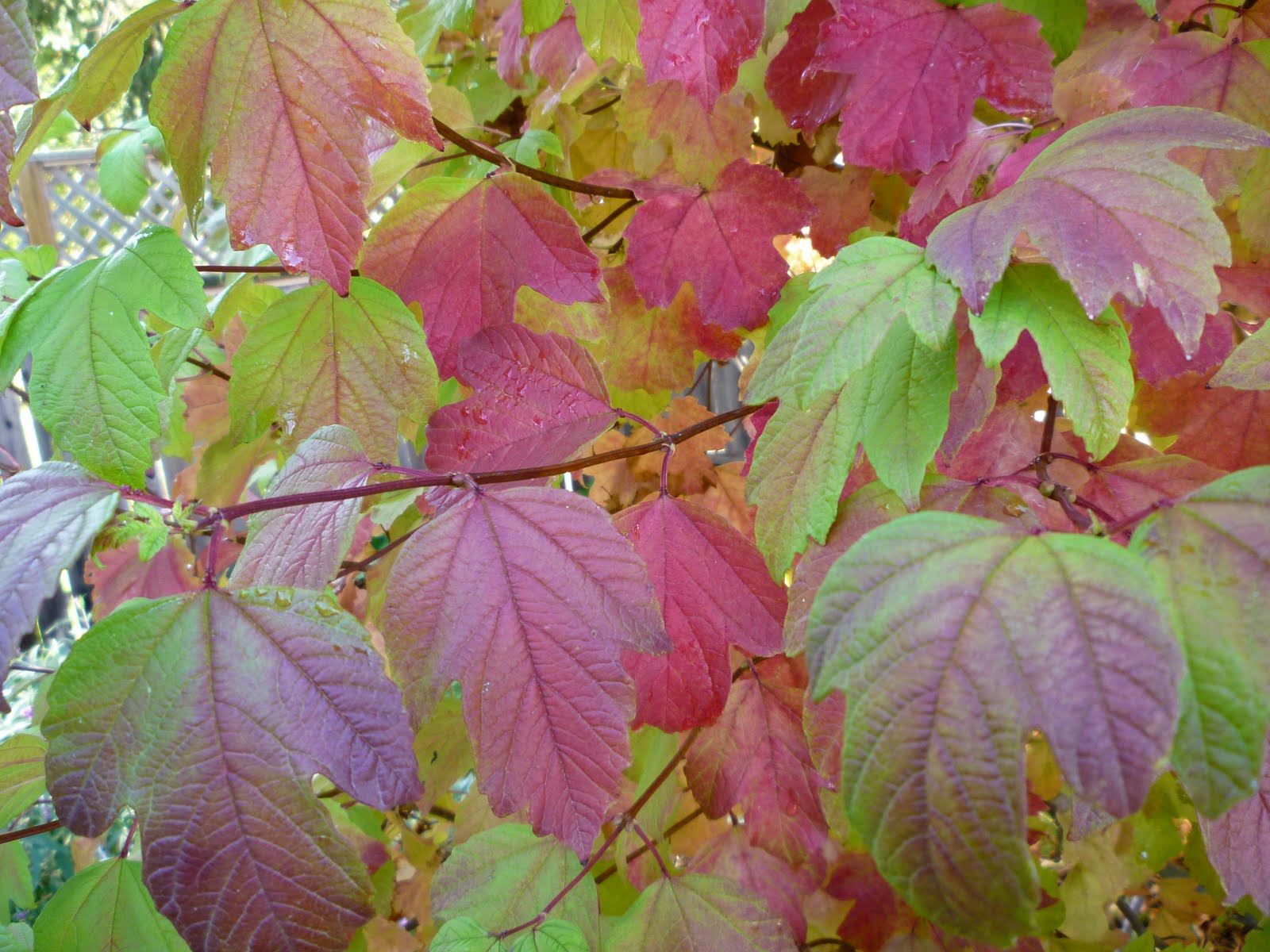
We just got a good rain and everything is washed clean, the sky is blue, and the snowball bush is showing its glory.
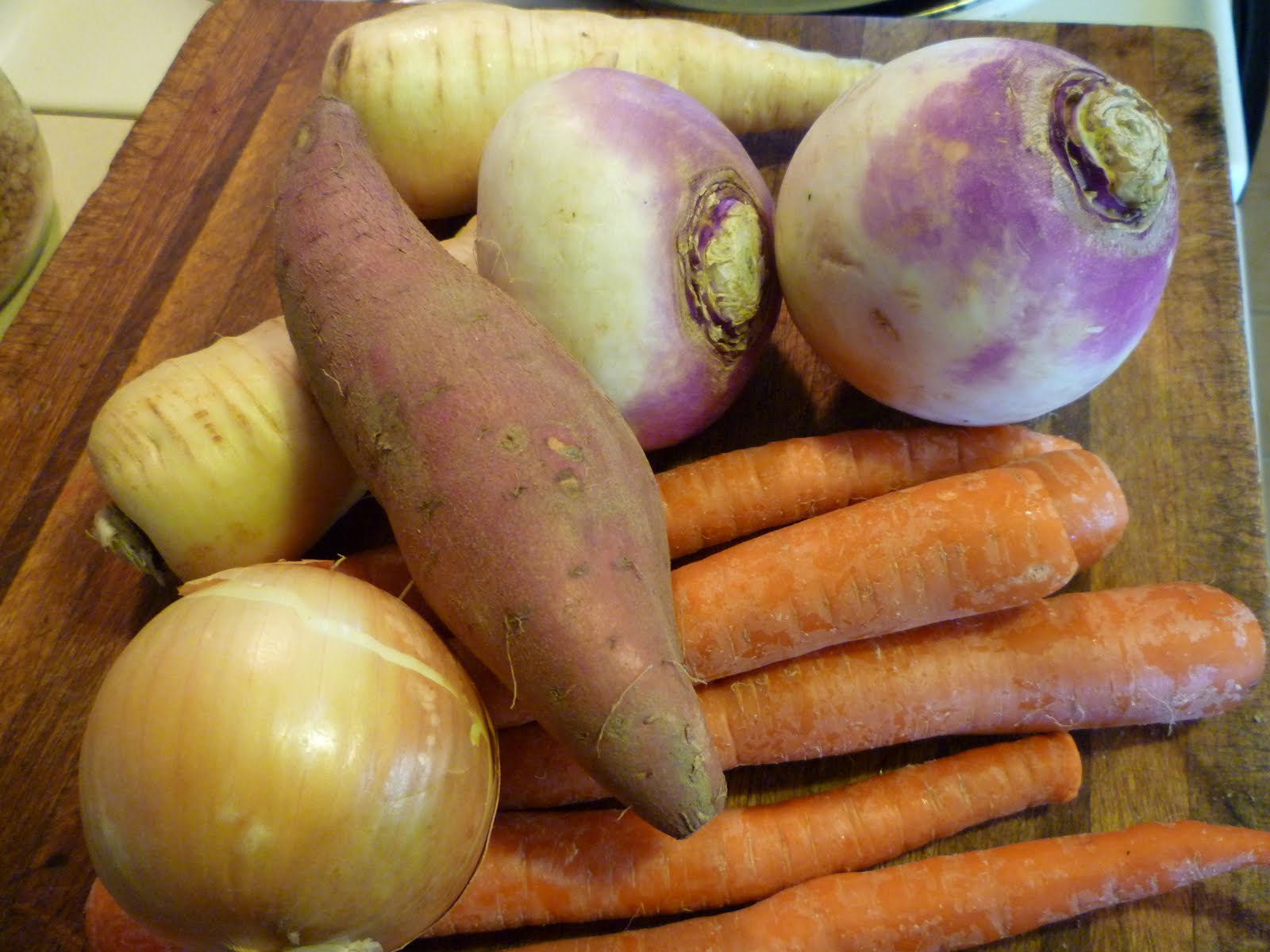
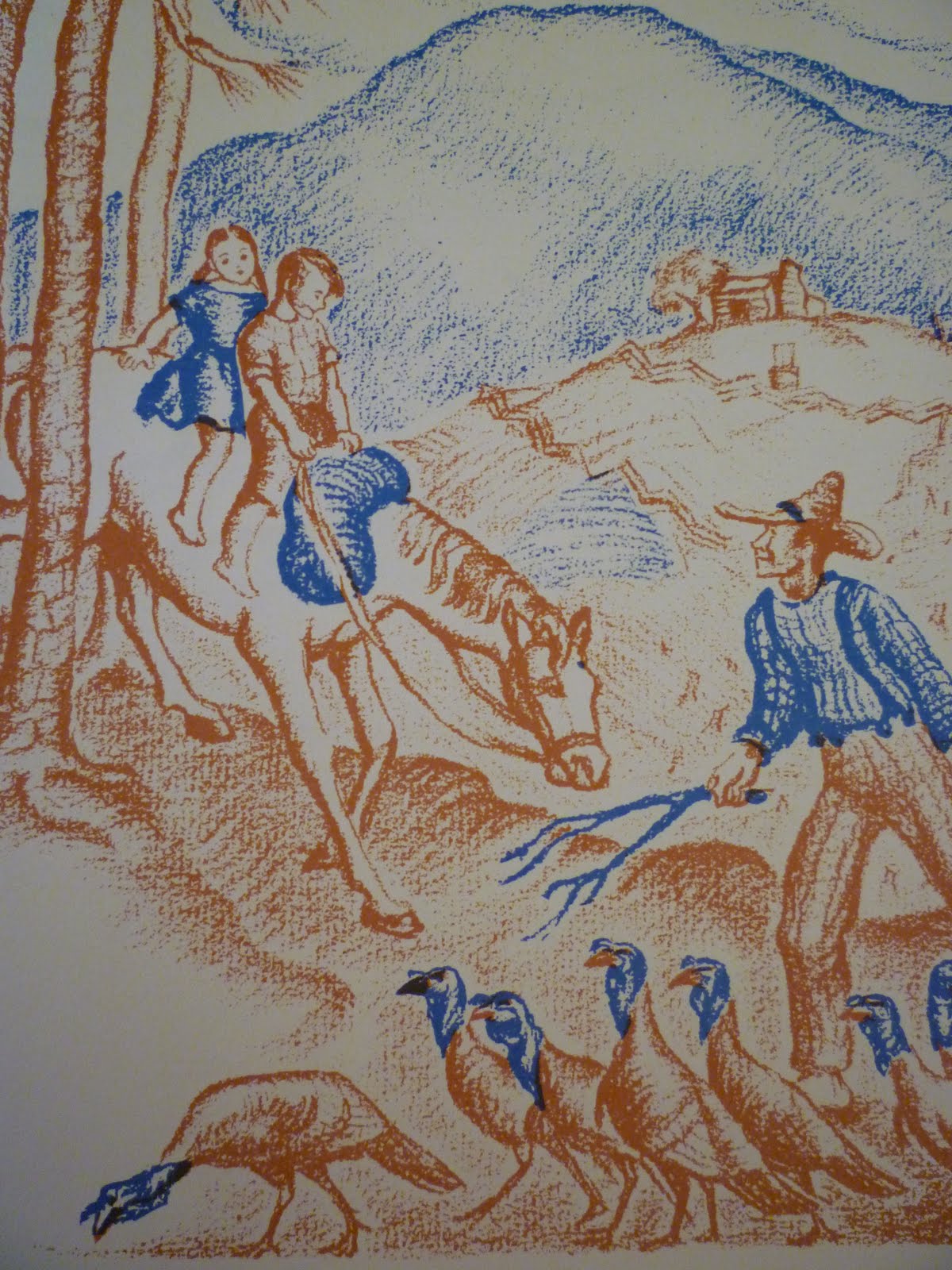
I don’t often buy parsnips or turnips. When I used to read Down, Down the Mountain by Ellis Credle to my children, the vegetables the characters are so fond of must have seemed as exotic as boys and girls riding barefoot for lack of shoes to wear.
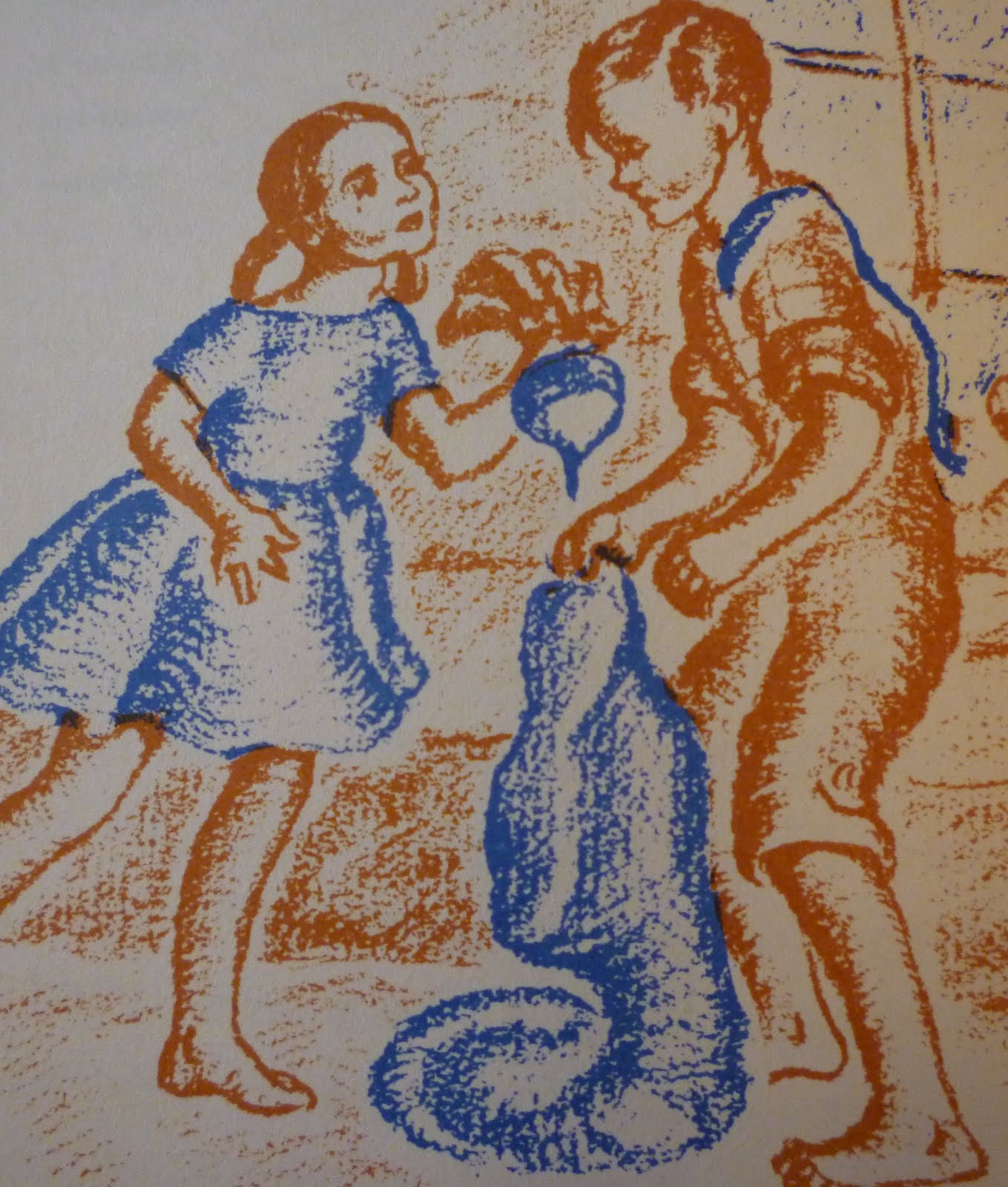 In the story, the mountain children carry a bagful of turnips down to the town, turnips they themselves planted and tended lovingly, in hopes of selling them for enough money to buy shoes. But everyone they meet along the way is hungering and thirsting for just such a delicacy, and when they arrive in town they discover that only one turnip is left in the bag.

 Gladsome Lights