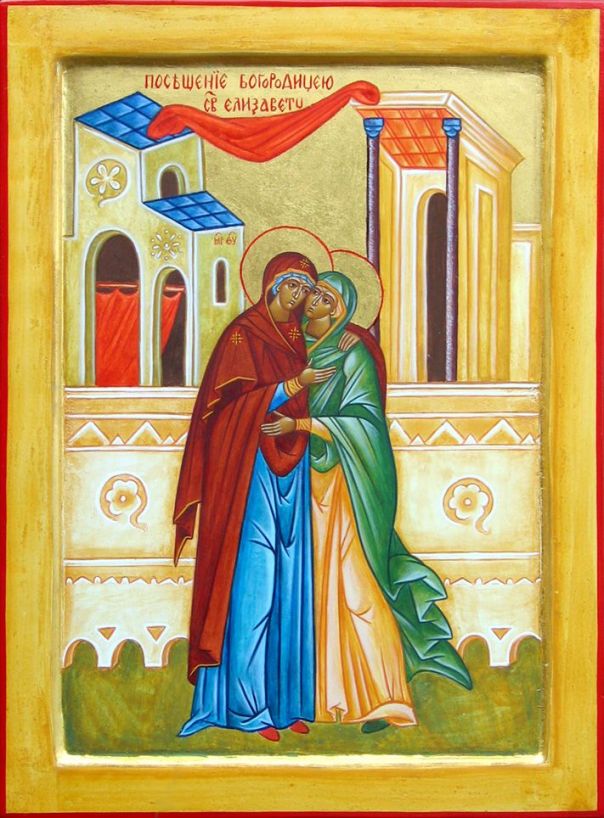
We are celebrating the Feast of the Visitation on March 30; this is the commemoration of the visit the Virgin Mary made to her cousin Elizabeth, seemingly soon after the the Annunciation, because the Scripture says she “went with haste.” Elizabeth was also expecting a baby, the Holy Prophet, Forerunner and Baptist John.
Malcolm Guite has written a sonnet for the feast, which you can find in the anthology Sounding the Seasons. In the West the feast is kept in May.
THE VISITATION
Here is a meeting made of hidden joys Of lightenings cloistered in a narrow place From quiet hearts the sudden flame of praise And in the womb the quickening kick of grace. Two women on the very edge of things Unnoticed and unknown to men of power But in their flesh the hidden Spirit sings And in their lives the buds of blessing flower. And Mary stands with all we call ‘too young’, Elizabeth with all called ‘past their prime’ They sing today for all the great unsung Women who turned eternity to time Favoured of heaven, outcast on the earth Prophets who bring the best in us to birth.
Today felt like the beginning of a fresh season. The real seasons don’t sync with the dates on the calendar, and right now presents itself as more natural for starting something, for having the necessary energy and expectation. If my helper Alejandro hadn’t come to prune, it might not have happened still. But I did ask him to come, so I guess I got the ball rolling, or the pruners opened, or something.
In the first week of January, I only needed to go to church, to be carried on a wave of feasts and exultations. I did that seven times in seven days, because of St. Basil’s Day, Theophany, and our parish feast day, with all the associated Matins and Vespers services. When I go to church it’s nearly impossible for me to get Anything Done the rest of the day. So of course I was Behind in the second week, and before I had caught up much I sank a bit Under the Weather, and put this painting as the background of my computer monitor:
Felix Vallotton, Femme Couchee Dormant, 1899
But! I didn’t resemble that lady all the time, and when I put her picture up it was at my New Computer I was sitting, the whole project of which was accomplished for me (just before I went Under) by a team of family members, starting with Soldier, who chose and ordered the machine, and the Professor and Scout who got it set up beautifully. Especially Scout, whom some might remember as the boy at left, but who now is a young man and my favorite I.T. guy. My computing (reading and word processing) now goes blessedly like lightning, compared to the old system.
That speed enabled me to switch my Duolingo lessons from my phone to the computer, which was a relief, because all the phone pecking had aggravated my right thumb joint. It is in an effort to learn Greek that I was suffering the abuse, which led one friend to declare that I now have a Greek Thumb. I found the audio-visual lessons to be inadequate without writing practice, so once I switched to the computer I started writing down some phrases and sentences I was learning.
A trip to Greece is in my near future, if all goes as planned — I will surely tell you more about that soon. It’s doubtful that I will use the language much when I go there, but at least I may be able to make out some signage. And languages are always fun. I really need to work on my Greek penmanship, though!
My Greek Thumb had been one more cause of my enervation. But after about a week of lounging about and never quite finishing the dishes and laundry, I found myself out in the garden picking greens and stringing up pea supports. It was an overcast day, but I wore my barn coat and garden gloves and happily pulled out the rotten cherry tomato plant and took pictures of the pomegranates before they got pruned.
Many people have looked out the window at those fruits and wondered what they could be. The pomegranates get bleached by the winter rain and frosts, and don’t resemble at all the deep red fruits they were in the fall.
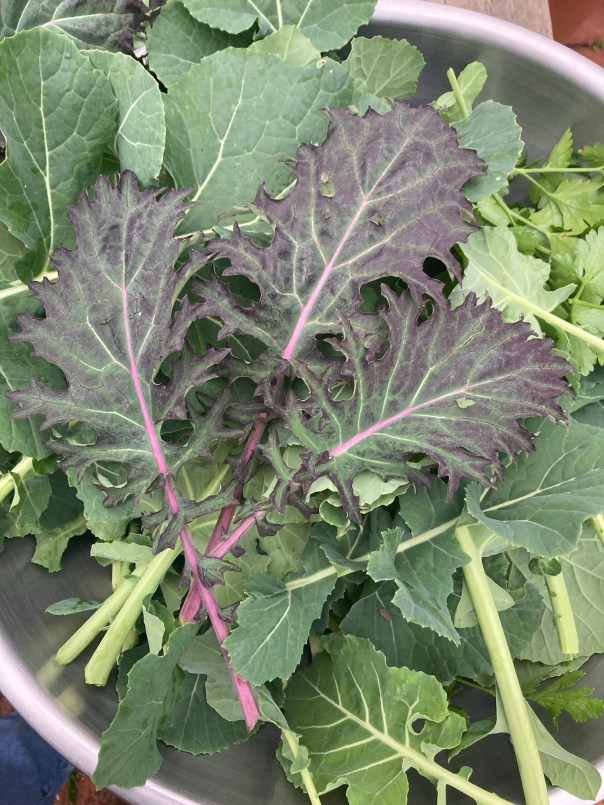
The day’s harvest of parsley, kale, collards and Swiss chard was fantastic. I hadn’t picked any for a couple of months. That type of kale on the top of this bowlful is so beautiful and hardy, I hope I can find the same seeds to plant again this year.
On the last day of lounging, my podcast listening also helped me get into a more active mode, because my contemplative self had been supremely satisfied by listening to Malcolm Guite. He was talking about George MacDonald, at a celebration last year of MacDonald’s 200th birthday.
If you are at all interested in MacDonald, C.S. Lewis’s conversion, the vision of Coleridge, or myth and the imagination generally, I very heartily recommend it. I’m going to watch/listen again. Guite’s love for God and for his subject(s) are contagious. Immediately following that experience, I had today a perfect Home Alone Day, when my scattered mind wasn’t too challenged by having to multi-task. And that helps me to get more Things Done, which is calming and energizing.
Even though my last couple of days were more about Getting Up than waking up, I put the word “wake” in the title of this post because one theme of Guite’s talk and MacDonald’s writings is Waking Up. You can listen to the podcast and hear more about what we might wake to; I will just leave you with a related thought from the author himself:
“The world…is full of resurrections… Every night that folds us up in darkness is a death; and those of you that have been out early, and have seen the first of the dawn, will know it — the day rises out of the night like a being that has burst its tomb and escaped into life.” -George MacDonald
Malcolm Guite has given us a sonnet to turn our remembrance to the origin and meaning of Hallowe’en, and to the saints, known and unknown, those “steady lights undimmed” who are commemorated in the next days. If you go to his site, “Malcolm Guite,” you can read a little related history, and hear him reading his own poem. It’s worth a click.
ALL SAINTS
Though Satan breaks our dark glass into shards Each shard still shines with Christ’s reflected light, It glances from the eyes, kindles the words Of all his unknown saints. The dark is bright With quiet lives and steady lights undimmed, The witness of the ones we shunned and shamed. Plain in our sight and far beyond our seeing He weaves them with us in the web of being They stand beside us even as we grieve, The lone and left behind whom no one claimed, Unnumbered multitudes, he lifts above The shadow of the gibbet and the grave, To triumph where all saints are known and named; The gathered glories of His wounded love.
This year in my parish the birthday of St. John the Baptist, June 24th, falls on Holy Spirit Day, and our youth are also heading off to church camp, so I wasn’t paying close enough attention. Ideally I’d have shared about it last night, on St. John’s Eve, because this year that is the day that has captured my imagination.
Father Malcolm Guite has written more than one sonnet for the celebration of St. John’s Day, the birth of St. John the Baptist. Here is one of them, prefaced by his notes on the feast:
“Now, with the summer solstice, we have come to midsummer and the traditional Church festival for this beautiful, long-lit solstice season is the Feast of St. John the Baptist, which falls on June 24th, which was midsummer day in the old Roman Calendar. Luke tells us that John the Baptist was born about 6 months before Jesus, so this feast falls half way through the year, 6 months before Christmas!
“The tradition of keeping St. John’s Eve with the lighting of Bonfires and Beacons is very ancient, almost certainly pre-Christian, but in my view it is very fitting that it has become part of a Christian festivity. Christ keeps and fulfills all that was best in the old pagan forshadowings of his coming and this Midsummer festival of light is no exception. John was sent as a witness to the light that was coming into the world, and John wanted to point to that light, not stand in its way, hence his beautiful saying ‘He must increase and I must diminish’, a good watchword for all of those who are, as the prayer book calls us, the ‘ministers and stewards of his mysteries’.”
Midsummer Eve Bonfire – Nikolai Astrup
ST. JOHN’S EVE
Midsummer night, and bonfires on the hill Burn for the man who makes way for the Light: ‘He must increase and I diminish still, Until his sun illuminates my night.’ So John the Baptist pioneers our path, Unfolds the essence of the life of prayer, Unlatches the last doorway into faith, And makes one inner space an everywhere. Least of the new and greatest of the old, Orpheus on the threshold with his lyre, He sets himself aside, and cries “Behold The One who stands amongst you comes with fire!” So keep his fires burning through this night, Beacons and gateways for the child of light.
I just now figured out from this Wikipedia entry the source of the word bonfire:
“In England, the earliest reference to this custom occurs in the 13th century AD, in the Liber Memorandum of the parish church at Barnwell in the Nene Valley, which stated that parish youth would gather on the day to light fires, sing songs and play games. A Christian monk of Lilleshall Abbey, in the same century, wrote:
“‘In the worship of St John, men waken at even, and maken three manner of fires: one is clean bones and no wood, and is called a bonfire; another is of clean wood and no bones, and is called a wakefire, for men sitteth and wake by it; the third is made of bones and wood, and is called St John’s Fire.'”
The summer solstice always marks in my mind the beginning of summer, so I’m out of sync with the ancients who called it Midsummer…. even though the other end of the year does seem like Midwinter. Where I am, the heat is just now escalating, and definitely not at its peak, and for that reason I think my personal date for Midsummer would be sometime in July or August. When I get that certain feeling, I’ll let you know what date I choose.
Jules Breton – Midsummer Night Dance in Courrires
Only recently did I learn about St. John’s Eve celebrations at all. [Update: see the video link from Lisa in the comments below, for much more history of the day.] Some online Christian friends in England and Ireland gathered around bonfires last night — while I in California was still at church celebrating Pentecost. I doubt I will ever be able to join such festivities over there… maybe I should try to rouse interest in planning a West Coast Midsummer Fest for 2025. Does that sound fun to you? And do you feel that where you are, it is truly Midsummer — or Midwinter?
The Sun — Giuseppe Pellizza da Volpedo
(If you enjoy the sonnets from Malcolm Guite, remember that most of them have been published in his several collections. The one here can be found in Sounding the Seasons, his cycle of seventy sonnets for the Church Year.)
 Today felt like the beginning of a fresh season. The real seasons don’t sync with the dates on the calendar, and right now presents itself as more natural for starting something, for having the necessary energy and expectation. If my helper Alejandro hadn’t come to prune, it might not have happened still. But I did ask him to come, so I guess I got the ball rolling, or the pruners opened, or something.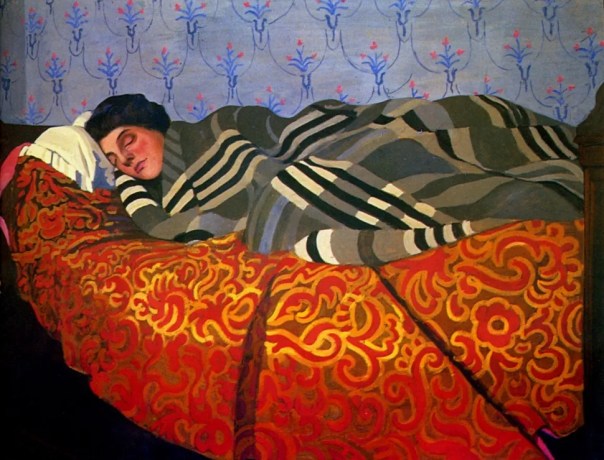
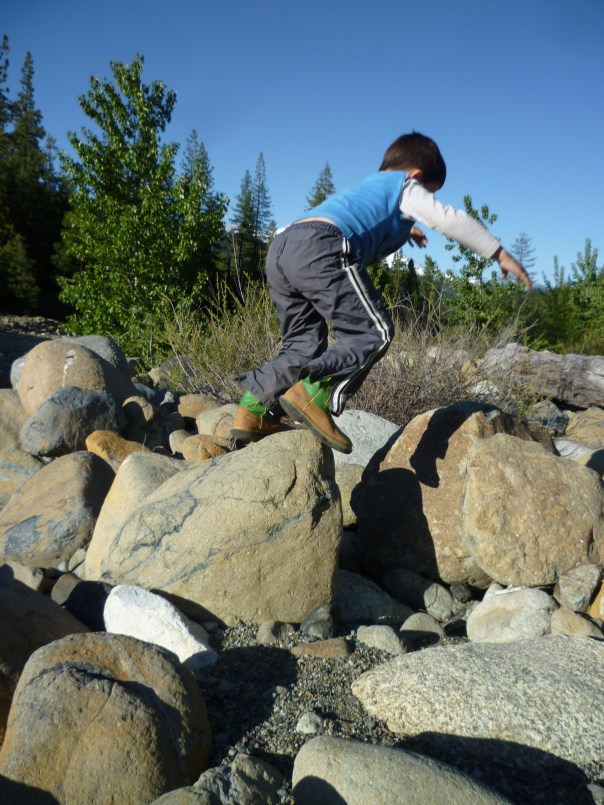 me (just before I went Under) by a team of family members, starting with Soldier, who chose and ordered the machine, and the Professor and Scout who got it set up beautifully. Especially Scout, whom some might remember as the boy at left, but who now is a young man and my favorite I.T. guy. My computing (reading and word processing) now goes blessedly like lightning, compared to the old system.

 The event took place at the
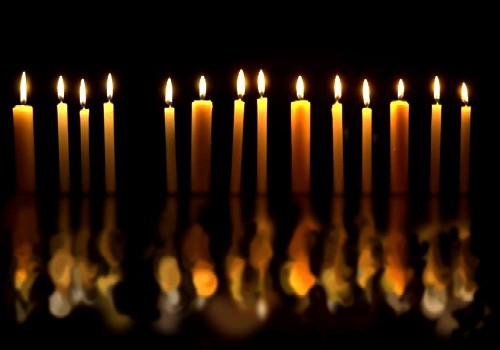
 This year in my parish the birthday of St. John the Baptist, June 24th, falls on Holy Spirit Day, and our youth are also heading off to church camp, so I wasn’t paying close enough attention. Ideally I’d have shared about it last night, on St. John’s Eve, because this year that is the day that has captured my imagination.


 Gladsome Lights