Tag Archives: St. Lawrence of Rome

We Need Food of All Kinds

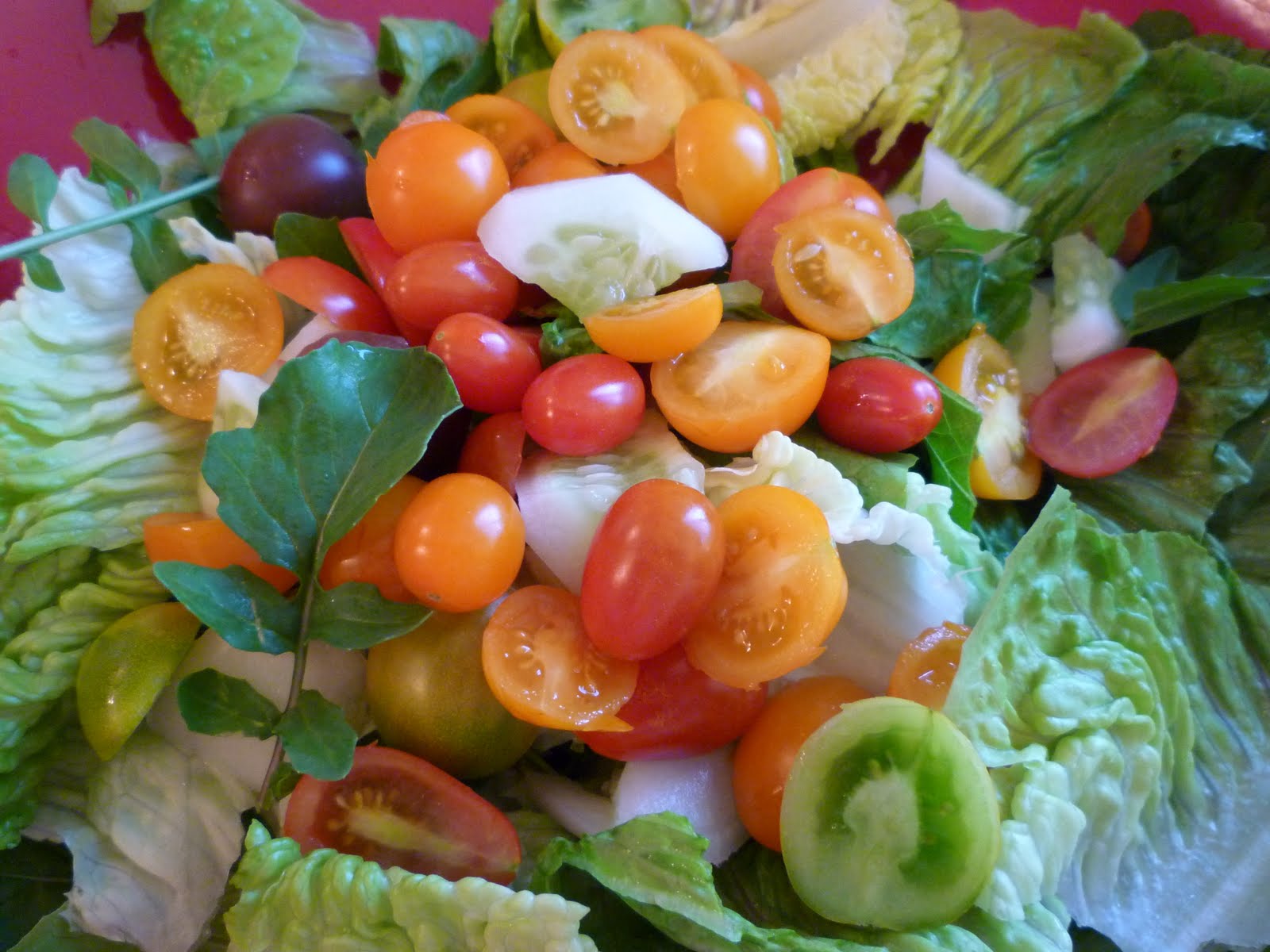
Soldier’s wedding will take place in a few days.  Mr. Glad and I are just trying to get ourselves and the house and my father-in-law ready for the Joyous Event–and trying at the same time to get over our summer colds. I was pleased to pick the first lemon cucumber and add it with our arugula and the multi-colored cherry tomatoes to some lettuce last night, to fortify us for the work, and for the happy busyness ahead.

This morning I was well enough and eager to get back to church, where we remembered the life of St. Lawrence of Rome. God has filled my cup with delights like this–how many parishes are able to celebrate on a Tuesday morning?

St. Lawrence was a deacon serving with Pope Sixtus in the third century; his life and martyrdom are peppered with several encouraging stories. He seems to have had a good sense of humor, and among the various groups who call him patron are comedians.

G. K. Chesterton said it is the test of a good religion, whether you can joke about it. I’m sure he didn’t mean anything like mocking God or His salvation. But being able to laugh at oneself is a sign of humility, and I think it might be a collective form of this humor he is talking about. The whole subject of humor is something mysterious to me, and I would do well to study Chesterton’s other writings about it. For now I will change the subject after my favorite pertinent quote, also from him: “Angels can fly because they take themselves lightly.”

I came home from the feast and noticed the hyssop flowers having grown taller and taller. Bees were drinking nectar from the blooms, but bees are hard to photograph–one has to take time and a couple dozen pictures in hopes of getting one without a blur of bee, and I have lots of housework yet to do.

My life is like my garden. It’s full of beautiful and colorful things and events, ever changing, and I notice so few of them. Fewer still can I pick and show anyone else. My sociable or communicative side I find is always writing script in my mind, for how to tell other people about my discoveries and joys. But when the foliage and flowers grow so fast, events tumbling and intertwining with each other like a jungle, the feeling of not keeping up has been a gift in itself. From a feeling of helplessness, God has given me grace to just stop that script-writing for a few minutes at a time and direct my noticing and my thanks only to Him. Let me be like the bee, blurry if need be, but doing my job of imbibing the sweetness.
Recalling Pies and Martyrs

This week’s pies probably aren’t anything you will want to imitate, but I couldn’t miss the chance to add a post to the Pie category.

First there was the Lenten Pie Challenge. For myself, I would not bother baking or eating a pie made without butter, or at least eggs, and would wait until after a church fast to eat the real thing. But today at church we were commemorating Saint Lawrence of Rome, patron saint of our rector, who loves pies. We are in the middle of a short period of fasting, so if we want to show our appreciation by baking pies for him, they need to be vegan.

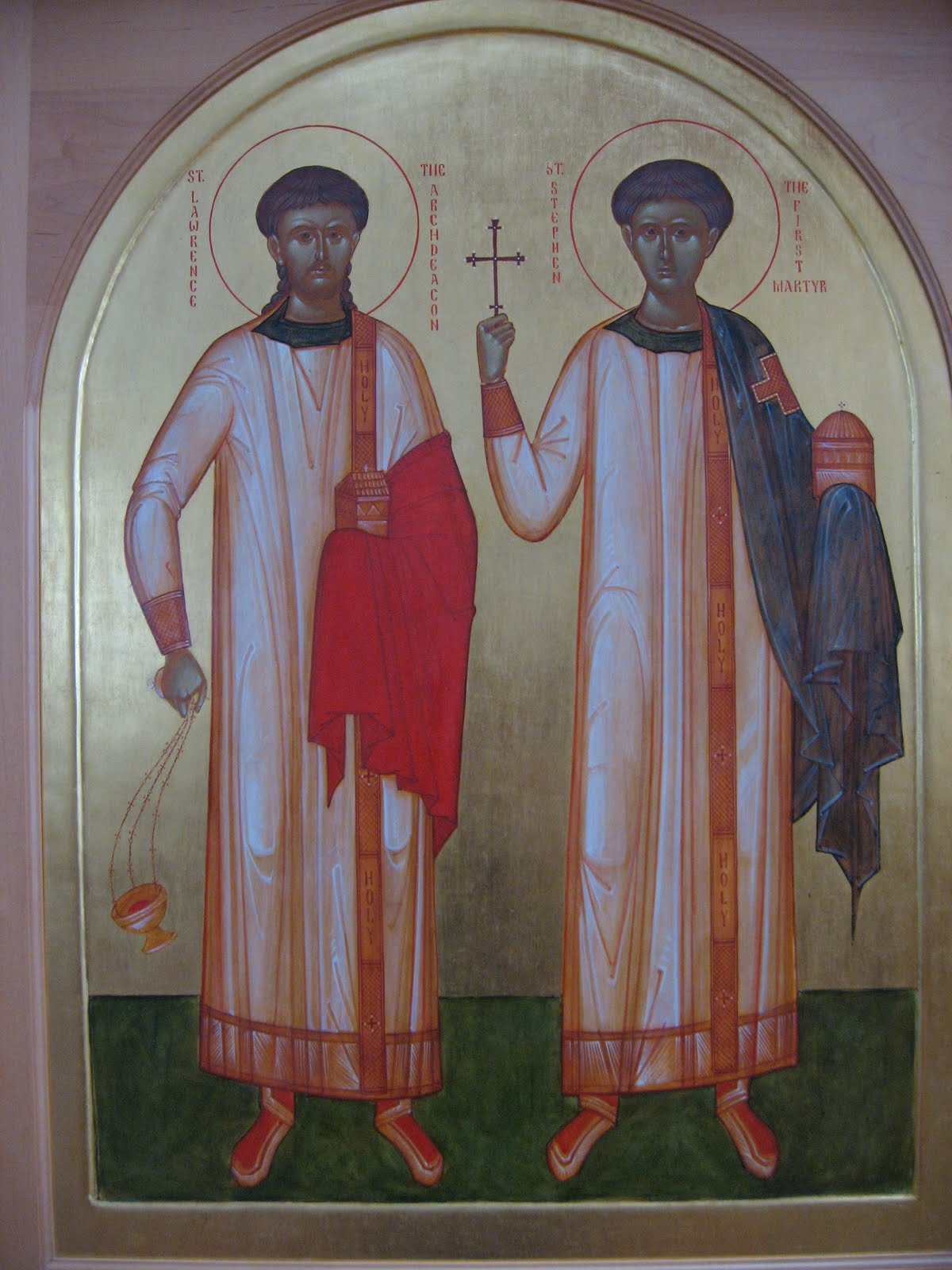
Let me interject a story about today’s saint, who lived in the third century, and an icon that is painted on a door in our church. It shows St. Lawrence and also the first martyr Stephen. Click on it to see more detail, and their names.

The Jewels of St Lawrence

After the death of Sixtus, the prefect of Rome demanded that Lawrence turn over the riches of the Church. Ambrose is the earliest source for the tale that Lawrence asked for three days to gather together the wealth. Lawrence worked swiftly to distribute as much Church property to the poor as possible, so as to prevent its being seized by the prefect. On the third day, at the head of a small delegation, he presented himself to the prefect, and when ordered to give up the treasures of the Church, he presented the poor, the crippled, the blind and the suffering, and said that these were the true treasures of the Church. One account records him declaring to the prefect, “The Church is truly rich, far richer than your emperor.” This act of defiance led directly to his martyrdom.

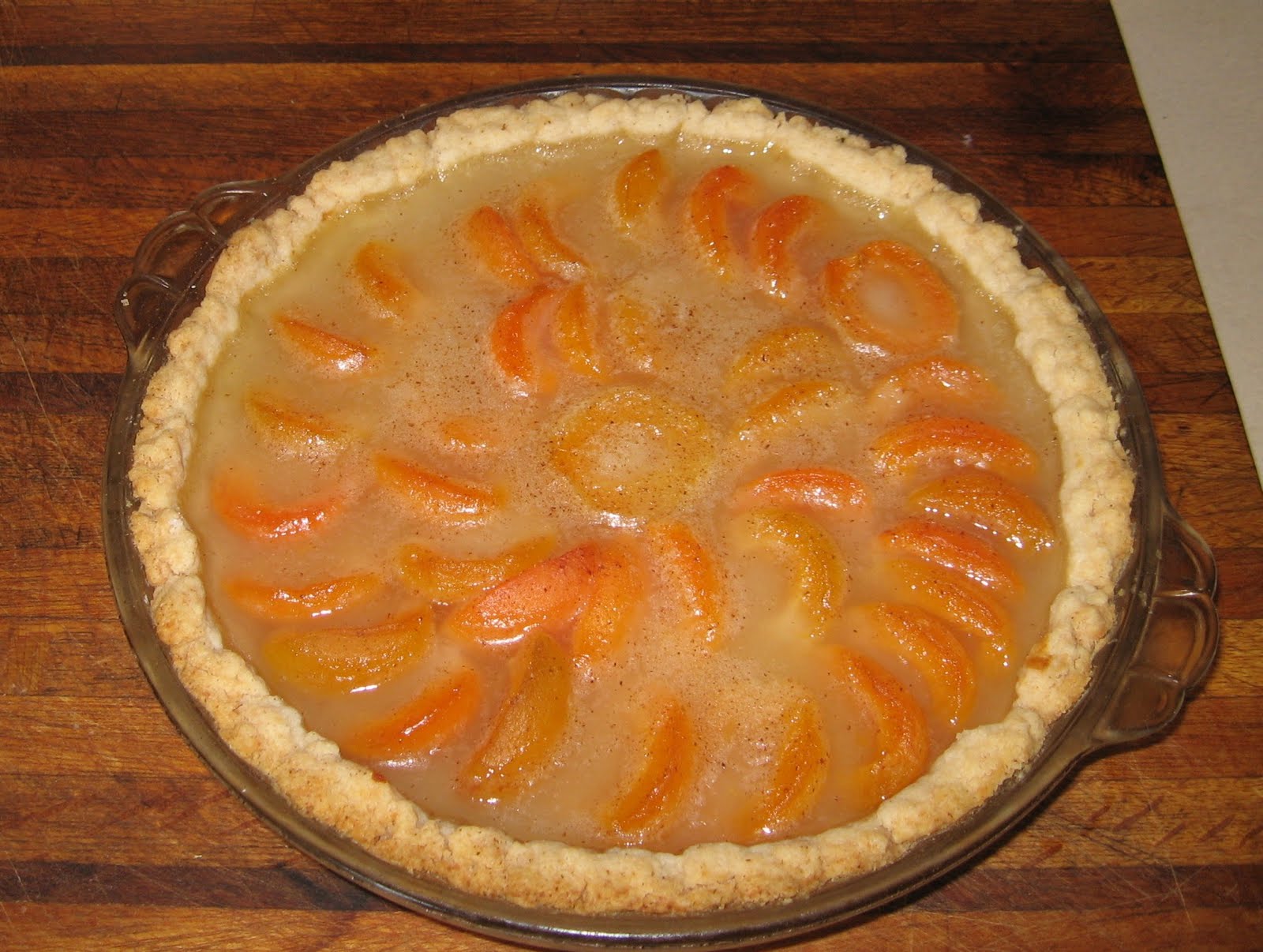
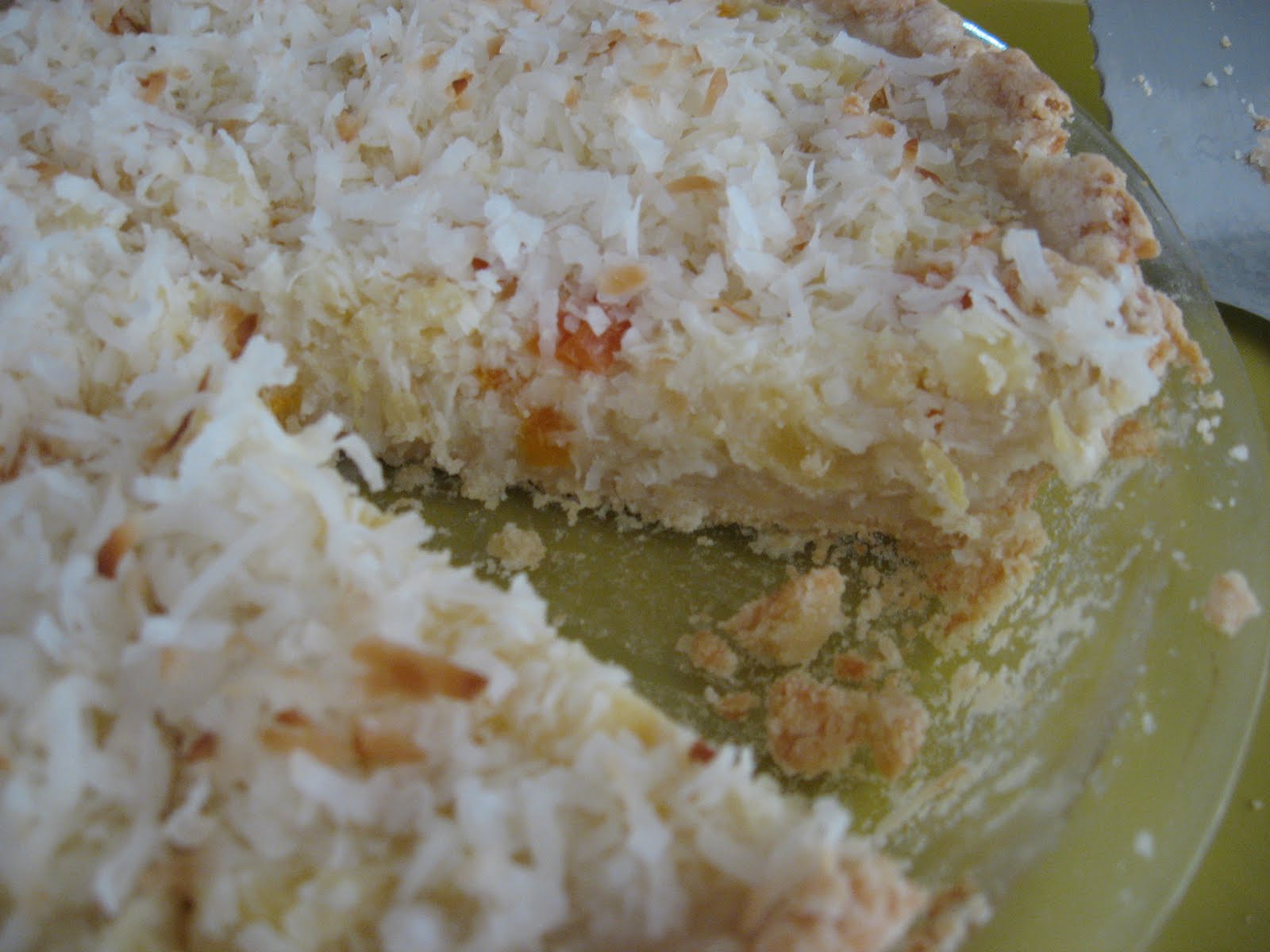
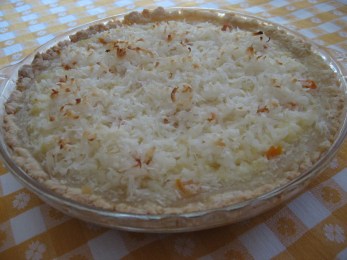
Last year for this celebration I made some apricot pies with lots of walnuts. They would have looked much like the picture below but for the walnut meal on top of the pies that didn’t get photographed. This year I decided to try something with coconut and pineapple. I used canned pineapple, shredded dried coconut, coconut milk, and some other things. The challenge was mostly knowing how much thickening to include. I made two, and they were well-received at the brunch following church, but I’d like to improve the recipe before I pass it on. It’s unlikely, at any rate, that many of my readers are holding their breath waiting for vegan pie recipes.

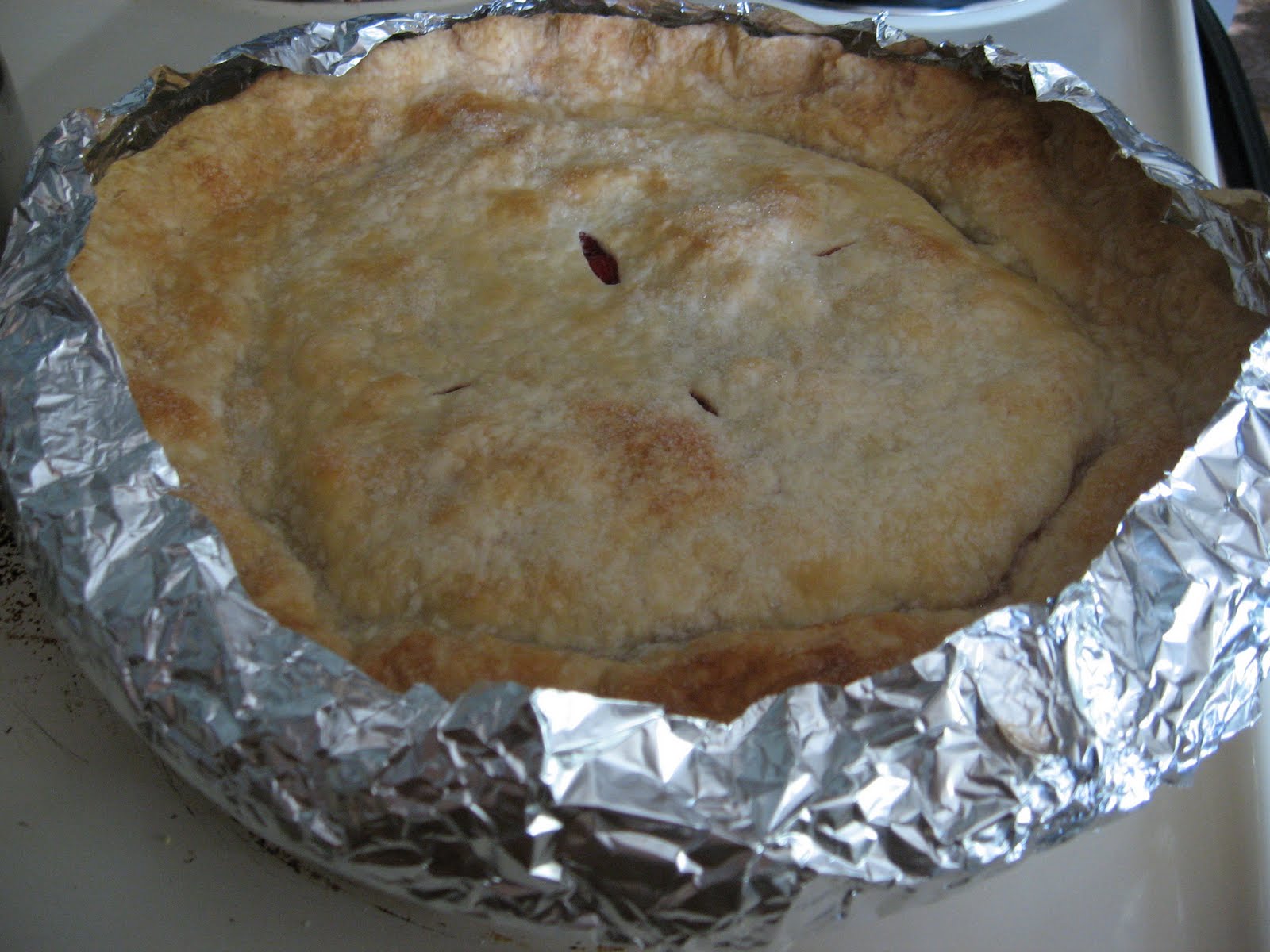
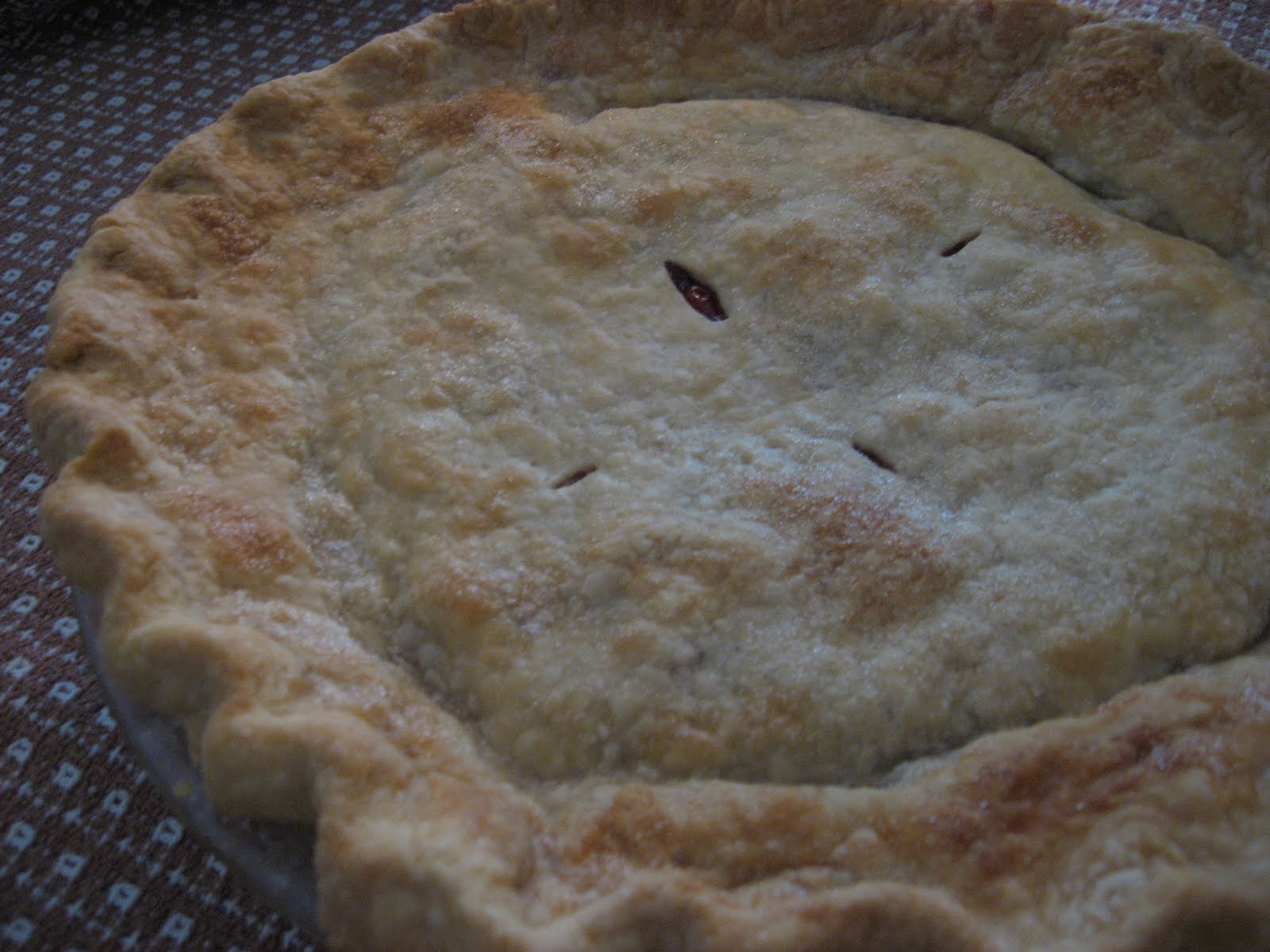
It didn’t feel right, making pies to take to church when my dear laboring husband was not there to partake–even though he did assure me that my weird pie did not appeal. So I made him a cherry pie today that he and his father could share.

On rare occasions I have been given fresh pie cherries and without a doubt they make the best pies. But the menfolk around here are perfectly pleased with the results that come from using canned pie filling, so I often settle for that. There’s no recipe to share, except to say that for one 9″ or 10″ pie you must buy two cans of filling at a price that is likely outrageous these days. I recommend finding a generous friend with a cherry tree.

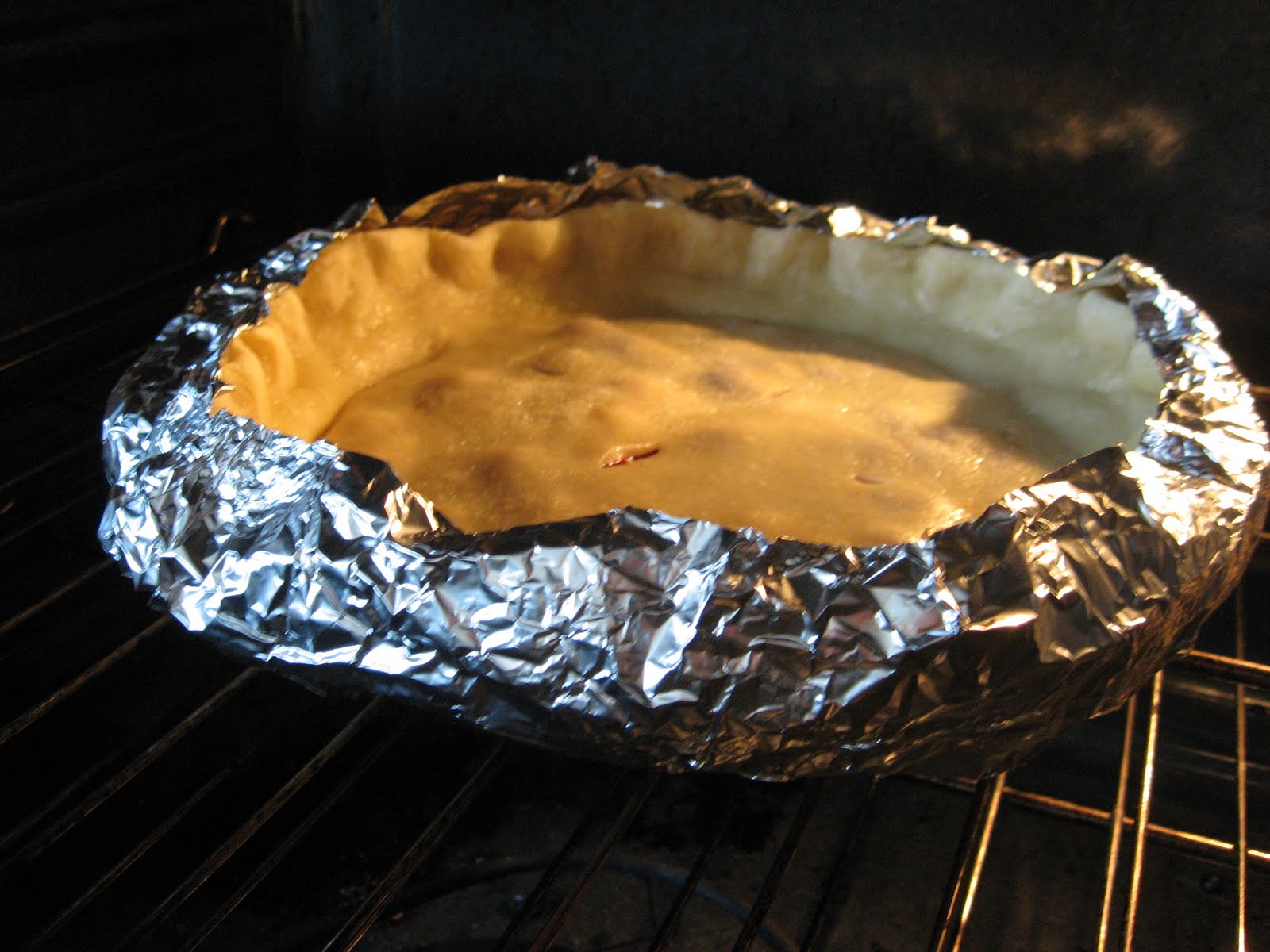
Still, the pie is homey-looking and you can almost smell the butter. In my past pie-posts I forgot to tell you that when I bake a pie that needs to be in the oven for the better part of an hour I put some foil collars around the fluted edge of the crust, to keep it from getting too brown. Many people don’t eat this part, but for the sake of us who do, I want to keep it edible and beautiful. A pie doesn’t seem too appetizing to me if its crust is approaching the color of the bottom of my oven. This task takes a few extra minutes, because one has to be careful not to smash the dough with the foil. You might decide that it’s not worth the trouble.

You have to watch the pie in the oven and decide whether to take the collar off a few minutes before the pie will be coming out. It can happen that if your pie dough recipe doesn’t have sugar or milk in it, the crust will not brown as much as you want if you leave the protective collar on until the end of baking. This pastry recipe uses sugar, which is probably why the crust browned nicely even with the foil reflecting some of the heat. I didn’t remove the guard until the pie came out of the oven.

This cherry pie might have kept a sharper fluted edge if I’d stuck it in the fridge for a while, but I was too impatient. And I don’t mind the relaxed look.