YES
I love the word
And hear its long struggle with no
Even in the bird’s throat and budging crocus.
Some winter’s night
I see it flood the faces
Of my friends, ripen their laughter
And plant early flowers in
Their conversation.
You will understand when I say
It is for me a morning word
Though it is older than the sea
And hisses in a way
That may have given
An example
To the serpent itself.
It is this ageless incipience
Whose influence is found
In the first and last pages of books,
In the grim skin of the affirmative battler
And in the voices of women
That constitutes the morning quality
Of yes.
We have all
Thought what it must be like
Never to grow old,
The dreams of our elders have mythic endurance
Though their hearts are stilled
But the only agelessness
Is yes.
I am always beginning to appreciate
The agony from which it is born.
Clues from here and there
Suggest such agony is hard to bear
But it is the shaping God
Of the word that we
Sometimes hear, and struggle to be.
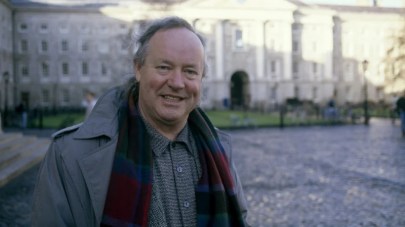
-Brendan Kennelly
 I think of
  If I had a vade mecum, it would take care of a good deal of book angst. Well, perhaps I do, if you count the pocket-sized one I sometimes carry in my purse. You might like to go read Deb’s list, with definitions, for yourself. But for me, it’s time to move on to other less mind-y work. Please tell me if you have, or ever did have, a vade mecum. My friend Di told me recently that when she was in high school, hers was Sartre’s Being and Consciousness. I had planned to use that bit of trivia in a future post but in case I don’t get there…
 When we say that God is spirit, we say simply that he is not matter as we know it, that he is something quite different. In that sense it is a negative description that belongs already without the word, to that form of theology which is negative theology, apophatic theology, a theology of paradoxes, a theology that uses words to point toward the ineffable — that which can neither be described nor put into words and yet which must be indicated somehow in speech.
 Gladsome Lights