Monthly Archives: October 2011

Heavy or Lightweight Books

The other night when I came to the last page of The Fountain Overflows, I turned right back to the beginning and started it all over again. I couldn’t bear to leave the Aubrey Family, or Rebecca West’s lovely writing. I kept my pen in hand so that I could note even more phrases or passages that were notable examples of her masterful style, or of the psychology of children. And this time through I mean to circle words I don’t know from the very start, to look up in the dictionary sometime — maybe. Most of the time I forget to do that.

I don’t research those words as I go along because I am usually lying in bed and can’t handle something as heavy as a dictionary; most books I buy these days I get in paperback so that I can read them while curled up or generally horizontal under the blankets. Sometimes, though, I fail to notice that a particular book in the catalog has 800 or 1000 pages between its paper covers, and when it arrives at my door I realize that it can’t be accommodated at bedtime.
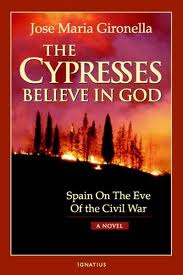
Vacations don’t seem to include the long afternoons I’d require to enjoy the big books in a lawn chair next to a lake or under a tree. That’s what I thought I would need if I were ever going to start The Cypresses Believe in God: Spain on the Eve of the Civil War (806 pages), by Jose Maria Gironella.

But last week, after leaving the library, of all places, my foot folded over at a curb and my ankle was sprained — voilà! Here was my chance! — and for three days I’ve been living in the world of Spanish culture and politics in the 1930’s, at the same time I am lying in the recliner with my foot up.

I was going to tell also about the paperback copy of The Brothers Karamozov, and Stephen Lawhead’s Hood (first book in the King Raven Trilogy about Robin Hood), who are both waiting on the shelf, but as I look at them more closely I notice that they are not at all in the same weight category as Cypresses. They are smaller in cubic inches, nearly the same size as each other, though Hood is under 500 pages and Brothers K about 700. Dostoyevsky is much heavier physically — the book, I’m talking about now — and I am confident in other ways, too. No taking that one to bed.

c. 1923

But maybe when I finish Fountain I could manage to heft Hood or at least have it lying next to my pillow. Unless I feel the need to read Rebecca West’s The Birds Fall Down again. When I came to the end of that novel I also had that urge to read it again soon, for somewhat different reasons.

The first time I heard of this author it was for her book Black Lamb and Grey Falcon. That title captivated me right off, but I thought the subject of her famous book would be helpful to me in understanding Balkan history and culture.

I borrowed it from the library, a hardback and huge book with small print, when I still had plenty of teaching and childraising to do, and I don’t think I ever got through one chapter. But now that I’ve read two other compelling books by her, and see that these three I’ve encountered are completely different from one another….I wonder if I can get Black Lamb and Grey Falcon in paperback?

[Update: more posts have been written about The Fountain Overflows,

The opposite of not getting in trouble. and

The endless troubles of everyday life.  ]
 

Big Sur


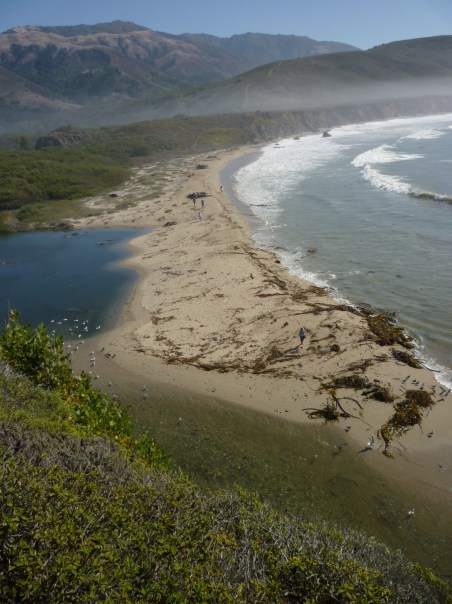
Mouth of Big Sur R. – Andrew Molera Park

Many years ago at the spot in this first photo, Mr. Glad and I watched a group of waterbirds playing. We were having a weekend at Big Sur to celebrate a wedding anniversary.

Here the Big Sur River flows into the Pacific Ocean on California’s central coast. On that day in March way back then, the birds would float down the riffles of the river, then fly back up to the jumping-in place and wait in line behind their fellows until their turn came; jump in, float down, fly back up, over and over. We watched them a long time, and they were still at it when we left.

This week we had made the trip to see family and friends. It was a very short visit, but we managed to take in aspects of both Andrew Molera State Park and Soberanes Canyon.

The Big Sur area features such a profusion of plant forms, not to mention the animal life that I mostly ignore, that it is easy to understand why so many people want to live there where the ocean and trees and flowers make a dramatic but not agitating backdrop for solitude.

Everywhere we went for three days, the air was thick with the aromas of a casserole of natural ingredients, seaweed and sagebrush, redwoods and damp soil, a thousand essential oils in microscopic droplets bombarding my senses and reminding me that I should get out into the woods and the fields more often just to inhale this kind of nourishment.

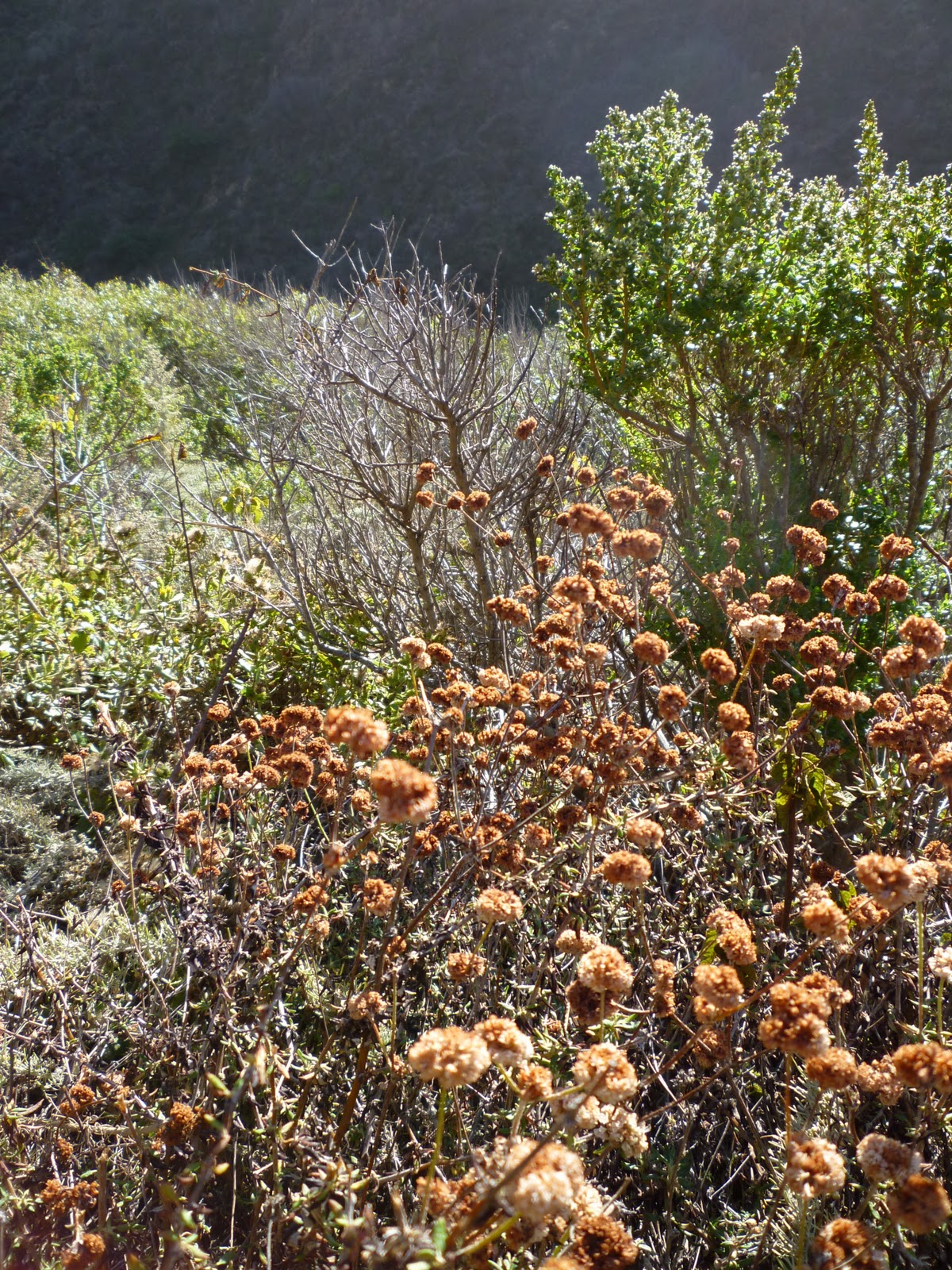
If I did live near Big Sur, I’d want to go regularly to Soberanes Canyon, where the plant forms overlap in an unlikely and seemingly chaotic way.

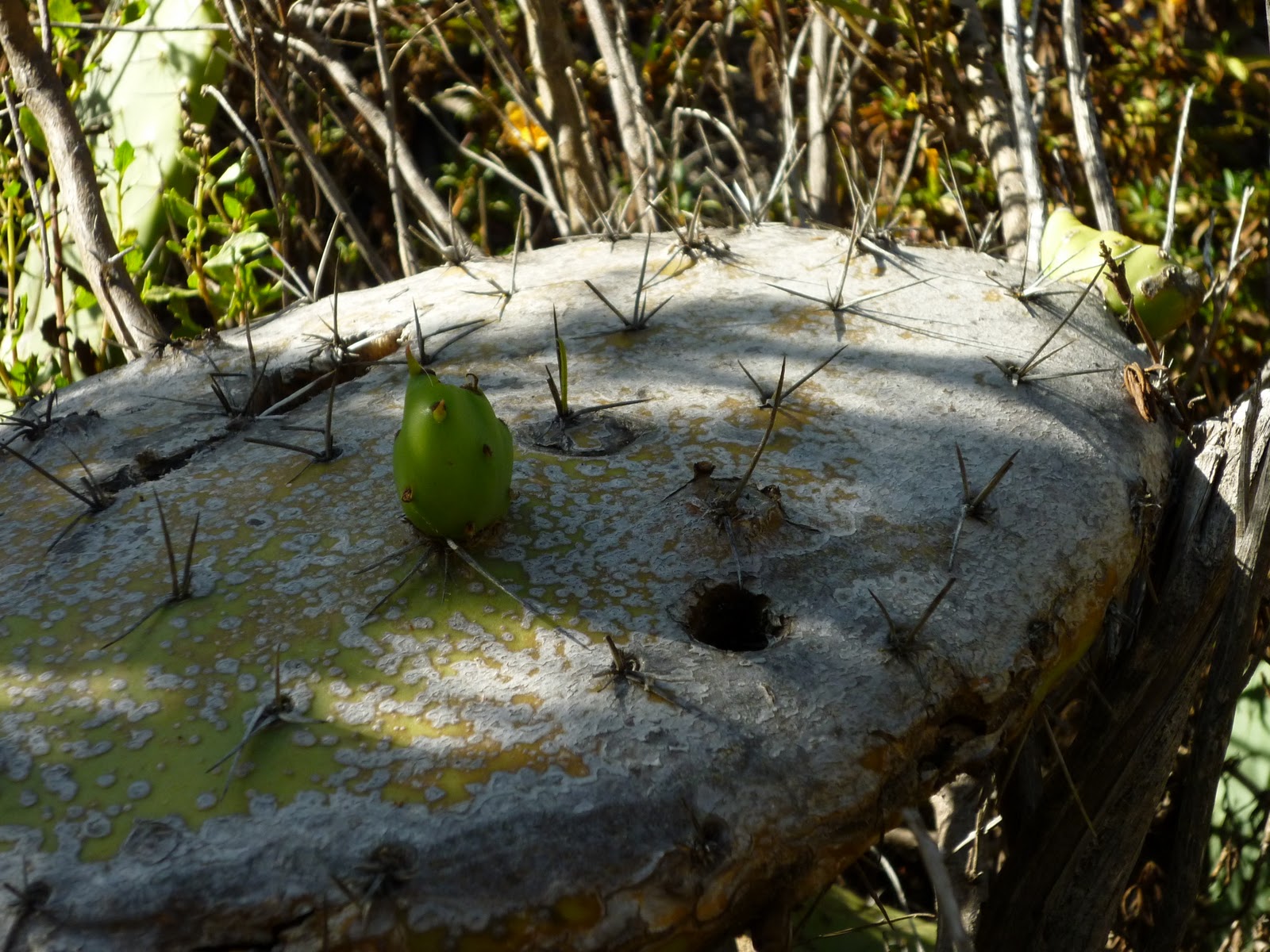
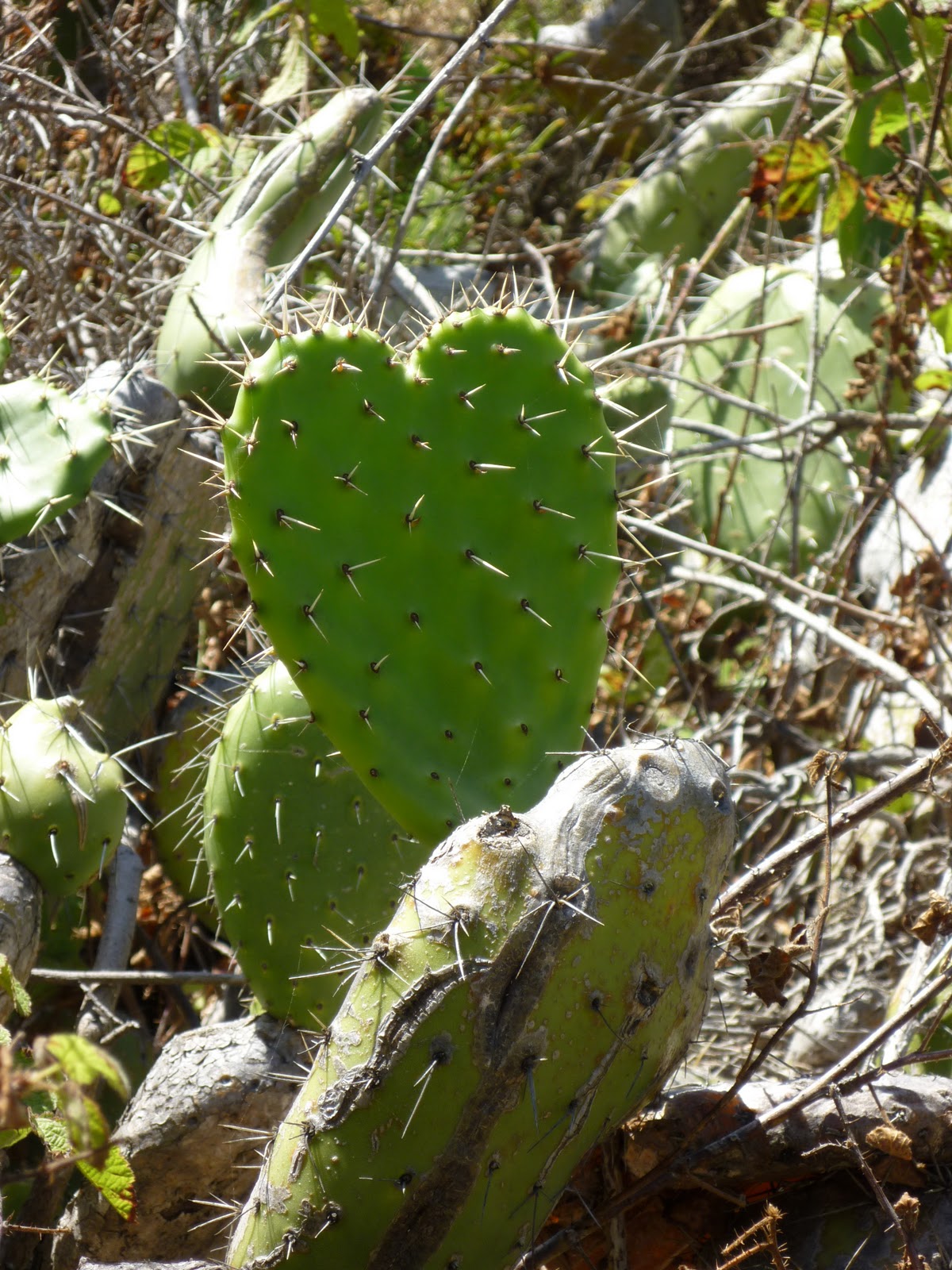
Old cactus with baby on Soberanes Canyon Trail

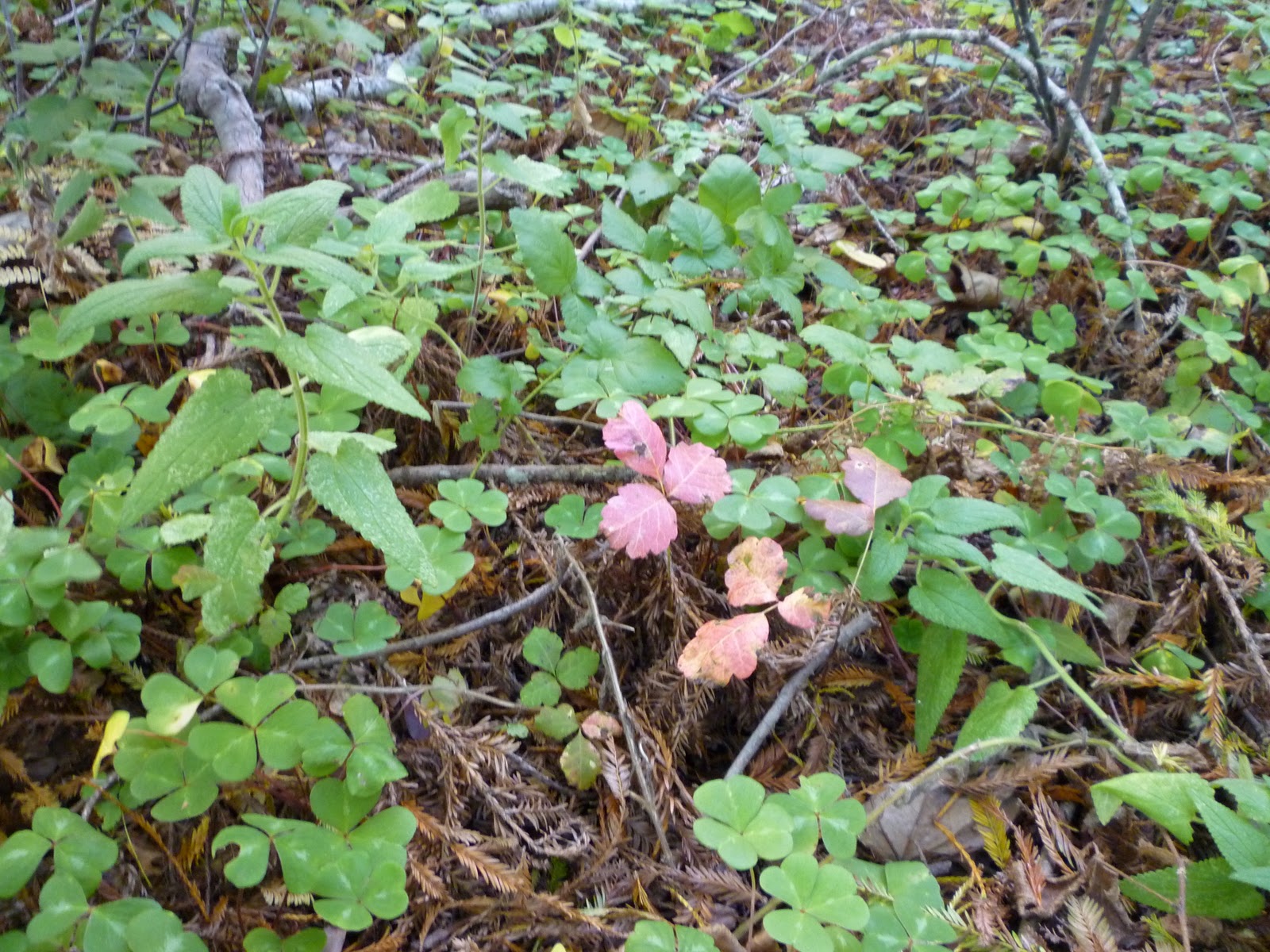
I’ve never before seen redwood sorrel and poison oak growing together, or ferns next to cactus. Those are the most surprising things that jumped out at me, but if I went every month or so along the same canyon trail, other wildflowers or shrubs might eventually get my attention with the changing seasons and blooms. Whether I saw a scene or a tiny part of it in mist or sunshine would also make a difference.

Redwood sorrel with poison oak and nettles

This is a coastal steppe zone, my guide and son told me. The cactus were old and weather-beaten, some of their trunks resembling thick board platforms, but still producing new and fresh green sprouts.

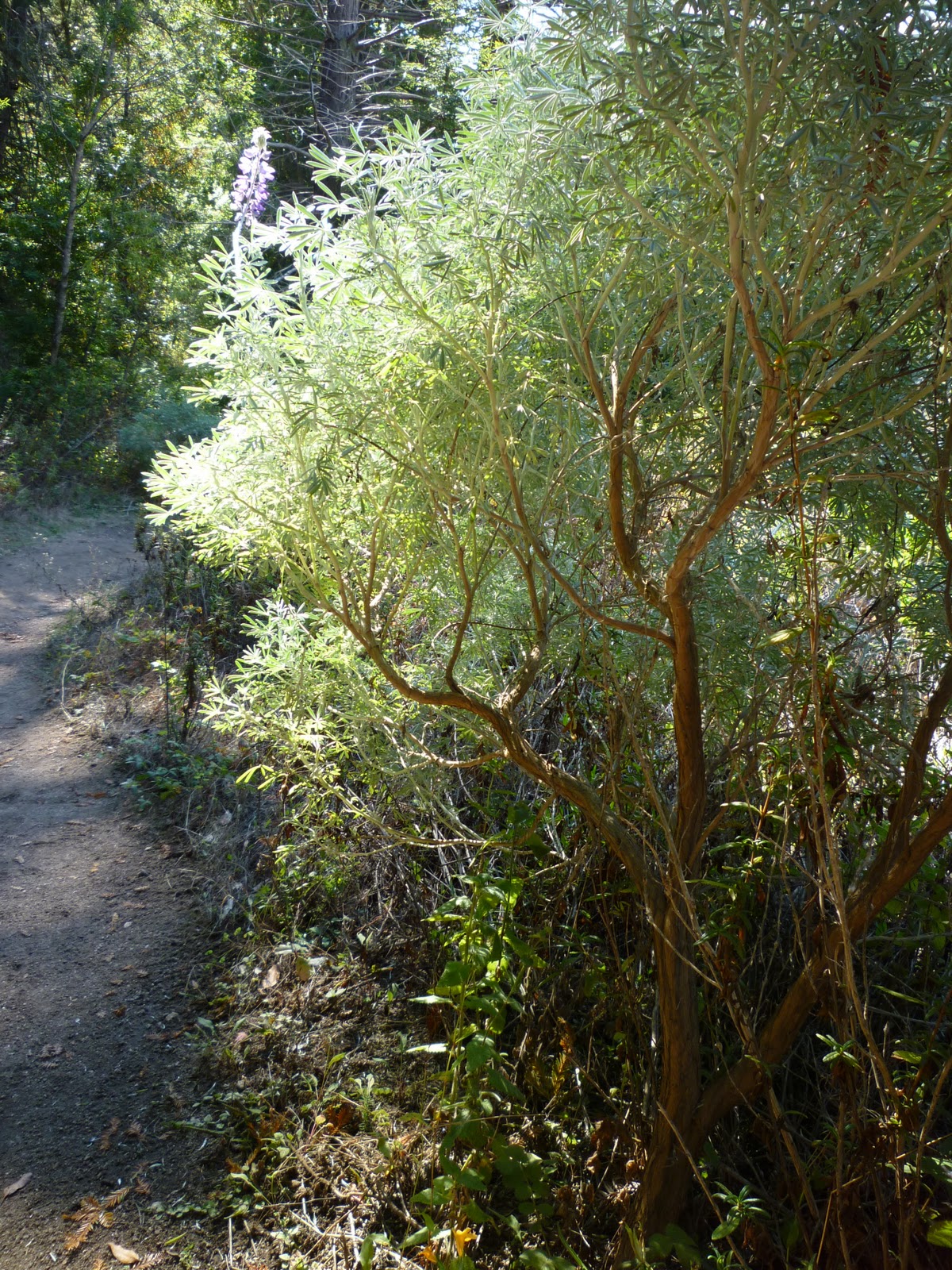
one of the smaller lupines

Venerable lupine “trees” five feet across stood alongside the trail, with trunks four inches in diameter, still blooming mid-October.

Only a couple of minutes up from Highway 1, the trail takes you through dry hills with spreads of cactus all around. We got hot and sweaty pretty quickly, as it was mid-afternoon on what was probably the hottest fall day, but we didn’t grumble, being quite glad that the usual fog wasn’t dampening our spirits.

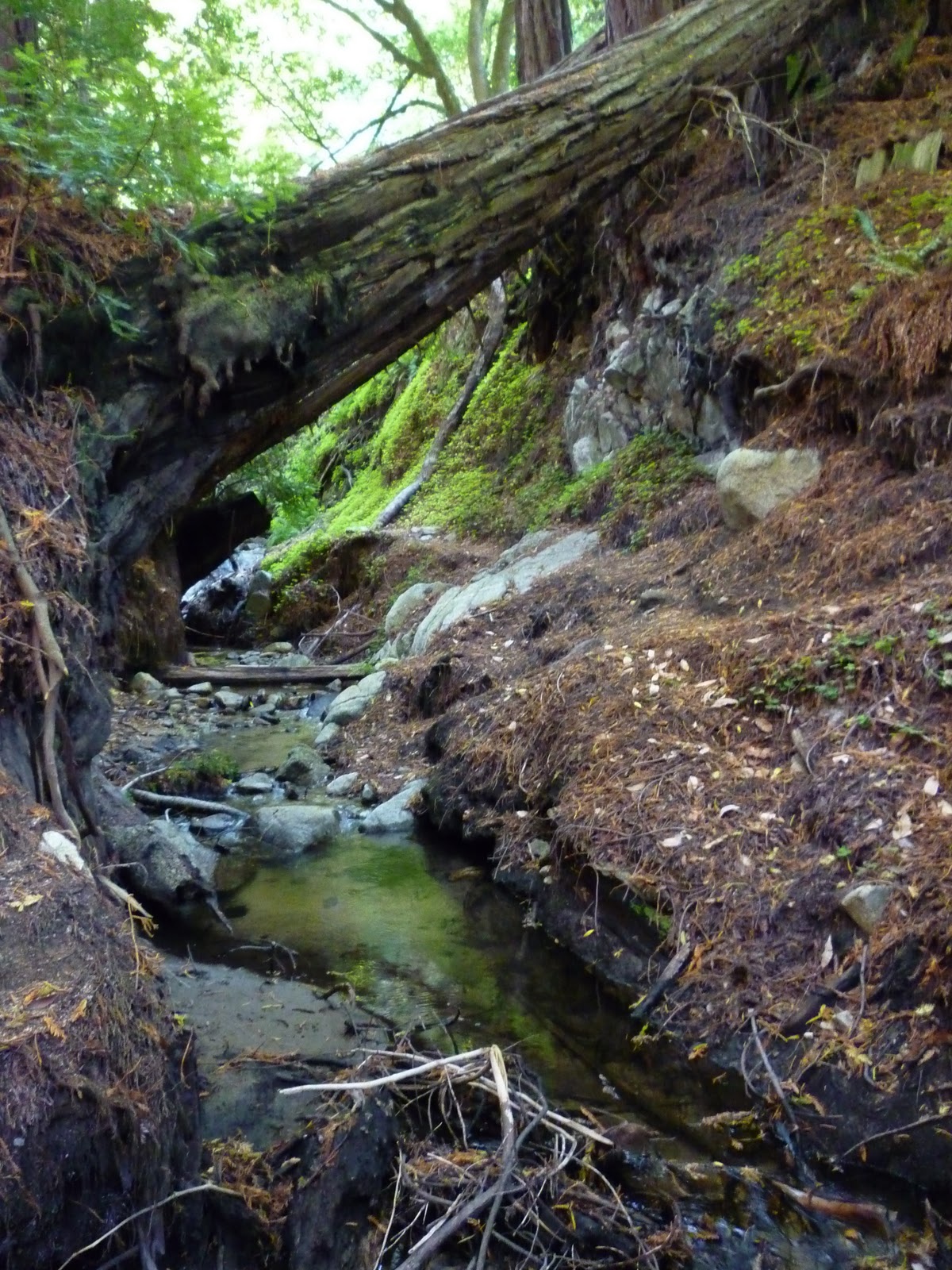
Soberanes Creek

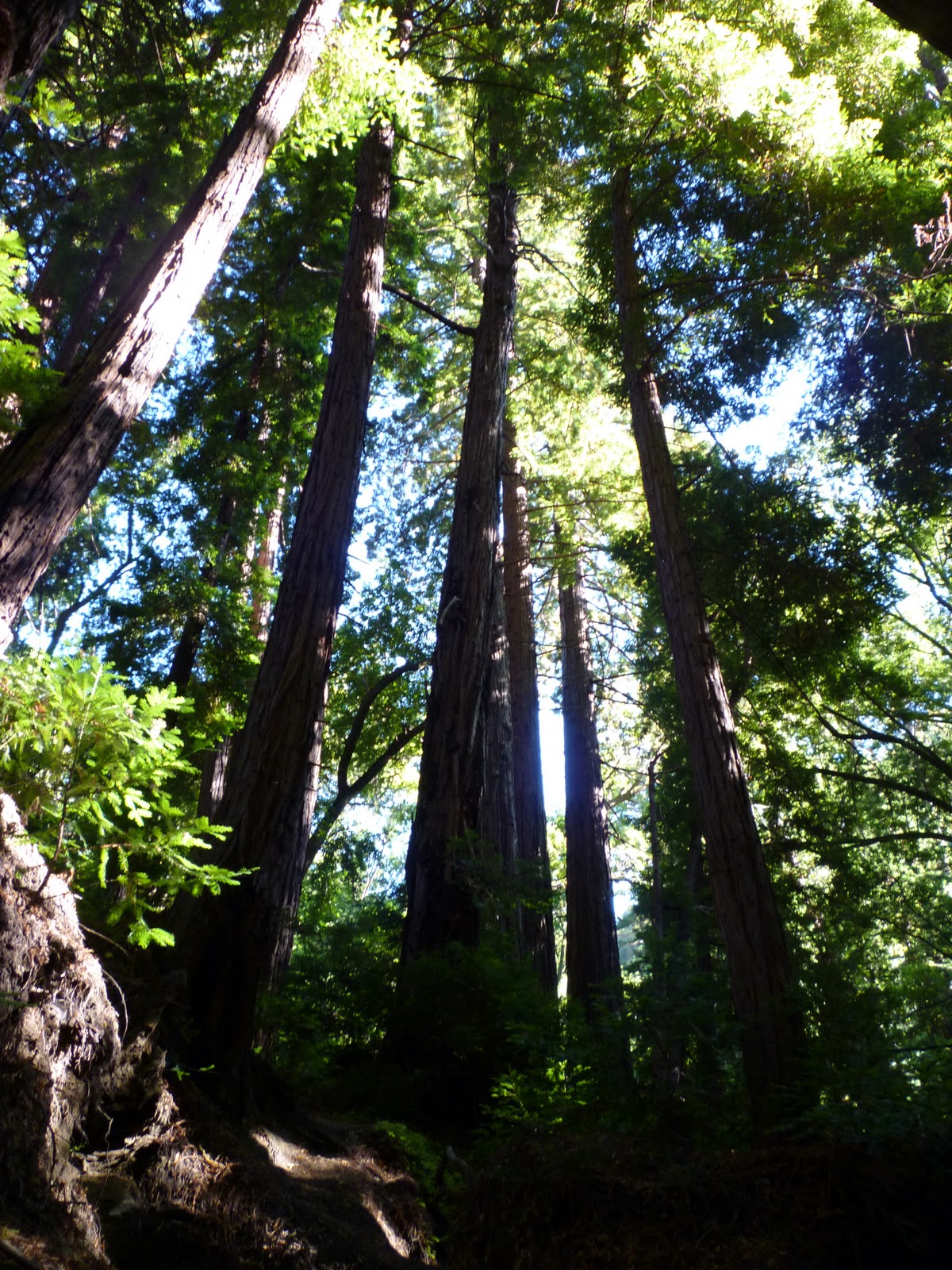
Before we knew it, we were descending to the creek, stands of tall, thick redwoods and carpets of sorrel, and after twenty paces the temperature had dropped ten degrees.

At the base of one of those huge specimens of Sequoia sempervirens, Mr. G pointed out to us the sponginess of the ground. It was not dirt, but many inches – or feet? – of redwood needles, making a duff that we all took turns bouncing on before we went on down the grade and back to our car.

I just love the way the Father creates these playgrounds for the delight of His children.


Spiders and Winds

I never think of spiders as devils, at least not the garden spiders that are so busy all over the place this fall. This one is between the cherry tomatoes and the bottlebrush. I went with my camera into the yard before the sun was very high, hoping that some of the critters had mended their nets after the rains, and I did get good shots of a few.

Then I read George MacDonald’s verse for the day, from A Book of Strife in the Form of The Diary of an Old Soul. He wrote a section of this long poem for every day of the year; the lines for October 10th use the metaphor of a spider to warn about how the devil works at entrapping us every morning. We do need to continually pray for the Holy Spirit to break our selfish crust, I know that. O Heavenly King, blow into us and fill us and make us a refreshment to everyone around.

With every morn my life afresh must break
The crust of self, gathered about me fresh;
That thy wind-spirit may rush in and shake
The darkness out of me, and rend the mesh
The spider-devils spin out of the flesh—
Eager to net the soul before it wake,
That it may slumberous lie, and listen to the snake.

-George MacDonald

I don’t like to end a post with reference to that snake, so let’s look at our situation from another angle before we finish the contemplation:

I consider no other labor as difficult as prayer. When we are ready to pray, our spiritual enemies interfere. They understand it is only by making it difficult for us to pray that they can harm us. Other things will meet with success if we keep at it, but laboring at prayer is a war that will continue until we die. 

–Abba Agathon

Looking and Sniffing Around

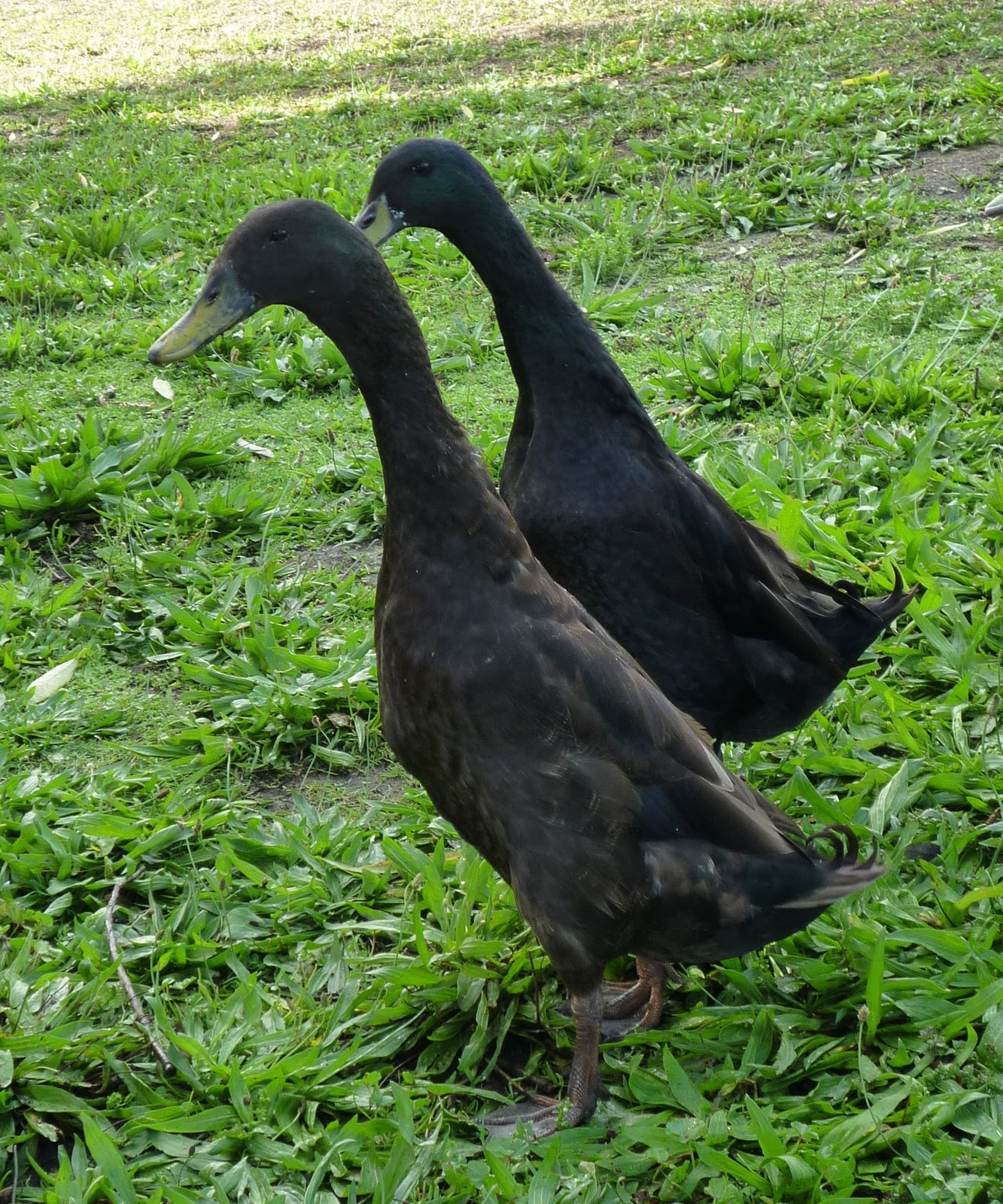
runner ducks

The rain brought out the good smells of the earth and plants, like the junipers lining the broad sidewalk along which Pippin and I walked for a long time yesterday. We were on our way to the park so that Scout could feed the ducks. Dozens of ducks, geese and even some coots came to sample our bread — but I focused eventually on the backs of the geese, and dreamed of a skirt in those colors and patterns.

More species of birds live by the lake and sleep on the lawns than last time I was here. Even runner ducks, and several types of geese in addition to the Canada geese, who were not interested in us at all.

I loved these khaki-colored guys with their topknots.

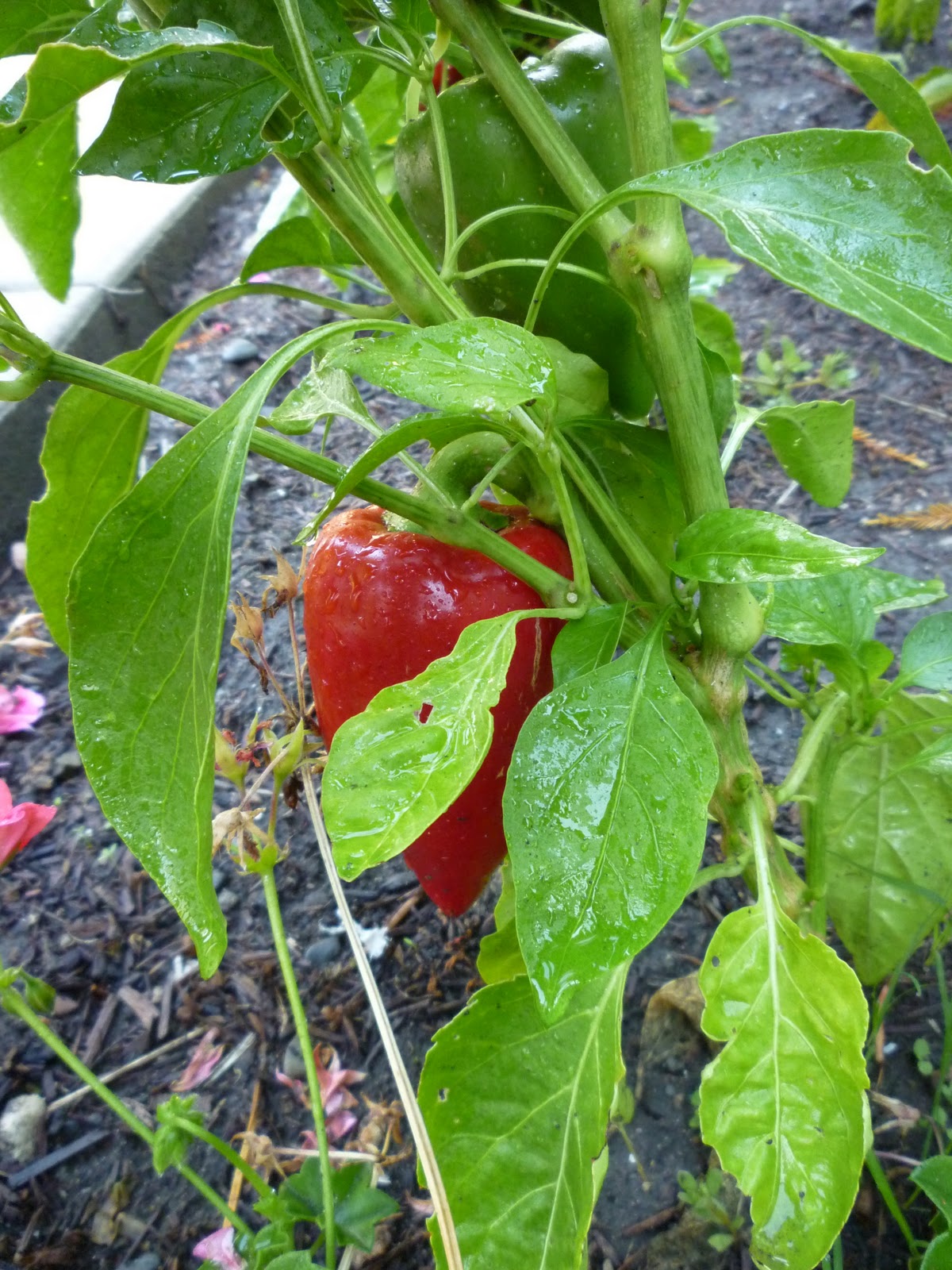
pimiento pepper

After we got home, Pippin looked out the window and said, “Oh, you have a phoebe!” I was so excited to hear that, but it took me a while to see the little bird on the fence after it was pointed out to me, and not just because I wasn’t wearing my glasses. If a large goose gets in my face the way they did at the park, I notice them, but otherwise the details of my environment have to be fairly stationary if they are going to get my attention.

This morning I went out to take photos of the wet and more stationary garden. Quite a few pimientos are ripe red now, and I’ll be snapping them off soon to roast over the gas flame of the stove.

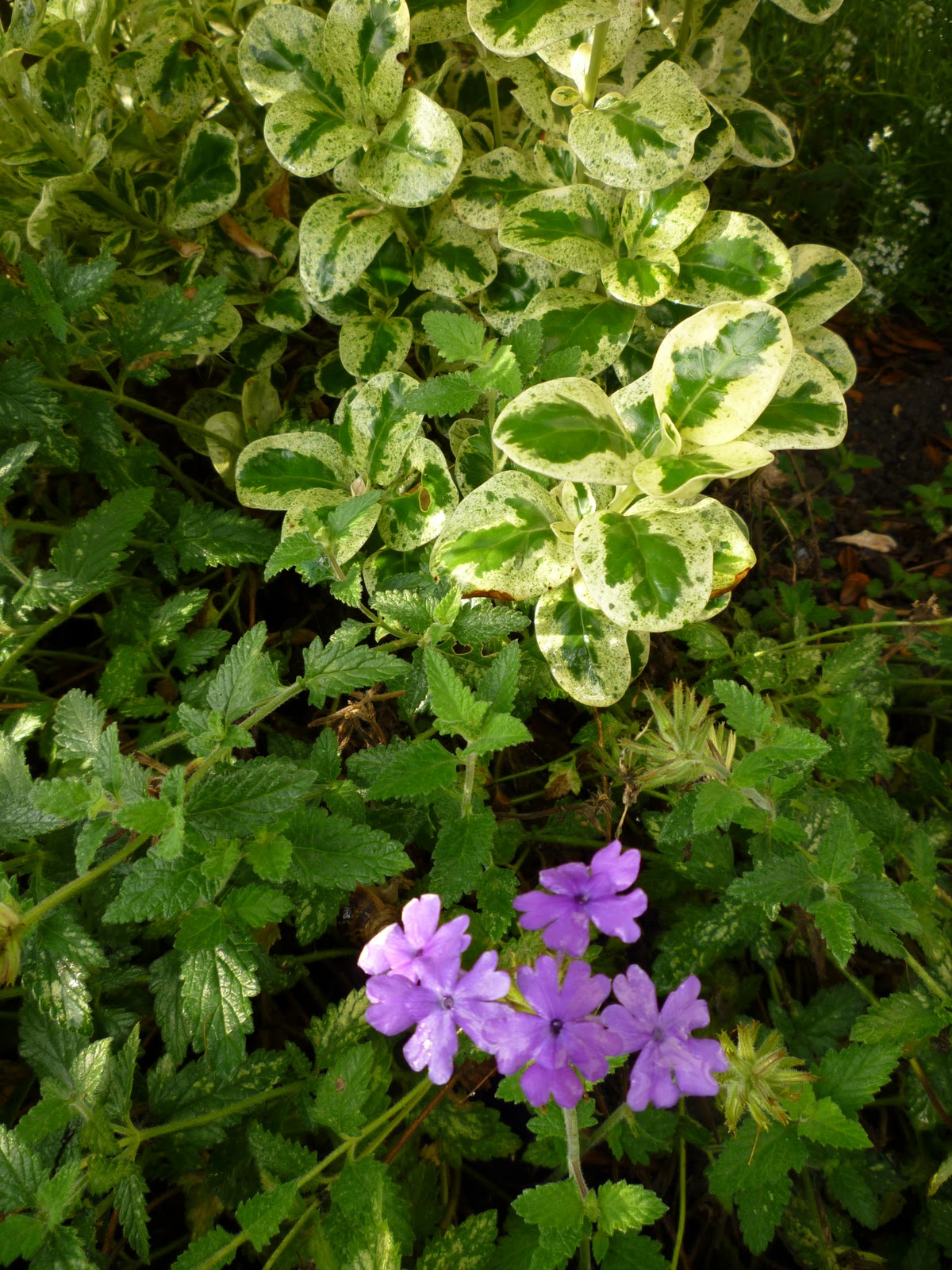
In the front yard the verbena is still blooming away, and contrasts nicely with the variegated leaves of the shrub whose name I can’t remember right now.

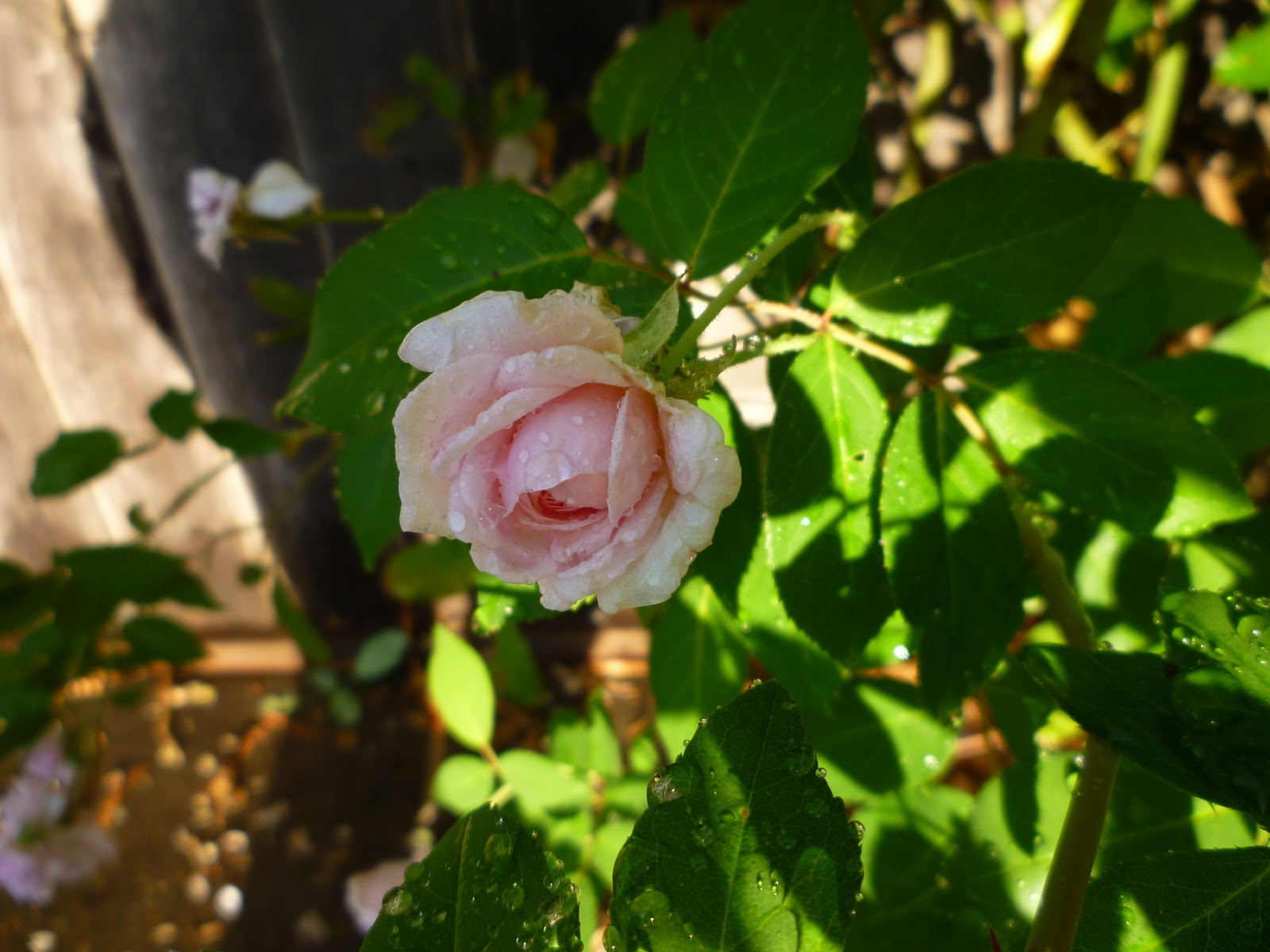
Cécile Brunner

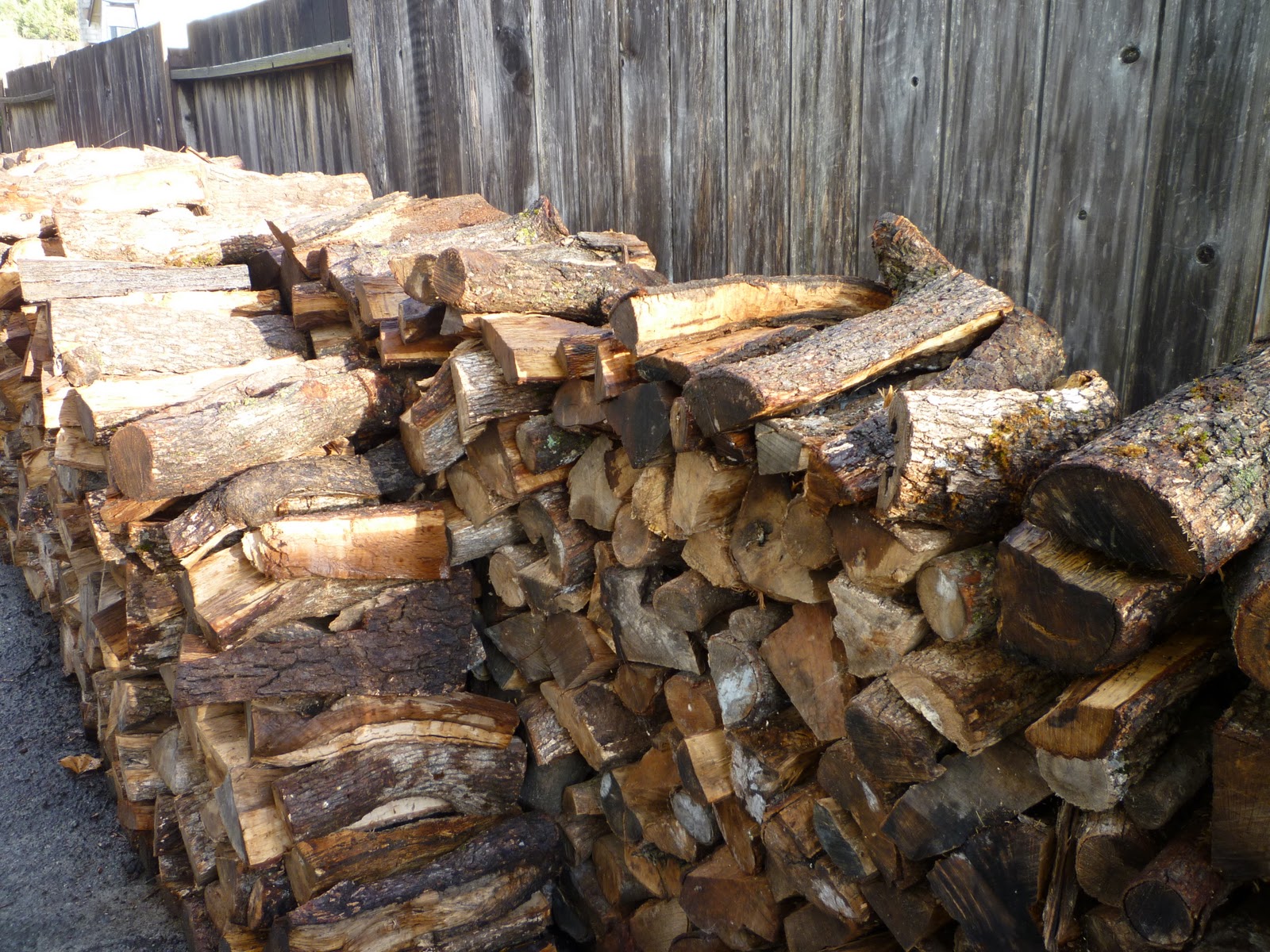
The mister and I are Glad that our nest will be ready against the winter cold: At this very moment a man is installing a brand new furnace in the garage, and yesterday we laid in a supply of oak firewood. Those logs make for another yummy scent of Fall. Stay warm, Everyone!