 The nuns at a nearby monastery harvest lavender every summer at various neighbors’ properties up in the hills and mostly at the end of long unpaved and/or winding roads. They had asked the young people from parishes in the area to help them today, and when some families had to back out at the last minute, several adults including me pitched in.
I had to get up before 5:00 to get fueled up and make the drive to arrive early enough for the sisters to give us a hearty breakfast. But even before that, we learned that Mother Anna who recently fell asleep in death had still not been buried, and we might go into the church and say good-bye to her. Mother Angelina was reading Psalms at the head of the casket when we went in; we all filed past and kissed the little icons that were next to her, and the Gospel. It was sweet to have this opportunity.
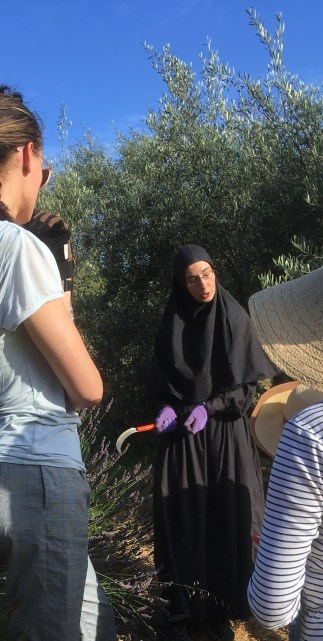 After breakfast and chatting we caravaned to the first and most scenic spot, where we picked from a big clump of lavender bushes stuck in a low spot among olive trees at a vineyard. We were given little scythes, which seem the perfect tool for any bush you want to grab hunks of and slice off, to shear it. I plan to get one for my own garden right away, so I can give a break to my finger joints.
As we were packing tools and water, and applying sunscreen and bug spray — the sisters said they had been “chewed up” by chiggers one year — Mother Tabitha was on the phone a lot trying to arrange for Mother Anna to be buried this afternoon.
One of the lavender friends, with the most to pick, cancelled our visit because they didn’t think their insurance covered children on the property, and they had seen a few rattlesnakes lately. But the monastery had already this season delivered 200 pounds of lavender flowers to the distiller, so they were not worried. Some of what we were tackling was past its prime and too dried out to use. We sheared it off anyway but put it in the discard pile.

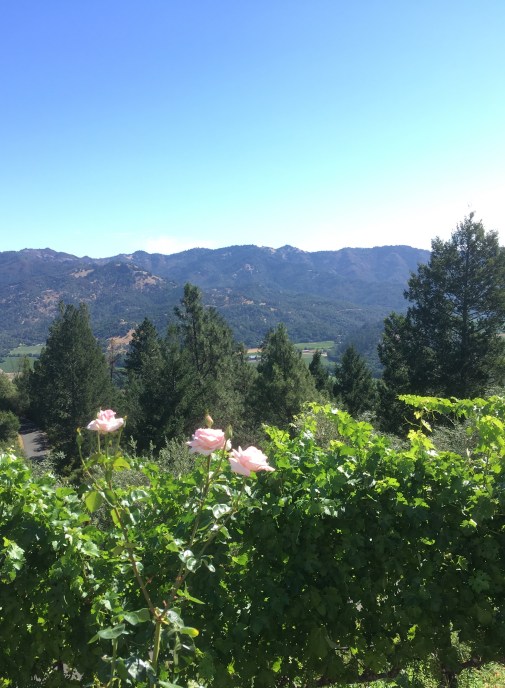

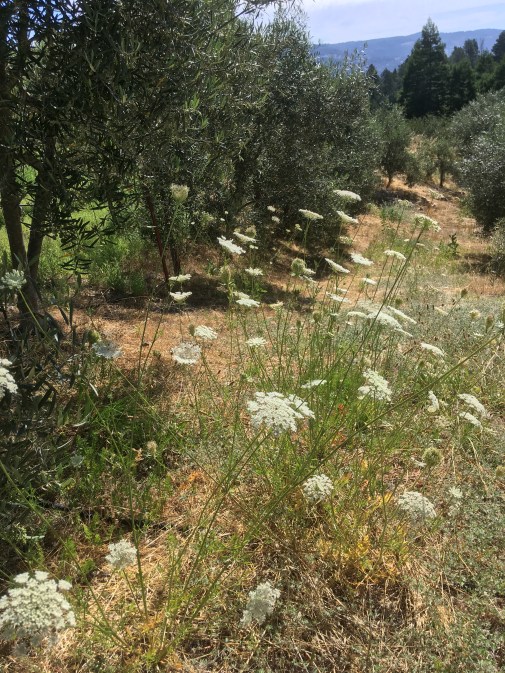
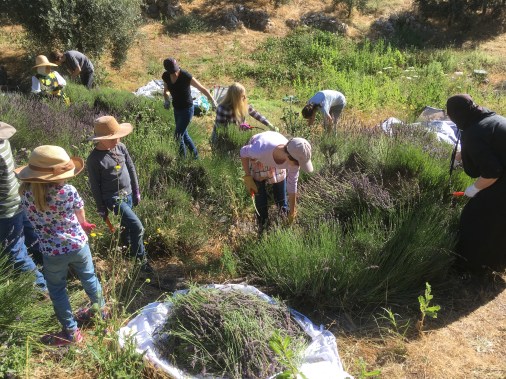
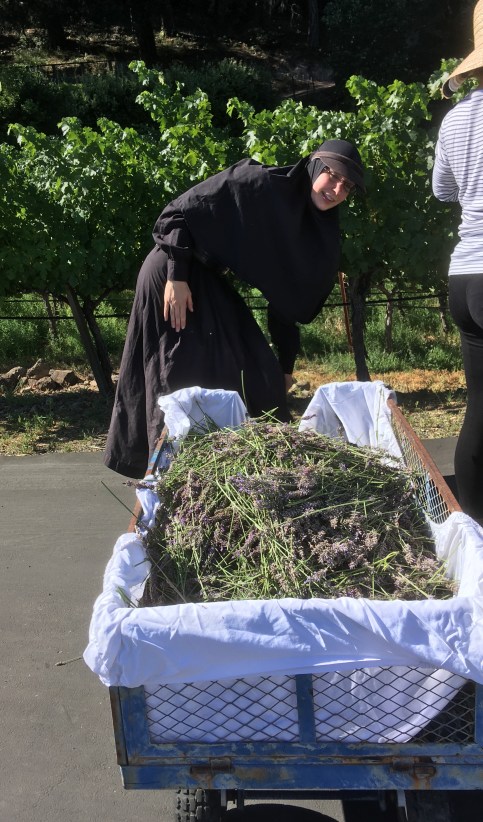
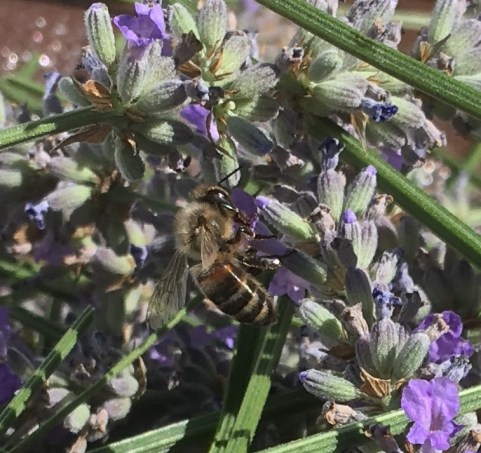
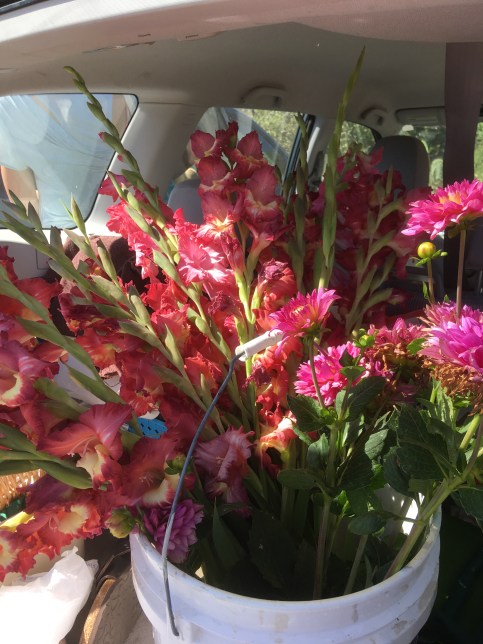
We eventually filled the back of a pickup truck with the blooms. Bees were thicker on them in the truck than they had been in the field. The farmer lady gave us plums and peaches for a snack, and insisted that the sisters take buckets of dahlias and gladiolas for the burial of Mother Anna.

The second, smaller harvest was at a house that had barely missed destruction in the fires of 2017. Most of their lavender bushes, which had formerly lined the long driveway, had burned and not been replaced. To the south and to the north, close to the front and back of the house, were patches of blackened trees where the wildfire had swept through erratically.
Soon we were headed back to the monastery, hot and dusty, and again they fed us very well! But Mother Macrina drove the pickup load straight to the distiller, to have its essential oil extracted. The by-product hydrosol, the lavender water that is left over, they also use, to make sprays good for cleaning and dusting, and deodorizing. Next time I have a chance, I’ll buy some lavender products from them. And maybe tomorrow I’ll look at my own lavender bushes and see if they are ready to harvest!


 Gladsome Lights