
 Earlier this year I was prompted to think about who were my favorite audiobook narrators. It was soon revealed how very many I have! I was glad the request was for the narrators who I find truly add to the reading experience, and not the ones to avoid, because that would not be as pleasant an activity as I was engaged in, perusing through the titles I have listened to.
I’m thankful that the “bad” narrators are much fewer than the good. A good narrator lets me get lost in the story, and the bad ones are distracting in the various ways they draw one’s attention to their reading instead. I will list the narrators along with one or more books that made me love them:
Ralph Cosham (Geoffrey Howard) in How Green Was My Valley and many C.S. Lewis books, e.g. the Ransom Trilogy.
Peter Bishop in The Witness of Poetry.
 Mike Fraser in The Timeless Way of Building.
Ellie Heydon in Mary Stewart novels.
Arthur Morey in The Technological Society.
Andrew Sachs in Silas Marner.
Tom Stechschulte in Up and Down California.
Julie Harris in Out of Africa (unfortunately abridged).
Derek Perkins in G.K. Chesterton books.

Flo Gibson, in books about adventurous women, such as A Lady’s Life in the Rocky Mountains, and Letters of a Woman Homesteader.
Eleanor Bron in Elizabeth von Arnim books.
Neil Hunt and David Rintoul in Nevil Shute novels.
Stefan Rudnicki I first heard reading The Aviator, and I thought he was perfect for that story told in the first person. I began searching on Audible to see what other books he had narrated, and that is how I came to read Blitzed: Drugs in the Third Reich.
I started listening to a Joseph Conrad novel done by him, and was amazed at how differently, but also smoothly, he narrated that character’s voice — and not just the accent. Seeing that he was the narrator of the Ursula LeGuin novel City of Illusions made me willing to try it, and his narration of The Captive Mind was just right for conveying Czeslaw Milosz’s writing voice.

The protagonist of The Aviator is Russian, and I wondered if the narrator was Russian — how did he get that accent so well, but not overdo it? That’s why I researched Stefan Rudnicki more than any other narrator, and I learned that he was born in Poland. I also found this video in which he, along with other skilled veteran readers, leads a Round Table Discussion with several relatively new narrators, on the topic of improving their narration.
The whole narration “industry” is fascinating. It seems that participating in it is a satisfying way for older actors to keep working, at a pace that fits their slower stage of life. From reading reviews, I can tell that we listeners don’t all appreciate the same narration style. Are any of these your favorite narrators, too?

 When I noticed the Japanese anemones looking better than ever, it occurred to me to plant a few more this fall, maybe some pale pink ones — but I corrected my impulsivity in time, and won’t be taking on one more project, what with so many others unfinished. A more reasonable goal would be to try to take better care of the anemones I have, and see if they can be encouraged to be taller and more robust. It’s a sign of their middling health, that they do not ever spread and multiply, and their flowers are few and small.
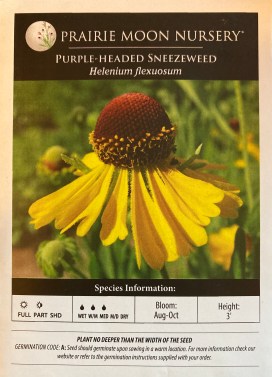 seed catalogs or even plants in nurseries, all the options seem so do-able and desirable. But once the time comes to get on with the actual work of planting… well, I literally drag my feet. So who knows what will happen with these seeds…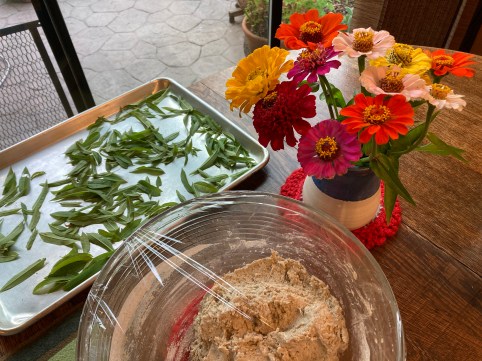

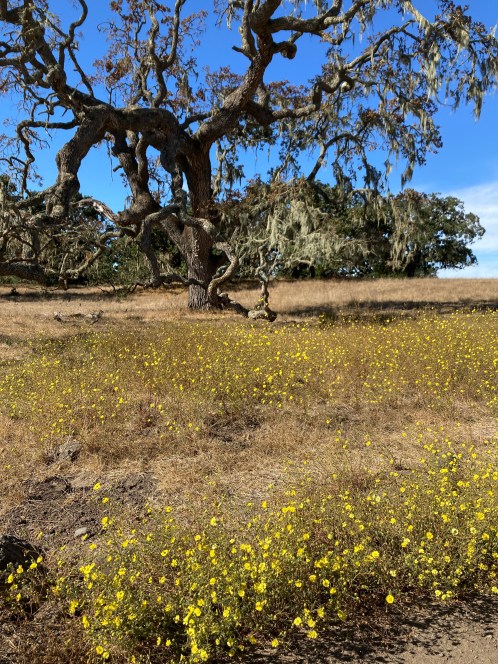
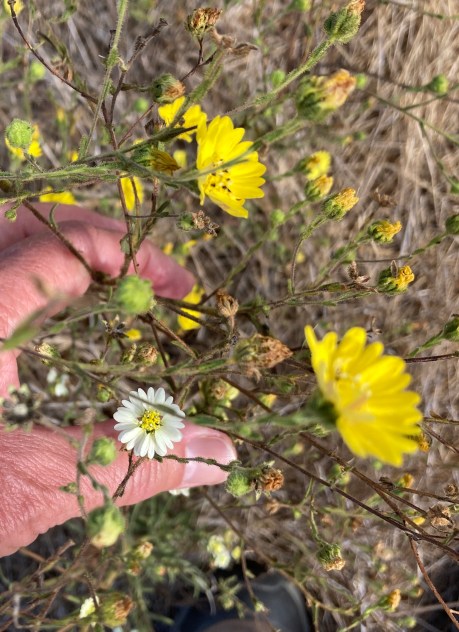




 Gladsome Lights