All posts by GretchenJoanna

Unknown's avatar

About GretchenJoanna

Orthodox Christian, widowed in 2015; mother, grandmother. Love to read, garden, cook, write letters and a hundred other home-making activities.

Bees vs. horrid insects

We have helped our neighbor over the years by pruning her overgrown Asian pear tree, and by picking up the fruit that drops throughout the summer months. Recently she did some of this work herself, and put fifty or so pears into a plastic bag and left it under the tree for a week or two. After a while Mr. Glad couldn’t stand it, and he tried to put the whole lot into the trash, but he found it also contained scads of bees, one of which stung him.

[Correction years later: Those probably were not bees, but syrphid flies; I can’t see any of the images clearly enough to know, this much removed from the event. I didn’t know about syrphids at the time, and even after learning how flies differ from bees, I get them mixed up. But this article has some good information still, so I will leave it up. And maybe it is not a yellow jacket, either, but it is a wasp.]

I saw one of those fruits on the sidewalk with 60% of the inside gone, in the process of being excavated by six honeybees. I was so surprised — I didn’t know they would eat fruit. Another day I took pictures of some of the pears lying on the grass, full of bees, and wasps too.
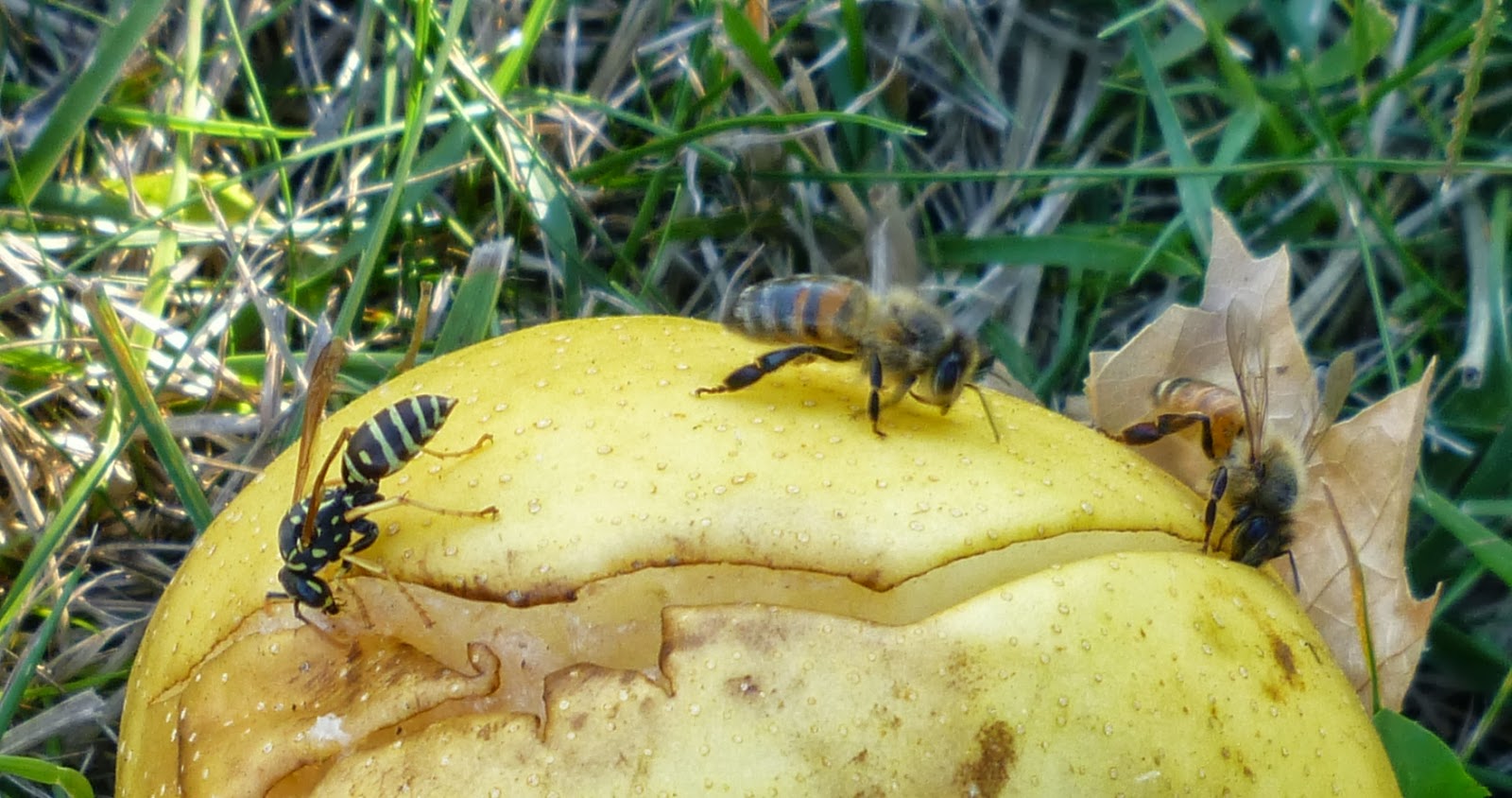
yellow-jacket wasp on left

The few wasps were spending as much time acting aggressively toward the bees as they were drinking pear juice, trying to be king of the mountain. I thought of what I’d read from The Bee Lady, who recently instructed us about the difference in species. She also let us in on the fact that yellow jackets are carnivores, and they will eat bees. I think that is horrid – as if bees didn’t have enough problems already.
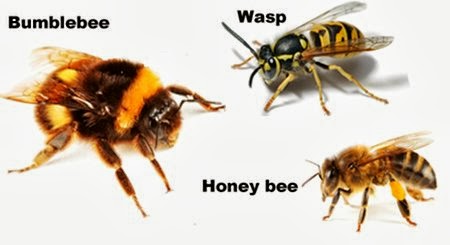
Wasps aren’t bees. Pest removal companies perpetuate the confusion by saying they do “bee removal” when they are talking about both insects. Why can’t they say “Bee and Wasp Removal”? This one has a good chart showing many wasps and bees, even though the company name is not entomologically precise.

To be fair, even wasps do serve a purpose on the earth, as this page points out. I read that one kind of wasp eats black widows, for which I’m sure I must thank the Lord.

wasp and bee getting along in Australia by C. Frank Starmer via Creative Commons

I liked this page, too, that delineates some differences between bumblebees and honeybees. Ants, wasps and bees are related species, but they are different species. I am with The Bee Lady on this one — bees should not have to bear the reproach of their cousins.

Ever since I reviewed all those pictures of the blessing of bees and honey, while telling about the Feast of Transfiguration, my love for bees has grown as has my wonderment at honey and the miracle of it all. I’m even eating more honey, such a beautiful food. Wasps haven’t a clue how to make it.

While I was at the fair…

Last weekend was the giant and truly wonder-full food festival my parish puts on every year. I was on my feet for the better part of 12 hours both days, in church or selling books and T-shirts, or just walking around. I listened to the band and watched the Balkan and Eritrean dancers, but my legs and feet were too tired to dance. I talked to friends I hadn’t seen in 15 or 20 years, trying to stretch out of my introverted self. It all wore me plumb out.

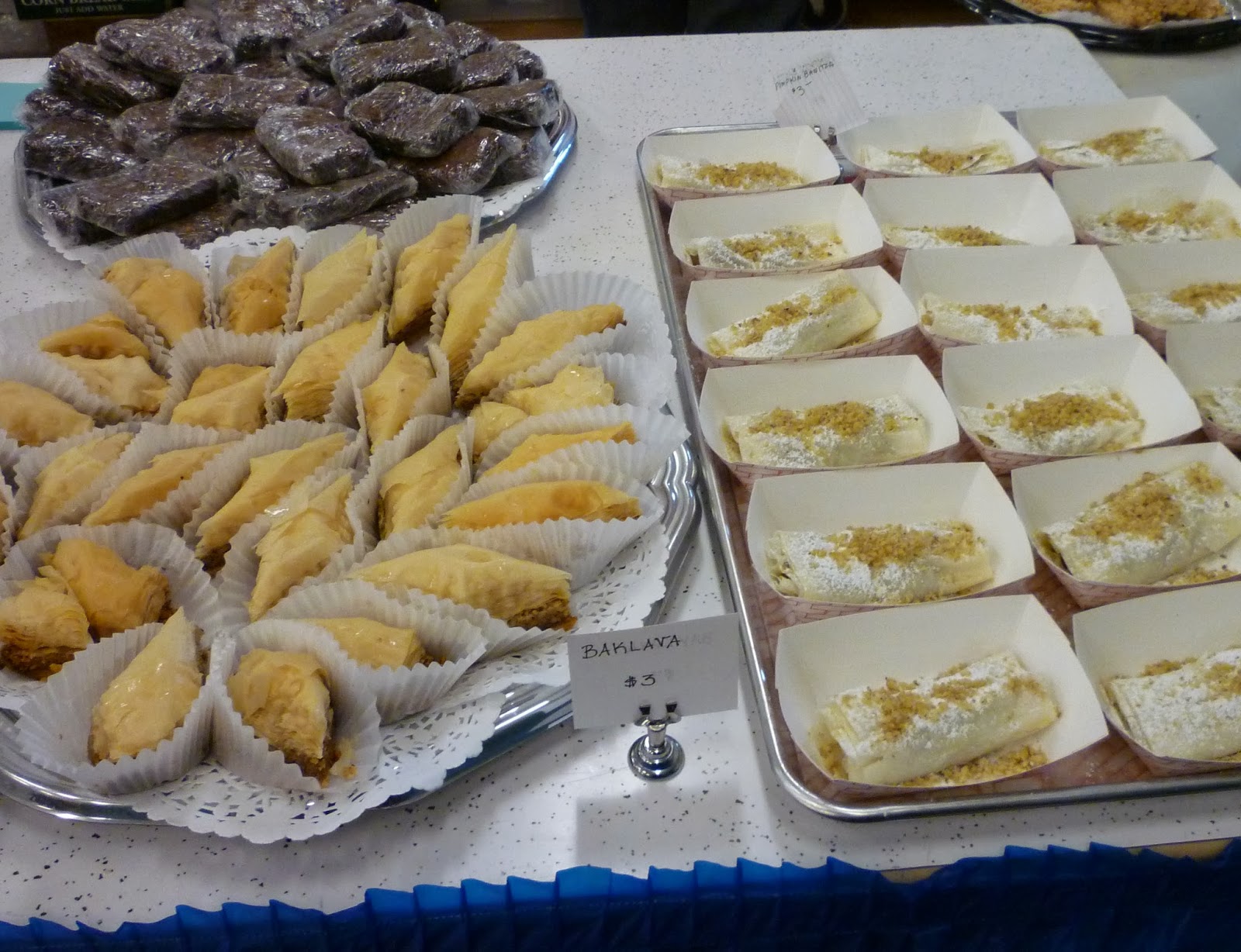
In the week previous I had baked some cakes to sell in the bakery, alongside some of the goodies I told you about last month as we were preparing some of them in advance.

At that time I posted a recipe for Pumpkin Banitsa, which had been stashed in the freezer until the morning of the event, to be baked and served freshly out of the oven and ready to sink teeth into. It’s to the right of the baklava in the photo above.

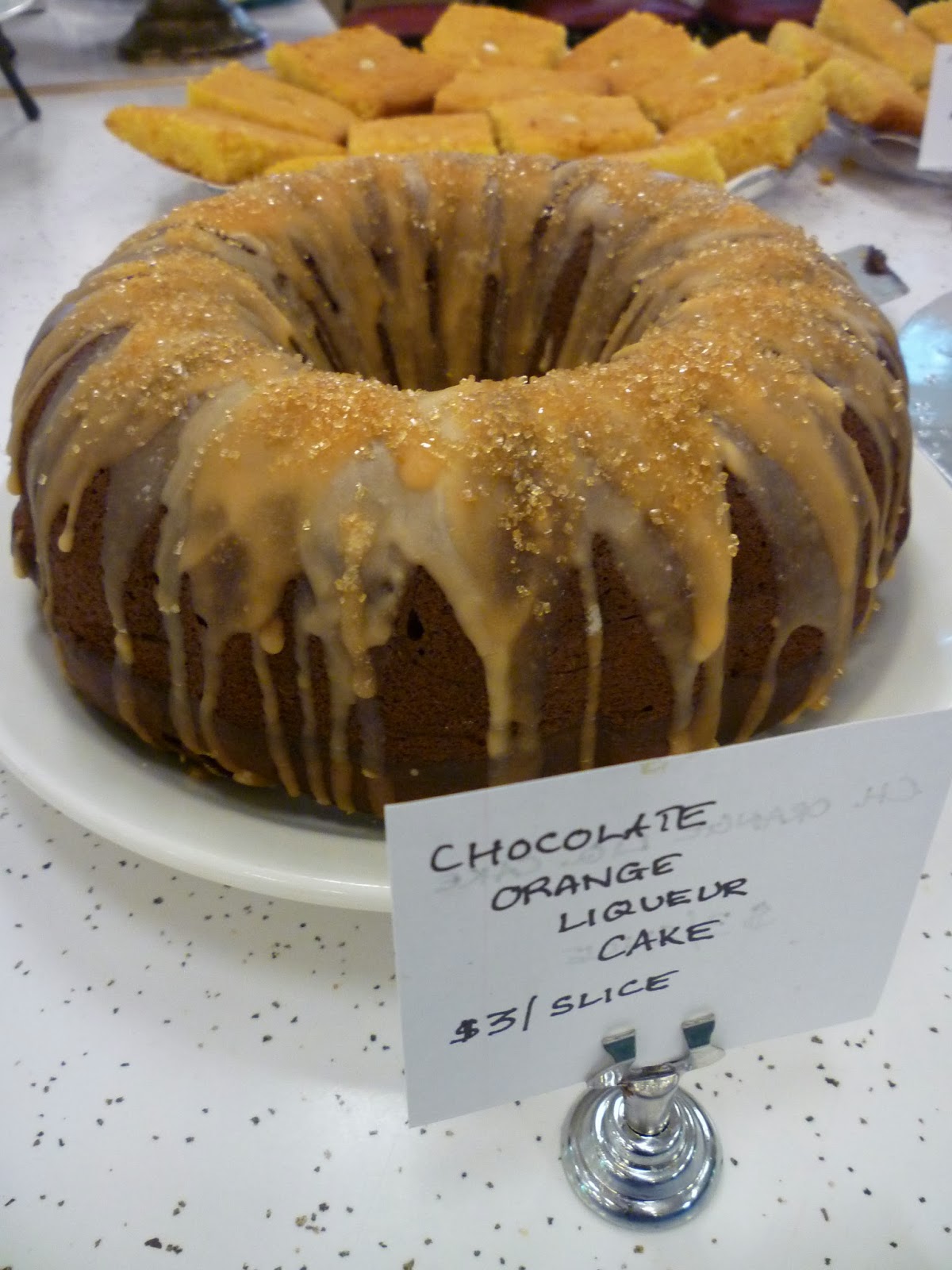
This is one of the three liqueur cakes I contributed to the bakery. My favorite was the mocha cake that I didn’t take a picture of, and which I have made many times. They were all variations on its recipe, starting with a devil’s food cake mix, adding butter, eggs, cocoa and (in the case of the mocha cake) coffee, and coffee liqueur.

The glaze is made from powdered sugar and whichever liqueur is appropriate. I used coffee, chocolate, or orange liqueur in these recent cakes. In the one pictured, I glazed it before freezing, and again the morning it was to be served, with a little food coloring in the second glaze. Then some coarse “natural” sugar went on last.

Monday morning I felt as though I had been away from home on a long trip. I went to the back yard to visit the garden and pick vegetables. I trimmed some spent flowers on my amazing zinnia, and stretched a measuring tape next to it to see just how tall it is – just an inch short of five feet high. Our summery September is predicted to give more 80° days, so I will keep track of the flower that was certainly a good investment of the $4 I paid for a 4″ pot. It’s been one of the constant joys of this summer.

I’m picking Rainbows.

Persimmon tomato on placemat with Italian scene

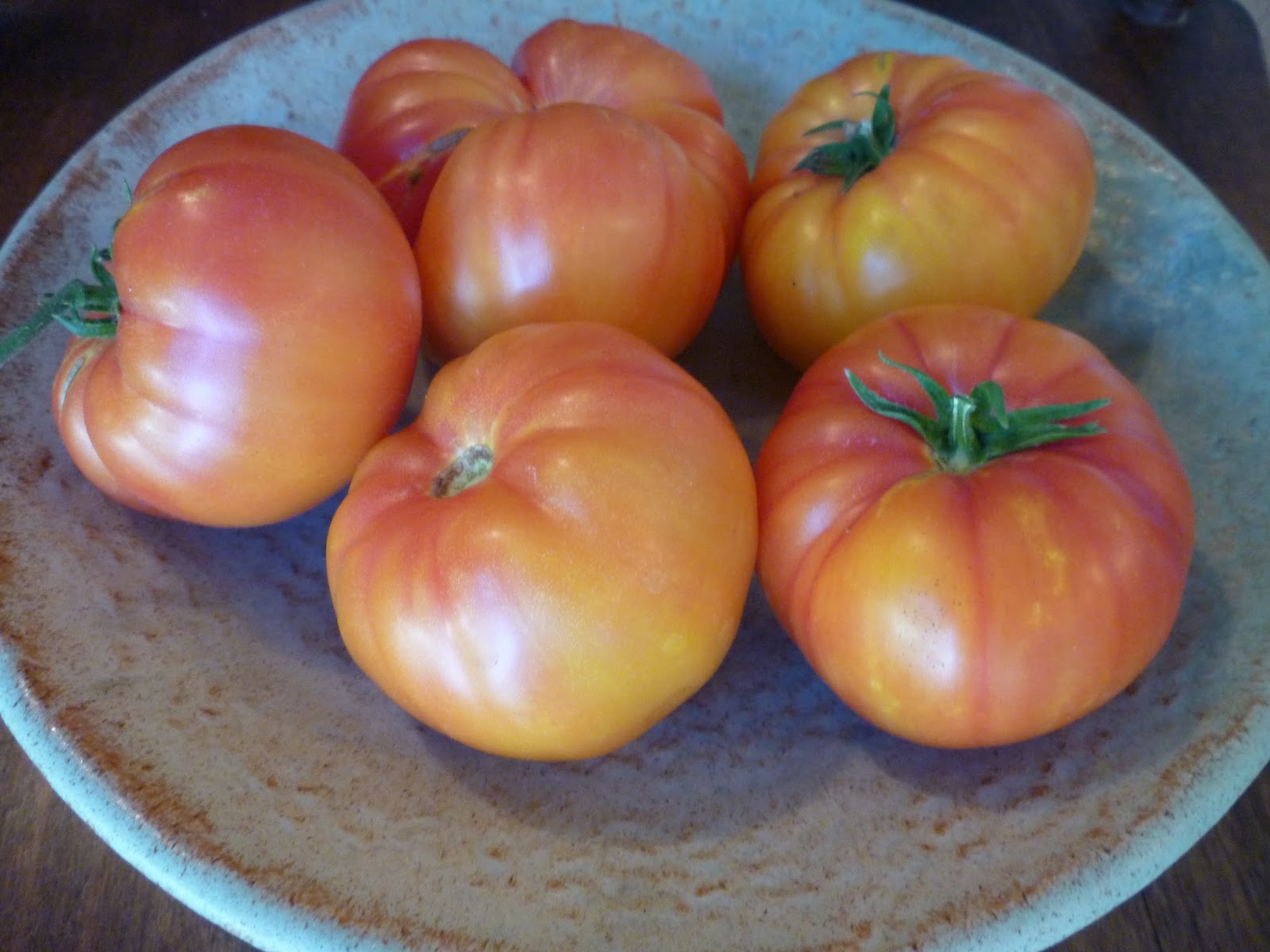
This is the first year that I received a tomato plant for my birthday, and I was very happy about it. My friend grew it from her volunteers, from her favorite variety of the previous summer, and handed it to me in a 4″ pot. I got it into the ground within a few weeks, and it grew like crazy. Some of our first fruits came from that bushy plant – and they were huge!

But we Glad farmers like our tomatoes to be more smoothly globe-shaped, not with the big shoulders and deep grooves of these Rainbows, or Big Rainbows as they are called on the nursery websites. I have mostly dipped them in boiling water so that I could easily peel them and cut them into chunks for the freezer, but when I took 15# of them to church last week they were scooped up fast.

Big Rainbows

Our Persimmons have also been like that this year; previously they were like other gardeners’ photos on the Web. Maybe it is a feature of heirloom tomatoes that there is variation in the shape? Does any of my readers know what causes this? The Rainbows are smoothing out, now that they are past the peak of production and smaller. (I should slice up a few for dinner tonight.) But not the Persimmons.

Well, we haven’t been able to keep up with eating them fresh anyway. I have been freezing quarts and quarts. Even on the morning of my departure for the mountains I quickly scalded some Early Girls, and when I ran out of time I stashed them in the freezer whole with skins on. I figure the skins will come off just as easily when I defrost them again. I hope I’m right.

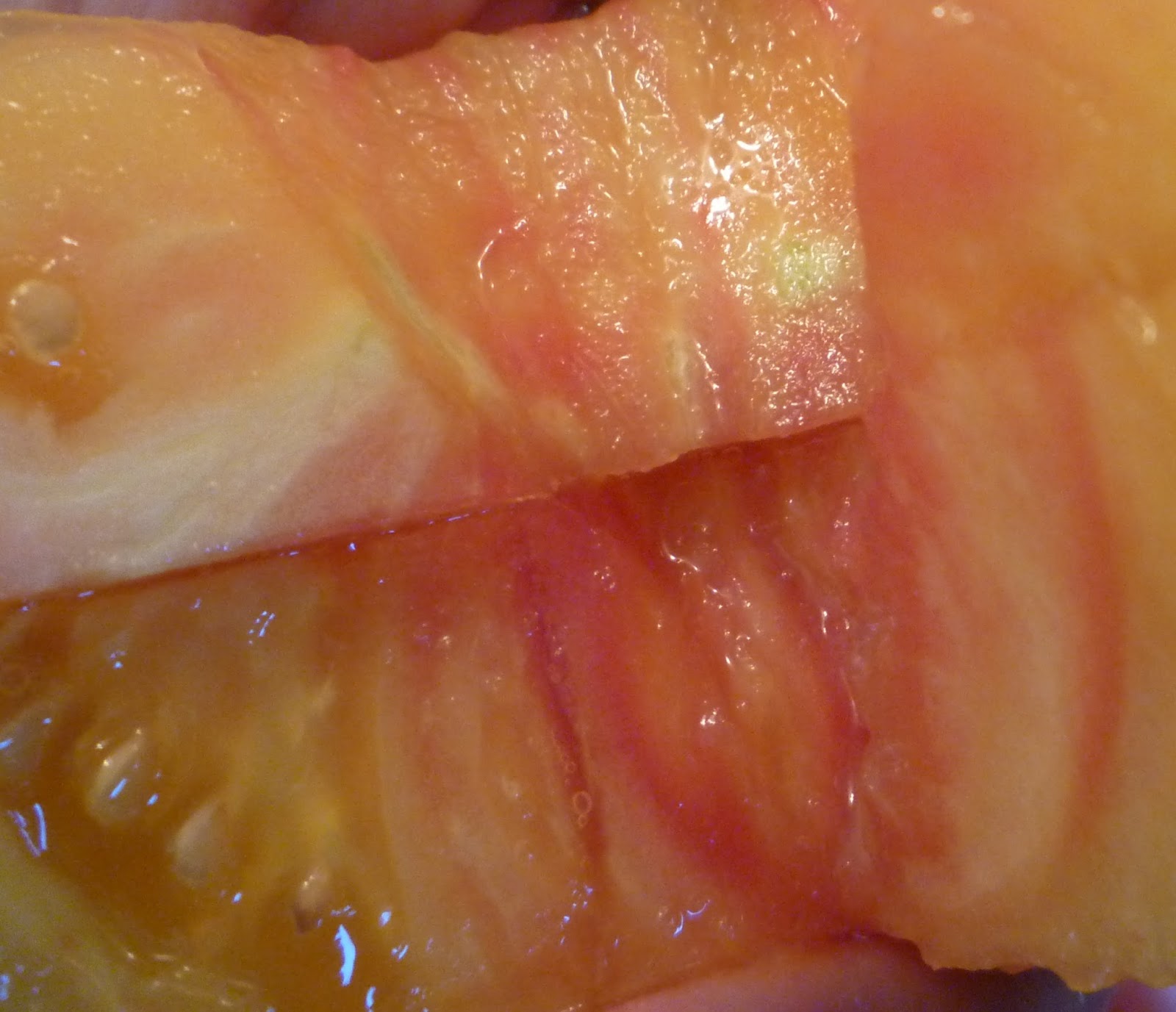
flesh of Rainbow tomato

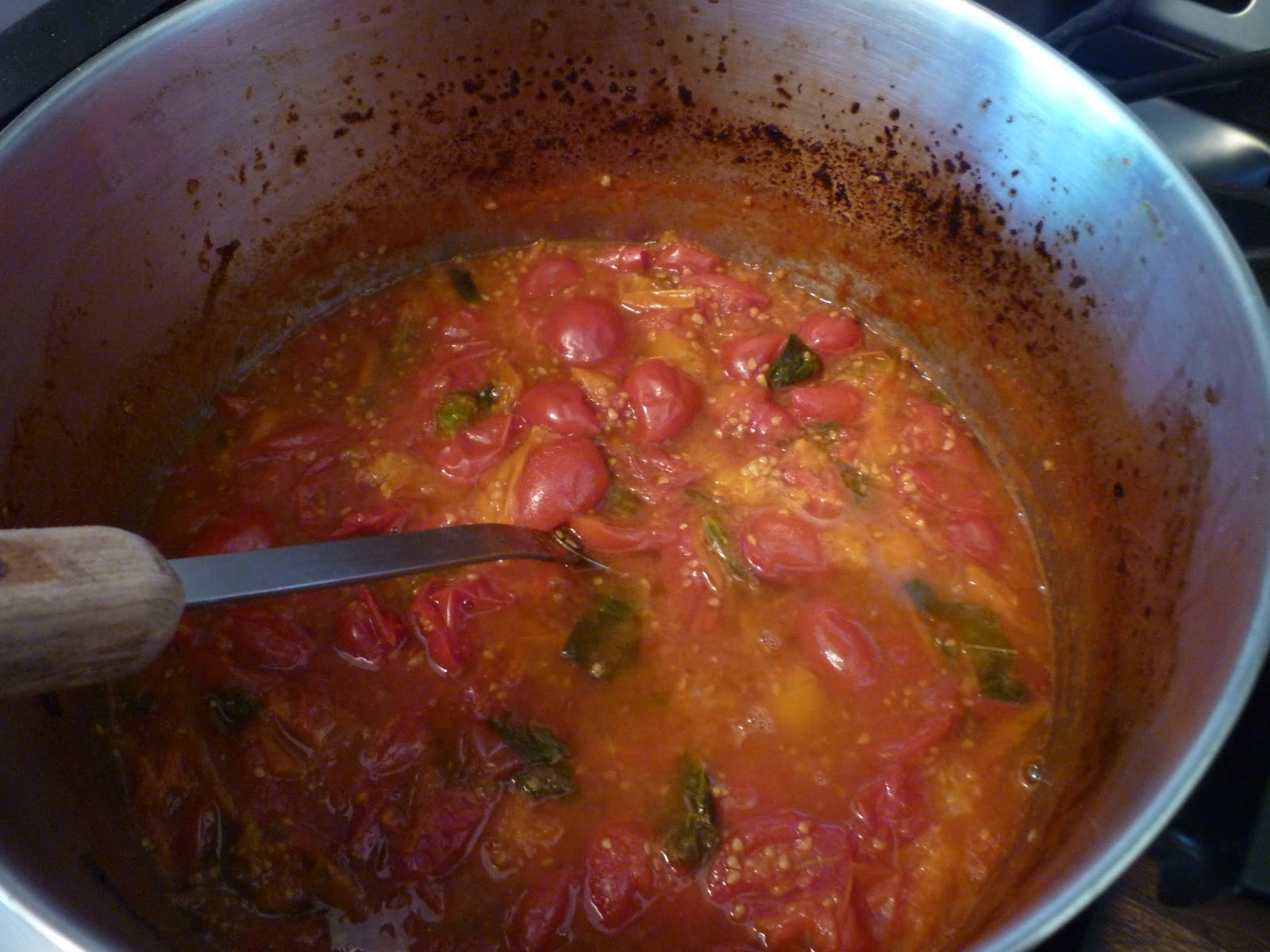
So as not to let tomatoes take over my blog the way they have taken over the kitchen, I’ll consolidate tomato stories here, and show you my latest pot of Cherry Tomato Soup. This batch I cooked down a bit more than usual – so that I will have a better chance of fitting it into the freezer that is getting maxed-out.

After stewing the tomatoes and basil for a couple of hours, I added a little cream and chicken broth and puréed some of it before serving it with a meatloaf dinner. So yummy.


Mountain Air – Berries

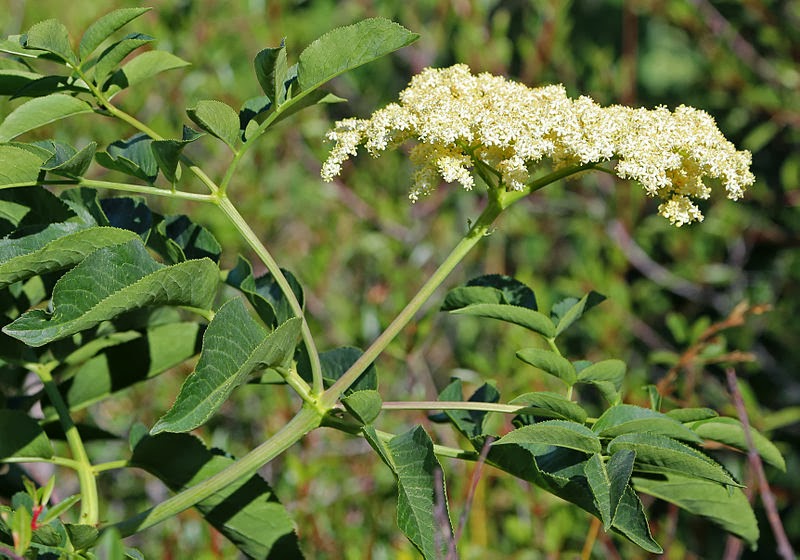
Wikipedia Commons – sambucus mexicana

Last July when we were descending from the lake to the valley, along the road between about 7,000 to 4,000 feet elevation I glimpsed many tall plants with big flower heads resembling the umbrella-shaped blooms of cow-parsnip.

Our driver was of the usual sort who is totally uninterested in suddenly pulling over just because I cry, “Look! Another one of those plants – what do you suppose they are?”

So I just kept straining my eyes and craning my neck as we sped past one after another. And I really wasn’t too disturbed, because I was confident that since I had recently studied various similar plants in the parsley family after our trip to Oregon, I would be able to look in a book or online and find out which species had yellowish blooms of that sort. At home I researched for an hour or more but there was no such plant.

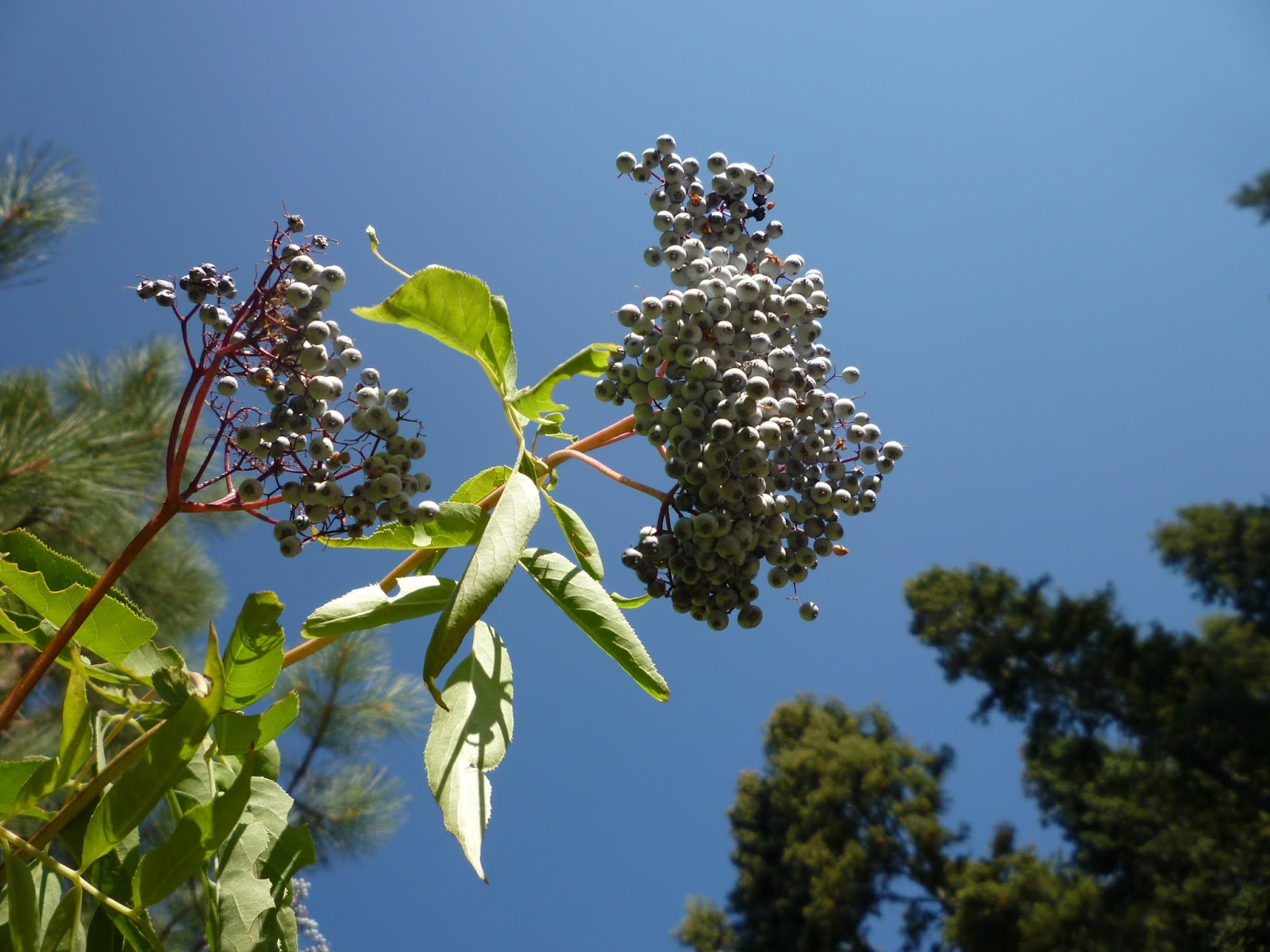
blue elderberry

When I drove up this month I guess I was in too big of a hurry to find what I was looking for, but once again, on the way down the hill some tall bushes got my attention, with their big clusters of berries. I realized after a while that those were the same plants I had seen in July, and I stopped twice at turnouts and walked back to take some pictures.

Once I saw the leaves up close, it was obvious they weren’t in the parsley family. Mr. Glad suggested they might be elderberries, and when I plugged that name into Google I found that indeed they are. In the Sierras three species of elderberries grow. The black elderberry is at higher elevations, and the red elderberry is red, so that leaves this one, the blue elderberry, which grows up to 25′ tall and wide.

It’s always satisfying to come back from a trip with at least one new plant in my mental directory. True, sometimes I only keep them in my blog postings, because they disappear from my recallable memory. In any case, knowing some names makes me feel more friendly with the natural world.

That’s the last I’ll see of that part of the country for a good while. Very soon the cabin will be shut up against the snows of winter in the Sierra Nevada. We pray that this year they will be very heavy!

sambucus mexicana