So many mornings the sun does not come out until late. But I picked the last of my Elephant Heart plums this week, and the first two figs of the season the week before. Just now I wandered around the garden (noon and sunny) and cut three zucchini.

I’m trying to get back to my habit of going to the beach once a week. It’s been foggy on the coast, too, but pleasant enough that I can wear just a thin linen shirt. Last time I saw an unfamiliar bird, a little smaller than the usual sea gulls. There were many parties of a dozen or so, mostly sitting together and looking out to sea. When I got home and researched, I discovered that they are Heermann’s Gulls.

There were also lots of the charming Godwits out there fishing.

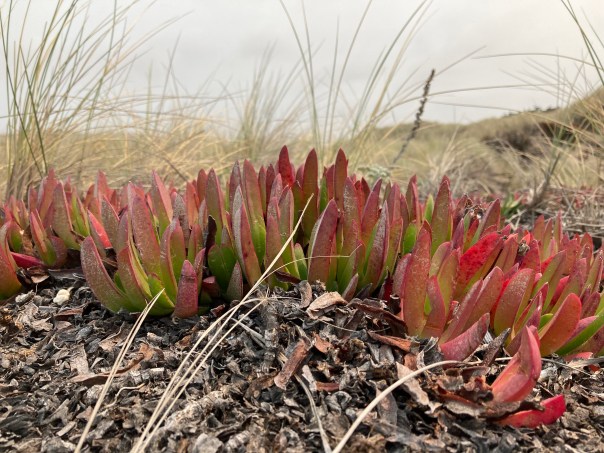
 Sea Palm



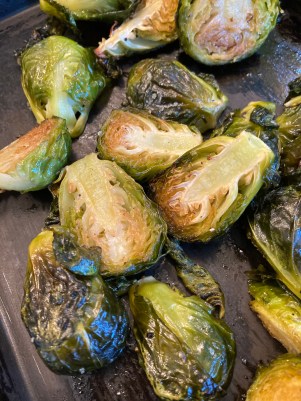
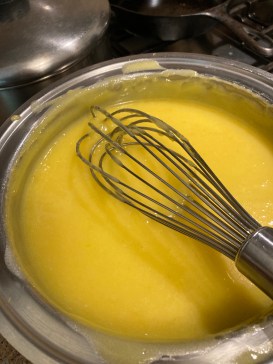
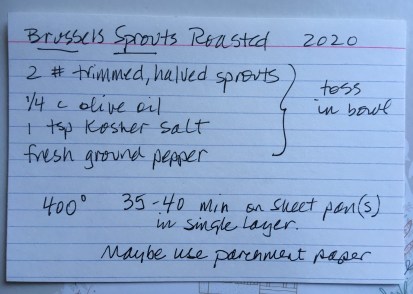
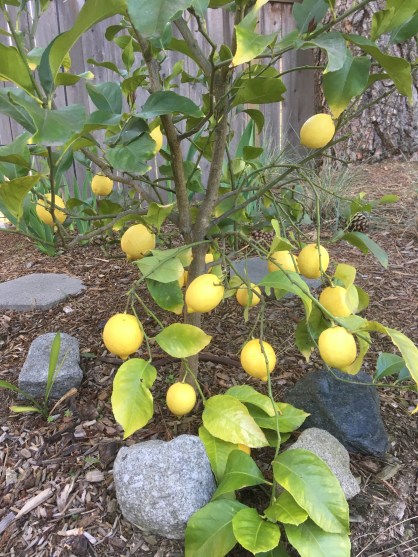
Every person in a large family at church was sick recently, which gave me the opportunity to have fun in the kitchen, making dinner for them one day. Most of the time I am trying, usually in vain, to cook for one, and eat for one. It seems impossible to learn, and not that enjoyable. So I made the most of this occasion to cook big batches of lots of dishes, enough for leftovers. It was the perfect day to make lemon curd, and I roasted both onions and Brussels sprouts, keeping back half for myself.
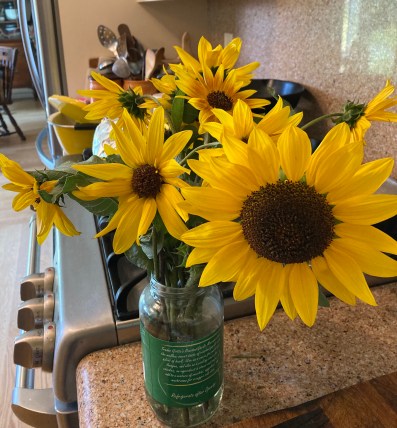
The giant sunflower plants in front are dangerously close to breaking their branches and/or falling over, so I pruned them and cut some of the blooms to add to the dinner box.
This is the first year I’ve ever grown a tomatillo. My neighbor gave me a seedling that he had started. It is branching out everywhere with yard-long stems, and the husks that will house the fruit, as yet unformed, are tender lime-green lanterns. In this next picture it’s climbing over a tomato vine so there is a confusion of types of leaves.

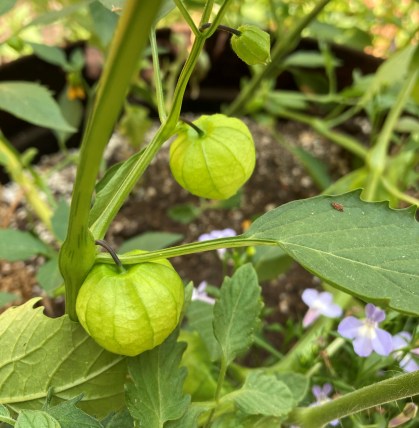
Wikipedia says, “The wild tomatillo and related plants are found everywhere in the Americas except in the far north, with the highest diversity in Mexico. In 2017, scientists reported on their discovery and analysis of a fossil tomatillo found in the Patagonian region of Argentina, dated to 52 million years BP. The finding has pushed back the earliest appearance of the Solanaceae plant family of which the tomatillo is one genus.”
I asked a man from Oaxaca, Mexico what his family does with tomatillos, and he didn’t know of any use but salsa, which is also the only thing I had ever heard. Does any of you have a good recipe for tomatillos, or another use? They don’t look like they’ll be ripe anytime soon, but I should be ready with a plan!
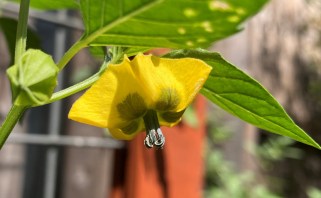

 thermometer to see — 113°. Uh-oh, I don’t think any of my plants would like that for very long.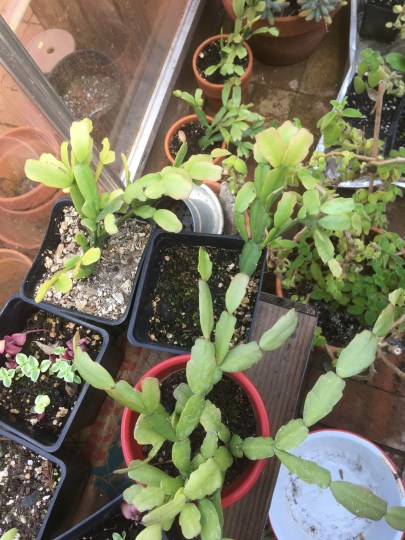

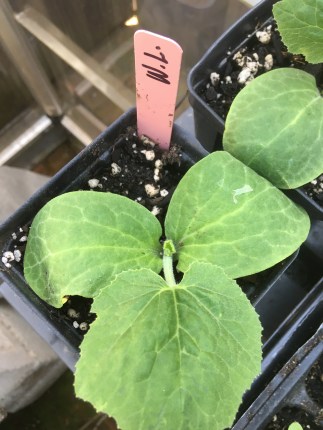
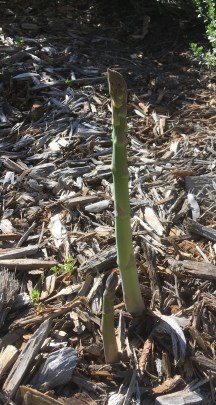 I also picked asparagus early this morning, because the stalks continue to emerge at record speed and in record numbers. Only half of the crowns that I originally planted survive, but those produce more every year, so I really have plenty….. though I do wonder if one can ever have too much asparagus.




 While I was cooking for a couple of days, I kept getting phone calls from children and grandchildren, wishing me a happy birthday. We had long chats that filled me to bursting. Each time I hung up after one of these calls, it would take me a while to reorient myself to the tasks waiting for me.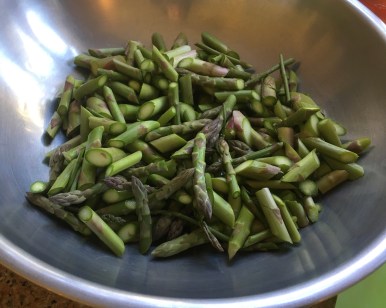

 This recipe that has been a family favorite seems like a nice one to share this week, which for us Orthodox is Cheesefare Week, a.k.a. Butter Week, the last before Lent that we eat eggs and dairy. It was on a post about picnics that I first published it several years ago, but there’s no reason to wait for picnic season to enjoy these hand pies.
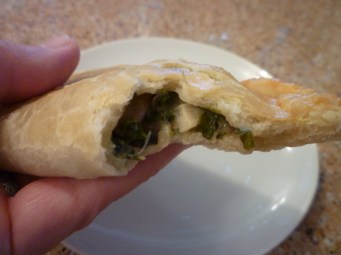 Changes I made to the recipe below: Use butter, of course, never margarine, and add some salt to the pastry dough. Or just use your own recipe for pie dough. I don’t think I have ever included the cottage cheese in the filling; it seems as though it’s the first time I am even seeing that ingredient in the list!
 Gladsome Lights