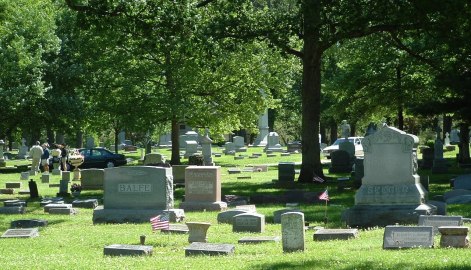
Two of my friends fell asleep in death last week. One was a monk who was buried at his monastery some distance from here, and the other, John, was a member of our parish. His funeral was today, and I was able to attend it.
I’ve written a lot about funerals and death since my husband died, and am at the point where, though I continue to experience grief, these days the loss and its pain primarily show themselves as elements of the same stuff that every single human experiences, we who live as part of this creation that we also live in. The creation that is waiting:
“For the earnest expectation of the creation eagerly waits for the revealing of the sons of God. For the creation was subjected to futility, not willingly, but because of Him who subjected it in hope; because the creation itself also will be delivered from the bondage of corruption into the glorious liberty of the children of God. For we know that the whole creation groans and labors with birth pangs together until now. Not only that, but we also who have the firstfruits of the Spirit, even we ourselves groan within ourselves, eagerly waiting for the adoption, the redemption of our body.” -Romans 8
John had been married to his wife for 64 years, since she was 18 years old. He had suffered great pain and disability for much of his life — his particular “stuff,” but while waiting for his full redemption, he was busy doing good works. Maybe his spirit was groaning for its deliverance from corruption, but he expressed his eagerness in generosity and encouraging words and cooking for people.
I was looking for a poem to post this evening, because I had no good story of my own to share. It turns out there was no poem at hand that would serve very well, but here is one from the archives that reminds us to keep on keeping on, through whatever losses we suffer. I’ll see you in the morning!
PASSAGE
And there was evening, humid
with lightning, when my father
fell to the earth like summer hail,
scattered. I gathered
my mother, we threw in
a handful of pebbles. And
there was morning, bitterly.
There was evening news
bluing walls, violet morning
on thunderheads, and the evening
when morning
would never again light our bodies in bed.
Morning caravans, headlights,
evening. A long caravan of evenings. Then
there was only me, morning. Awake in a room
in a building vast with rooms. Everyone
evening. Everyone morning. And God
had finished all the work he had been doing—
babies, honeybees, spreadsheets, winter
mornings. I said,
I will not stop here, evening. I’ll see you
in the morning.
–Thomas Dooley