Category Archives: time

Hurry up and wait.

I woke this morning with a kink in my neck, and it never really went away, in spiIMG_0564 orange flowerte of many treatments including a thorough and deep massage by my friend who is staying here. When you are in pain, the hours pass slowly. I was lying on my bed a lot or taking walks, and thinking. I know I shouldn’t be typing at a computer, but — I am. While I was resting I read a line about Virginia Woolf, that she wrote in her diary every night, because she didn’t feel that anything had really happened unless she wrote it down.

In the morning I did my usual route on the bike path, following the advice of my chiropractor long ago who said that when you are walking “every step is like a spinal adjustment,” and as therapeutic. And I thought more about Metropolitan Anthony’s words I quoted recently about how to have an intense life.

I took pictures with my cell phone, even though the sun was a little too bright. I walked up the next street over, behind our house, the street where the people live who sing Chinese karaoke for the neighborhood, and who ran their leaf blower at 7:00 a.m. last Saturday. I wanted to write down their house number in case there is a next time with the leaf blower.IMG_0366 trees from CC

And I took this picture of the tree line. That Dr. Suess Tree is the redwood that dropped needles in our pool when we had a pool. My pine tree is the next one to its right. The other trees are in other yards in the neighborhood. I’m glad I don’t live in a new development where all the trees are young and short.

But living in a neighborhood of any sort requires patience. I have had yappy dogs next door for years, and I didn’t get too bothered by them until Mr. Glad died, and then I became irritable. My priest confessor warned me that this would happen, but when I lost my patience with the dogs who yipped and yapped nonstop every time I went into my yard, I didn’t repent. I started thinking about how some people have poisoned dogs, and I understood.

Then when I was standing in church on the Feast of the Transfiguration, the realization came to me that my attitude toward the dogs was the real problem. St. Herman or St. Seraphim would have made friends with the dogs, even through the fence, while I had not even thought of praying for them, who were after all only doing what is natural for dogs. My own angry thoughts were making a racket in my soul that was much nIMG_0553 berriesoisier than any dumb creature’s barking.
For a week I did pray for them, and for their owner; I knew she didn’t know what to do about their incessant outcry either. Then for three days while great tumult was happening in my yard, the poor pups probably didn’t know what to think, and if they were barking no one would have been able to hear it. After that, they were gone. Yes, their owner and they have moved to another town.

Having patience can be an intense activity. I think there must be a connection to the scripture, “Strive to enter into that rest.” When Met. Anthony tells us to “make haste,” I trust this is what he is talking about. I’m not too sure that his exhortation is for me right now, because any kind of hurrying or striving sounds like what I am trying to get away from.

He has said many other things about time and managing it to God’s glory, and I will be musing over more of his words here soon. For this evening, when I walked again at dusk, I was more restful about accepting the intensity, the struggle that has been given me. I don’t see any way to avoid it, if I wanted to.
IMG_0364 s.f. a.m.

I also have to accept the necessity of waiting. As many people have pointed out, there are lessons and pictures of my wider life, in this suburban back yard and town. On my evening walk the light was just right for photography, so most of these pictures were taken then.

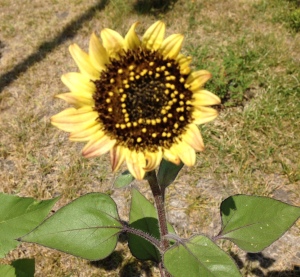
Only yesterday I was complaining about my inferior tall sunflowers, but today my shorter variety is blooming, and looking cute. I just had to wait a little longer for it.
Make haste to live.

Metropolitan Anthony Bloom elaborates on what the Orthodox exhortation to “remember your death” really means. 

“St. Paul in one of his epistles says that we must make haste to live because time is deceptive. We live all the days of our life as though we were writing hastily, carelessly, a draft of life that one day we will copy in fair hand. It is as though we are just preparing to build, collecting all that will later be organized into beauty, harmony, and meaning…. But years pass and we never do it.

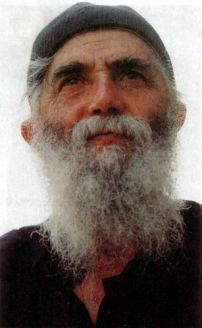
elder Paisios the Hagiorite

“This is not only because death comes, but because at every period of life we become unable to do what the previous period would have allowed us to do. It is not in our mature years that we can achieve a beautiful and meaningful youth, as it is not in old age that we can reveal to God and to the world what we might have been in our years of maturity. There is a time for all things, but once the time has gone, these things can no longer be done.

“Victor Hugo said that there is fire in the eyes of the young, but there should be light in the eyes of the old. The time of the glowing fire passes, the time of light reaches us, but when the time of being a light has come, we can no longer do those things that can be done only in the days of our flaming. Time is deceptive. When we are told that we must remember death, it is not in order to give us a fear of life; it is in order to make us live with all the intensity that we could possibly have if we were aware that every moment is the only moment we possess…. And so the remembrance of death seems to be the only power that makes life ultimately intense.”

–Metropolitan Anthony Bloom, From Living Orthodoxy in the Modern World

 (I put a photo of St. Paisios as an example of someone who shined with a bright light.)

I shall stay where I am.

What is it then to be stable? It seems to me that it may be described in the following terms: You will find stability at the moment when you discover that God is everywhere, that you do not need to seek Him elsewhere, that He is here, and if you do not find Him here it is useless to go and search for Him elsewhere because it is not Him that is absent from us, it is we who are absent from Him..This is important because it is only at the moment that you recognize this that you can truly find the fullness of the Kingdom of God in all its richness within you; that God is present in every situation and every place, that you will be able to say: ‘So then I shall stay where I am.’

                                                              -Metropolitan Anthony Bloom

How long will the rocks of Berkeley last?

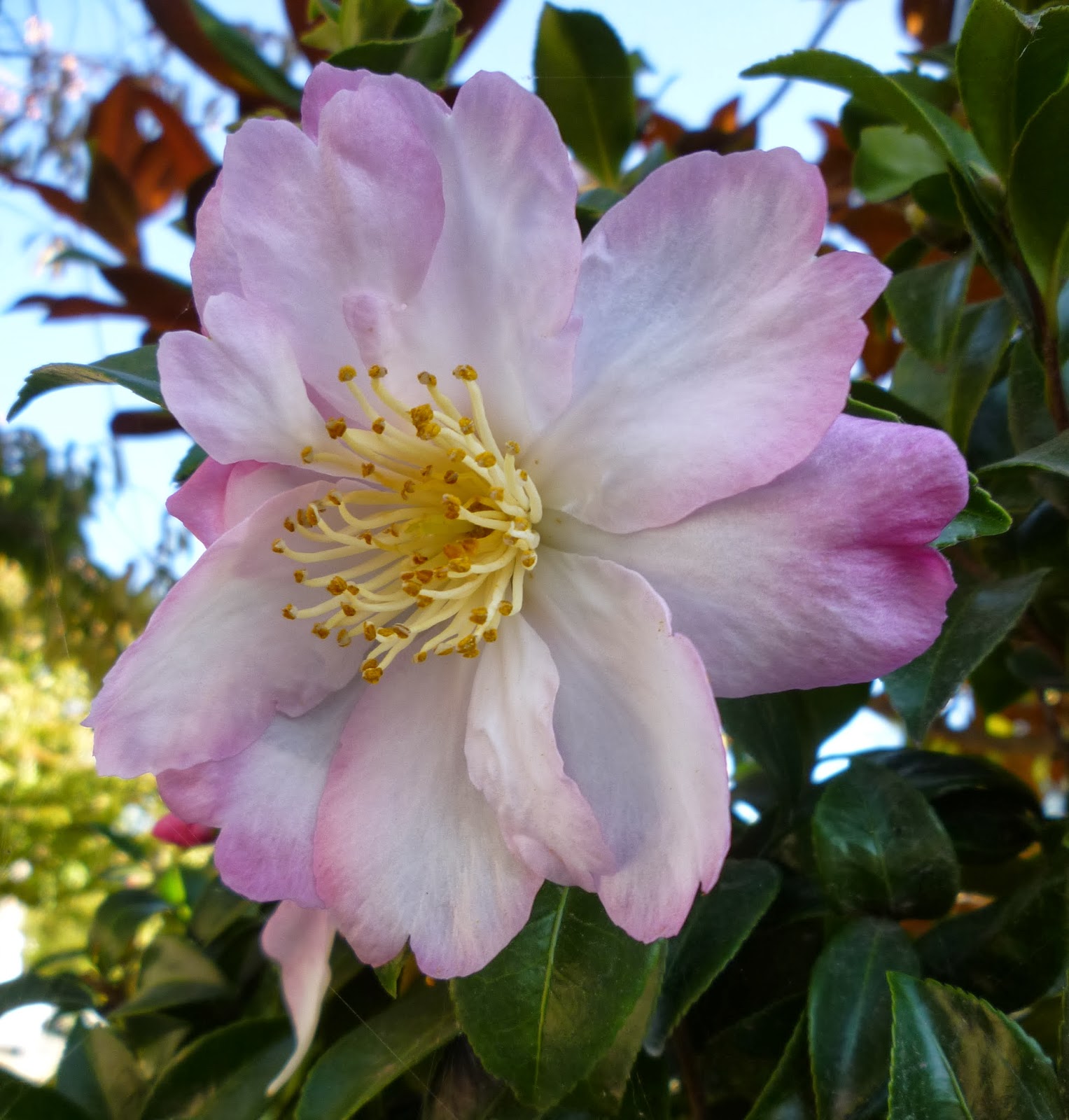
Berkeley Camellia in October

My sisters came to visit, and for the first time in about 50 years we returned together to places in Berkeley where we used to play. None of us has ever lived there, but as children we visited our maternal grandparents every summer.

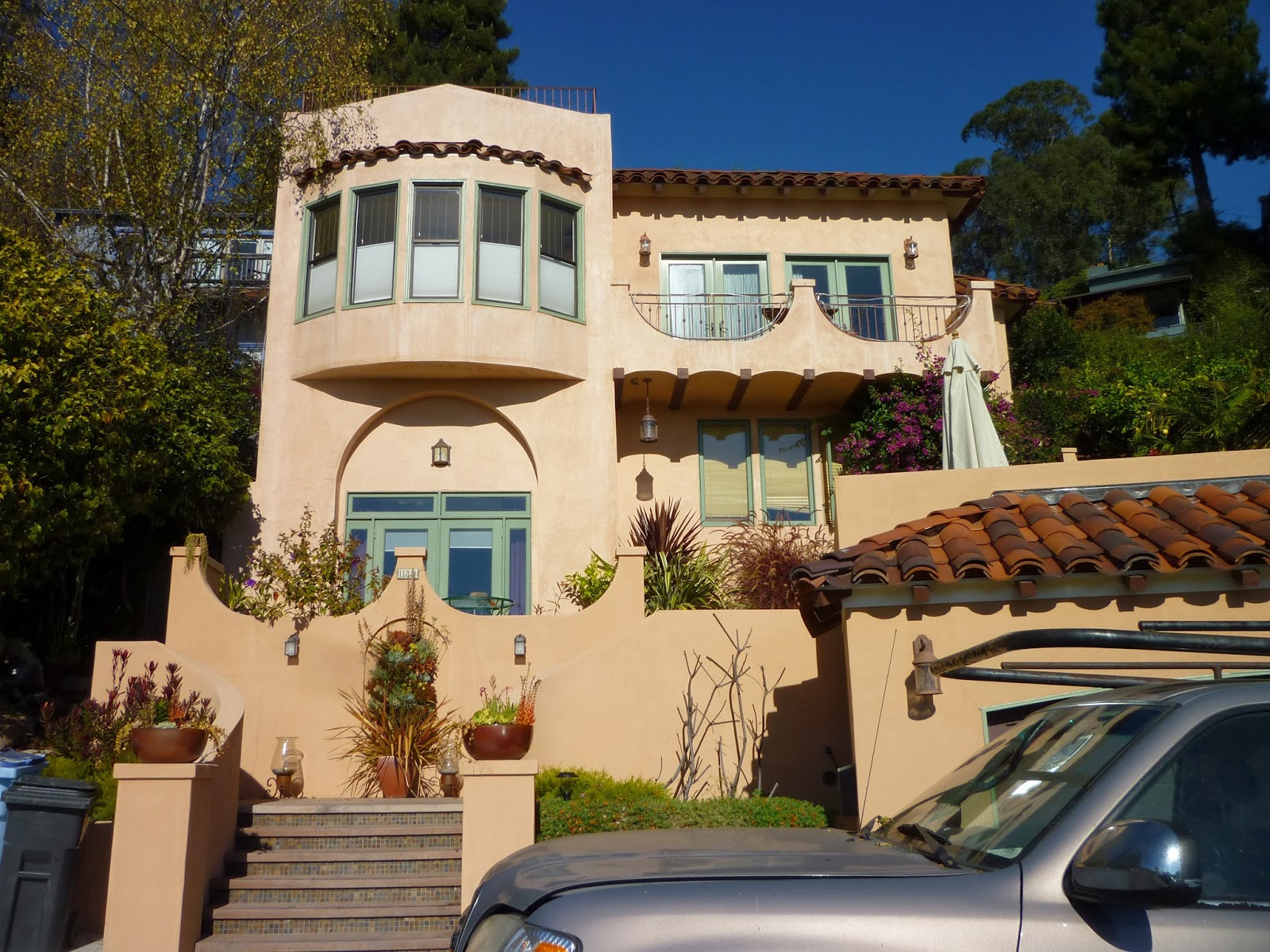
Both of our parents had grown up in Berkeley, and last week we walked and drove the mostly hilly streets to find several of the houses in which our grandparents and our father and his sisters had lived. Of course we also stopped and stared at our other grandma’s house, savoring the memories that had been born in us there.

Not far away is Indian Rock Park, of which you can see pictures in my post about the neighborhood where Grandma and Grandpa lived for half a century. Indian Rock is huge — but not as big as we remembered it. And the park includes massive slabs and lava stones directly across the street, which I don’t know if I’ve ever played on. We didn’t go there this time, either, but climbed to the top of Indian Rock itself and sat a while, looking out over the tops of a thousand houses to San Francisco Bay.

Down Indian Rock Path

Not for very long, though, because we wanted to skip on down the steps of Indian Rock Path to Solano Avenue shops. Well, maybe not skip. But skipping is probably what we used to do!

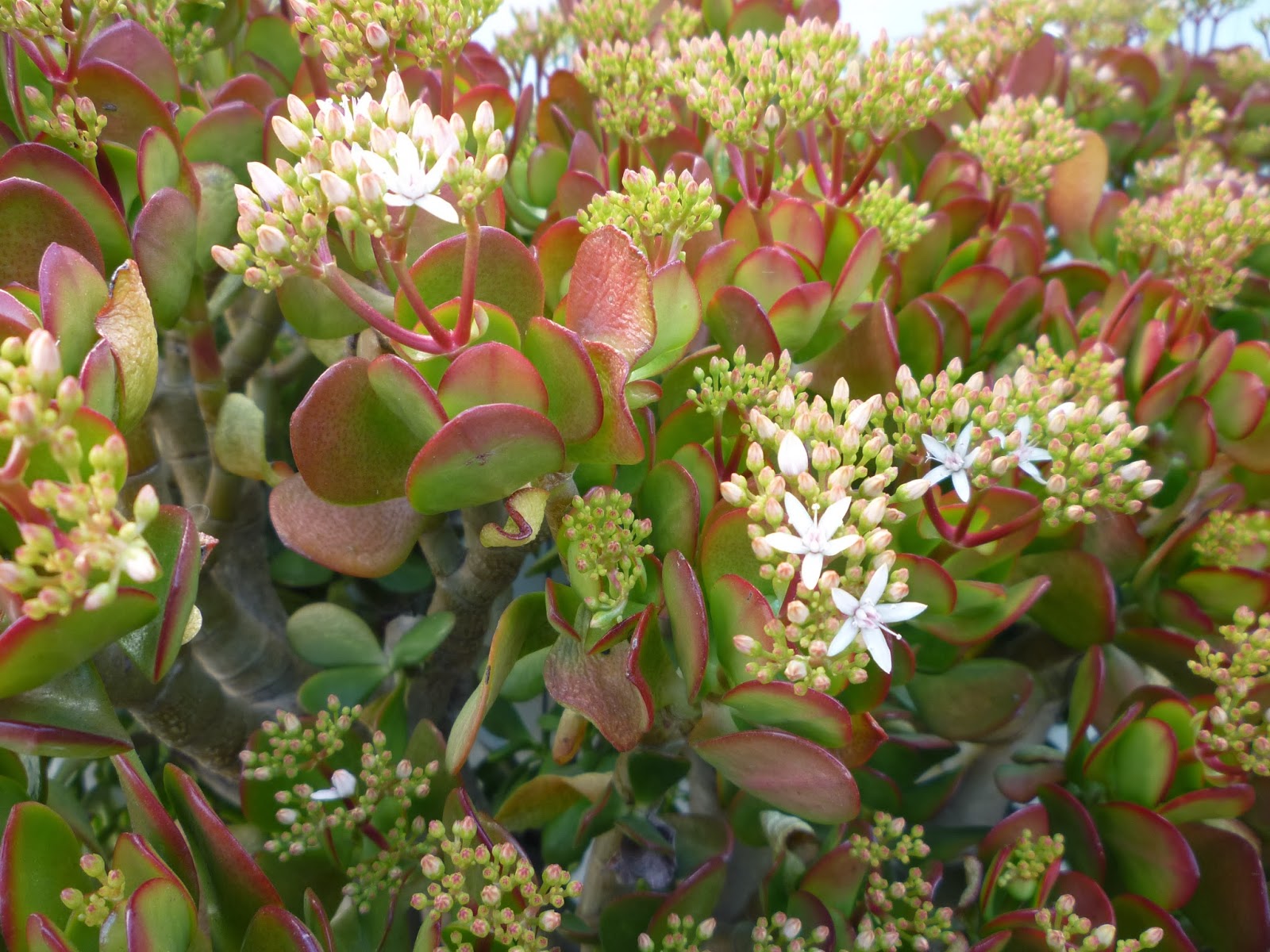
Jade plant in bloom on the path

In our memories the excursion to the ice cream parlor took much longer than what we found this time, even though we have passed the age when one can be unconscious of one’s legs and feet whether walking uphill or down. That shop has a new name, but the wares are similar, and you can look at old scoops while you wait.

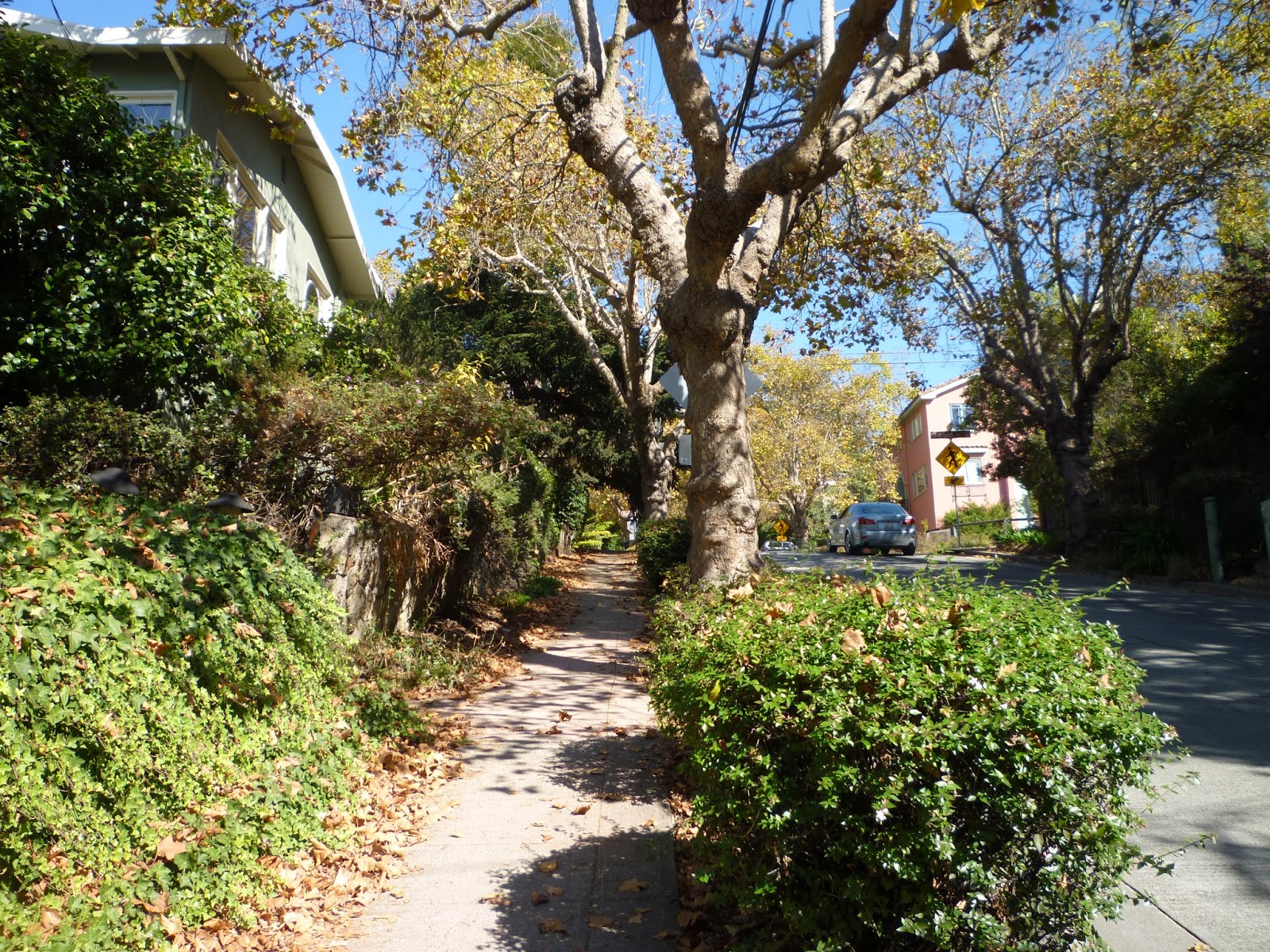
After lunch, because we wanted to return to the higher neighborhood, it was necessary to hike up, and this time we took the steep route of Marin Avenue. Again my experience seemed altogether different from that of years ago, when most evenings after dinner Grandma, at an age greater than any of us have reached yet, would lead us on brisk neighborhood walks. It was slower than then. And the crucial person was missing.

Marin Avenue is a hike.

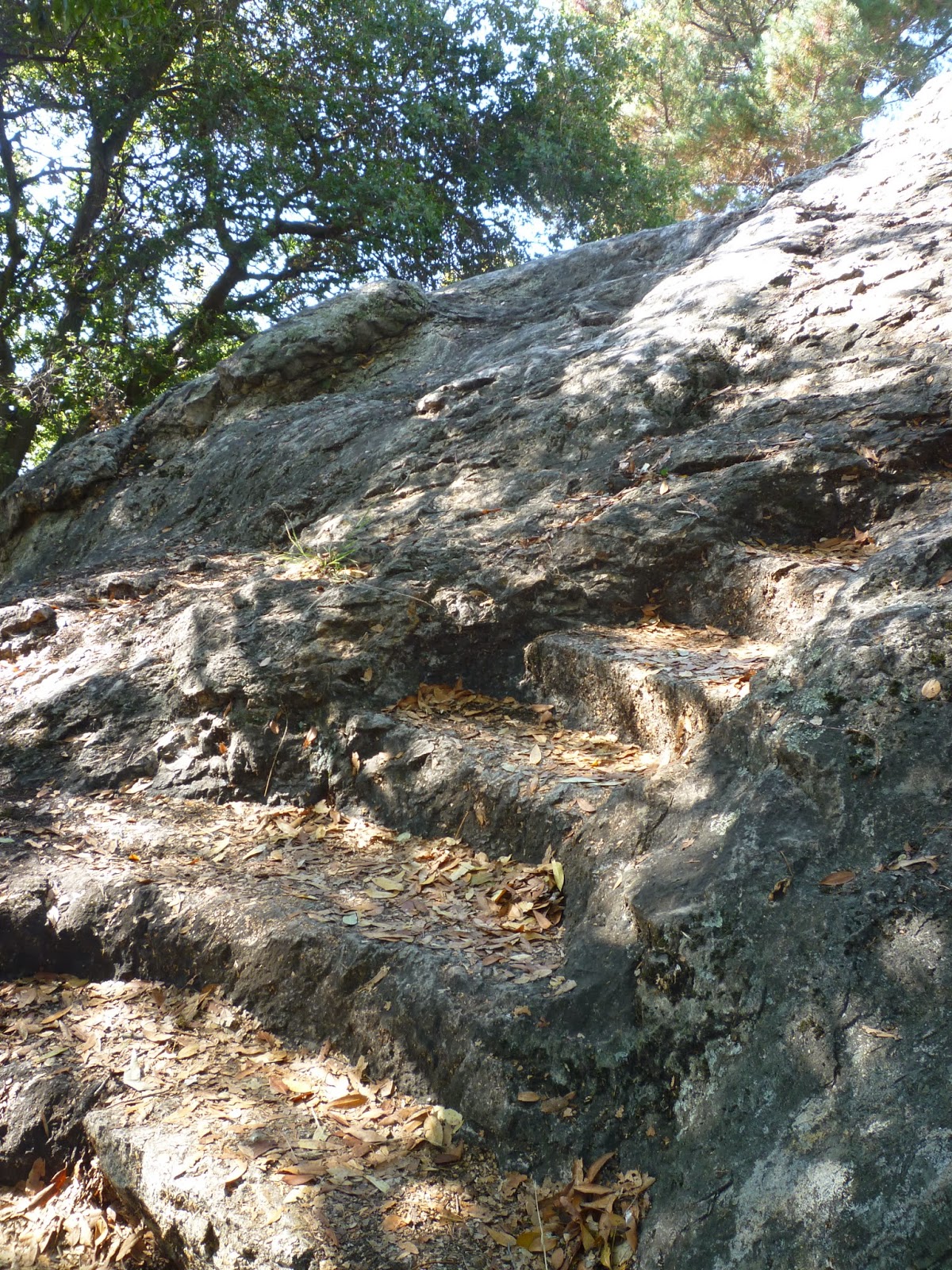
Mortar Rock steps

We circled back to Mortar Rock, just around the corner from Indian Rock, and wandered there longer, just as we used to play there longer in our childhoods. More of those stone surfaces are easily climbable, and Grandma always felt better about us going by ourselves, because we didn’t have to cross a busy street to get there.

The houses next to these parks and paths don’t have much privacy. In this picture you can see how close they are, and how there are not fences blocking them from park goers and their glances.

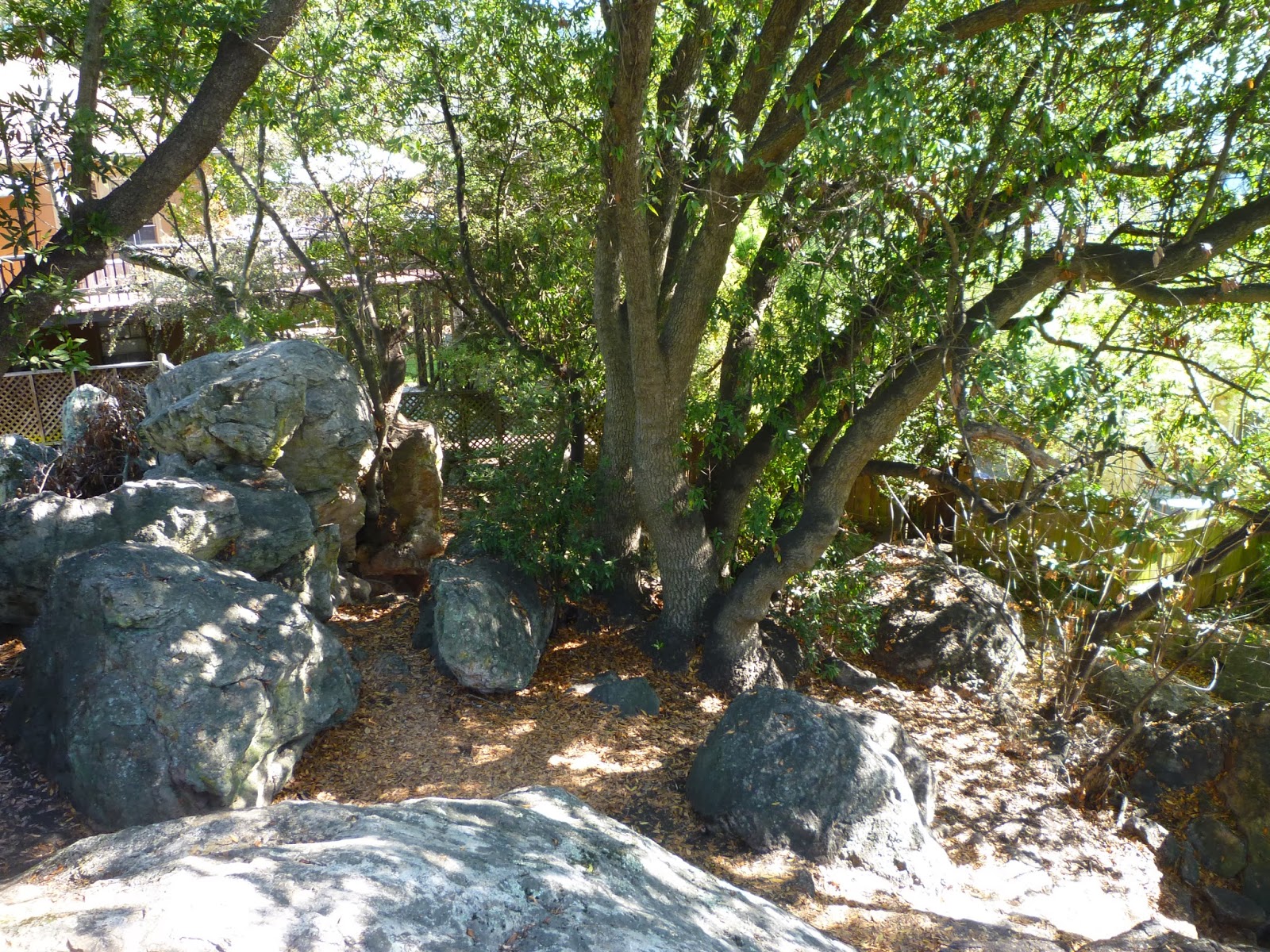
When I first put my feet on the dry paths of Mortar Rock Park, suddenly a familar herby smell registered in my senses, making me look down to see long pointy dead leaves underfoot, just as my mind was linking to “bay tree.” I lifted my head and saw that the dappled shade was cast by at least two tall old California Bay Laurels (along with oaks and buckeye) whose several large trunks were curving high over the rocks.

And yes, there were the grinding mortars in the rock, empty of anything but leaves at this time of year. Do children still pretend to be Indians grinding acorns in them?

One of the houses we were searching for was only a few blocks from here, so we walked up the street, admiring the many flowers still in bloom in this mild climate. Banks of fuchsias always remind us of the long row of them that grew along the brick path in Grandma and Grandpa’s back yard.

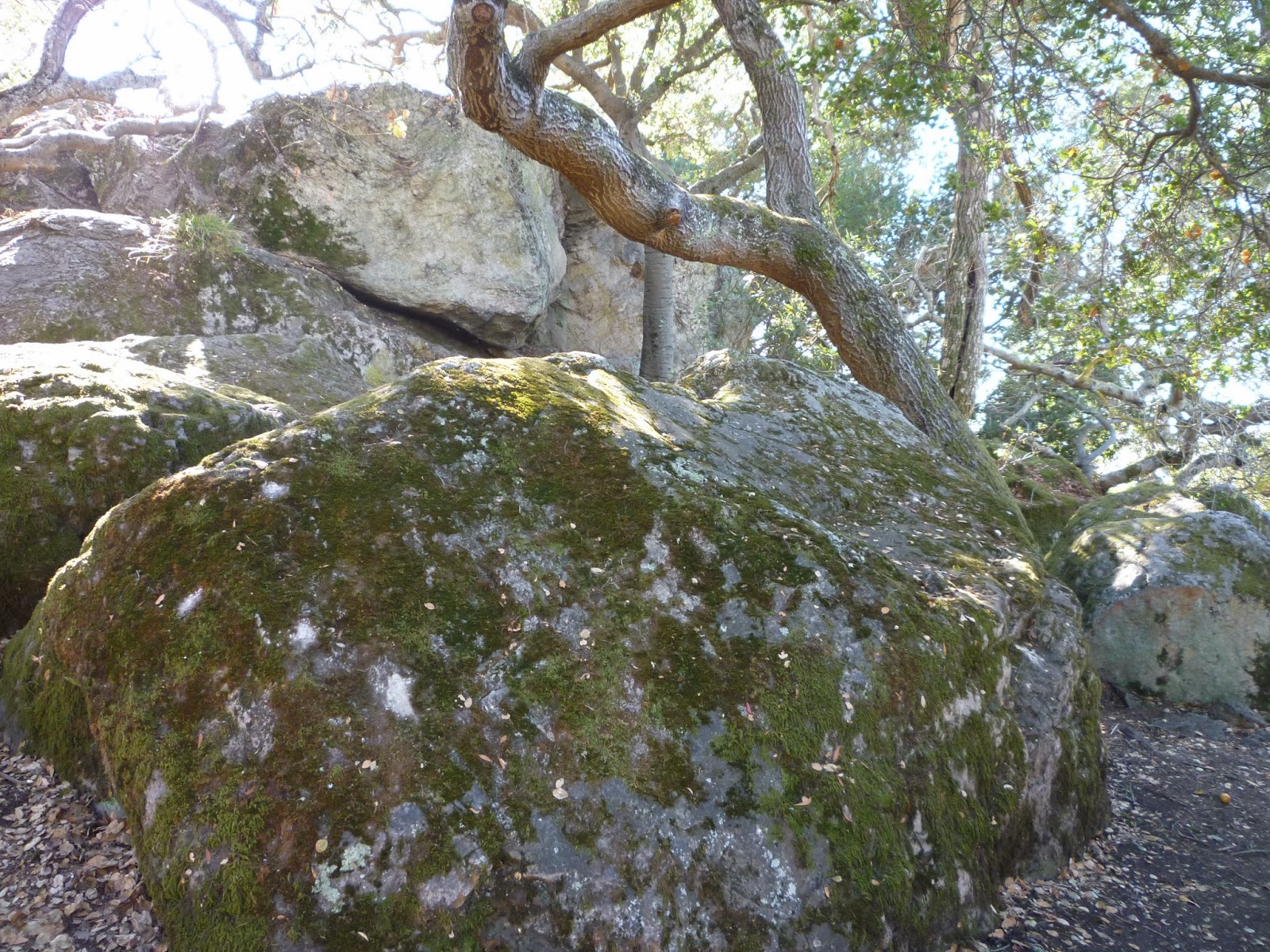
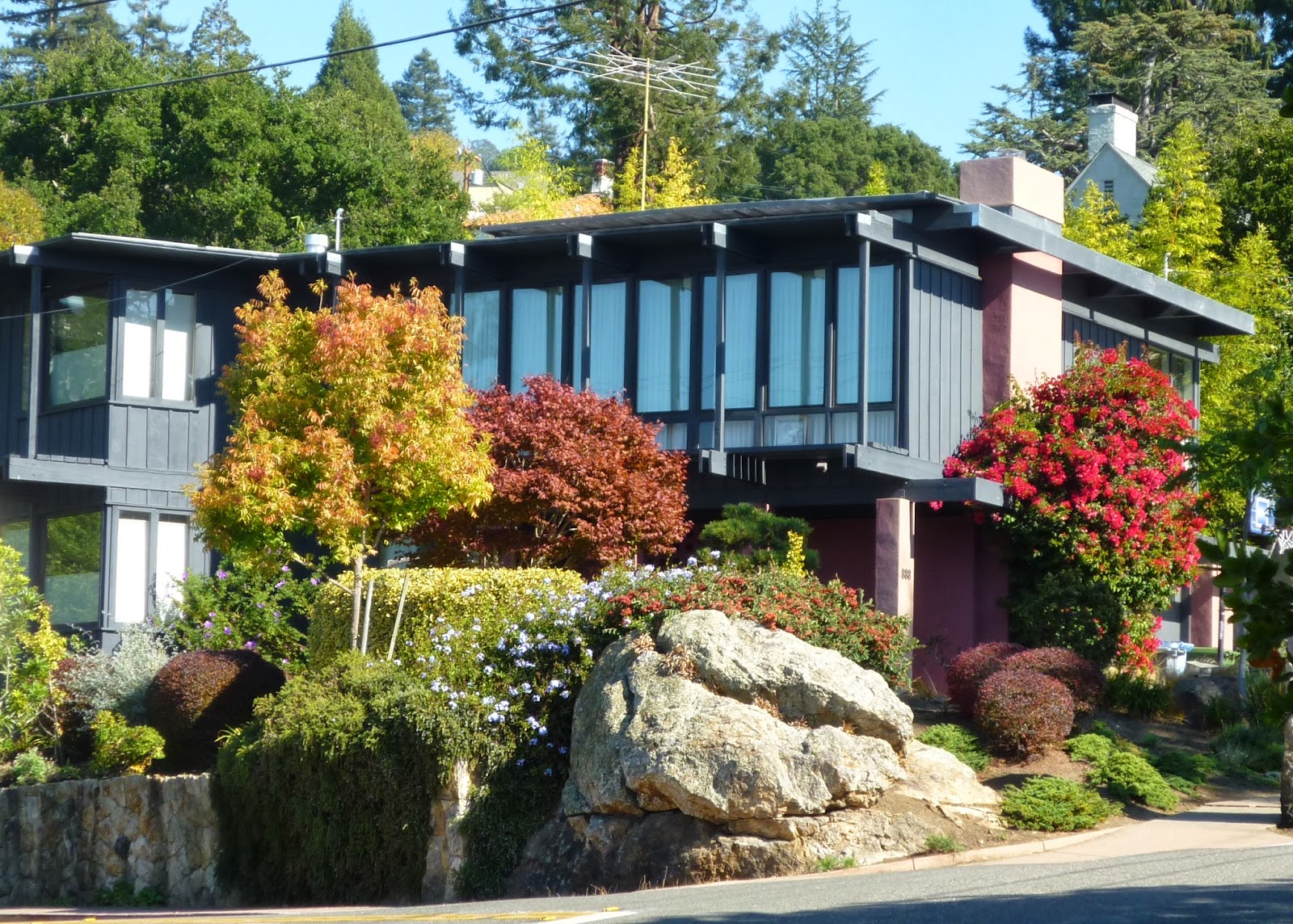
More rocks! This house, though modern in design, has a very traditional and unchanging boulder to distinguish its front yard.


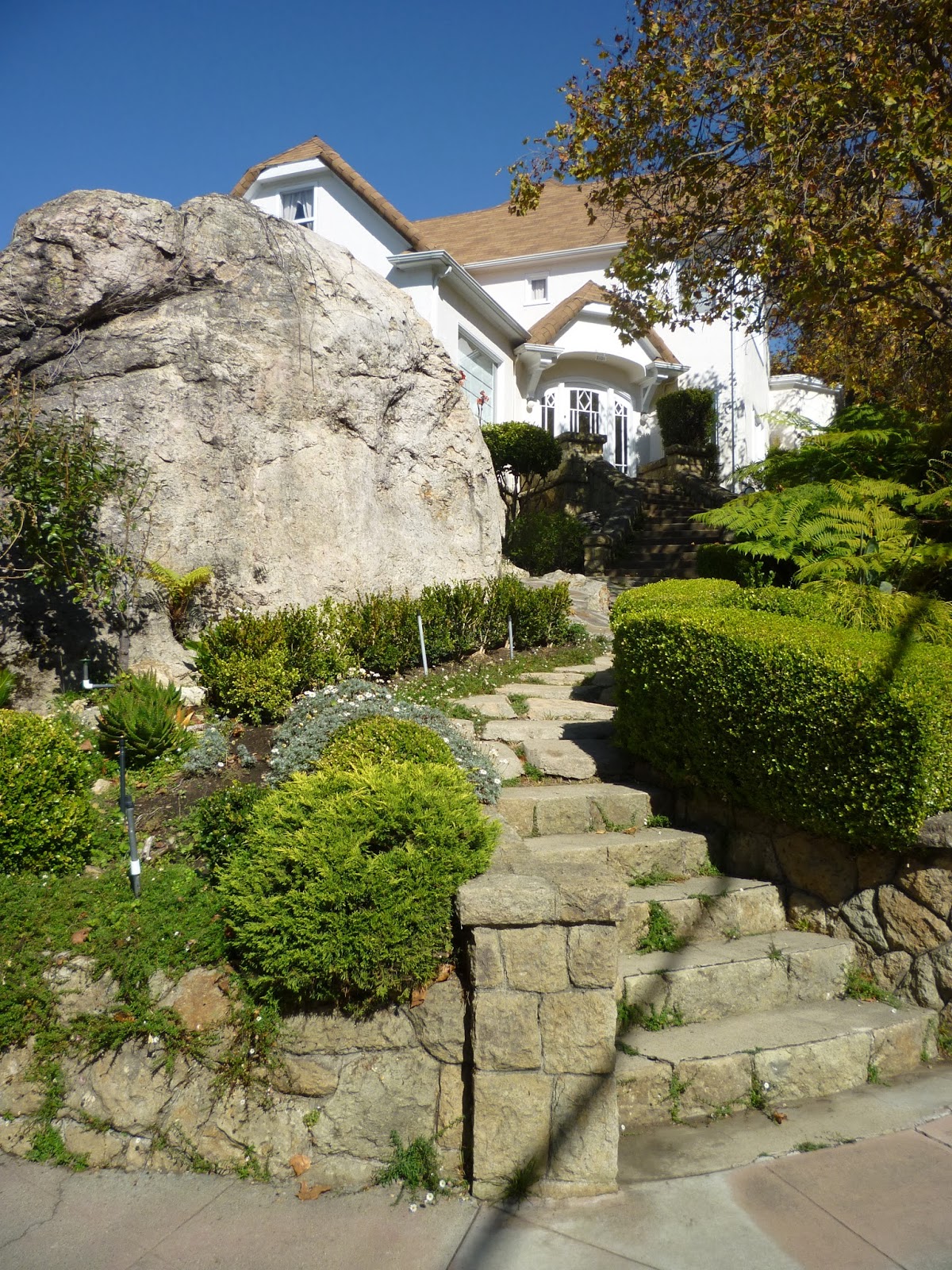
This one’s even more of a monolith. Having such a thing in your front yard would certainly lend drama to the landscaping. I wonder if the owners of the house are helped to keep a humble perspective on their lives, with the antiquity of their mineral friend constantly looming. So solid, and not going anywhere.

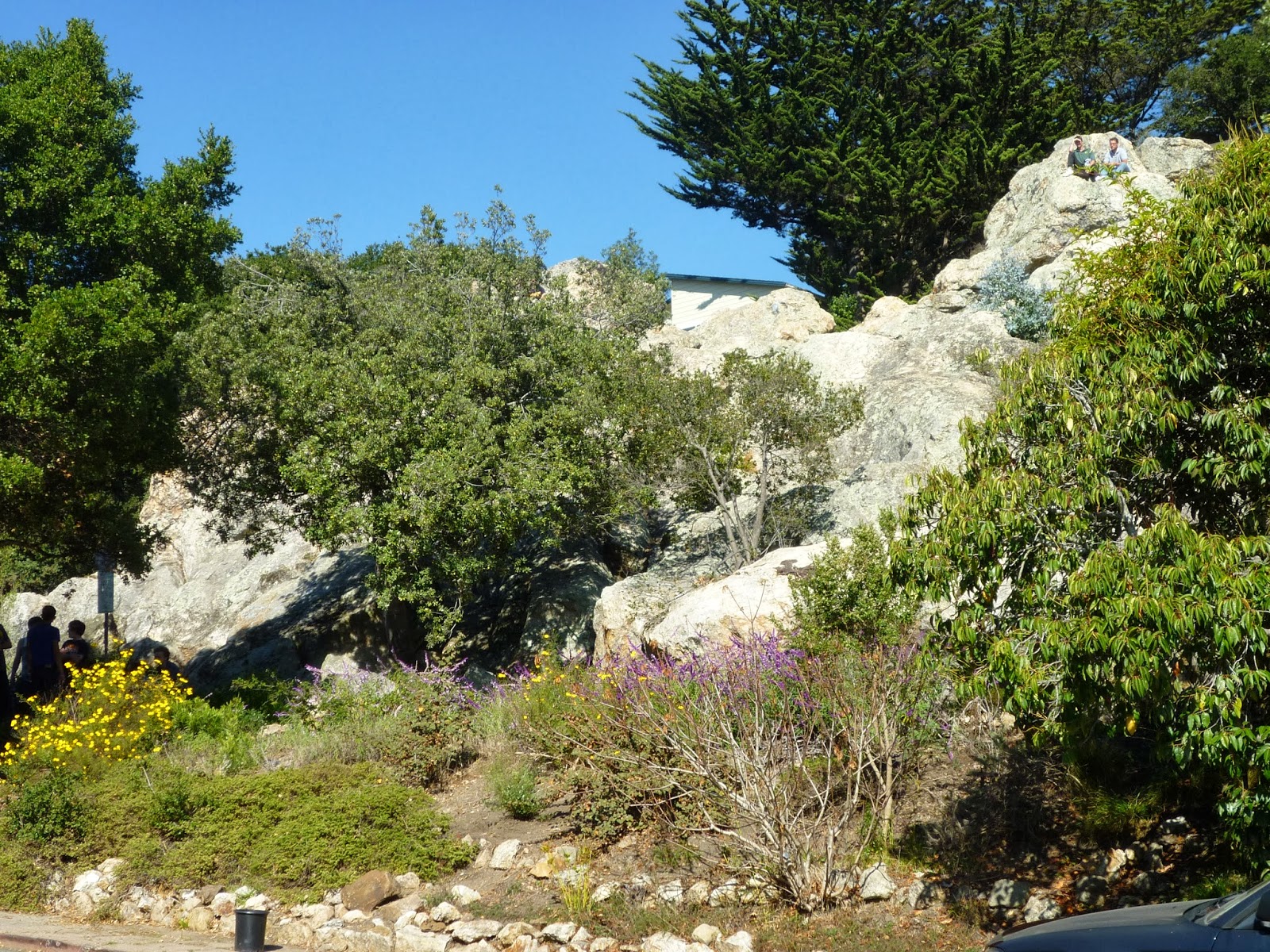
Lots of giant volcanic rocks dot the neighborhood. I saw these I didn’t remember on Santa Barbara Avenue, taking up a lot or two.

Rocks on Santa Barbara Ave., Berkeley CA

The weather was summery, and we seemed to walk always up, and up. It felt good to stop frequently to snap pictures of fall color or late summer flowers. Eventually we arrived at the first house of our father’s on our list, on Santa Barbara Avenue.

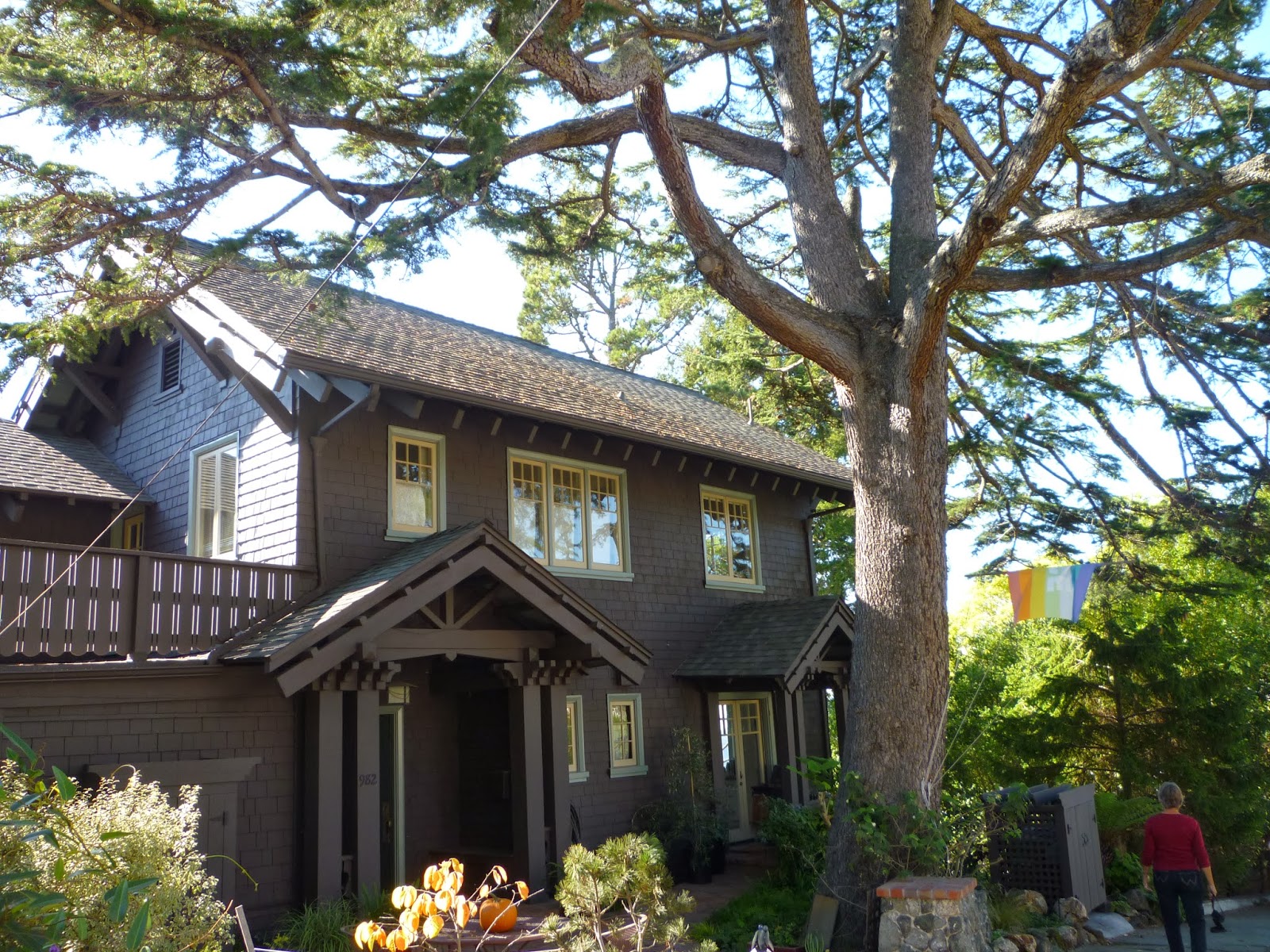
Another childhood home of my father, on Euclid, has had a facelift recently — we compared it with photos from 15 years ago when a patriarchal tree must have blocked the view and the warming sunlight, and the color was white. Paint and trees and even whole houses are easier to change or remove than those giant rocks.

Euclid house

And though it seems ages ago that we walked these streets together, and slept in the Berkeley bedroom wondering at the city lights spread out before us, most of these houses are not more than a hundred years old. Young things, really.

We went back to our car and drove to a few more houses, none so photogenic now. We bought gas at the station where our grandma used to buy hers, and we shopped at the market where she used to shop. We ate dinner at Spenger’s Fish Grotto where we’d eaten many times with our grandparents. And then my dear sisters and I finished our day with shopping at our grandma’s favorite Park & Shop market, now Andronico’s.

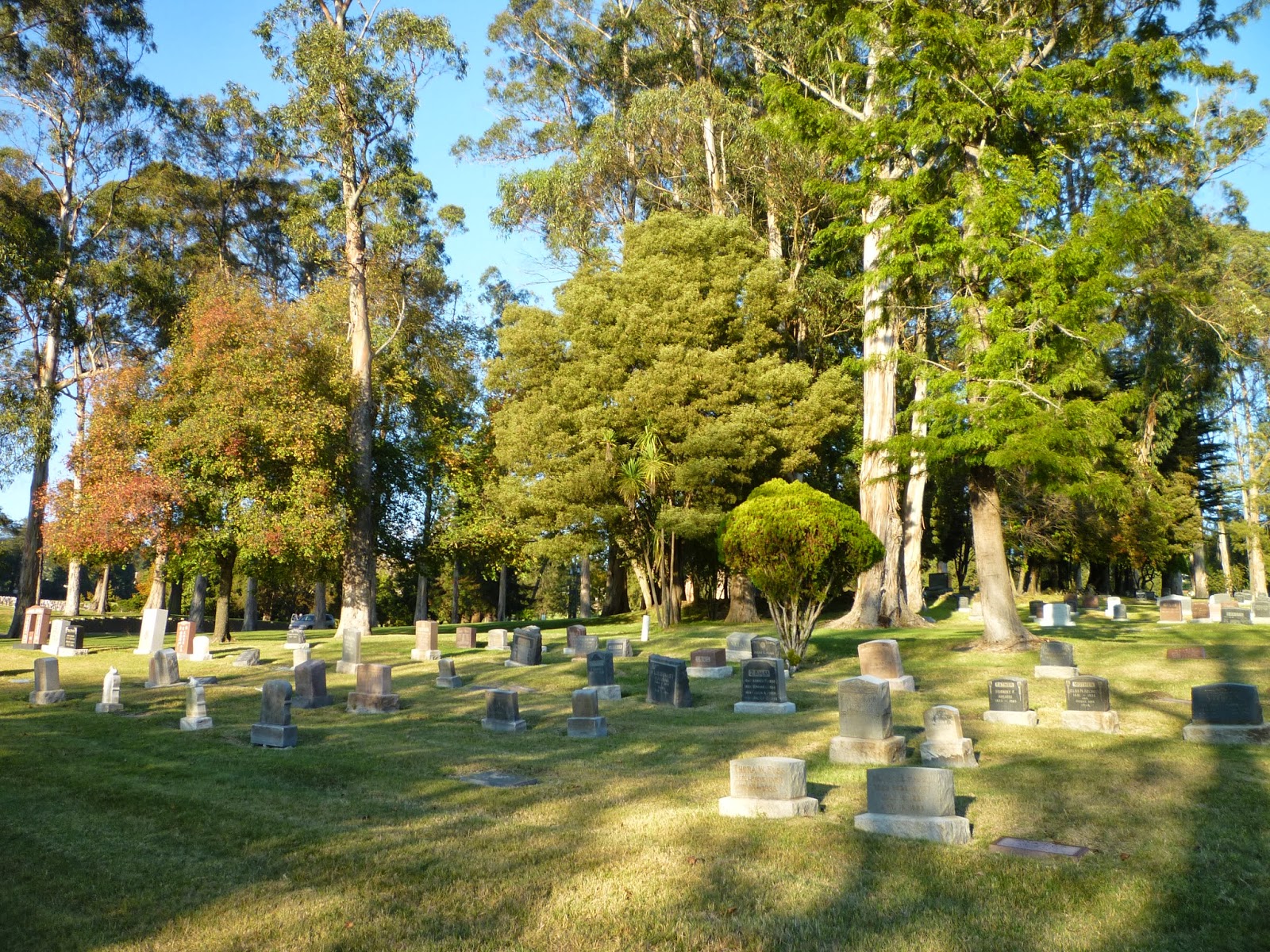
But a little earlier in the evening we’d added to our tour a visit to the cemetery where both Grandma and Grandpa are buried. None of us had visited since the last graveside service almost 20 years ago, and it took some exploring to find the marker. I felt closer to Grandma and Grandpa there at their grave than I had on the street in front of their house.

Cemeteries are where one finds another sort of stone, markers of lives that grew up like grass, and withered and died, most with life spans briefer even than flimsy wooden houses and certainly shorter than those huge stones people built neighborhoods around fairly recently. At the end of time, we read in 2 Peter, “… the day of the Lord will come as a thief in the night; in the which the heavens shall pass away with a great noise, and the elements shall melt with fervent heat, the earth also and the works that are therein shall be burned up.”

Indian Rock and all the granite in the Sierras, though it’s been around longer than we can imagine, will be gone, along with houses and gravestones. Then what is most enduring, the souls into whom God breathed life, will be raised. We are what on this earth is eternal.