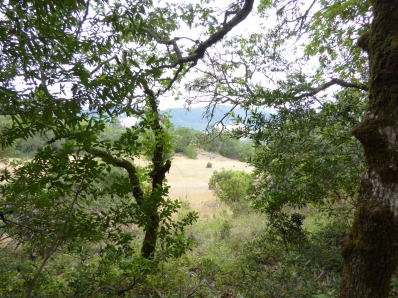
Thanks to the encouragement of my friend Eleanor, I went outside my usual walking realm this morning on a trail she suggested, and with her along to make sure I didn’t get lost.
She and I had enjoyed walking together a couple of times, say, ten years ago? but then our lives got busy with expanding family. Now that I don’t have Mr. Glad for a walking companion, various friends with whom I’ve had ongoing and indefinite plans to walk or hike will find me easier to pin down to a date.
We went up into those hills from which streams run down – but we didn’t get near any wet areas this time. The hills had their typical summer parched look, but lots of wildflowers were scattered over the landscape, and the oaks and bay trees had green leaves. 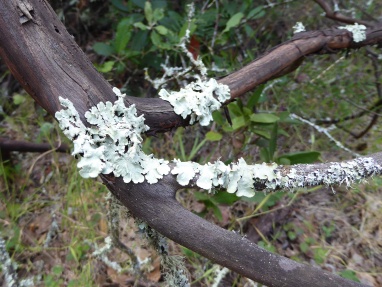

The poison oak was profuse. This picture shows the leaves with three leaflets of the toxic plant Toxicodendron diversilobum alongside some other oak sprout in the foreground, the “regular” oak having four leaves and a coarser form.
Poison oak is often, but not always, glossy, and it sometimes has these pretty colors, but the easiest way to identify it — except when is leafless in winter — is by the clusters of three oak leaves. 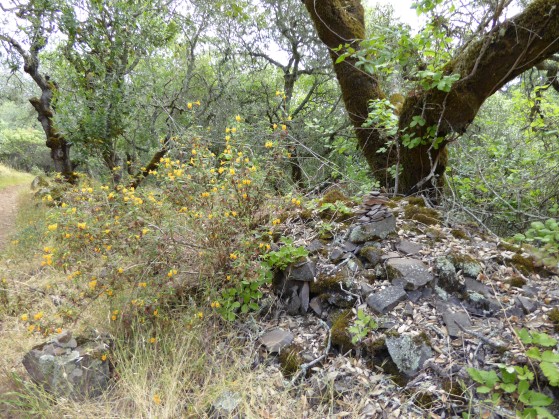

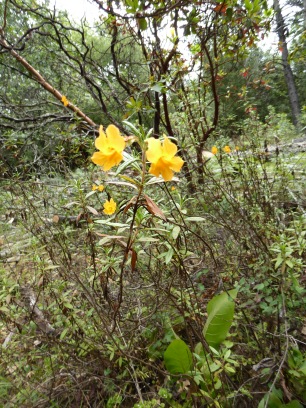
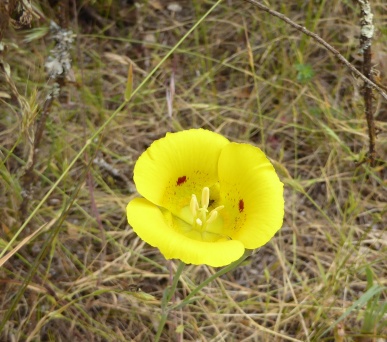
So strange and dramatic to see a densely bright, perfect bloom rising above the pale and crispy grass. Even its name is a contrast to the setting. 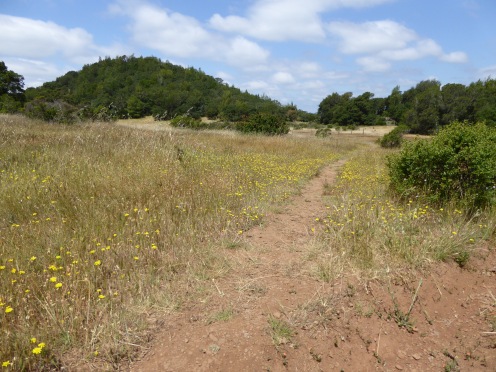 I was shocked when the names of three flowers came to my mind right while I was looking at them! I guess after dozens of instances of entering the same data into my brain, a synapse is finally ignited? I only had to think for half a minute to remember Mariposa Lily and Elegant Brodiaea when we came upon them.
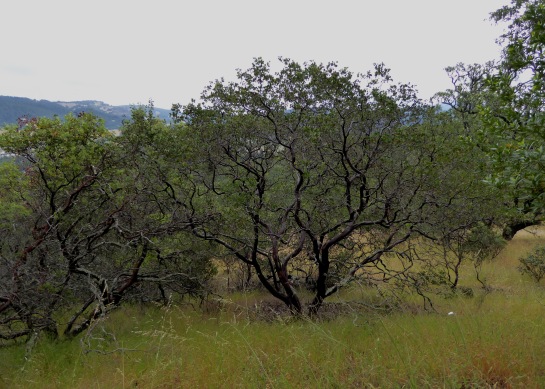
This is a park where I’ve hiked many times, but not much lately. Maybe now that I’ve been reintroduced to its system of trails I might return on my own.
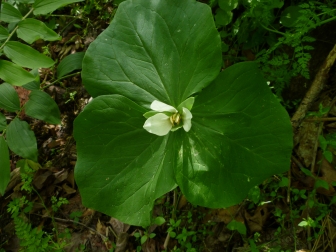
But I’m afraid this may be the last I’ll see of the spring wildflowers.
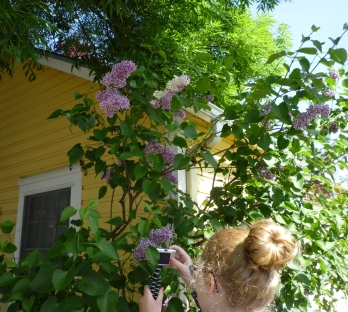
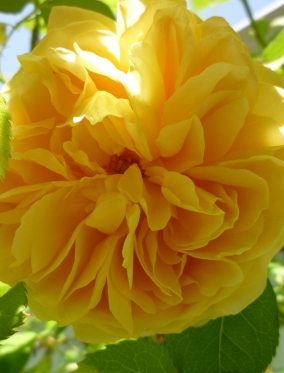
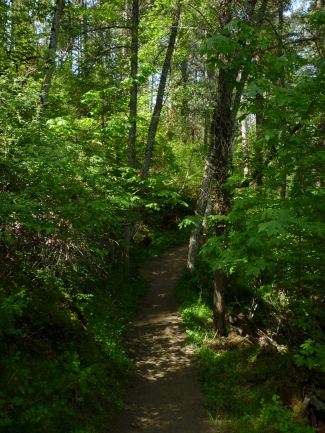
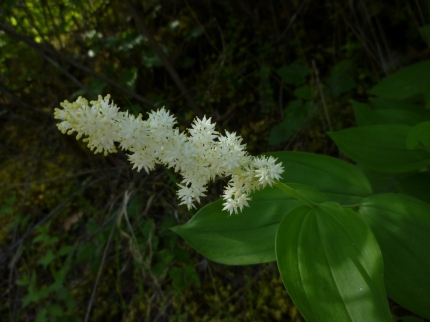
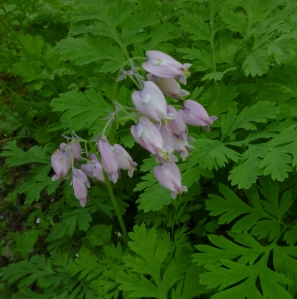
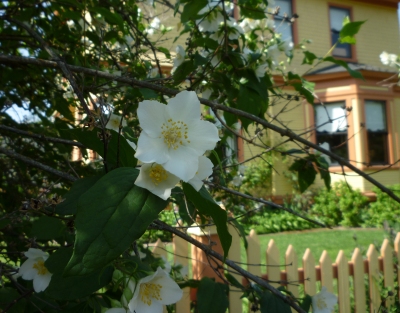
 “We call wild flowers common because of their quantity. But this is just where we strike the great difference between the productions of Nature and the productions of Man. When we produce many samples of the same thing they are of poor quality and we speak of them as mass-produced. The mass productions of Nature do not fail at all in terms of quality. Take the bluebell. There indeed is quantity. Yet every single year we are freshly struck by their quality. Only a flower-snob could fail to see that any one of these bells on the uplifted belfry is as delicate a construction as any tulip or any rose. I will not say more beautiful, or less, for in this realm of flowers we actually are in the presence of abundant examples of — perfection. I think that perfection is the key to the emotion that flowers cause in us. When a thing is perfect the problem of its existence is solved. Gazing at flowers in a wood an unexpected signal seems to go up; we feel a movement of happiness and hope about everything, there is a suggestion that all is really well, all is right with the world….”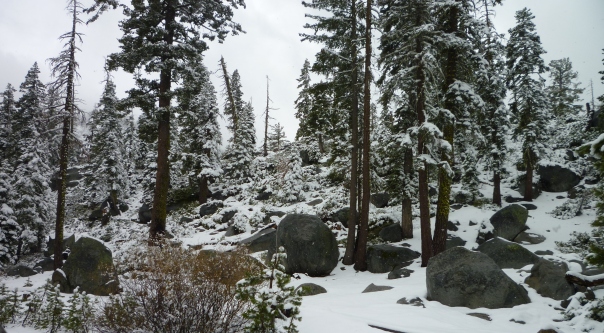
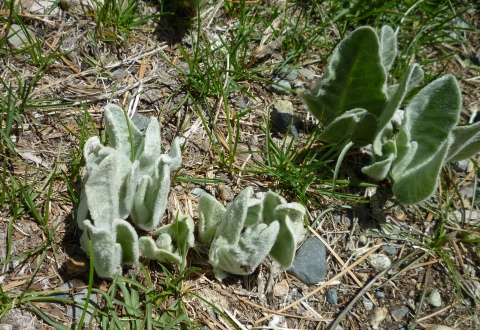 squaw carpet is in bloom, and most of the mule’s ears are still babies. I thought their little fuzzy leaves were very dear.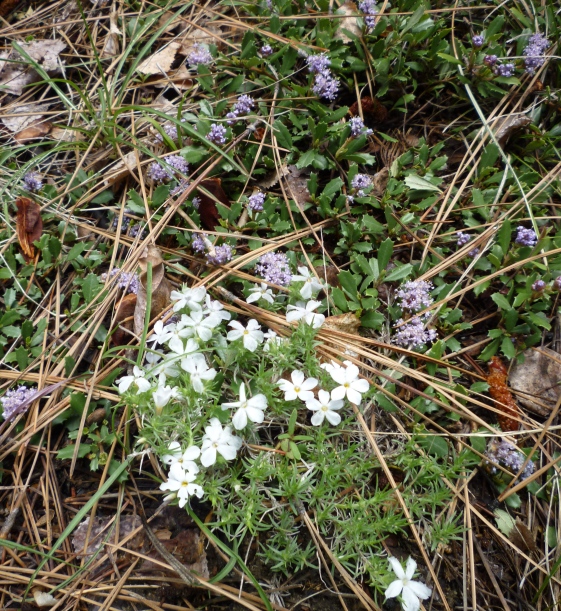
 Gladsome Lights