Tag Archives: butterflies

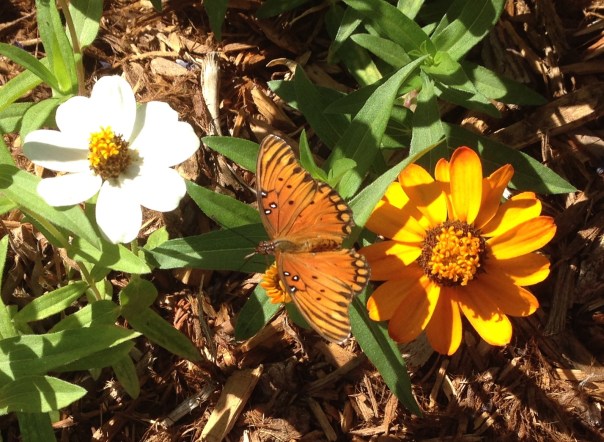
A Breath of Wings

This poem at albits seems to me to describe the ways of a butterfly better than anything I’ve ever read. I used the word capture instead of describe at first, but that word sounds too violent for what the poet has accomplished, in engaging respectfully with such an otherworldly and mysterious fellow creature.

Recently I listened to Antonio López talk about what it means to have a technological perspective on our world. He self-consciously follows the thought of George P. Grant in noting that just by being inhabitants of this culture we live in, we tend to absorb and display a somewhat fragmented and fragmenting attitude toward the people and things around us, failing to see them as whole beings, seeing everything as “piles of stuff” that we may use or manipulate or control at will. He wants us to see the connectedness of everything, and to respect the interiority of each creature, and “let be.”

Some have said that for a writer, “everything is material,” meaning, everything we see, whatever happens to us throughout our days, appears to us as something to write about, something we long to distill into words so that we can know it better and share it with other humans.

It occurs to me that to have this attitude as my first impulse may be an example of this less than fully human, technological perspective; I immediately impose my thoughts and presuppositions on the thing or person before me. But that habit works against my deeper and purer self. If I want to be fully present with the world, with the people and things in it, I need to restrain my mind’s impulsive and constant forming of sentences, at least long enough to let my heart meet the heart of the “other,” and know communion.

Perhaps that is what this poet was able to do when he met a butterfly. It would explain how he was able to catch, not just the first thoughts that came to mind, but this divine vision to share with us.

A BREATH OF WINGS

Walking out with the trash
I saw a butterfly flash by

In a wink and a bright splash
Of light. It made me wish

The yard were lined in rich
Leafy plants that might catch

Her eye in the search for a place
To settle. How could I guess

That she’d choose a blank wedge
Of sidewalk next to my garage

Where grey concrete met brick
And no perch seemed attractive

To a breath from delicate wings.
That’s how I saw her, as a trick

Of nature: two fans of gauze
Waving crazily in the evening air,

Nothing more, nothing else there
But color that seemed to disappear

As she lit. What remained was a stick
On the ground with a flat brown flag:

The wings had closed up tight.
Was she taking a nap, I thought,

Or holding her breath in fear
Of me standing there, a sag

In my face, the blank mind caught,
Transfixed in a magical nowhere

Between this–and the next–flight.

-Albert Salsich

I like the way the sentences sometimes don’t match the lines of the couplets exactly, so that the rhythm of the poem mimics the way a butterfly swoops and flutters, “waving crazily,” and then surprises you when it comes to an abrupt stop on a flower or a sidewalk. It is a good one to read aloud.

The beholding of a butterfly was a gift of grace to the poet, and through his labor of love I’ve been doubly blessed: Through this vicarious meeting I have an expanded appreciation of butterflies, and also the joy of encountering an uplifting poem. I’m afraid to say much more about all the words — I did once write on words for this insect — and the form of the poem because I will get carried away in enthusiastic speculation and wonder, and never make it outside to look at more butterflies.

I hope you all might see a butterfly today!
butterfly-9-16-16

Names for a Flying Insect

As we departed Yosemite via Wawona, we passed through Mariposa County. There was a Ping! in my mind’s word bank as I recalled my delight on first discovering that this word means BUTTERFLY in Spanish. I think it is a very showy word, as is butterfly. But years before I learned the Spanish word, I was taken with the French: papillon, pronounced roughly, pap-ee-yón (with that nasaly French on.) How fancy! Schmetterling is the German, pretty much phonetic as it looks, and a happy word that is to say, with its ling at the end. That’s as far as I can go with the comparisons. When I look up the word in other languages, either they are not so flamboyant or I don’t know how to pronounce them.

I find it charming that these several words from different people groups hint at some particular quality of this insect, a creature that should belong in its own category far removed from cockroaches or houseflies–too complicated for just one or two syllables, and worthy of taking a little extra trouble with the tongue, in order to give honor to its glory. Mariposa has a second meaning I just found in my dictionary: night light. Now isn’t that a lovely evolution?

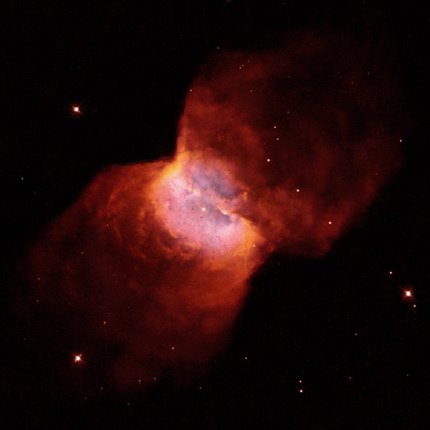
Rather than give you a repeat picture of a butterfly in my garden, I am posting here the Butterfly Nebula. Way out there where the fragile flutterer could not survive, the image of its elusive beauty can still be brought to mind.

Lavender Time

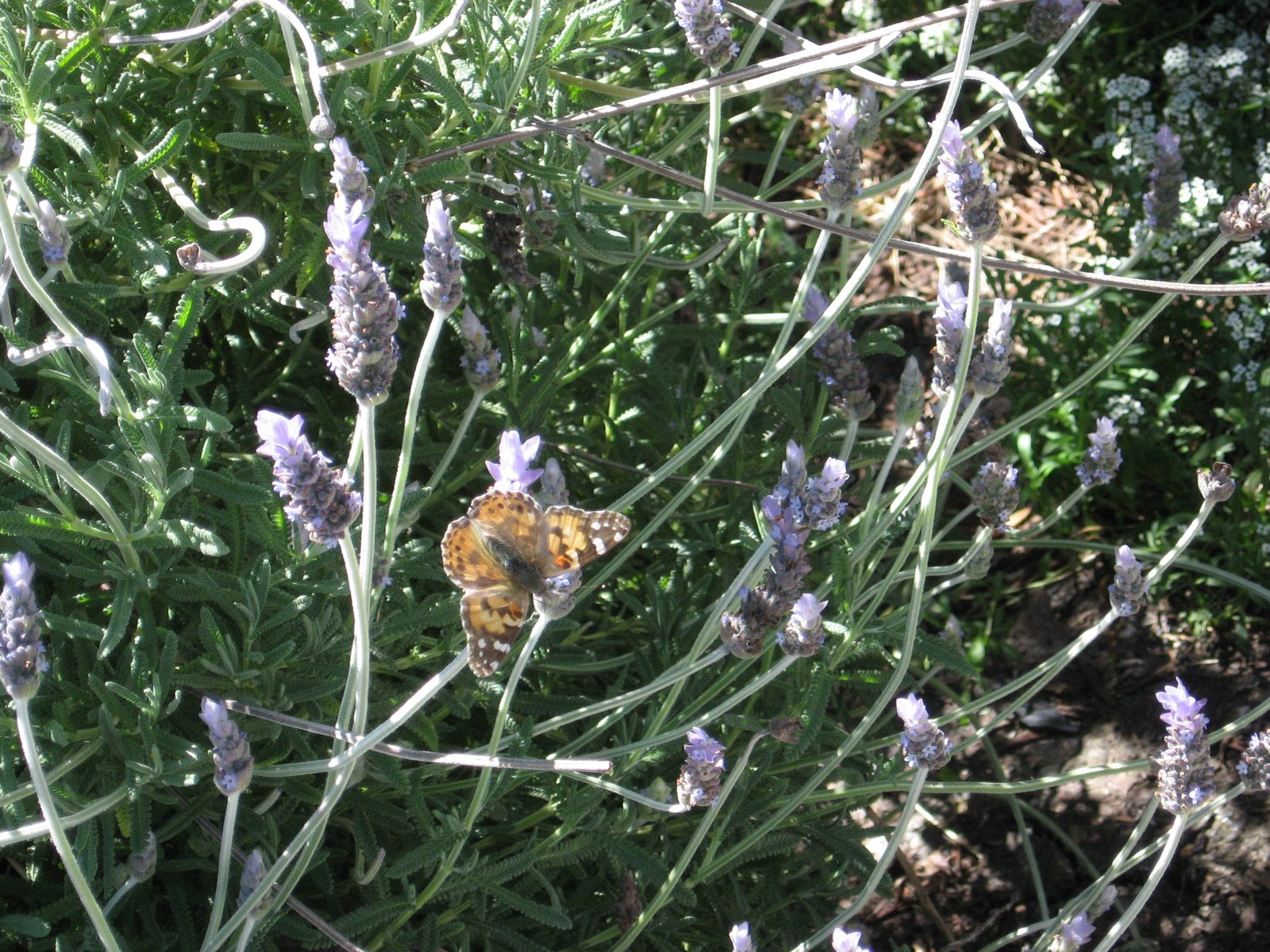
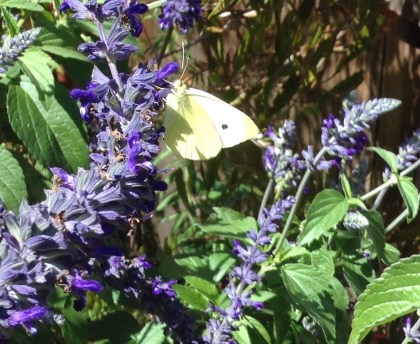
This is the time of year when lavender bloom is peaking. I’m not speaking of French lavender, where I caught a butterfly perching at least a month ago. I have two of those bushes that seem to be always blooming, and quickly grow to a huge size because there never seems to be a post-bloom time to cut them back.

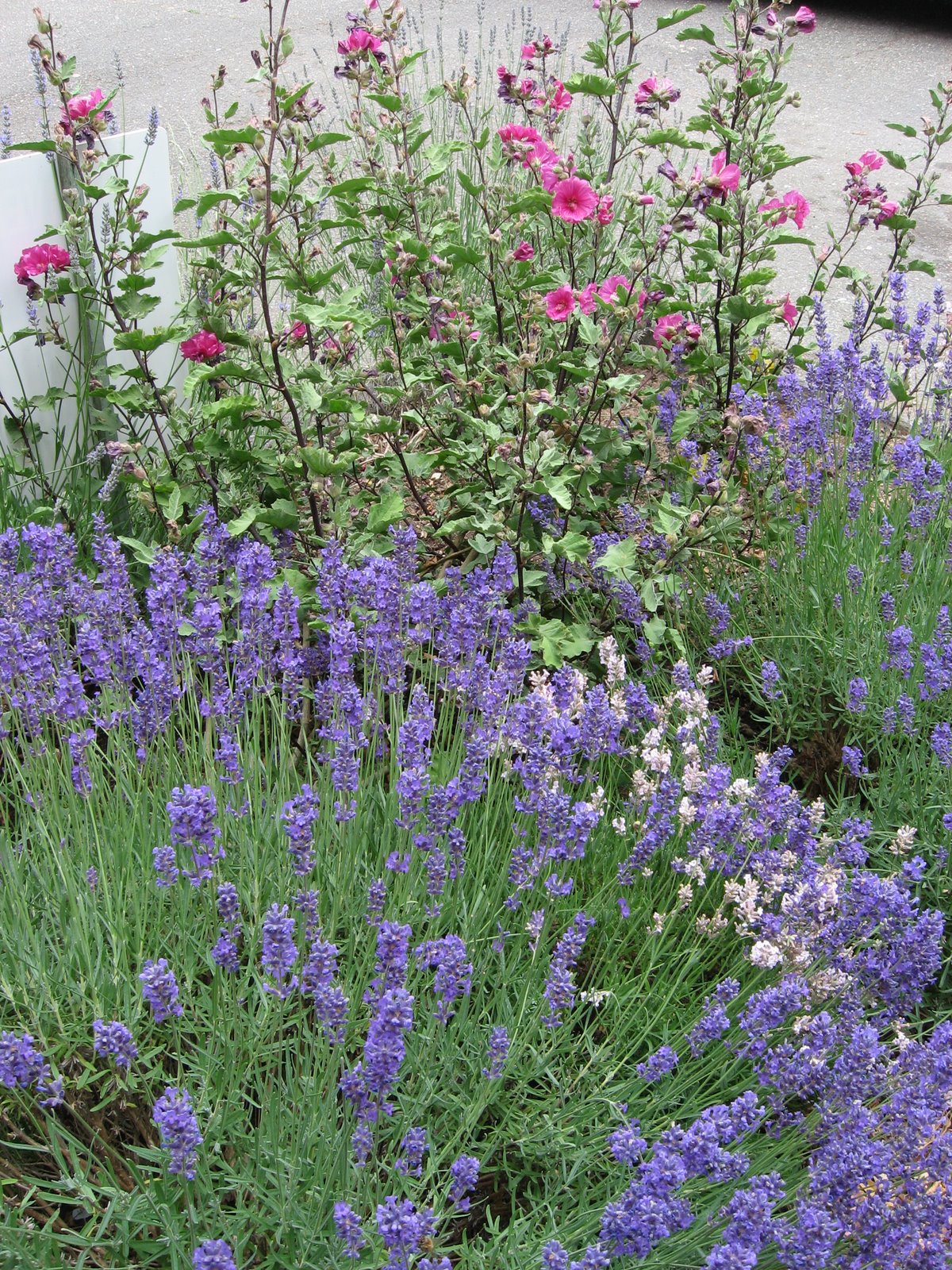
But rather, English lavender.

At church, close to my favorite rose, these two colors of lavender complement the mallow that waves over them.

And not too far away the Matanzas Creek Winery has acres of lavender in bloom right now. Many times I’ve taken friends to get a whiff and a feast for the eyes in the mornings of late June. I didn’t take this picture, though.

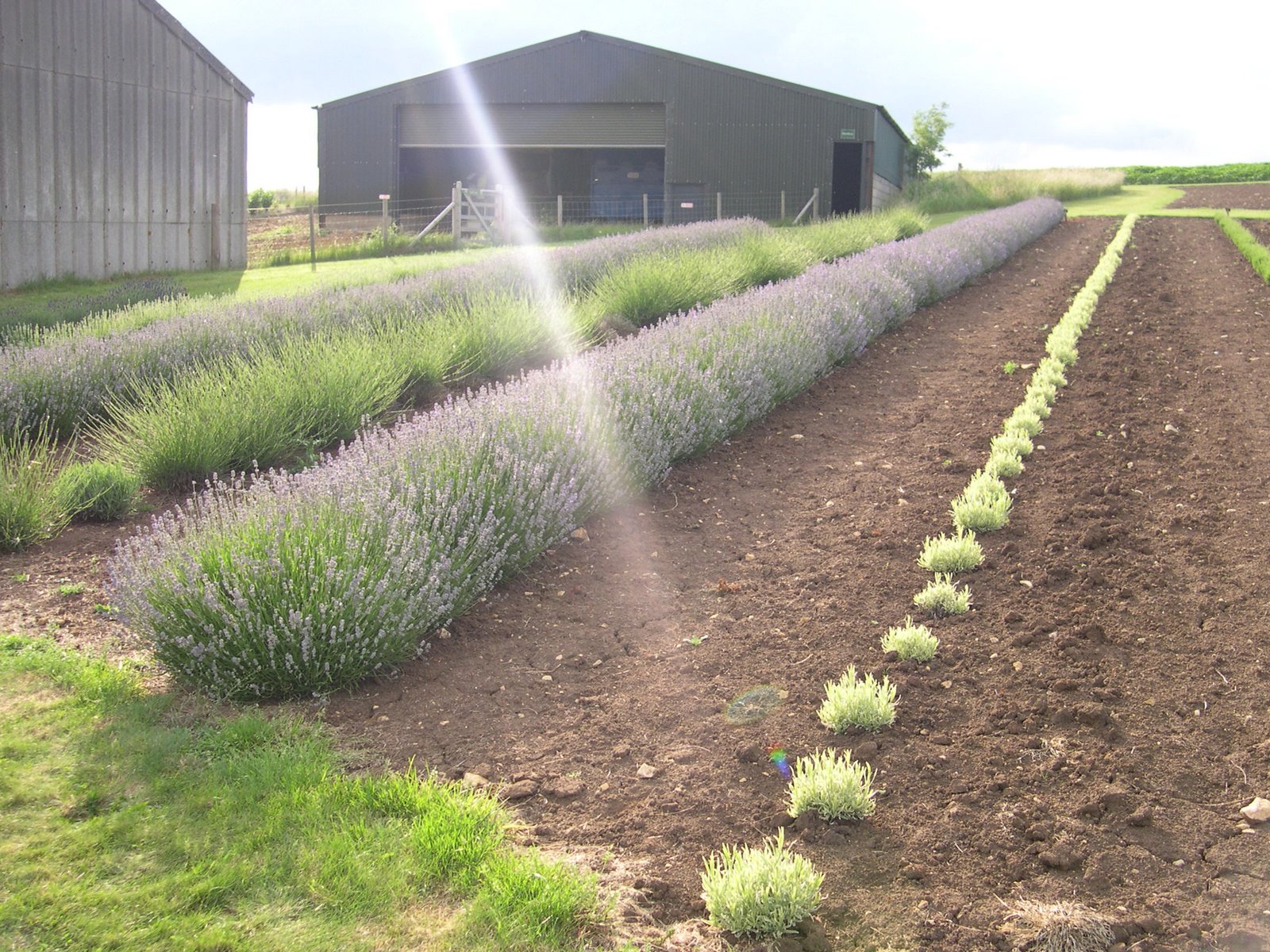
Pippin  took many pictures of lavender at a farm we encountered in the Cotswolds of England at springtime several years ago. I’m not showing you her most picturesque shots, in case she wants to use them commercially sometime.

This farm grew so many varieties of lavender, and they had identifying markers at the end of each row, so that I could write the following journal entry:

On our way back to Snowshill we find the lavender farm Jacki told us not to miss. Fatigue has me waiting in the car for my daughter to take a picture, but she comes back to get me—she knows I will want to experience this place, and she’s right. What a palette of color and textures; her photos come out looking like Monet paintings. Twickle Purple, Alba, Dutch, Nana Alba, Hidcote and Peter Pan are some of the varieties I note in my book, as we stroll on wide grass paths among the neat rows spreading out of sight for many acres. There don’t seem to be any other people around; it’s probably suppertime for most folks–or later. Some of the plants are bushy and covered with blooms, others more dainty, with the flowers just coming on. The colors range from deep cobalt through lighter blue and white. When you throw in the lavender smell, it all makes for a sensual feast.

Lavender gives such a lot of pleasure over a long season, is unthirsty and very easy to care for. After the bloom, it’s short work to prune the bushes back, and then there’s no fuss until the next spring, when I can sit on the patio and watch the bees feeding off my own lavender. Weeks ago there were bushes in bloom in our area, but I kept watching in vain: the bees had not deemed mine ready yet. But today was the day! Just this morning there they were, a dozen of them buzzing around. It takes almost more patience than I have, to get a picture like this in a garden where the breeze is nearly constant. But I did it! So I have something to give today.