HOPE
Hope is with you when you believe
The earth is not a dream but living flesh,
That sight, touch, and hearing do not lie,
That all things you have ever seen here
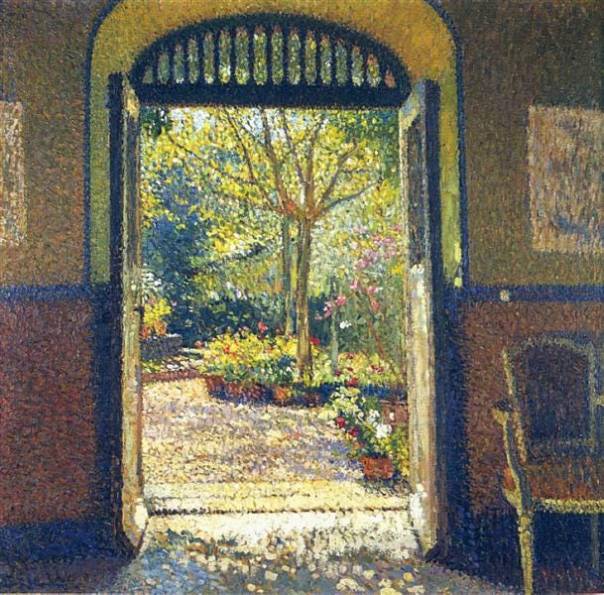
Are like a garden looked at from a gate.
You cannot enter. But you’re sure it’s there.
Could we but look more clearly and wisely
We might discover somewhere in the garden
A strange new flower and an unnamed star.
Some people say we should not trust our eyes,
That there is nothing, just a seeming,
These are the ones who have no hope.
They think that the moment we turn away,
The world, behind our backs, ceases to exist,
As if snatched up by the hands of thieves.
―Czeslaw Milosz
 “To be a man and live among men is miraculous, even if we know the vile deeds and crimes that people are capable of. Every day we build together an enormous beehive with our thoughts, discoveries, inventions, works, lives. Even that analogy is hardly accurate; it is too static, since our collective work is constantly changing and displaying itself in various colors, subject to time or history.
 “Materialism is a conviction based not upon evidence or logic but upon what Carl Sagan (speaking of another kind of faith) called a ‘deep-seated need to believe.’ Considered purely as a rational philosophy, it has little to recommend it; but as an emotional sedative, what Czeslaw Milosz liked to call the opiate of unbelief, it offers a refuge from so many elaborate perplexities, so many arduous spiritual exertions, so many trying intellectual and moral problems, so many exhausting expressions of hope or fear, charity or remorse. In this sense, it should be classified as one of those religions of consolation whose purpose is not to engage the mind or will with the mysteries of being but merely to provide a palliative for existential grievances and private disappointments. Popular atheism is not a philosophy but a therapy.”
 Gladsome Lights