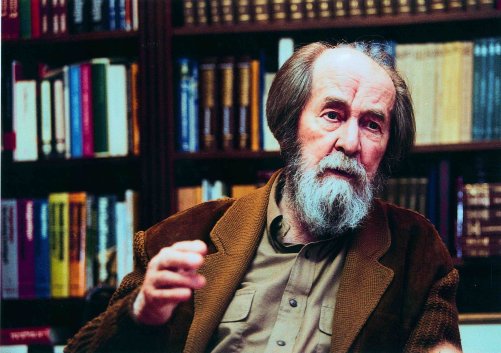
To commemorate the death of Aleksandr Solzhenitsyn, August 3, 2008, this year I give you a link to his essay, “Live Not by Lies,” with an introduction to it, and excerpt from it. The website of the Aleksandr Solzhenitsyn Center has a wealth of the author’s writings and speeches, a list of events and publications related to his legacy, his biography, and more. They have put up a new page dedicated to excerpts of his writings over the course of almost forty years on the topic of Ukraine, beginning with, “Russia and the Ukraine are united in my blood, my heart, my thoughts.” First the introduction to the essay:
On the day Solzhenitsyn was arrested, February, 12, 1974, he released the text of “Live Not by Lies.” The next day, he was exiled to the West, where he received a hero’s welcome. This moment marks the peak of his fame. Solzhenitsyn equates “lies” with ideology, the illusion that human nature and society can be reshaped to predetermined specifications. And his last word before leaving his homeland urges Soviet citizens as individuals to refrain from cooperating with the regime’s lies. Even the most timid can take this least demanding step toward spiritual independence. If many march together on this path of passive resistance, the whole inhuman system will totter and collapse.
— by Edward E. Ericson, Jr. and Daniel J. Mahoney, The Solzhenitsyn Reader
Here is one short excerpt from the essay:
“Our way must be: Never knowingly support lies! Having understood where the lies begin (and many see this line differently)—step back from that gangrenous edge! Let us not glue back the flaking scales of the Ideology, not gather back its crumbling bones, nor patch together its decomposing garb, and we will be amazed how swiftly and helplessly the lies will fall away, and that which is destined to be naked will be exposed as such to the world.”
-Aleksandr Solzhenitsyn
It won’t take long to read the whole essay here: “Live Not by Lies.”
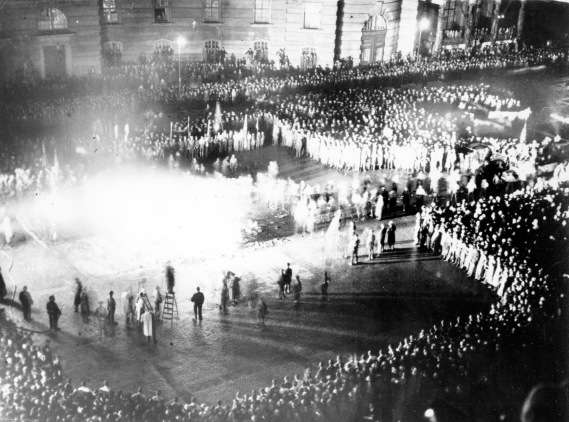
 I came to the end of Irrational Man: A Study in Existential Philosophy, and feel that my engagement with the author and his theses has barely begun. The insights about eternal human longings down through the ages, and even small details about the lives of individual thinkers, will be rattling around in my mind for a long time to come, and I hope to refer to some of them in the future.
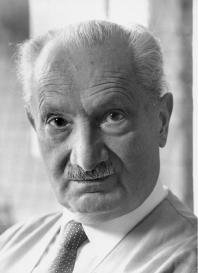
 “If man is to be given meaning, the Existentialists have shown us, it must be here and now; and to think this insight through is to recast the whole tradition of Western thought. The realization that all human truth must not only shine against an enveloping darkness, but that such truth is even shot through with its own darkness may be depressing, and not only to utopians. But it has the virtue of restoring to man his sense of the primal mystery surrounding all things, a sense of mystery from which the glittering world of his technology estranges him, but without which he is not truly human.”
 Gladsome Lights