Yesterday we commemorated St. Columba. It was the Sunday of the Blind Man in the Orthodox Church, and I was getting ready to chant-read the prayers of the 3rd and 6th Hours before 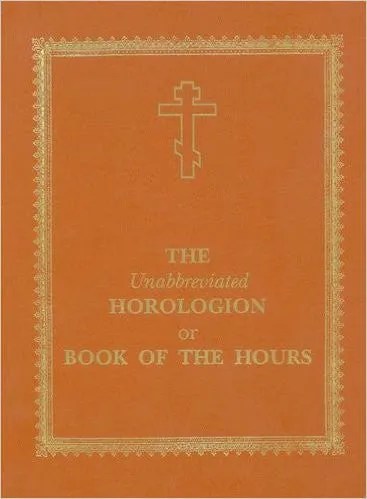 Liturgy. Usually on Sundays there are two changeable parts of those readings called troparia, always one for the Resurrection, and often another for the feast or saint of the day. There was another sort of hymn, a kontakion, for the Blind Man, but there was not a troparian hymn in the lectionary for that event.
So our rector said I might read the troparion to St. Columba, which I did. I can’t find the text of it anywhere online now; I read it in the Horologion, or Book of the Hours, which is a big book of texts used, mostly by the reader or cantor, in liturgical services of the Orthodox Church, both the fixed and movable parts.
 He also suggested that I take home a copy of that tome, to spend a while familiarizing myself with it. Occasionally over the years someone instructs me, in a very hit-and-miss fashion, on how to find what I need in the Horologion, but I seem to be dense when it comes to learning anything that I have to read standing, at a lectern, for example. So I’ll be glad to bring the book home and read at my leisure through the church calendar, with its treasures of saints and feasts.
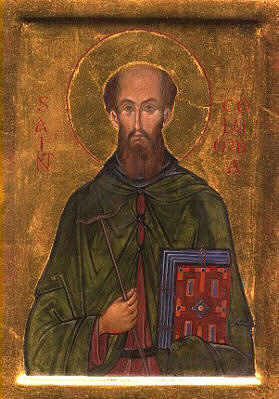
Fr. Malcolm Guite was remembering St. Columba yesterday, too, and tells the story of how his mystical connection to the saint was renewed in his youth, “Columba and My Calling,” on his blog. An excerpt:
 “One evening, St. John’s Eve it was, right at the end of my journey, I came round a headland at sunset into a beautiful little bay and inlet on the west coast in Donegal, just as the fires were being lit around the headlands for St. John’s Eve, and there was drinking and fiddle playing and dancing round the fires that evening. And I asked where I was, and they said Glencolmcille, and I felt a sudden quickening and sense of connection, as though a memory stirred. And they asked me my name and I said ‘Malcolm’, and they said, ‘Ah that is why you have come, because he has called you’, and I said ‘who?’ and they said ‘Colm has called you, Malcolm, for this is the place he fought his battle and gathered his disciples and from here he left for the white martyrdom and Scotland.”

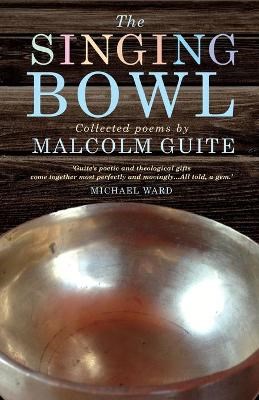
He has written a touching sonnet in honor of his saint and that “small epiphany,” from which I took the title of this blog post. You can read “Columba,” and/or listen to him read it: here. It’s one of the poems in his book, The Singing Bowl.
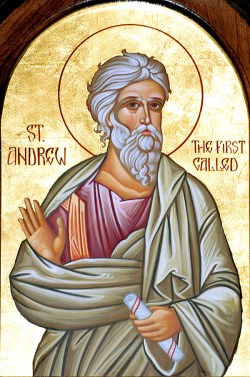 Attending Divine Liturgy on the feast of St. Andrew — what a life-giving way for me to start the day. It was a long and busy day that had me driving back and forth and all over, which is why I am only now getting to the computer to tell about it, now that we are, liturgically, in the following day.





 Gladsome Lights