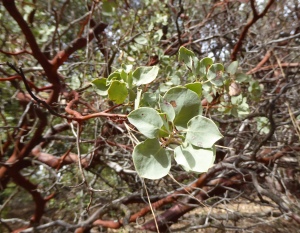
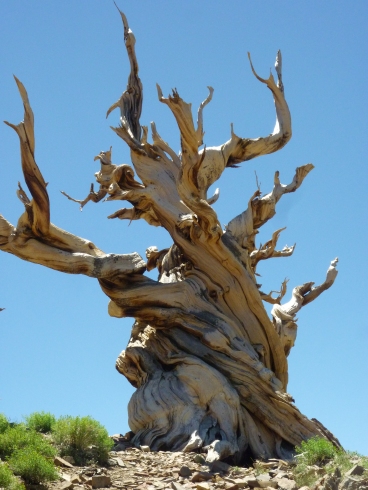
Xerophytes are plants that are xerophilous, which means they have special features that enable them to survive in very dry environments. One of my favorite xerophytes is the Bristlecone Pine, which I wrote about some years ago, calling them Gnarly Patriarchs.
Some of the plants in my home landscape are considered to be xerophilous, though to maintain a xeriscape such as I have it is not necessary to have nothing but xerophytes. A xeriscape, in addition to featuring drought-tolerant plants, uses deep mulches and other means of conserving water besides those that are built into the plants themselves.
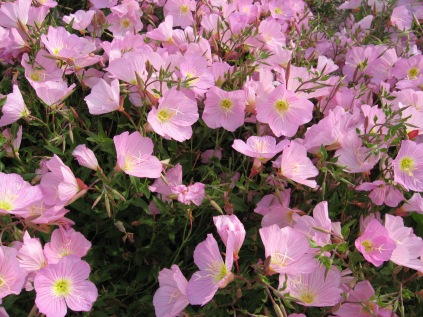
In a patch by my driveway, enclosed on all sides by concrete, Mexican Evening Primrose blooms and thrives all summer with a little water once a month or so. It thrives so well that such an enclosed space as it lives in here is usually the best spot for this plant, unless you are okay with it taking over the whole garden.
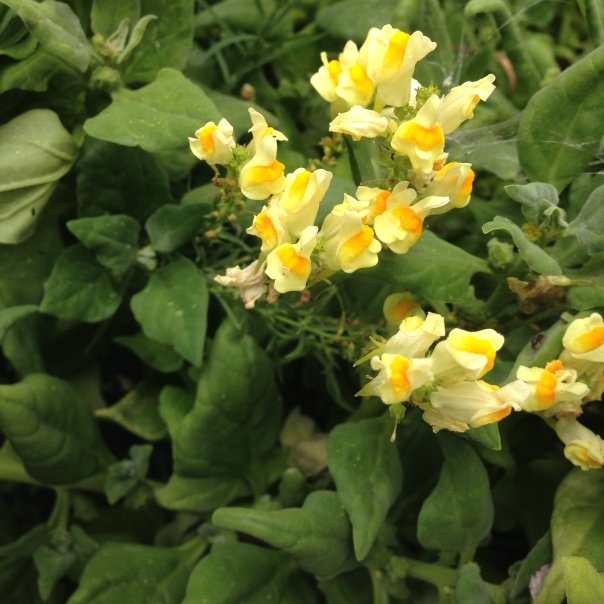
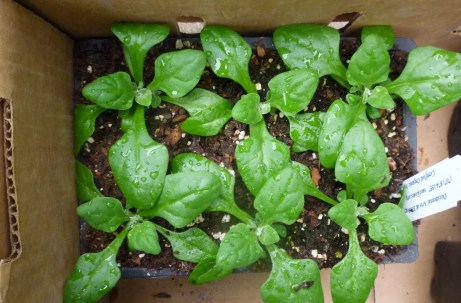
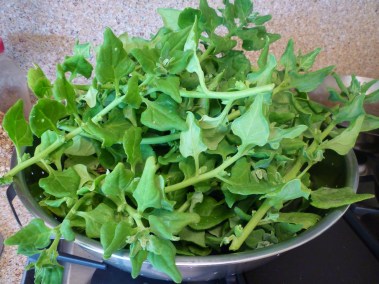
The picture at right is of warrigal or New Zealand Spinach, an edible green, growing alongside a yellow mystery flower [since discovered to be toadflax], both of which I consider quite xerophilous, as they lived in my back yard for months last summer with no water, and never so much as wilted.
That root xeros comes from the Greek, for dry. My current project is to incorporate more of these unthirsty friends into a plan for my front yard, and I hope to have them planted by the fall.


 Gladsome Lights