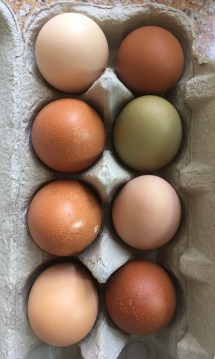
 Last week I made a little trip to visit my horticulturalist/vintner/adventurer friend CJ, whom I hadn’t seen in a year. Her Christmas letter had gone to an old email address and I didn’t see it until that very day; when I read that she had started keeping chickens, I wrote and invited myself to meet them as soon as she would let me. She said, “Come today!”
It’s a good thing I didn’t have my phone on me as we sat in one room of the chicken house by the creek, where she has a lawn table and chairs for hanging out with her flock, or I would have made a fool of myself taking pictures of the beautiful girls, hens of all my favorite breeds: Silver Laced Wyandottes, Buff Orpingtons, Black Australorps and Red Leghorns. She sent me home with eggs and I had to explain why I am showing their picture.
 This week we have wet and glorious rain. We, speaking of all God’s trees, grasses, shrubs, vines and flowers — and the humans, too — have been thirsty. Between showers, everything in the garden glows, but I don’t know how to capture that in my pictures. The Iceland poppies in the front garden are big and lush. Only two colors of the mixed 6-pack are blooming, and they look a little odd together, coral and orange, but that seems to be what they like.
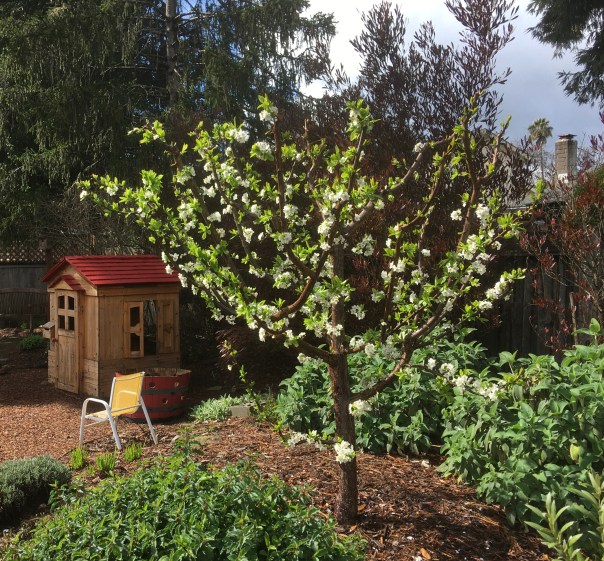
In the back garden, I have another several poppy plants that have not grown above the ground level all these months. Maybe they are sulking in too much shade. But the stock and the plum trees are coming through with plenty of good cheer.



 This recipe that has been a family favorite seems like a nice one to share this week, which for us Orthodox is Cheesefare Week, a.k.a. Butter Week, the last before Lent that we eat eggs and dairy. It was on a post about picnics that I first published it several years ago, but there’s no reason to wait for picnic season to enjoy these hand pies.
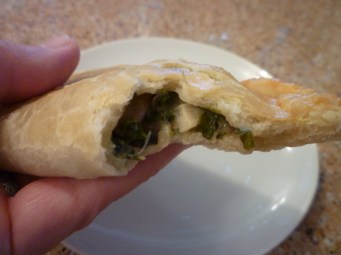 Changes I made to the recipe below: Use butter, of course, never margarine, and add some salt to the pastry dough. Or just use your own recipe for pie dough. I don’t think I have ever included the cottage cheese in the filling; it seems as though it’s the first time I am even seeing that ingredient in the list!